

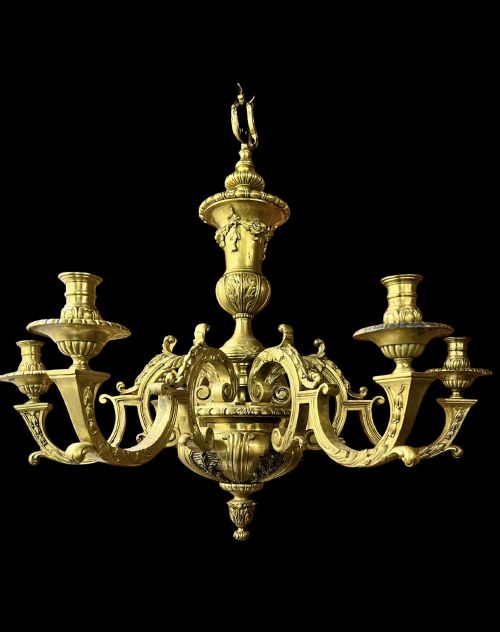


Period Ceiling Light
A period ceiling light transforms a room with authentic historic illumination, bringing character and distinct architectural presence to the overhead space.
Period Ceiling Light
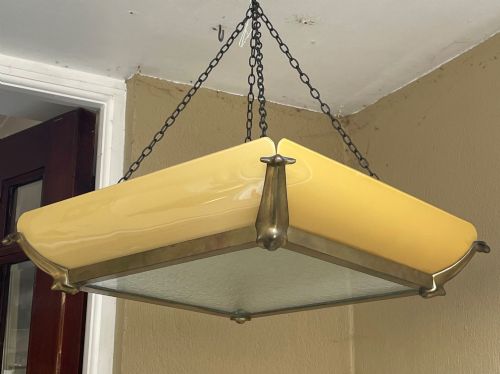
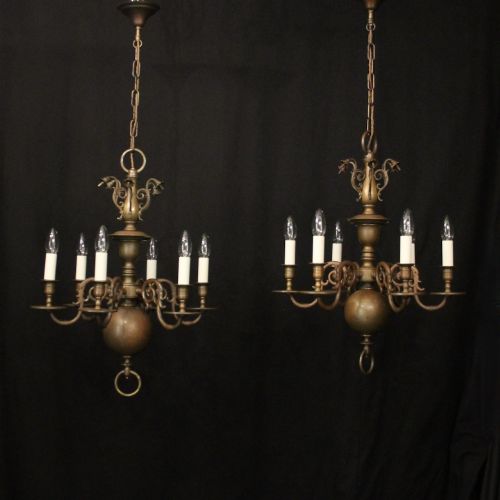
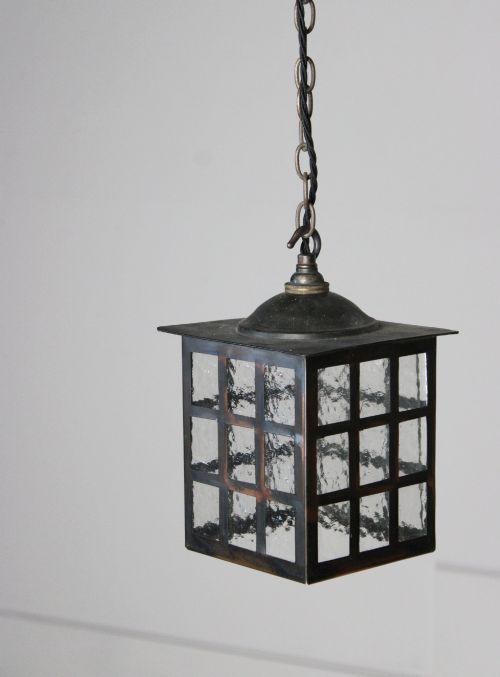
When you search for a period ceiling light, you encounter a diverse array of overhead fixtures spanning from the Victorian and Edwardian eras through to the Art Deco period. These pieces encompass grand multi-armed chandeliers, intimate hall lanterns, and decorative ceiling roses designed to anchor domestic illumination.
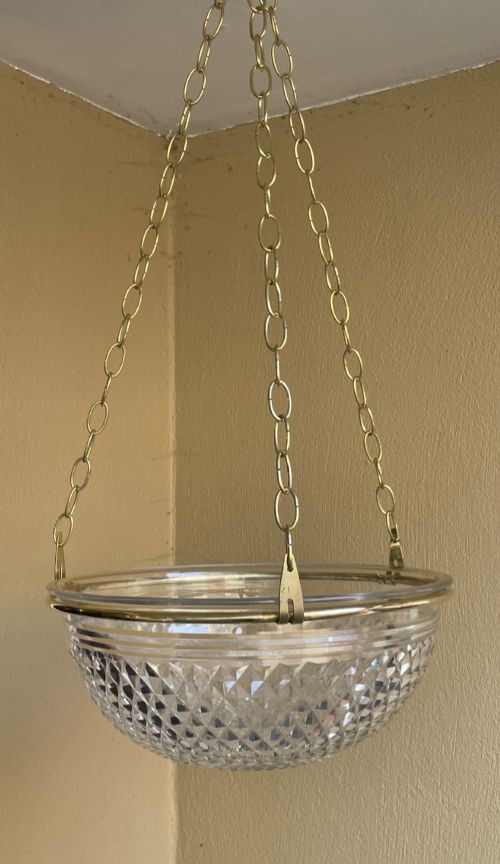
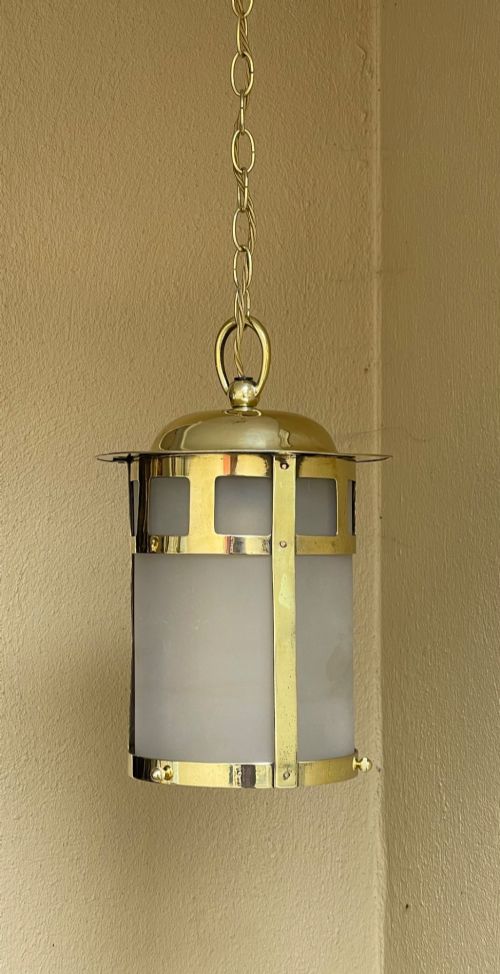
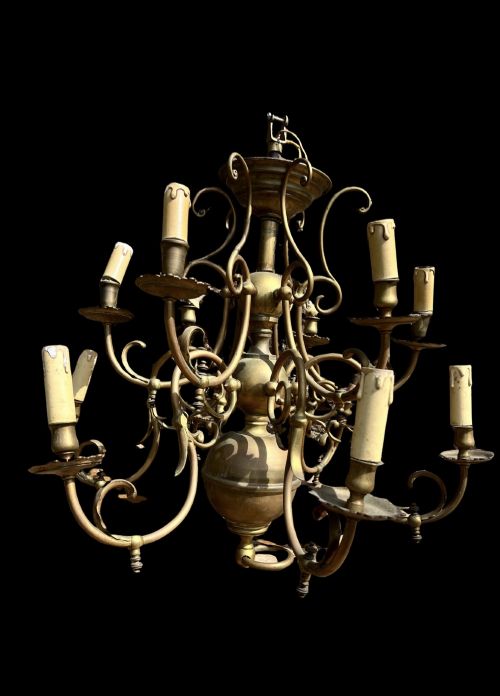
The selections most frequently met on this page include brass hall lanterns, bronze chandeliers, and cut glass plafonniers originating from the late nineteenth and early twentieth centuries. Styles range from utilitarian Arts & Crafts brassware to ornate French gilded bronze and crystal arrangements.
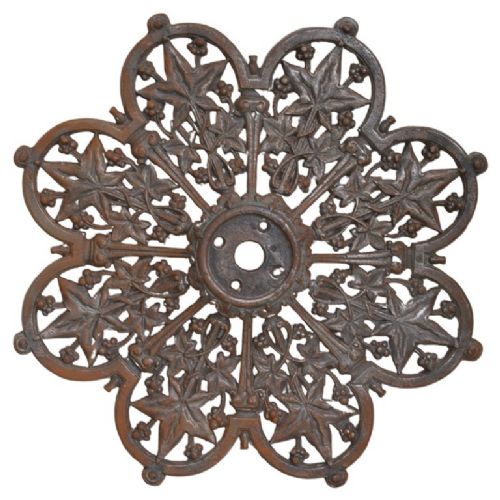
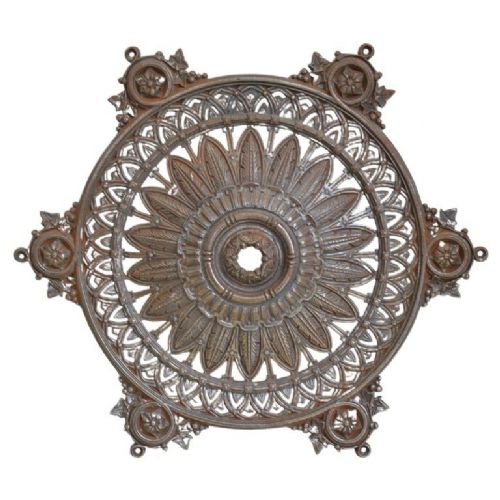
Beyond standard hanging fixtures, the category includes specialised architectural salvage such as cast iron and cast brass ceiling roses adorned with floral or leaf motifs. These varied forms reflect the shifting domestic priorities of Victorian, Edwardian, and 1930s interiors.
Materials and Manufacture
Metalwork forms the structural backbone of these fixtures, utilising cast and spun brass, solid bronze, copper, and cast iron. Workshops shaped these metals through casting, hammering, and gilding to create robust frames capable of supporting heavy glass elements.
Glass and crystal components provide the optical qualities essential for diffusing light, appearing as cut glass bowls, moulded shades, opaline panes, and intricate crystal drops. These glass elements were frequently hand-blown, mold-pressed, or laboriously cut to maximise refraction.
Surface finishes range from polished or ormolu gilt brass to patinated bronze and blackened iron. Such treatments protected the underlying metal while aligning with the prevailing aesthetic tastes of Georgian, Victorian, and Art Deco designers.
An old decorative green man copper lantern glowers quietly from the nineteenth century, watching over the room with leafy indifference.
Assessing Quality
The distinction between ordinary and exceptional pieces rests upon the precision of the casting and the depth of hand-finishing applied to the metal frame. Superior examples display crisp botanical details on cast elements, clean joinery, and substantial metal thickness rather than hollow pressed components.
Glass quality introduces another clear tier of distinction, where heavy, hand-cut crystal or finely formed opaline glass yields superior optical brilliance compared to thin, machine-moulded alternatives. The integration between metal frames and glass panels demonstrates the maker's commitment to structural integrity.
Scale and proportion govern the visual success of larger chandeliers and multi-tier lanterns, separating balanced architectural centrepieces from discordant assemblies. Original surface patination and surviving period glass elements preserve the historical coherence valued by collectors.
F&C Osler·G.E.C
The Period Ceiling Light Glossary
- Plafonnier
- A ceiling-mounted bowl light that sits close to the plasterwork. These fixtures gained popularity during the Edwardian period for rooms with lower ceiling heights.
- Electrolier
- A light fixture designed specifically for electricity rather than gas or candles. They emerged during the late nineteenth century as domestic wiring became widespread.
- Gasoliere
- An early lighting fixture engineered to burn coal gas before domestic electrification. Many surviving examples were later adapted to accept electrical fittings.
- Ormolu
- Finely ground high-karat gold applied to a bronze or brass base using mercury amalgamation. This technique produced a rich, durable golden surface seen on high-end French fixtures.
- Opaline glass
- An opaque, milky-white glass developed during the nineteenth century. It diffuses light evenly without harsh glare, making it a favourite for pendant shades.
Period Ceiling Light: Frequently Asked Questions
How do I choose the right size?
Consider both the floor area of the room and the height of the ceiling when selecting a pendant or chandelier. Grand multi-arm chandeliers require substantial ceiling clearance, whereas flush plafonniers suit standard domestic heights.
Measure the distance from the floor to ensure adequate walking clearance beneath the lowest hanging point of the fixture.
Can antique lights use modern bulbs?
Most antique fixtures can be adapted for contemporary electrical standards by a qualified professional. Wiring is typically renewed to meet current safety regulations while preserving the exterior historic components.
Low-wattage LED bulbs that mimic the warm glow of historic illumination work exceptionally well inside vintage glass shades and lanterns.
How do I clean cut glass?
Remove delicate glass shades and crystal drops from the metal frame whenever possible to clean them individually. Wash the glass in lukewarm water with a mild detergent, avoiding harsh chemical cleaners that might damage aged surfaces.
Dry each piece thoroughly with a lint-free cloth before reattaching it to the brass or bronze armature.
Are gas-converted lights safe?
Fixtures originally built for gas lighting require careful rewiring to ensure safe operation today. The internal gas channels are repurposed to safely house modern electrical flex.
An experienced restorer can inspect the structural joints and replace perished insulating materials to guarantee domestic safety.