


Six Arm Ceiling Fixture
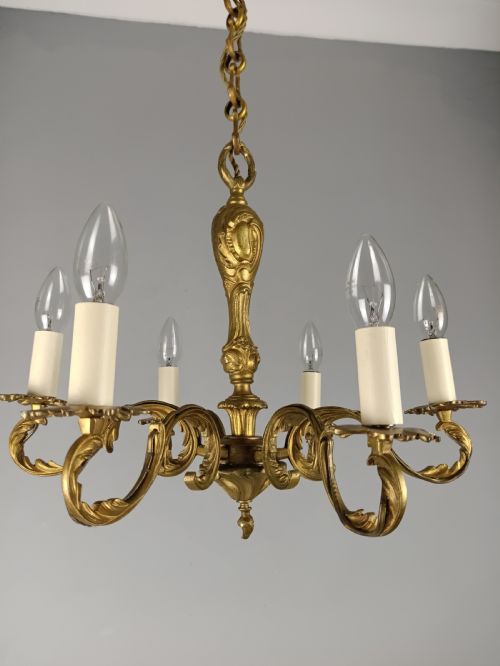
A six arm ceiling fixture offers focused illumination and decorative presence, bringing period character to a room through traditional metalwork and glass.

Six Arm Ceiling Fixture
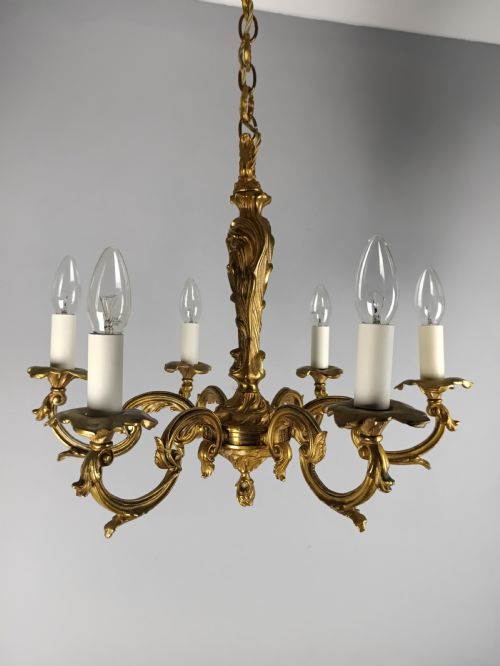
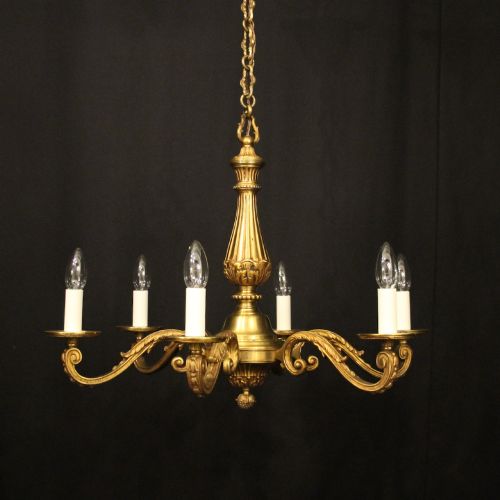
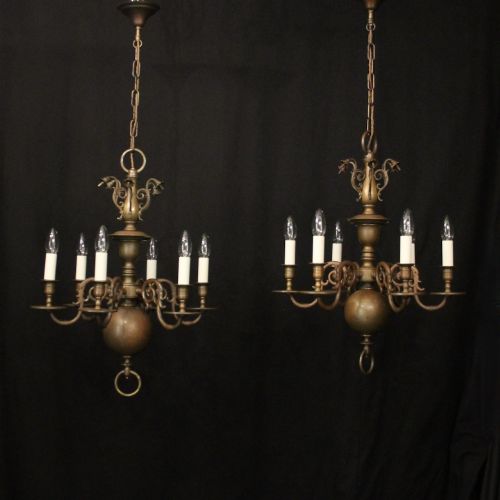
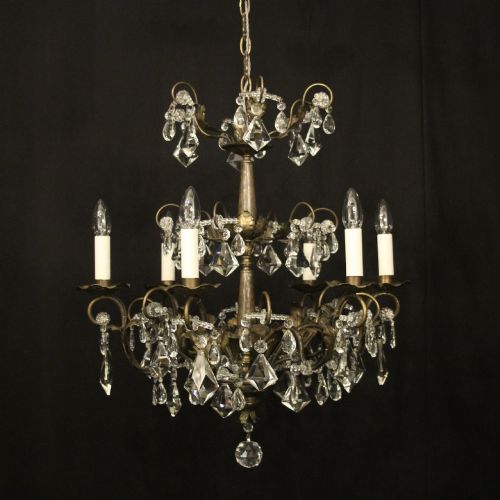
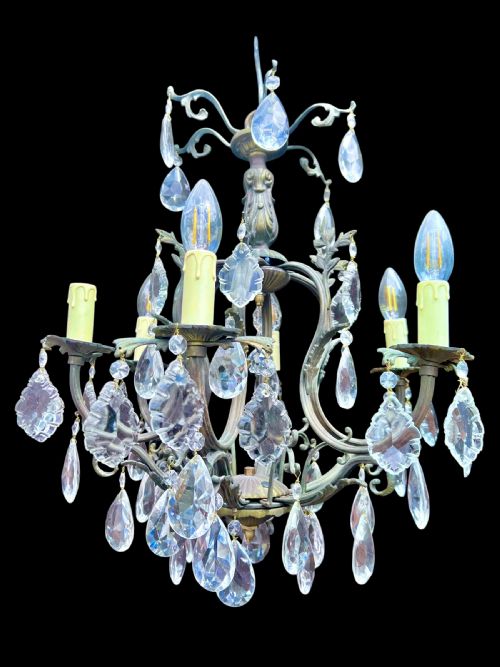
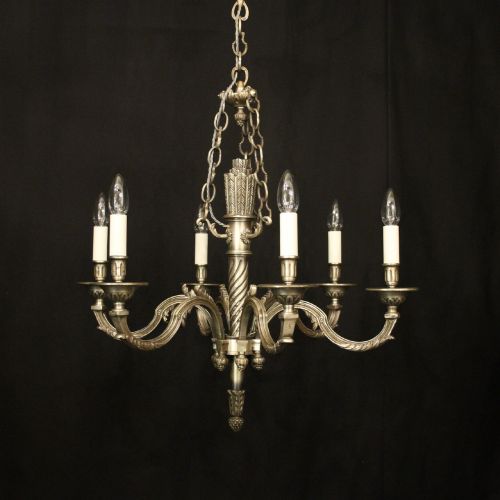
When searching for a six arm ceiling fixture, buyers encounter chandeliers originating predominantly from the late nineteenth century through to the 1930s. These pieces span French, Italian, English, Dutch, and Swedish workshops, taking the form of six-light and six-branch chandeliers.
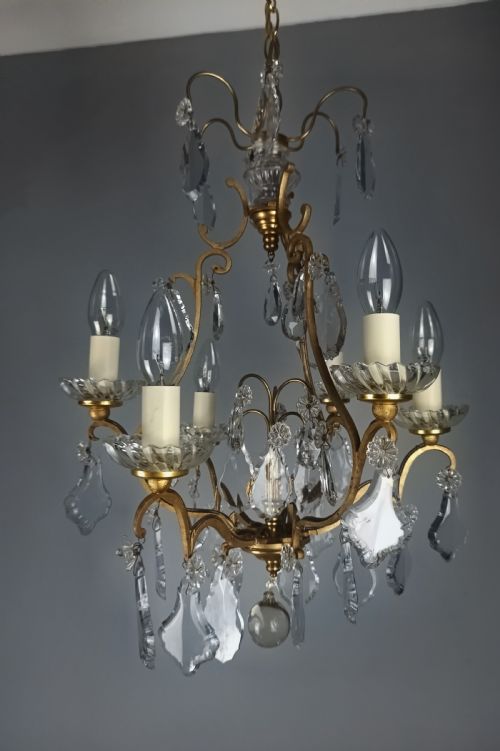
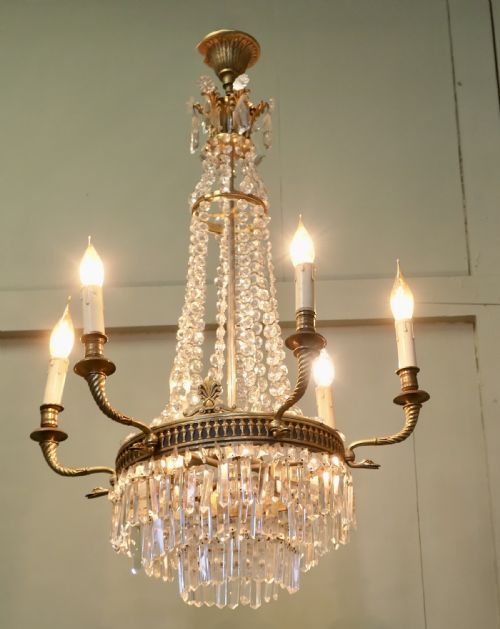
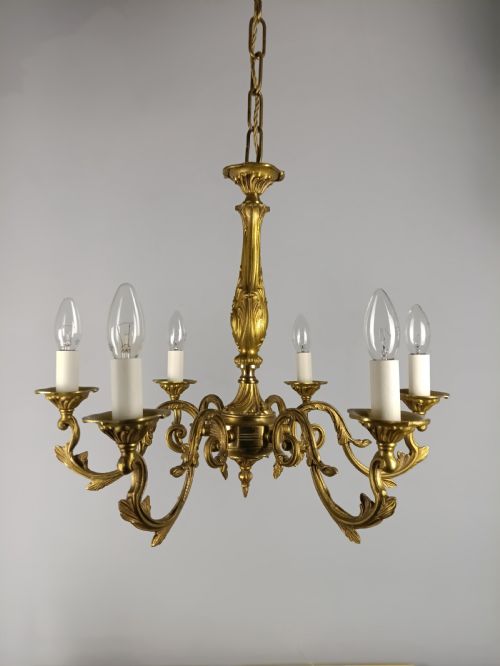
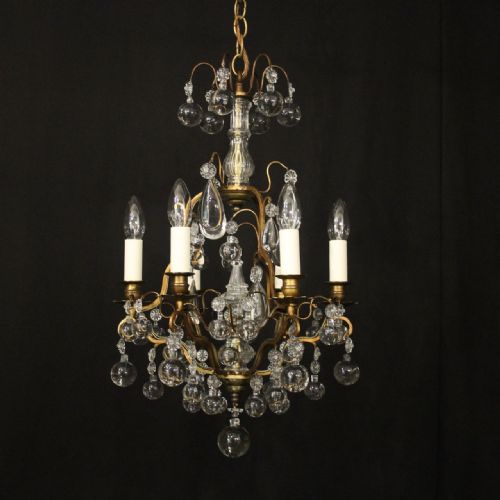
The most common examples on this page are French designs rendered in gilt bronze, brass, or crystal. Forms range from traditional birdcage chandeliers and tent and waterfall configurations to restrained early twentieth-century brass models.
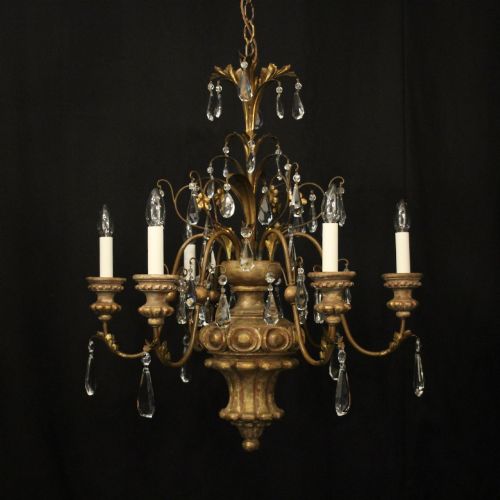
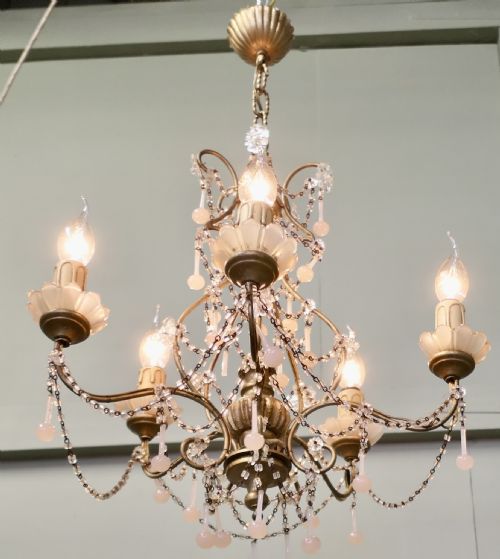
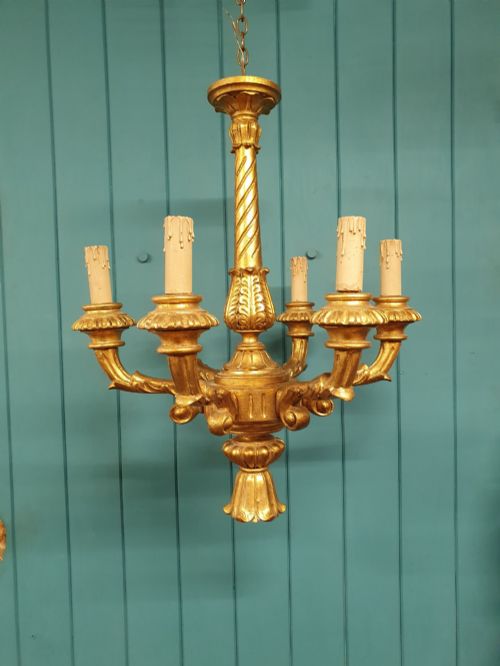
Regional variations include Venetian art deco pieces, Florentine creations, and heavy Edwardian baroque constructions. Each brings distinct stylistic markers, whether through ebonised wood, polychrome details, or cut glass drops.
How they were made
Cast bronze and heavy brass form the structural backbone of these fixtures, often treated with gilt finishes or silver gilding. Metal components are combined with hand-cut crystal drops, glass elements, and occasionally gesso and giltwood.
Workmanship relies on traditional casting, metal chasing, and structural assembly using threaded rods and pins. Crystal components are wired or pinned directly to the metal frames, while decorative elements like coloured fruits or polychrome painted surfaces are applied by hand.
The listings span periods from the nineteenth century up to 1930, featuring materials such as crystal, gilt bronze, and wrought iron.
What varies in quality
The distinction between tiers rests upon the crispness of the metal casting and the depth of the original gilding. Finer pieces display sharply defined chased details on bronze or brass components rather than soft, commercial edges.
Material selection dictates overall visual weight, separating solid cast bronze and heavy brass frameworks from lighter gilt metal alternatives. The presence of high-grade cut crystal and intact original structural elements further elevates an example above standard production.
The Six Arm Ceiling Fixture Glossary
- Chandelier
- A branched ceiling-mounted lighting fixture designed to hold multiple candles or electric lamps. These pieces distribute light across a space while acting as a central decorative focal point.
- Gilt Bronze
- Bronze metal coated with a thin layer of gold, historically applied through fire gilding or electroplating. This finish protects the underlying metal while providing a warm, reflective surface.
- Birdcage Chandelier
- A chandelier style characterised by a skeletal metal frame shaped like an avian cage, typically draped with strings of crystal beads. The construction creates a layered, volumetric silhouette.
- Tent and Waterfall
- A lighting configuration featuring an upper conical tent of crystal beads cascading down to a lower circular ring of lights. This arrangement maximises the light-refracting properties of the glass.
- Gesso
- A plaster-like mixture applied to wood bases such as giltwood frames to provide a smooth surface for gilding. It allows for intricate moulded relief details before the application of gold leaf.
Six Arm Ceiling Fixture: Frequently Asked Questions
How do I hang a heavy antique chandelier safely?
Installation requires anchoring directly into ceiling joists or using a substantial metal noggin to support the combined weight of the metal and glass. Professional electricians should assess the structural capacity of the ceiling before mounting.
Wiring must also be inspected and updated to meet current safety standards while preserving the original internal channels of the fixture where possible.
Can these fixtures be converted for modern electricity?
Most antique fixtures have already been adapted for electrical wiring during the twentieth century. Rewiring ensures safe operation and allows for modern bulb types that mimic historical candle glow.
Care should be taken during conversion to retain original sockets and candle tubes if they contribute to the authenticity of the piece.
How do I clean crystal and glass components?
Regular dusting with a soft, dry cloth prevents the accumulation of grime on crystal drops and metal arms. For deeper cleaning, remove delicate glass elements and wash them in lukewarm water with a mild detergent.
Avoid harsh chemical cleaners that can strip original gilding or damage vulnerable surface treatments on the bronze and brass.
How do I identify the period of a brass chandelier?
Dating relies on examining manufacturing techniques, such as the transition from sand casting to machine-tooled components. Stylistic indicators like art deco geometries or baroque revival motifs also point towards specific decades.
Comparing the patination of the metal and the type of fixings used provides further clues to the era of production.