
Brass Arm Chandelier
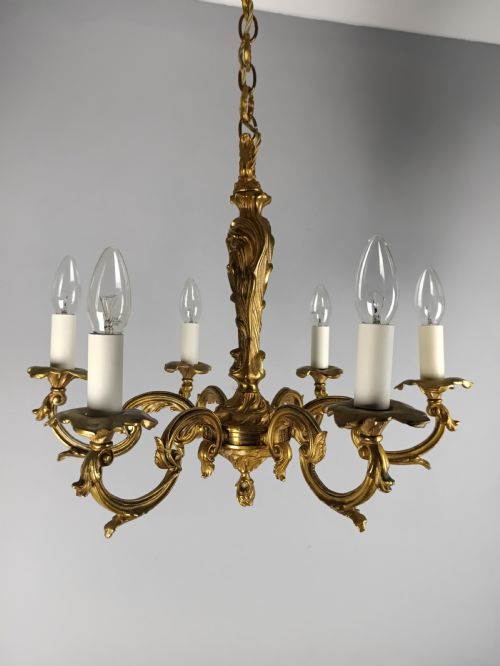
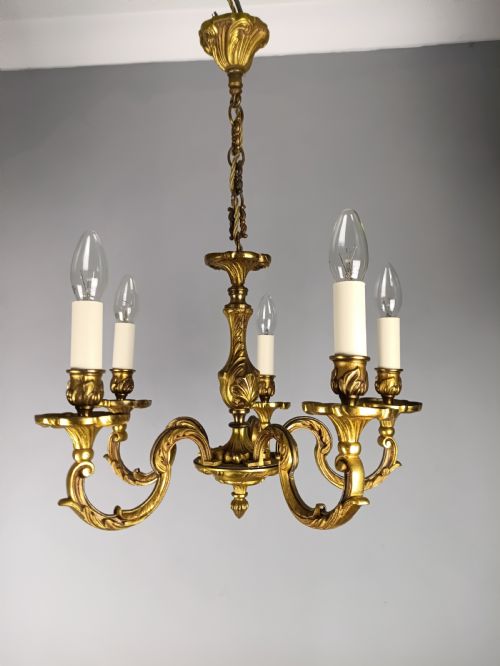
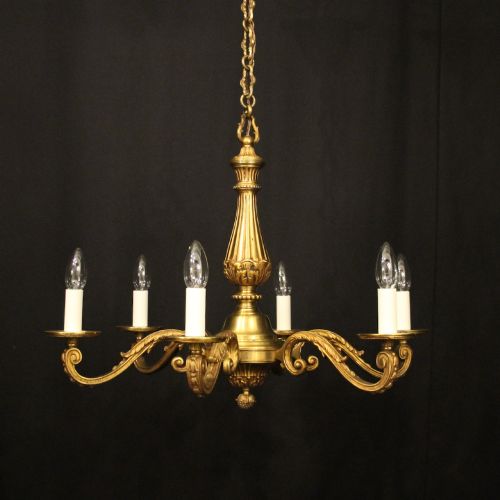
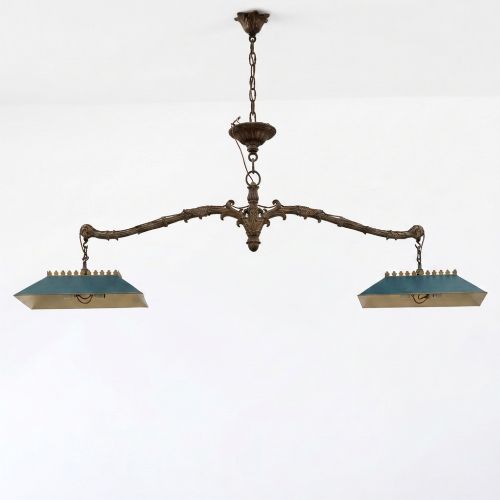
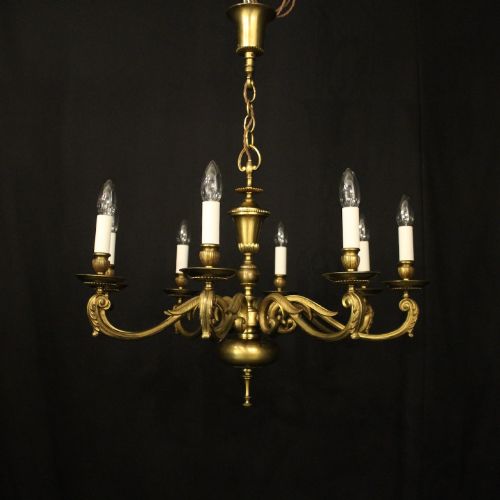
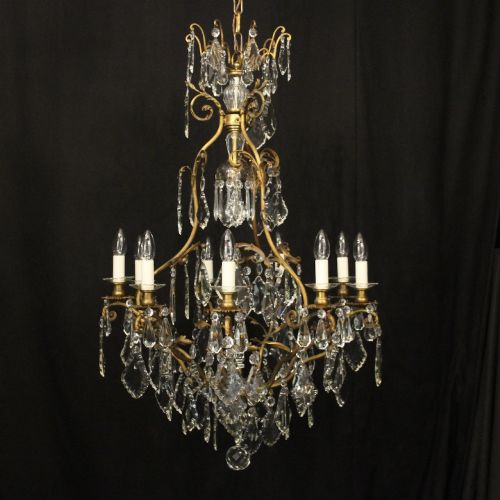
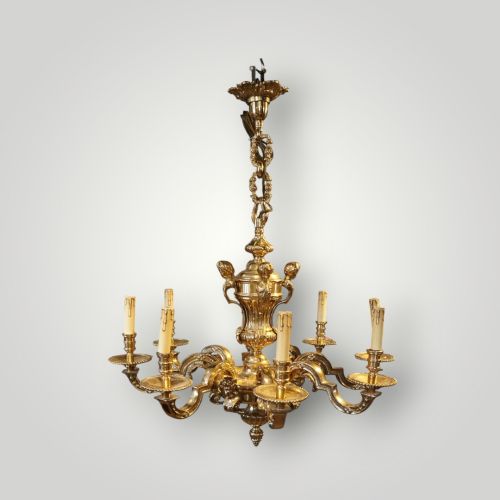
A brass arm chandelier brings commanding metalwork and warm illumination into a room, anchoring the space with period character.
Brass Arm Chandelier
A brass arm chandelier is a multi-branched ceiling light fixture designed to project illumination outward through structured metal arms. When searching for a brass arm chandelier, buyers encounter numerous variations spanning the nineteenth century through the early twentieth century, with French and English examples appearing frequently.
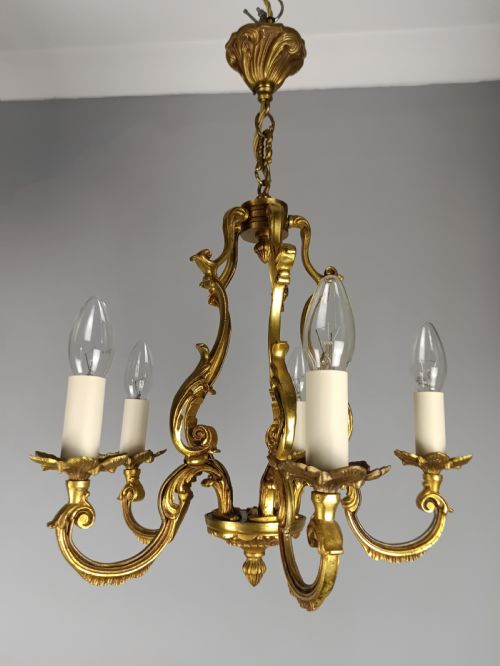
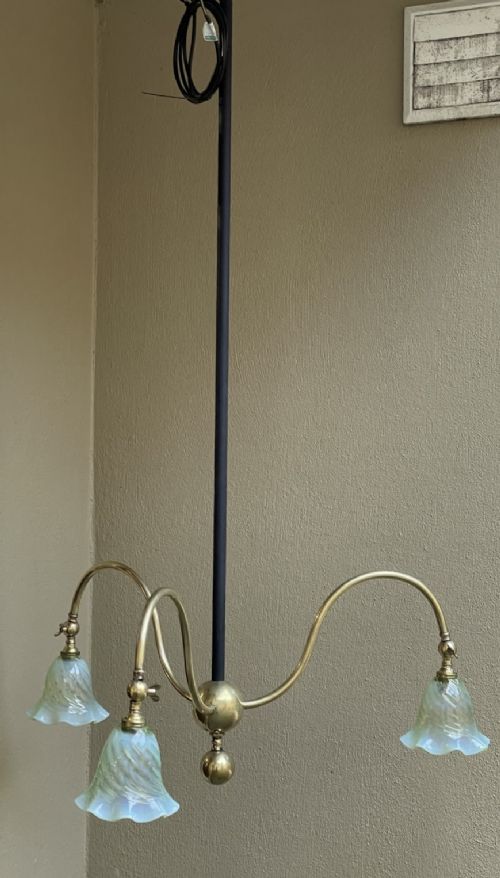
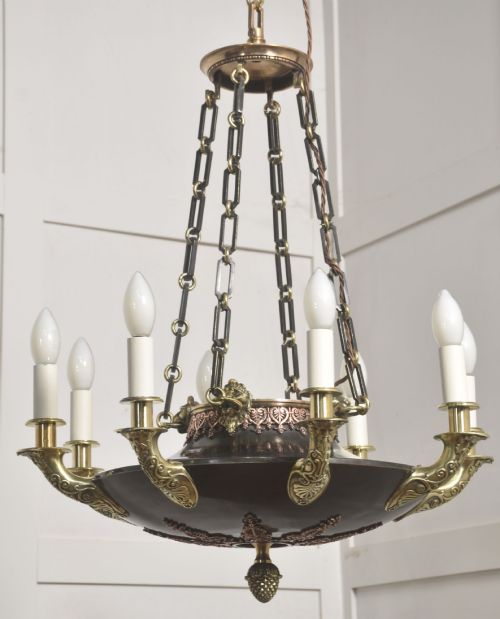
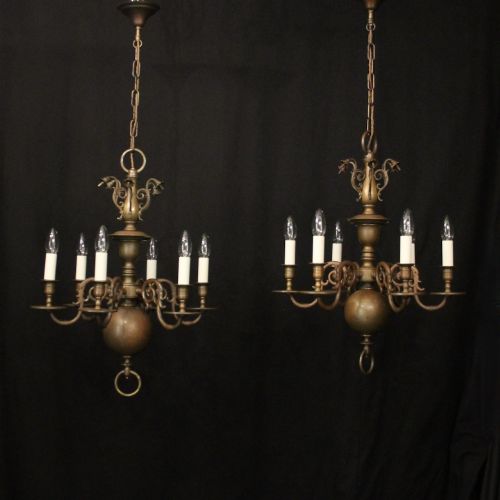
The selections on this page showcase forms ranging from compact three-arm designs to expansive twelve-arm fixtures, often incorporating styles such as French Empire, Art Nouveau, and Edwardian. Birdcage frames, tent configurations, and Dutch scroll arm arrangements represent the predominant architectural formats within these records.
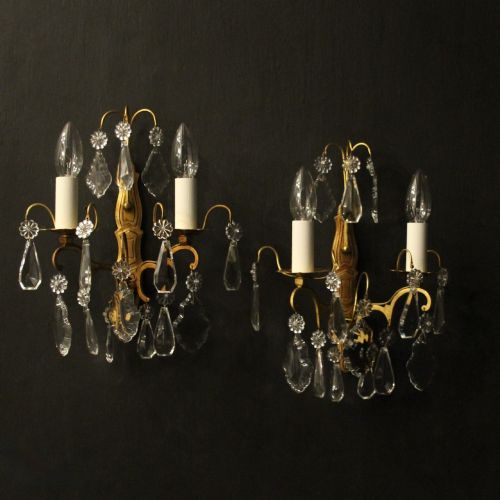
Beyond standard ceiling lights, the inventory includes specialised lighting variants like gasoliers, wall sconces, and hanging lanterns that share the characteristic metal arm construction. These pieces originate from distinct decorative traditions, including Dutch Baroque and French Rococo Revival.
Materials and construction methods
The construction relies heavily on cast and fabricated brass, frequently augmented by related copper and bronze alloys, including gilt bronze and gilded brass. Makers utilised these metals for their durability and capacity to hold intricate surface detailing, such as leaf motifs and scrollwork.
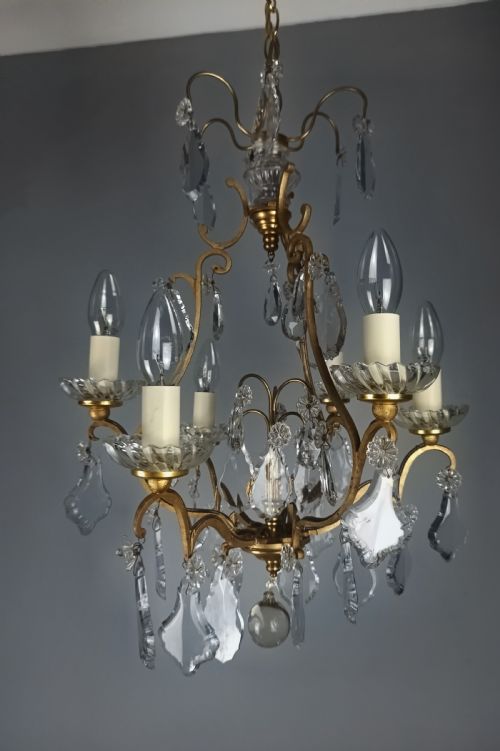
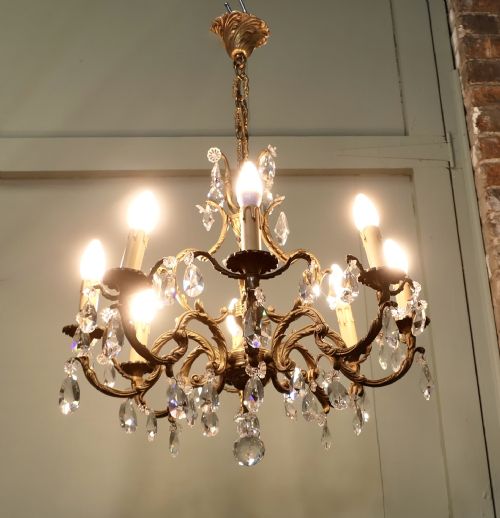
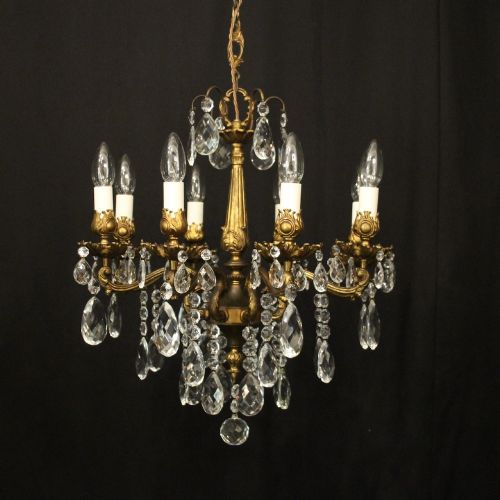
Many fixtures integrate glass and crystal elements, ranging from cut glass lustres and waterfall drops to opalescent shades and pink Venetian art glass. These transparent and translucent components were suspended from the metal armature to refract and amplify the light emitted by the branches.
Listings feature brass, copper, and bronze alongside glass and crystal across French, English, Dutch, and Italian styles.
Assessing quality in period lighting
Quality manifests in the crispness of the metal casting and the depth of the finishing, where hand-chased details and heavy gauge brass distinguish superior examples from lighter commercial alternatives. The integration of structural components, such as solid junction blocks and well-fitted arm attachments, dictates the overall integrity of the piece.
The inclusion of original decorative flourishes, such as matched crystal lustres, specialised opalescent shades, or documented provenance, elevates the standing of a fixture. Superior chandeliers exhibit harmonious proportions between the central stem, the spread of the arms, and the applied ornamentation.
G.E.C
The Brass Arm Chandelier Glossary
- Arm
- A lateral branch extending from the central body of the chandelier to support a light source. These components are often cast with scroll or leaf decorations.
- Birdcage
- A framework of curved metal straps resembling an avian enclosure that shapes the upper portion of the chandelier. This construction supports additional tiers of candles or bulbs.
- Gasolier
- A lighting fixture originally engineered to burn gas rather than electricity. Many surviving examples have been converted for modern electrical wiring.
- Lustre
- A cut glass pendant or drop hung from the arms or crown of a chandelier to refract light. They appear in various geometric and prismatic shapes.
- Tent and waterfall
- A chandelier style featuring a triangular upper canopy of bead chains leading down to a wider tier of radiating arms. This arrangement creates a cascading visual effect.
Brass Arm Chandelier: Frequently Asked Questions
What periods do these chandeliers come from?
The available lighting spans from the nineteenth century through the Edwardian era and into the early decades of the twentieth century. Specific manufacturing dates frequently reference the 1890s, 1900s, 1910s, 1920s, and 1930s.
Design influences extend further back, with pieces executed in seventeenth- and eighteenth-century Dutch, Flemish, and French revival styles produced during these later periods.
How many arms do these fixtures typically have?
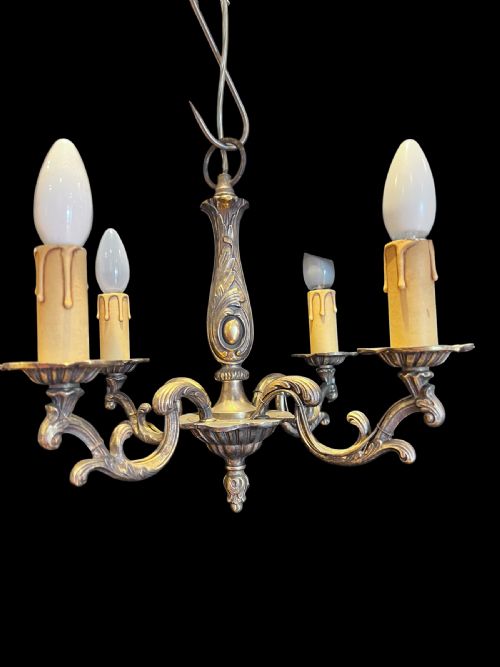
Arm counts vary widely depending on the scale and intended placement of the fixture, ranging from compact three-arm and four-arm designs up to grand twelve-arm and twenty-five-arm configurations.
Smaller three- and four-arm variants suit lower ceilings or intimate spaces, while larger multi-branch chandeliers provide substantial illumination for principal rooms.
Are these fixtures wired for modern use?
Many period chandeliers arrive with updated wiring or have been restored to meet contemporary electrical standards. Specifications often note rewiring to ensure safe operation in modern domestic settings.
Buyers should inspect individual listings to confirm whether electrical components have been restored or require professional adaptation for their specific installation requirements.