

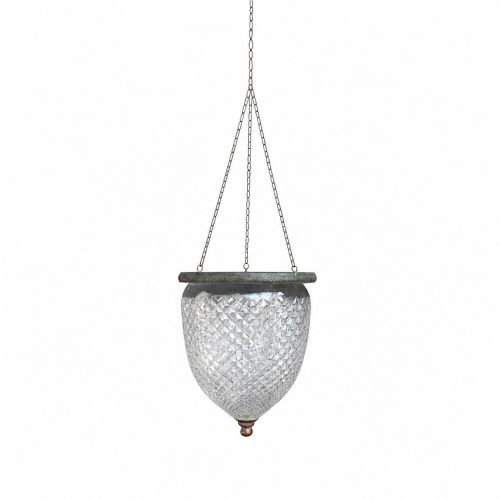
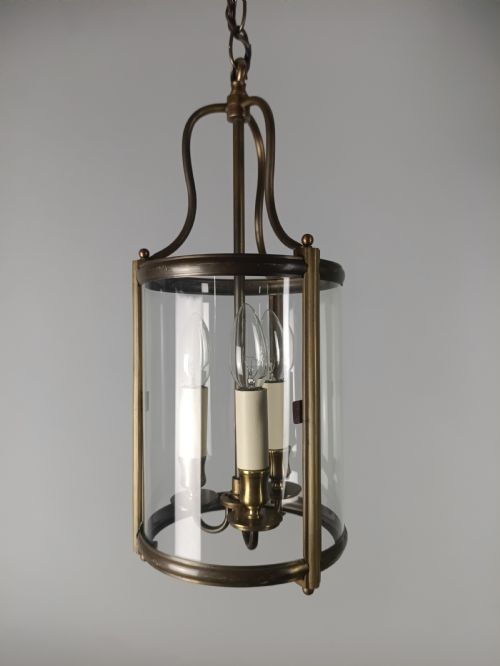
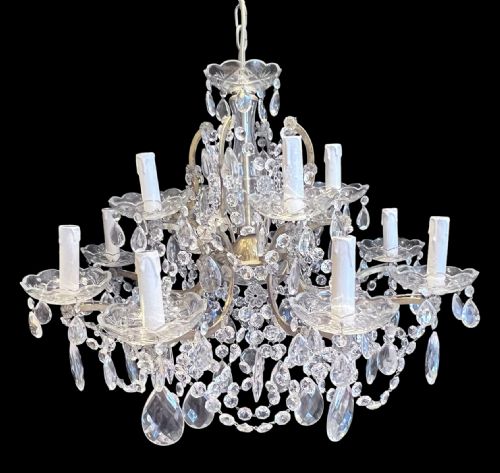
Traditional Hanging Light
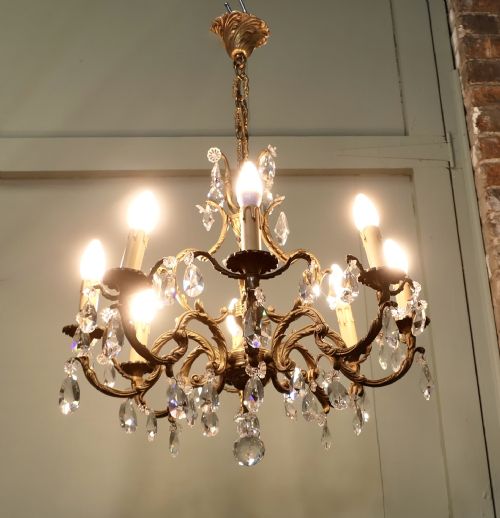
A traditional hanging light fixes the focal point of a room, casting warm illumination from brass, bronze, and glass fittings.
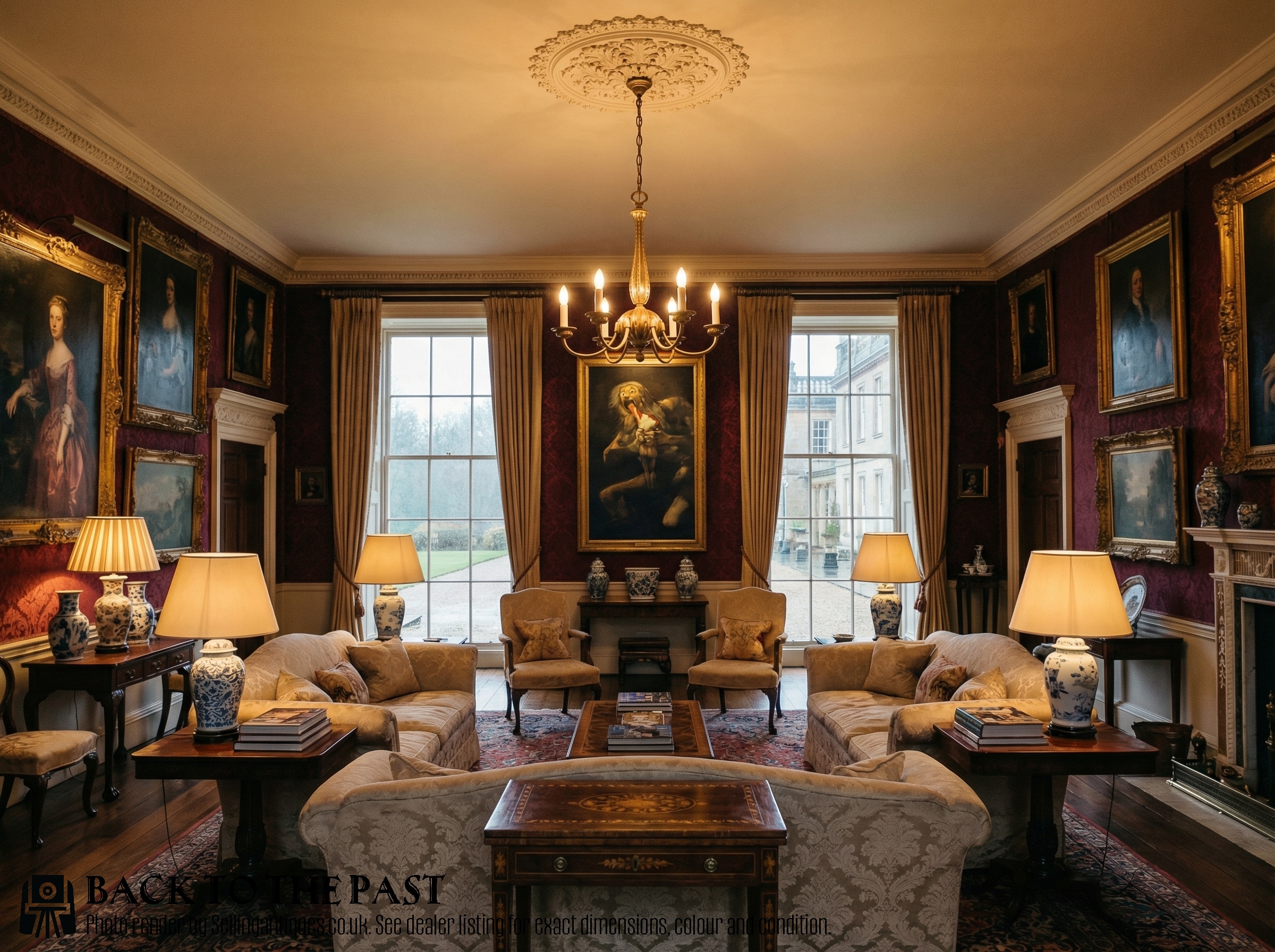
Traditional Hanging Light
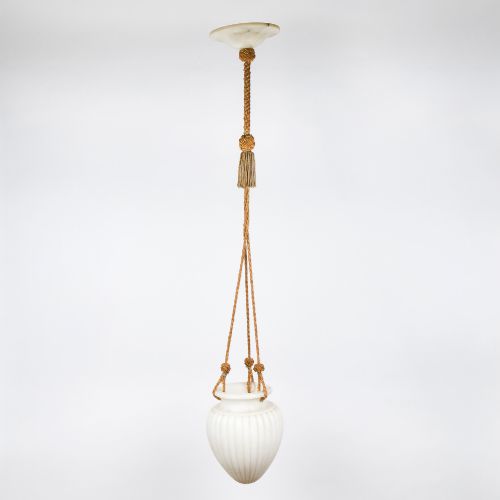
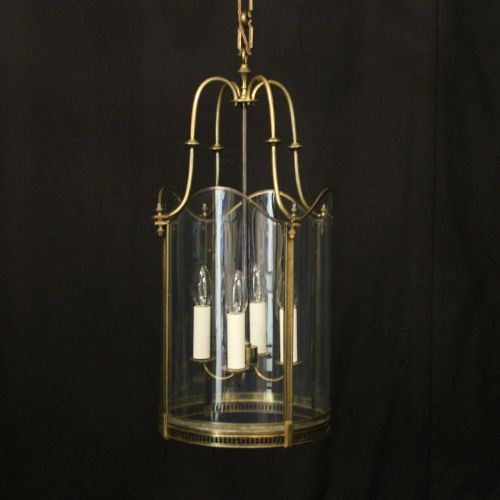
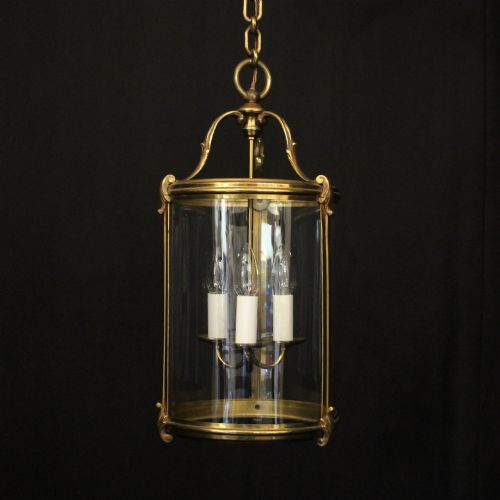
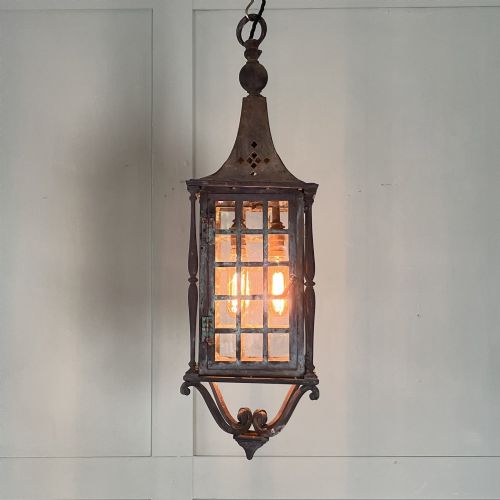
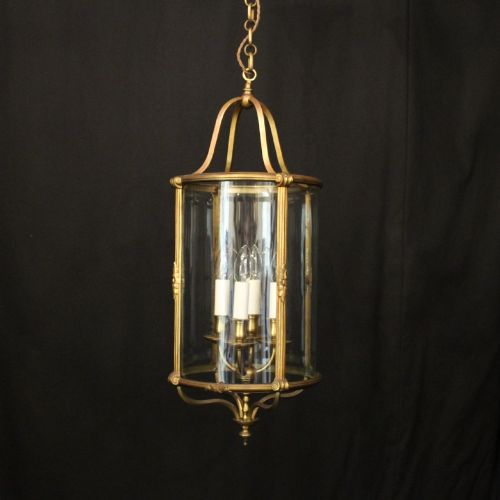
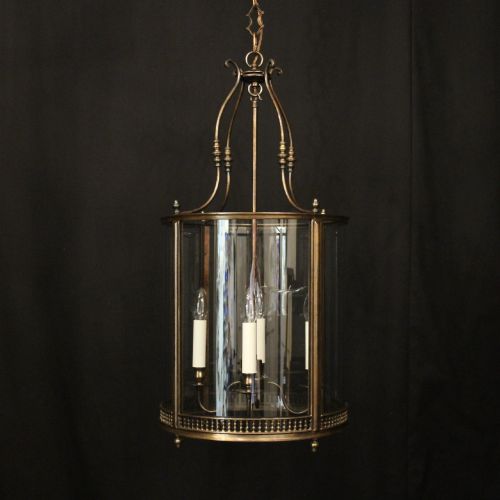
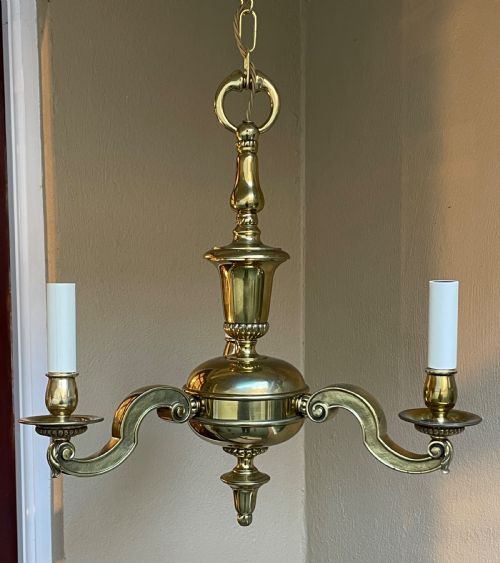
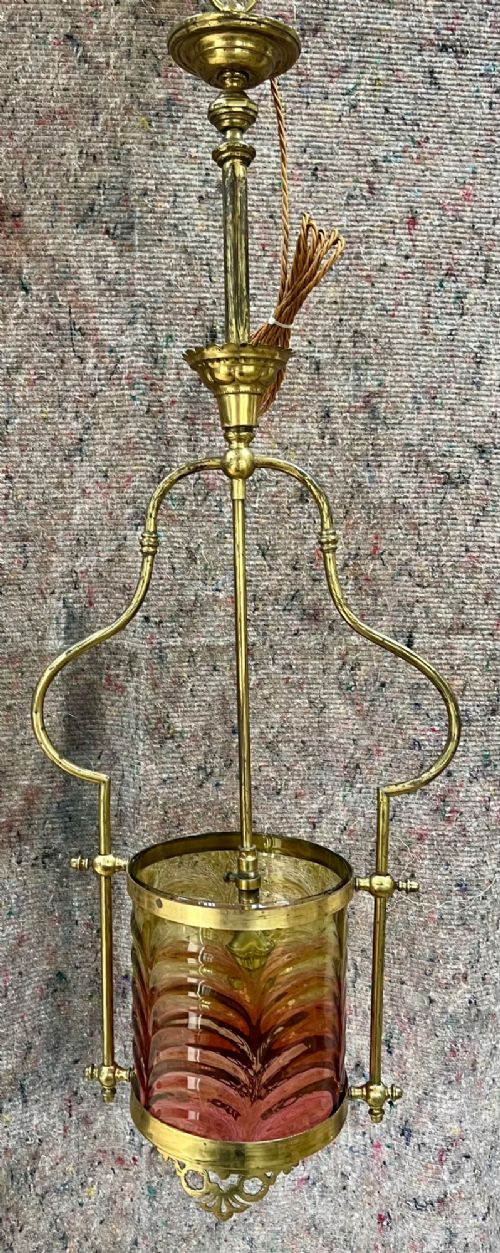
A traditional hanging light encompasses multi-arm chandeliers, hall lanterns, and ceiling lights designed to suspend from the ceiling. These fixtures illuminate entryways, hallways, and principal rooms with period character.
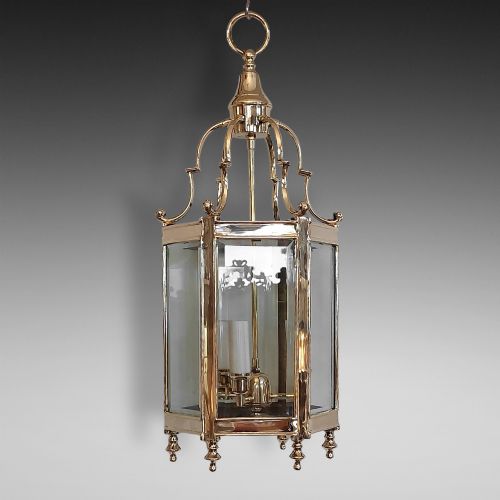
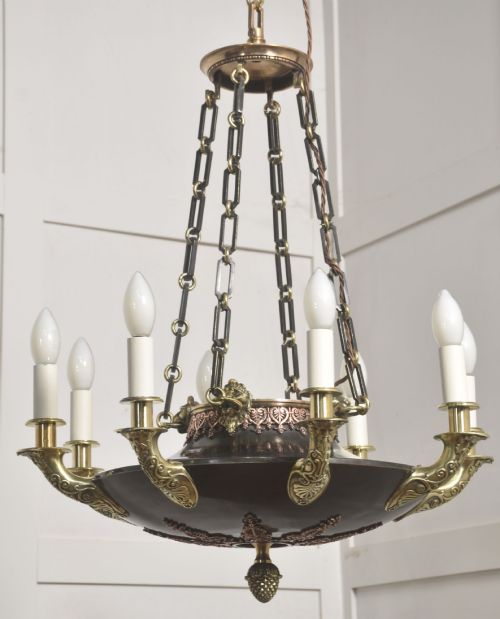
The selections on this page lean heavily towards early twentieth-century and nineteenth-century forms, spanning Edwardian, Victorian, and French Chateau styles. Buyers will frequently encounter hexagonal brass lanterns and multi-light bronze chandeliers among the available inventory.
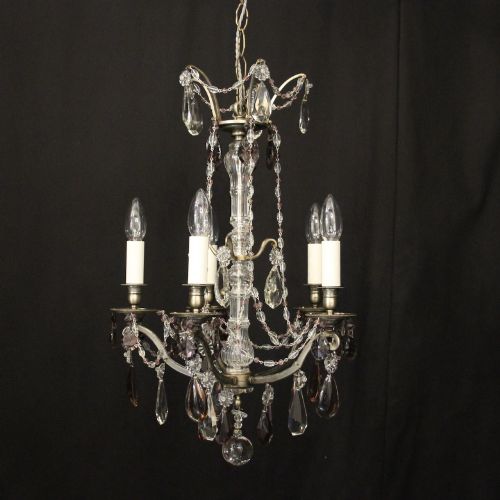
Makers and designers from the nineteenth and early twentieth centuries utilised varied structural shapes, including convex glass panels and faceted crystal lustres. These objects range from restrained Arts and Crafts designs to ornate French Rococo creations.
How traditional hanging light pieces were made
Craftsmen built these fixtures primarily using cast and forged metals such as brass, bronze, wrought iron, and gilt brass. These durable frames support glazed panels, hand-blown glass, and leaded crystal elements.
Makers applied surface treatments including gilding, silver gilding, and gesso on giltwood to enrich the metallic components. Glass elements were hand-blown or cut, featuring specialised details like bullseye roundels and crystal teardrops.
Traditional Hanging Light Retail Price Guide 2026
Typical asking prices for traditional hanging light among the pieces listed under this phrase on Sellingantiques today, from the lower quarter to the upper quarter. They describe what is for sale here now, not the wider market.
Some lanterns feature hand-blown bullseye glass, originally designed to distort candle flame patterns into cheerful pools of patterned light.
What varies in quality
Quality rests in the weight of the cast metal and the precision of the assembly, distinguishing heavy structural bronze and cast brass from lighter stamped alternatives. Superior examples show crisp casting detail in foliate mounts and decorative frames.
The grade of the glass and crystal components creates a distinct tier in the range. Hand-blown bullseye glass, heavy cut glass acorns, and unblemished crystal lustres reflect light with greater clarity than ordinary pressed glass.
The Traditional Hanging Light Glossary
- Chandelier
- A branched hanging light fixture designed to hold multiple lamps or candles. These branching forms often incorporate crystal lustres or decorative arms.
- Hall lantern
- An enclosed hanging light, frequently hexagonal or convex in shape, designed for entryways and narrow passages. They utilise glazed panels to protect the internal light source.
- Plafonnier
- A ceiling-mounted or close-hanging light fixture with a bowl-shaped glass shade. They sit flush or very near to the ceiling surface.
- Crystal lustre
- A cut glass pendant or drop hung from a chandelier to refract light. These ornaments are pinned to the metal framework.
- Gilt bronze
- Bronze metal treated with a thin layer of gold or gold-coloured alloy. This technique provides a durable, lustrous surface finish.
Traditional Hanging Light: Frequently Asked Questions
How do I hang a heavy brass chandelier?
Heavy chandeliers require direct ceiling joist support or a rated ceiling hook capable of holding the substantial weight of cast metal and crystal. Professional installation ensures the electrical wiring and suspension chains safely carry the load.
Position the fixture at a height that clears head traffic while anchoring the visual space of the room. Hall lanterns and pendant lights need careful height adjustment to balance proportion in corridors and stairwells.
How do I clean antique glass and crystal?
Dust crystal lustres and glass panels gently with a soft, lint-free cloth to remove surface particles. Avoid harsh chemical cleaners that can damage historic metal finishes or gilding.
For deeper cleaning, remove detachable crystal drops and wash them in warm, soapy water before drying thoroughly. Leave fixed electrical components strictly to dry dusting or specialised surface wiping.
How do I identify an Edwardian hanging light?
Edwardian hanging lights often display lighter brass framing, clean geometric lines, and restrained classical revival motifs. They reflect the shift away from heavy Victorian ornamentation toward brighter, simpler forms around the start of the twentieth century.
Look for hexagonal brass lanterns and pendant configurations dating from this period. Hallmarks of the era include polished brass surfaces and clear bevelled glass panels.