


Ornate Glass Chandelier
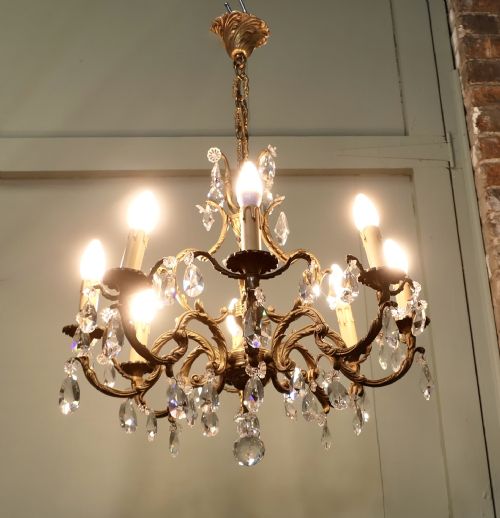
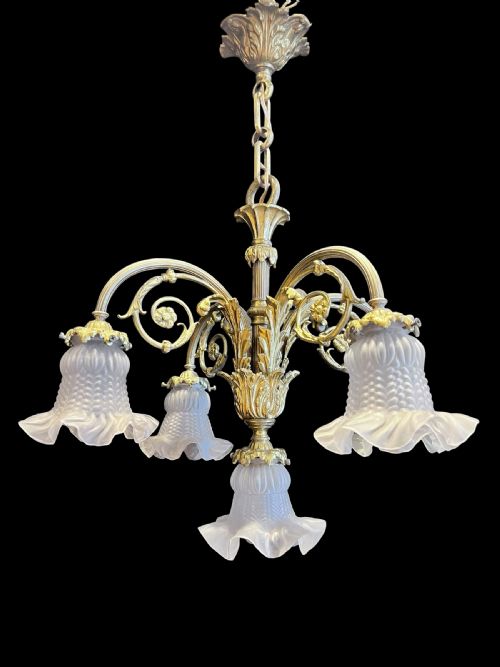
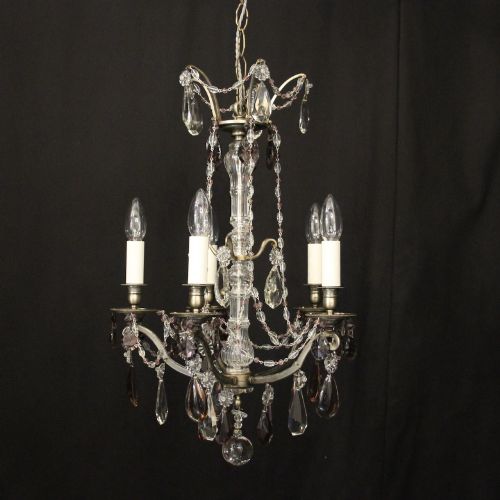
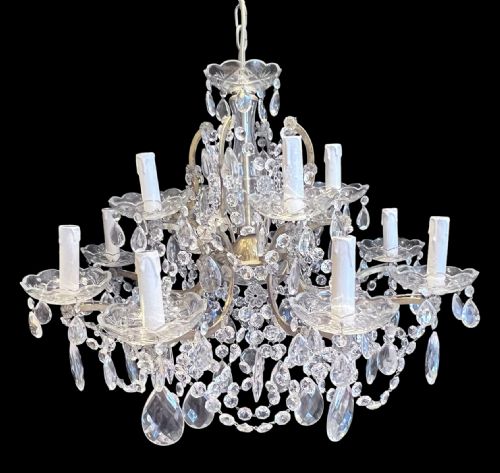
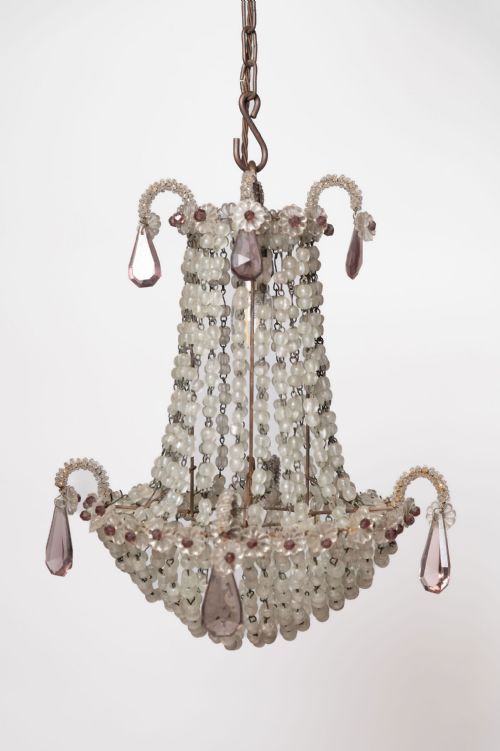
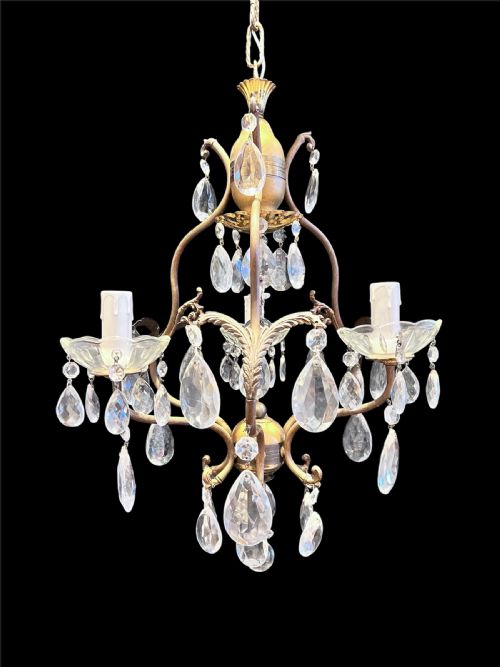
An ornate glass chandelier brings dramatic focal illumination and refracted light to a room, drawing the eye upwards with intricate hanging drops and structured metal frames.
Ornate Glass Chandelier
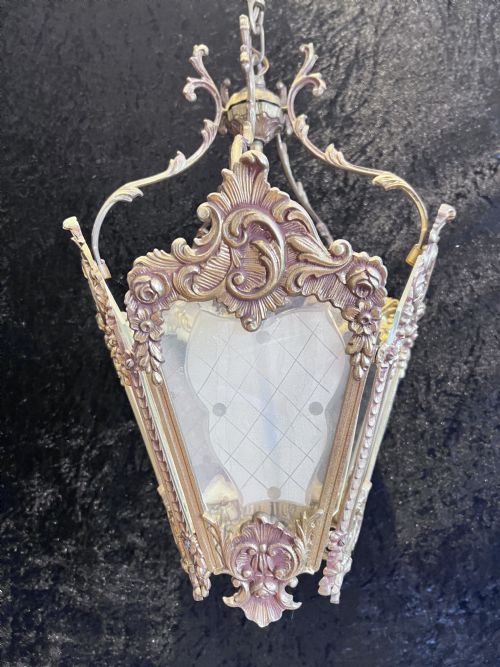
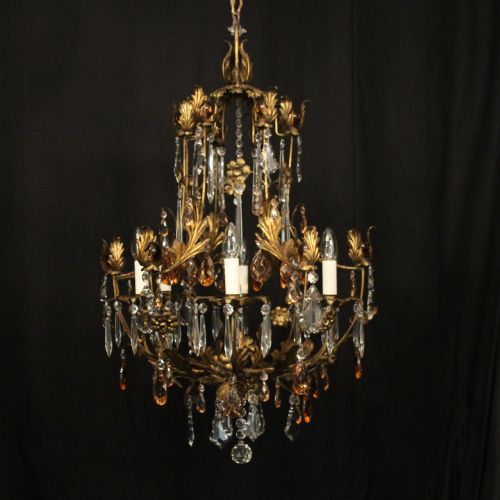
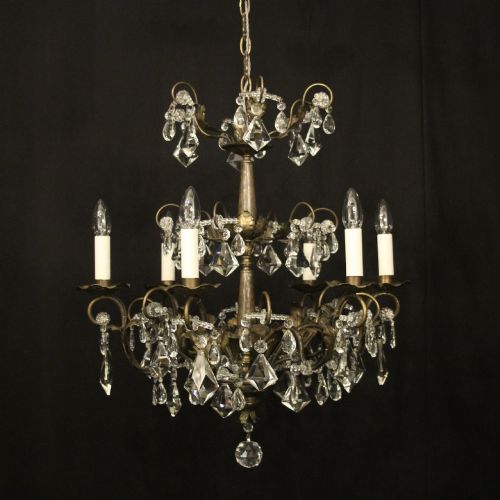
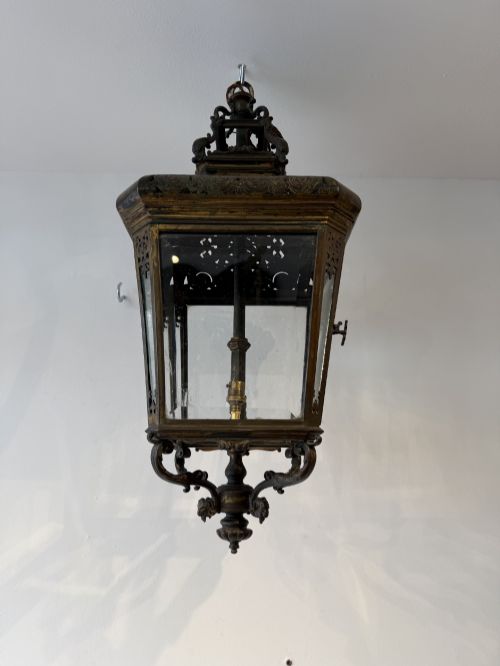
An ornate glass chandelier provides layered ceiling illumination while serving as a commanding architectural centrepiece in principal rooms. These suspended light fixtures arrive in diverse formats, from sprawling multi-branch fixtures to focused hall lanterns, spanning the nineteenth and early twentieth centuries.
French and Italian designs dominate the selection, heavily influenced by regional aesthetics such as French Rococo, Italian Florentine, and Venetian traditions. Examples range from modest single-light pendants to grand twelve-light and sixteen-light configurations hung with crystal lustres.
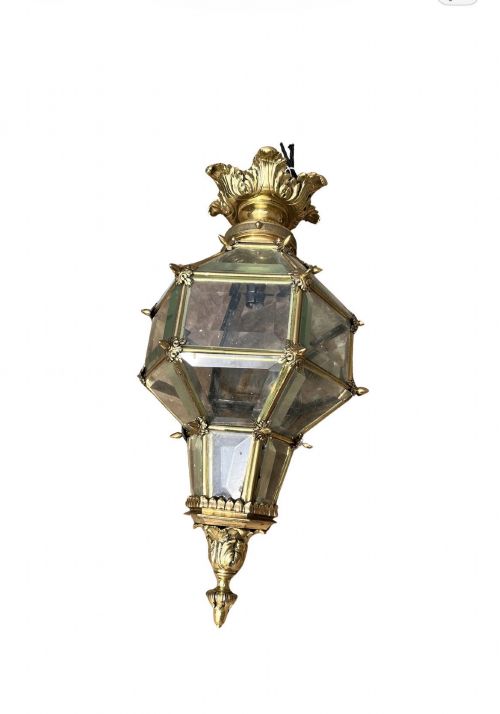
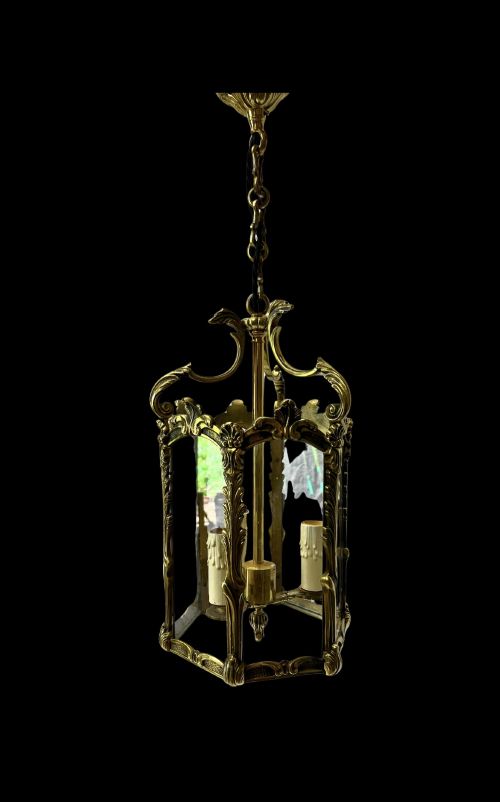
The materials and construction reflect distinct periods, encompassing Edwardian interpretations, 19th-century bronze frames, and later brass structures. Buyers encounter everything from drop-swag chandeliers to hexagonal hall lanterns, each displaying characteristic period mounting and suspension hardware.
Assessing Quality and Execution
The refinement of the cast metalwork distinguishes superior pieces from simpler utilitarian production. Finely chased bronze, intricate gilt brass mountings, and substantial structural weight indicate higher workshop standards.
The cut and clarity of the glass elements dictate the visual brilliance of the fixture. Dense, precise cutting on crystal lustres and swags produces sharper light refraction compared to plain moulded glass.
Period styles span Edwardian production, 19th-century French Empire designs, and Italian Neoclassical and Florentine traditions.
The Ornate Glass Chandelier Glossary
- Crystal
- High-clarity lead glass utilised in chandeliers for its superior light refraction and brilliant sparkle. It is shaped into drops, swags, and lustres.
- Ormolu
- Finely ground high-carat gold applied in a mercury amalgam to bronze metalwork. This technique imparts a rich golden lustre to antique frames.
- Lustre
- A cut-glass pendant suspended from the arms or crown of a chandelier. Lustres multiply the illumination by catching and scattering light.
- Hall Lantern
- A smaller, enclosed hanging light fixture designed specifically for entranceways and corridors. They frequently utilise glass panes held within a metal frame.
- Plaffonier
- A ceiling-mounted light fixture that sits relatively flat against the ceiling surface. These pieces direct illumination downwards into the room.
Ornate Glass Chandelier: Frequently Asked Questions
How do I choose the right size chandelier?
Consider the dimensions of the room and the height of the ceiling to ensure the fixture is balanced. Larger multi-branch pieces require ample clearance and floor space to avoid overwhelming the interior.
Smaller single-light lanterns or compact pendants suit hallways and intimate spaces where expansive drop fixtures would hang too low.
Can these antique chandeliers be wired for modern electricity?
Many surviving fixtures have already undergone electrification during their history to accommodate contemporary wiring standards. It is advisable to inspect the internal wiring and consult a qualified electrician prior to installation.
Original lamp holders and candle tubes may require gentle adaptation to meet current safety regulations while preserving the exterior aesthetic.
How do I clean and maintain a glass chandelier?
Routine maintenance involves careful dusting with a soft ostrich feather duster to prevent grime accumulation on the glass drops and metal arms. For a deeper clean, remove detachable crystal lustres and wash them individually in warm soapy water.
Avoid spraying cleaning solutions directly onto the fixture, as moisture can damage aged metal finishes and electrical components.
What is the difference between a chandelier and a hall lantern?
Chandeliers typically feature branching arms designed to hold multiple exposed bulbs or candles radiating outward from a central column. They are intended as primary light sources for large reception rooms.
Hall lanterns enclose the light source within glazed panels fitted inside a structured metal frame, projecting a contained downward illumination suited for transitional spaces.