




Ormolu Ceiling Fixture
An ormolu ceiling fixture brings warm metallic brilliance and structured illumination to a room, offering the enduring decorative presence of French period lighting.
Ormolu Ceiling Fixture
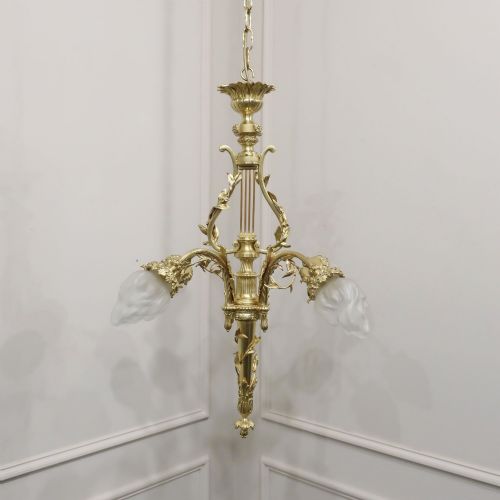
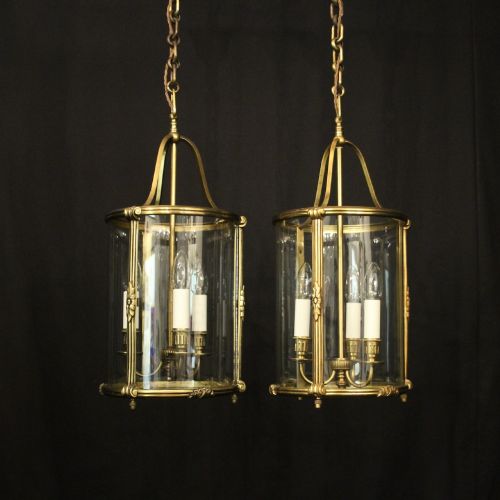
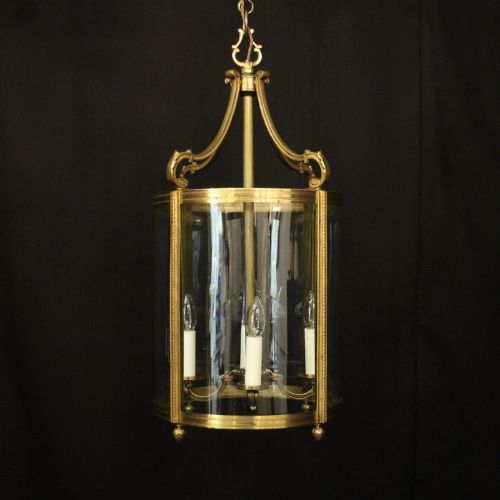
When you search for an ormolu ceiling fixture, you examine hanging light fittings produced primarily during the nineteenth and early twentieth centuries. These pieces originate predominantly from French workshops and span varied formats from multi-light chandeliers to hall lanterns and plafonniers.
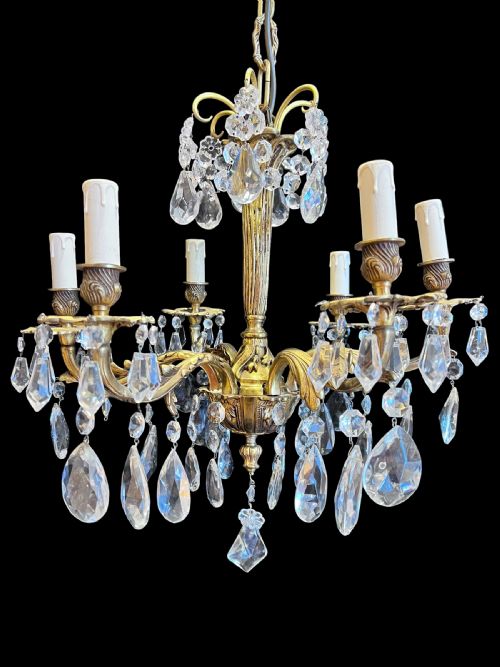
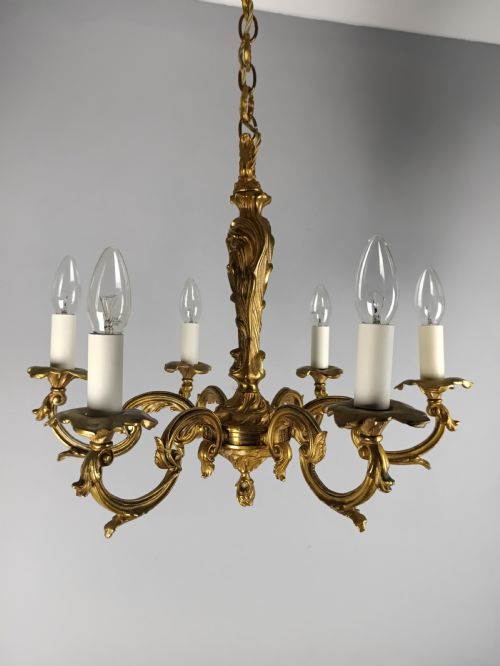
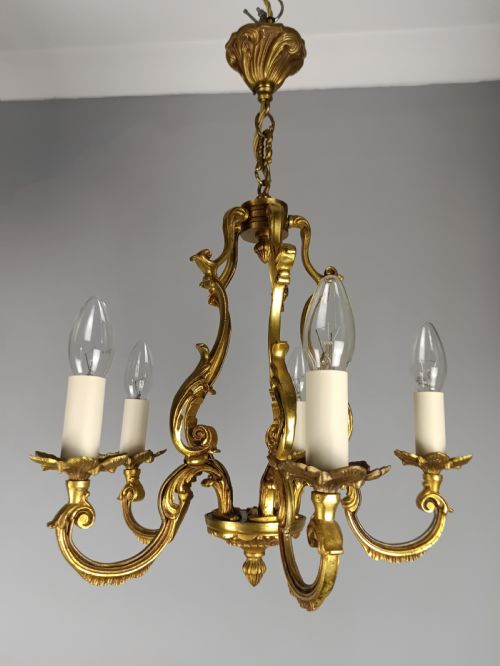
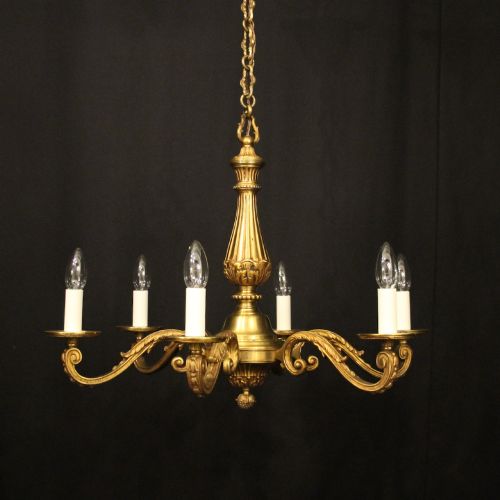
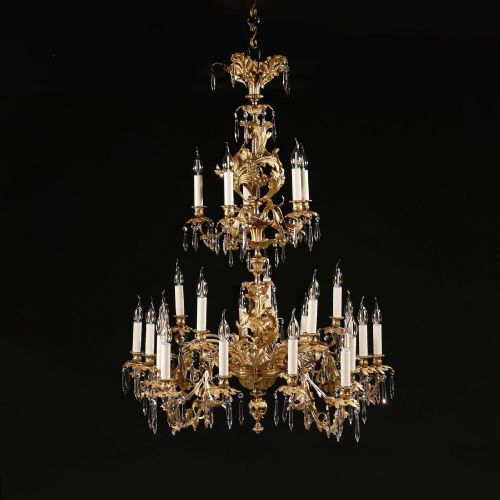
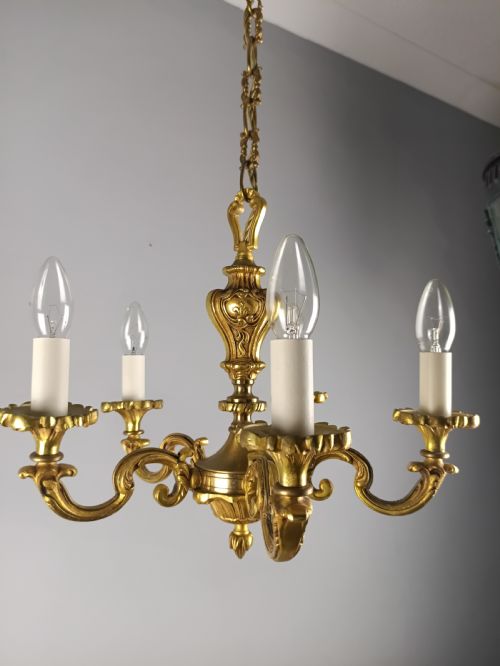
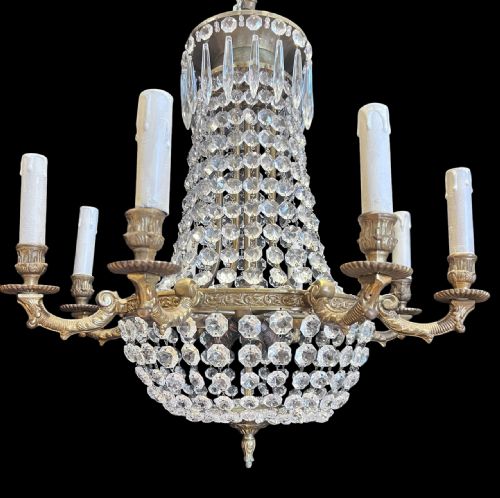
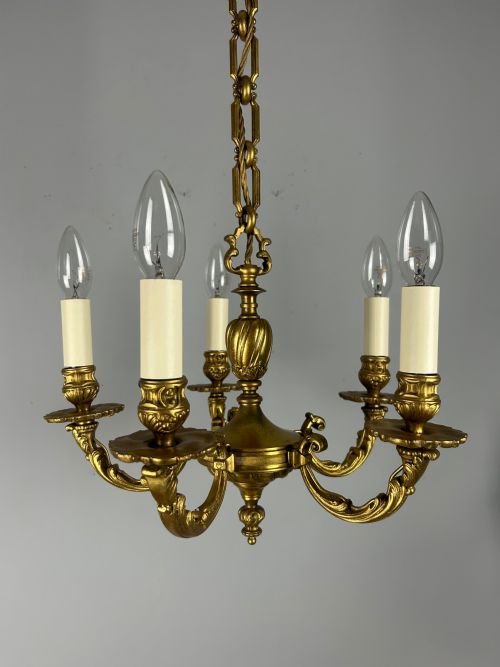
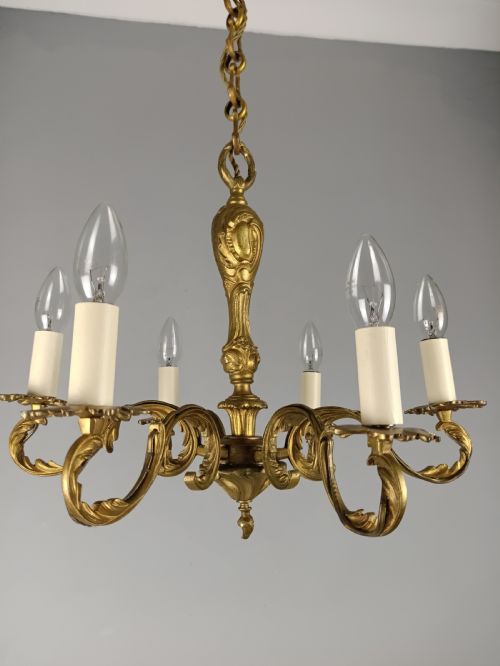
The most common examples on this page are multi-armed chandeliers and crystal-adorned cage fittings dating from the decades around nineteen hundred. They reflect classical, rococo, and empire design vocabularies shaped by European decorative traditions.
Materials and construction methods
Maker workshops cast mounts and frames in bronze or brass before applying surface gilding or mercuric ormolu finishes. These metallic structures are frequently paired with cut glass drops, crystals, and blown glass components to refract the illumination from multiple candle arms or electric bulbs.
Assembly relies on threaded bolts, pins, and internal frames that support heavy tiers of metalwork and glass pendants. Skilled artisans chased the cast bronze surfaces by hand to sharpen floral, scroll, and classical motifs before assembly.
Materials documented across the inventory include gilt bronze, brass, crystal, cut glass, and ormolu applied to various ceiling light formats.
Evaluating quality and execution
Quality depends upon the crispness of the bronze casting and the depth of the hand-chasing applied to the metal surface. Superior examples exhibit sharply defined ornament, harmonious proportions across multiple tiers, and heavy gauge metal components that maintain structural rigidity.
The integration of glass elements also differentiates examples, with hand-cut crystal prisms displaying clean facets and substantial weight compared to lighter pressed glass alternatives. The retention of original gilding quality preserves the intended visual warmth of the fixture.
The Ormolu Ceiling Fixture Glossary
- Ormolu
- Gilded bronze produced through a mercury amalgamation process or modern electroplating methods. It provides a durable golden surface layer on decorative metal fittings.
- Plaffonier
- A ceiling-mounted light fixture that sits flush or close to the ceiling surface rather than hanging on a long chain. These fittings suit rooms with lower ceiling heights.
- Chasing
- The manual tooling of cast metal with small punches and chisels to refine surface details and textures. This process adds depth and clarity to decorative motifs.
- Cage chandelier
- A lighting form featuring an internal metal frame enclosed by glass beads, drops, and crystal strands. The structure resembles an open framework draped with cascading crystals.
- Colza
- A type of nineteenth-century lamp mechanism utilising colza oil derived from rapeseed. These fixtures often feature weighted containers and specialised burner assemblies.
Ormolu Ceiling Fixture: Frequently Asked Questions
How do I choose the right size fixture?
Consider the room dimensions and ceiling height to select an appropriate chandelier scale. Multi-tiered or large multi-light fixtures require adequate clearance beneath them to circulate freely.
Smaller hall lanterns and plafonniers suit compact spaces or transitional areas where hanging height is restricted by architecture.
Are these fixtures wired for modern electricity?
Most antique lighting pieces are adapted for contemporary electrical standards during their lifespan. Rewiring ensures safe operation within modern domestic settings.
Internal channels and candle sleeves accommodate wiring while preserving the external historic appearance of the metalwork.
How do I clean cut glass and ormolu?
Dust metal surfaces gently with a soft dry cloth to prevent accumulation. Avoid abrasive chemical cleaners that can strip historic gilding.
Crystal drops can be cleaned individually with mild soapy water and dried thoroughly before being reattached to the frame.
How do I identify a period style?
Examine the decorative motifs and structural silhouette of the metalwork. Rococo styles feature asymmetric scrolls and naturalistic floral forms, while Empire and Neoclassical pieces display symmetrical laurel wreaths, urns, and strict geometric proportions.
Edwardian and later twentieth-century iterations often blend these historical idioms into substantial multi-armed formats.