
Cast Bronze Light
Cast bronze light fixtures encompass centuries of metalwork, offering substantial weight and detailed casting for domestic illumination.
Cast Bronze Light
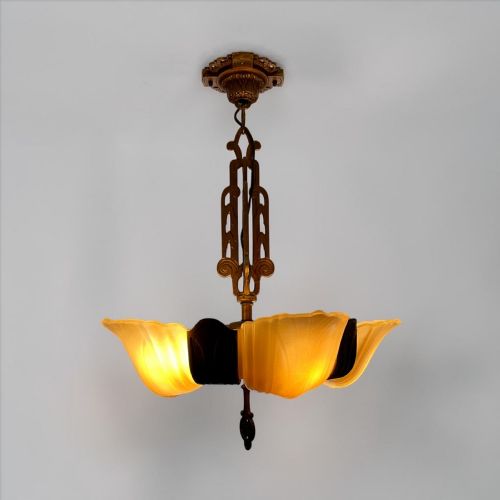
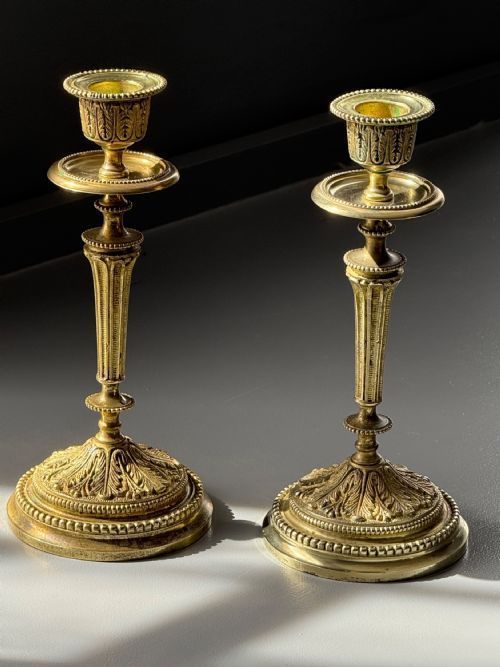
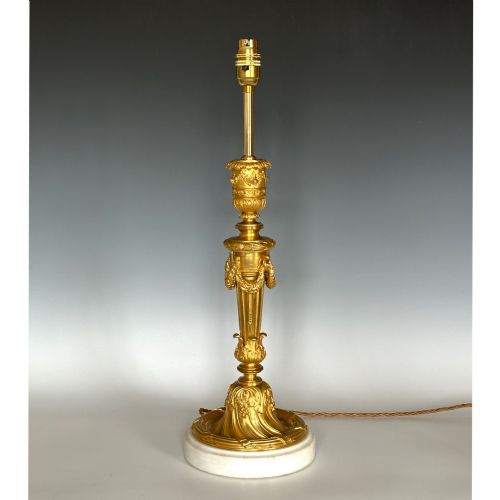
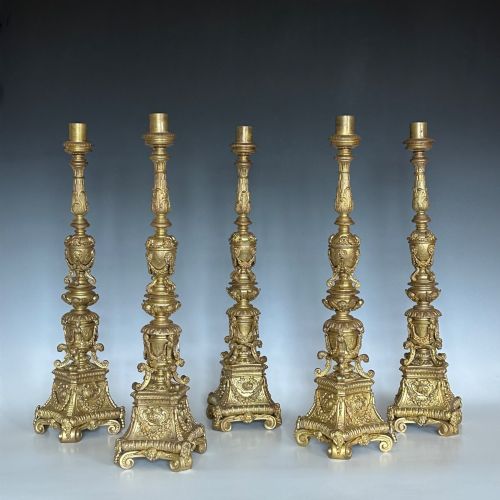
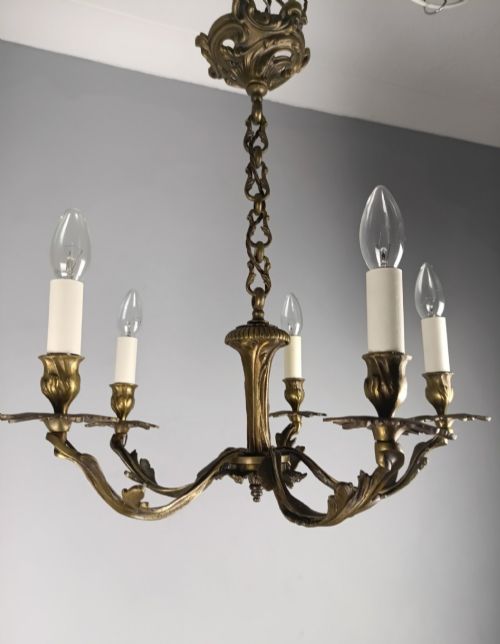
A cast bronze light brings substantial metalwork and historical styling into a room, serving functional illumination through centuries-old forms. When exploring this selection, buyers encounter everything from modest domestic candlesticks to large multi-armed chandeliers and floor lamps.
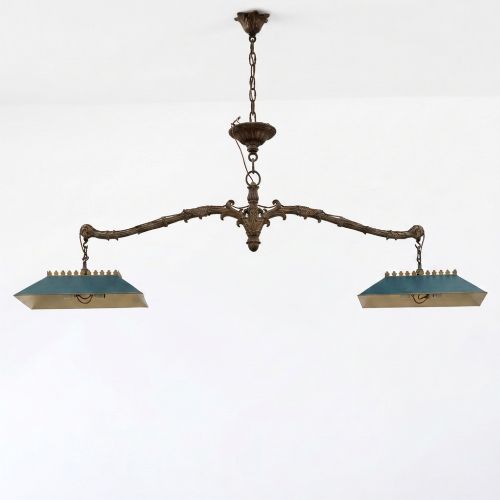
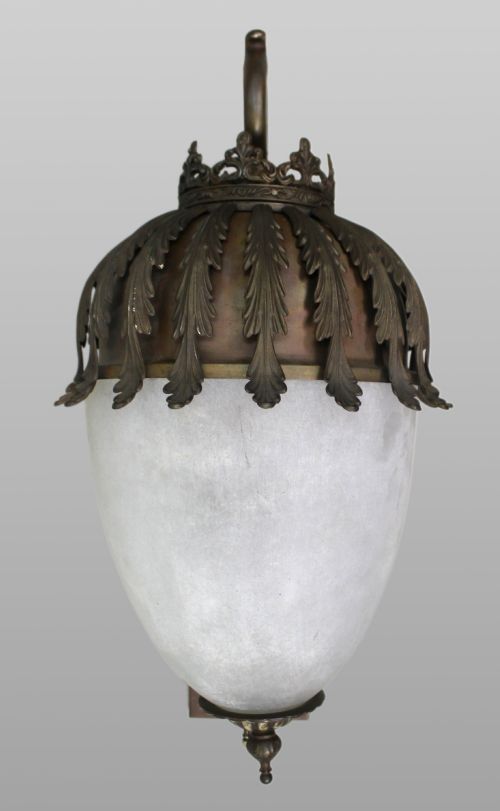
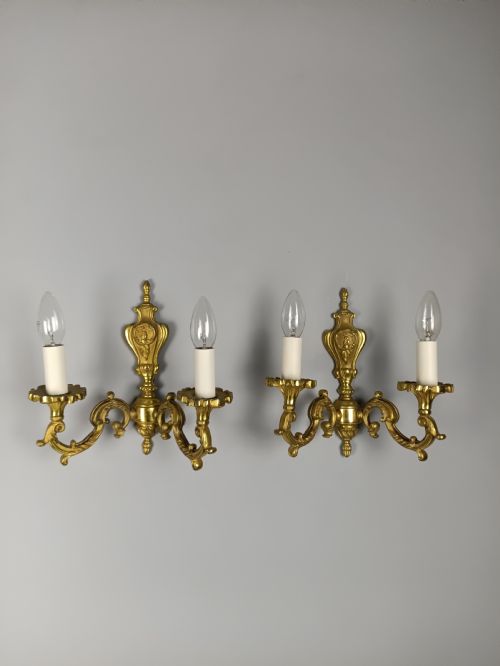
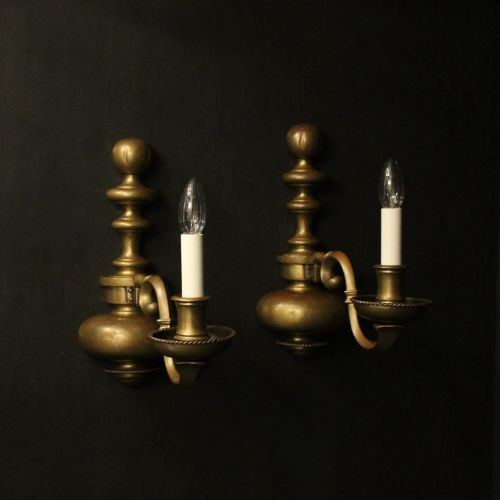
The objects span multiple centuries and stylistic revivals, including French Rococo, Louis XVI, Art Nouveau, and Japanese Meiji period metalwork. Table lamps, wall sconces, and hanging lanterns dominate the physical forms available.
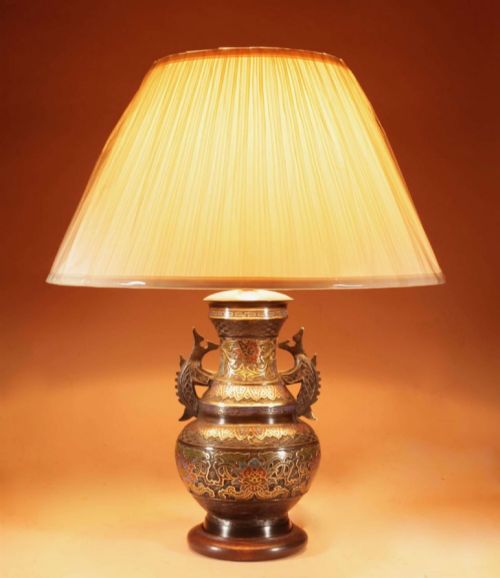
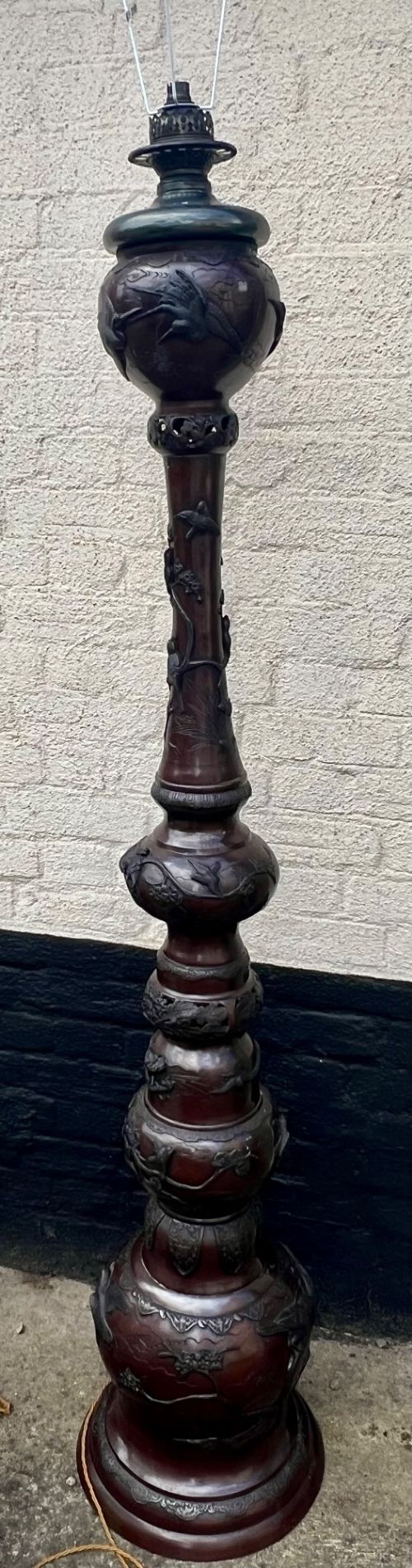
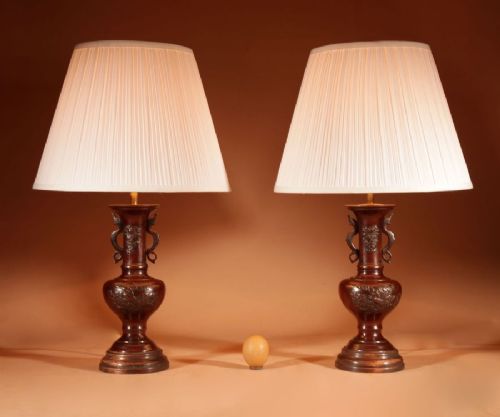
Meiji period Japanese bronze lamps frequently incorporate naturalistic motifs like elephants, dragons, and birds alongside elaborate lantern structures. European examples lean toward classical orders, French gilt bronze, and Gothic or Empire designs.
Materials and technique
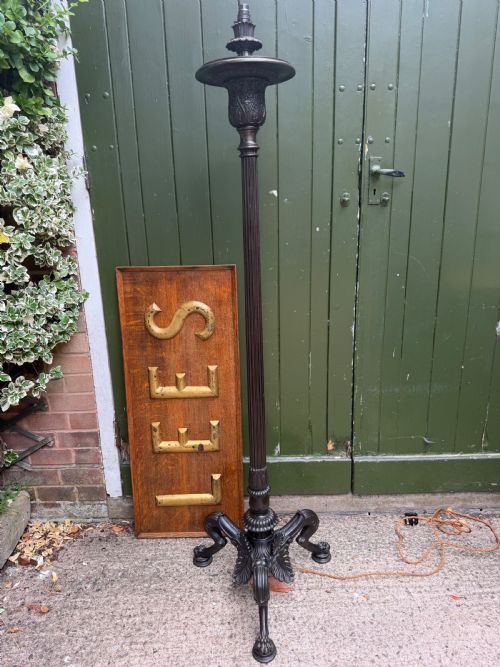
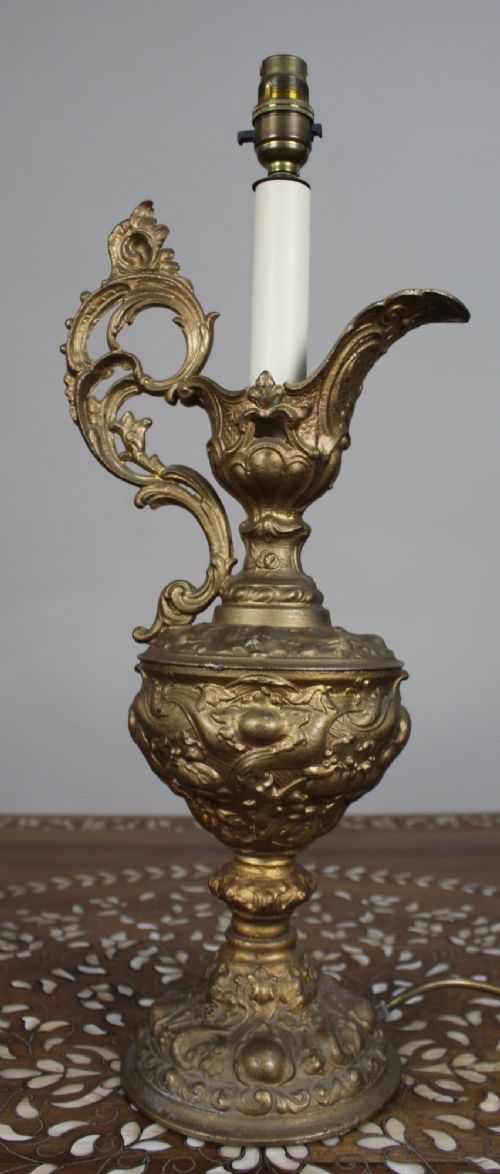
Makers utilised bronze, brass, and cast iron, often applying surface treatments such as gilt, ormolu, or dark patination to finish the metal. Components were cast using traditional methods, yielding heavy, durable structures designed to hold candles or electrical fittings.
Many items incorporate supplementary elements like marble bases, fabric shades, and glass panels or slip shades. Construction methods range from single-valve oil configurations to complex multi-armed chandeliers and wired table lamps.
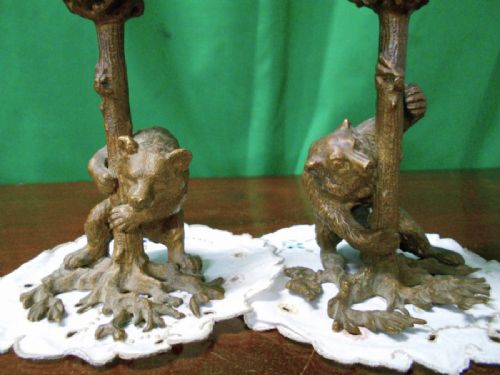
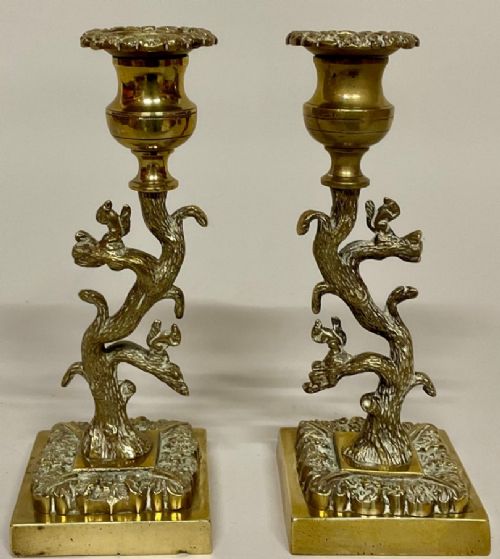
Squirrels clamber up tree-form candlesticks while bronze bears and elephants double as domestic illumination.
Quality differences
The precision of the metal casting dictates the crispness of decorative details, separating finely chased foliage and sculptural figures from softer, simpler production. Heavier metal gauge and intricate hand-finishing on surface patination or gilding indicate higher workshop standards.
The integrity of the original form, whether a sculptural animal base or a multi-light chandelier, determines how successfully the piece retains its intended decorative impact.
L & F Moreau·F & C Osler
The Cast Bronze Light Glossary
- Ormolu
- Gilded bronze, where a layer of gold amalgam is applied to a bronze base through heat processing. This technique creates a durable golden finish seen frequently on French decorative pieces.
- Girandole
- A branched wall sconce or candlestick featuring a mirrored backplate to multiply the illumination. These items often incorporate crystal drops or elaborate metalwork frames.
- Champlevé
- An enamelling technique where troughs are dug into the metal surface and filled with vitreous enamel before firing. This method creates colourful patterns across Japanese and European bronze bodies.
- Campana
- A vase-shaped candle socket resembling an inverted bell, commonly found on classical candlesticks. This form appears across various 18th and 19th-century lighting fixtures.
- Crusie lamp
- An early hanging or standing oil vessel made from metal, designed to burn animal fat or oil using a simple wick. These utilitarian pieces represent early domestic lighting technology.
Cast Bronze Light: Frequently Asked Questions
Are these lamps wired for modern use?
Many older table and floor lamps have been adapted for electricity at various points in their history. Buyers should inspect the wiring status of individual pieces before installation.
Lamps lacking modern electrical certification will require professional rewiring to meet current safety standards. Candlesticks and oil lamps generally remain un-wired unless specifically converted.
How do I date a bronze light?
Dating relies on stylistic clues, casting techniques, and material combinations typical of specific periods like the Meiji era or the Art Nouveau movement. Maker signatures or stamps, where present, help pinpoint origin and manufacture date.
Wear patterns and construction methods also offer clues to the age of the metalwork. Comparing form factors with documented historical examples confirms the likely era.
Can I use standard bulbs in antique lamps?
Bulb compatibility depends on the specific lamp holder fitted during any past electrical conversion. Many vintage fixtures accept standard modern bulbs, though some require specialist sizes or candle tubes.
Consulting a qualified electrician ensures the correct wattage and bulb type are used safely. This protects delicate internal wiring and older lamp sockets from damage.