



Baroque Pendant Fixture
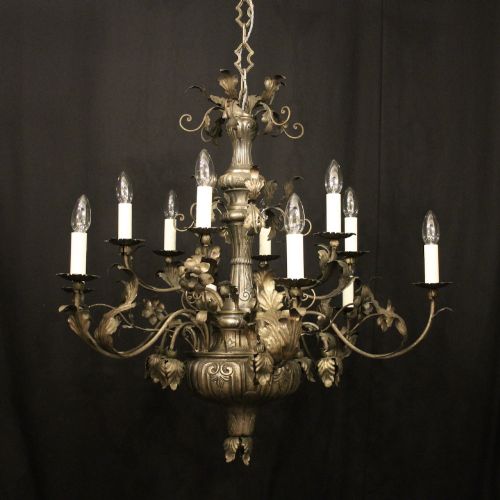
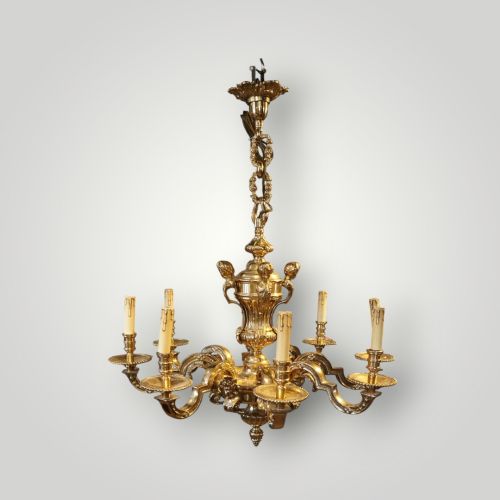
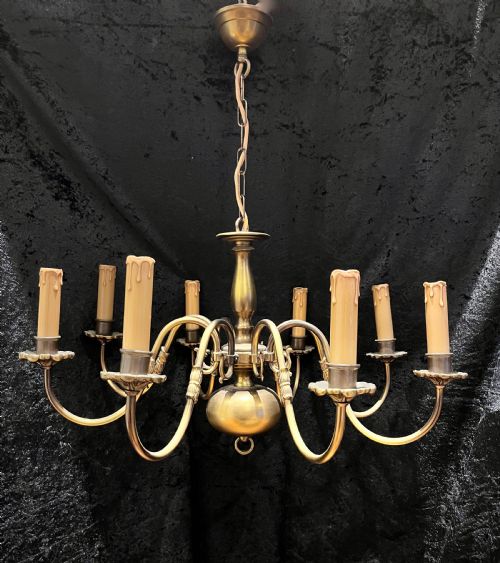
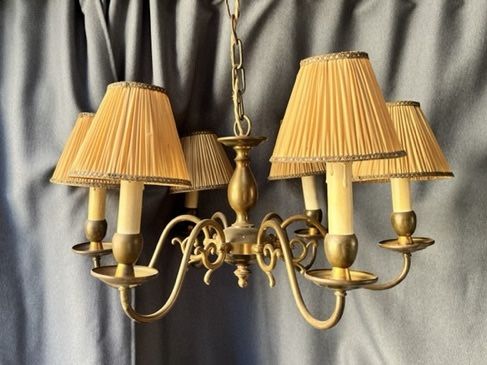
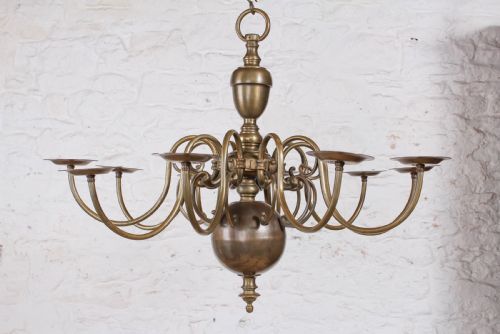
These heavy brass and bronze pieces are a baroque pendant fixture, hanging with multiple tiers and arms to command a high ceiling.
Baroque Pendant Fixture
A baroque pendant fixture is a substantial hanging light that brings dramatic presence to a room, drawing the eye upward with intricate metalwork and multiple candle arms. When searching for a baroque pendant fixture, buyers encounter grand multi-tiered chandeliers and hanging lanterns rooted in Italian and Dutch designs.
The pieces available trace their origins through revivals spanning the eighteenth century to the early twentieth century, alongside genuine eighteenth-century examples. Italian creations often incorporate carved giltwood or gilded bronze, while Dutch interpretations favour solid brass, copper, and sweeping multi-branch arrays.
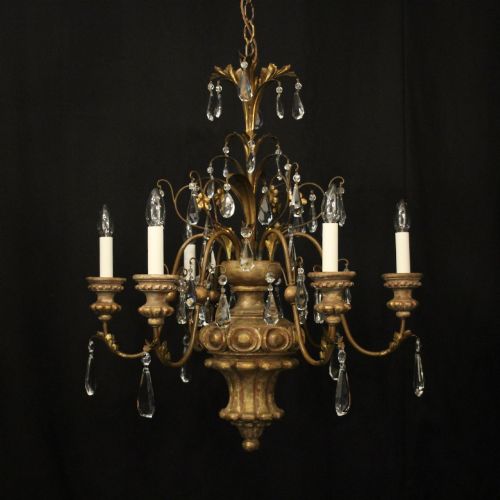
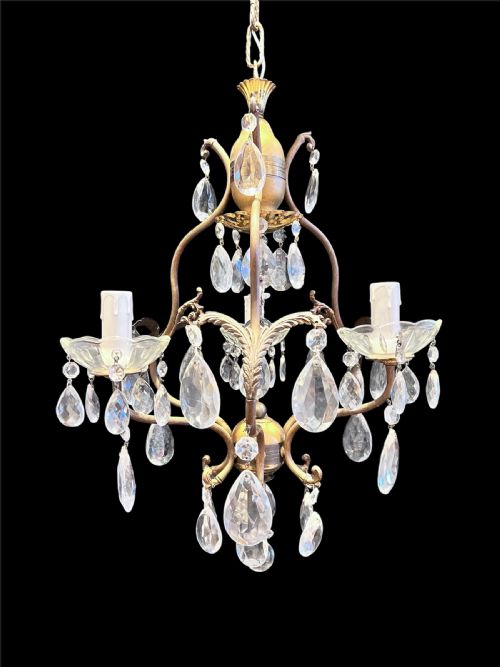
Most examples function as ceiling lights with six to eighteen branches, designed to illuminate large reception spaces or halls. The forms range from single-tier Dutch brass models to elaborate Italian Florentine and Genoa multi-light chandeliers dripping with crystal.
How they were made
Foundries cast heavy metals including bronze, brass, and iron to form the robust structural cores and scrolling arms of these fixtures. Artisans then chased and finished the metal surfaces by hand, applying layers of gold leaf, gilding, or silver plating to achieve opulent reflective qualities.
Glass and crystal elements were individually cut and hand-wired to the metal frames, catching candlelight or early electric bulbs. Master carvers shaped timber components for giltwood models, creating organic scrolls and acanthus motifs before applying gesso and gold leaf.
Listings feature pieces fashioned from brass, glass, iron, crystal, gilt metal, gilt bronze, gold leaf, and gilded metal across Edwardian and twentieth-century revivals.
What varies in quality
The refinement of the metal casting and the depth of the hand-chasing determine the artistic merit of the piece. Crisp, deeply carved foliage and well-defined human or animal motifs separate superior examples from softer, mass-produced castings.
The integrity of the original gilding or silver plating contributes significantly to the visual weight and historical value of the fixture. Heavy gauge bronze and substantial solid brass structures provide structural stability and longevity compared to lighter alloy alternatives.
The Baroque Pendant Fixture Glossary
- Chandelier
- A branched ornamental light fixture designed to be suspended from a ceiling. These pieces hold multiple candles or bulbs across one or more tiers.
- Giltwood
- Timber that has been coated with a thin layer of gold leaf or gold paint. This technique creates a radiant, opulent surface favoured in Italian decorative arts.
- Tier
- A single horizontal level of arms or lights arranged on a hanging fixture. Double-tiered examples feature upper and lower rows of branches for enhanced illumination.
- Branch
- An individual arm extending from the central shaft of a light fixture to hold a candle or light source. Larger fixtures support up to eighteen of these projecting arms.
- Hanging lantern
- An enclosed pendant light suspended by a chain or bracket rather than branching arms. These items often feature glazed panels and ornate metal mounts.
Baroque Pendant Fixture: Frequently Asked Questions
Where should I place a large multi-tier pendant?
Grand multi-branched fixtures suit high ceilings in entrance halls, formal dining rooms, or drawing rooms where they can hang without obstructing movement below. Ensure adequate clearance is left beneath the lowest tier for walking.
The scale of the room dictates the size; a twelve or eighteen-light fixture demands a substantial space to balance its visual impact.
How do I tell Italian baroque from Dutch styles?
Italian designs frequently showcase carved giltwood, gilded bronze, and flowing organic forms adorned with crystal. They lean towards theatrical luxury and decorative carving.
Dutch examples typically prioritise solid brass, copper, and functional multi-branch symmetry with clean, robust metalwork rather than extensive wood carving.
How should I clean gilded metal and crystal?
Dust surfaces gently with a soft dry feather duster or microfiber cloth to prevent abrasion. Avoid harsh chemical cleaners that strip delicate gold leaf or vintage gilding.
Crystal drops can be wiped individually with a mild soapy solution and dried immediately to restore their sparkle without damaging the surrounding wirework.