
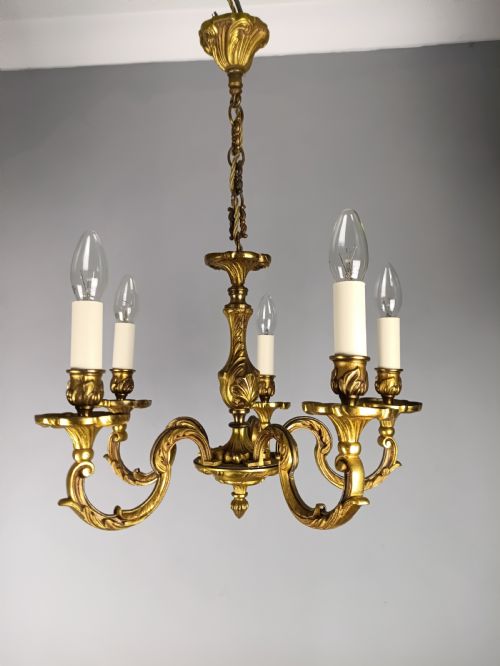
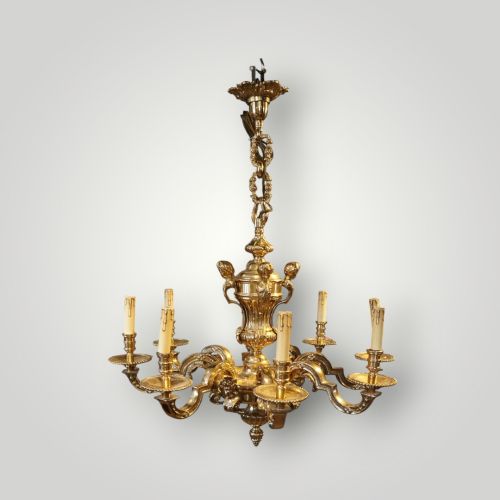
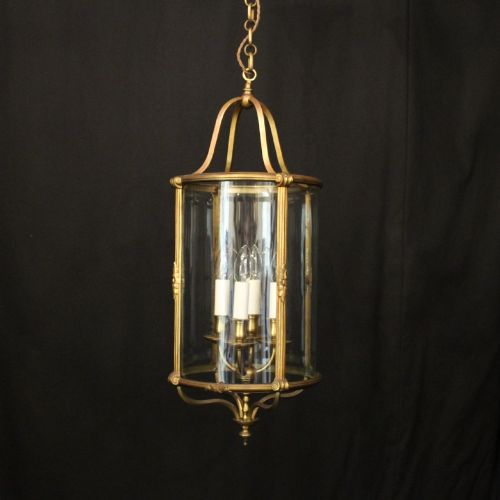
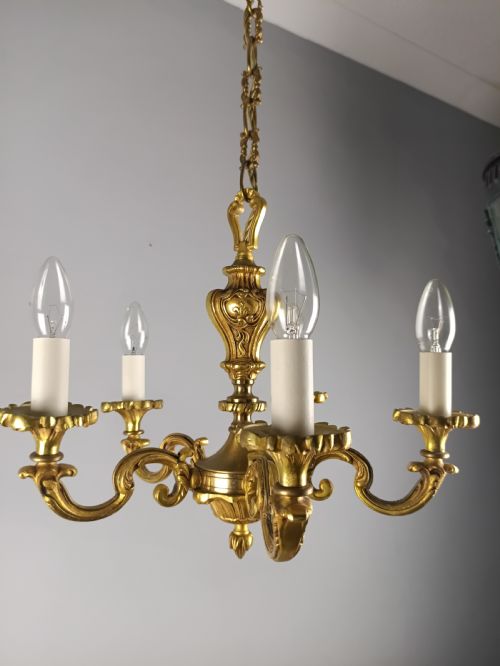
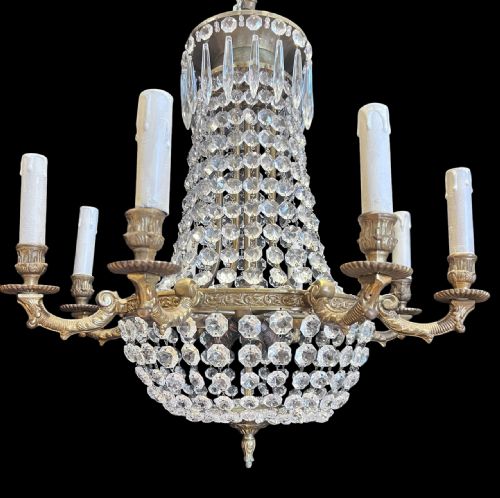
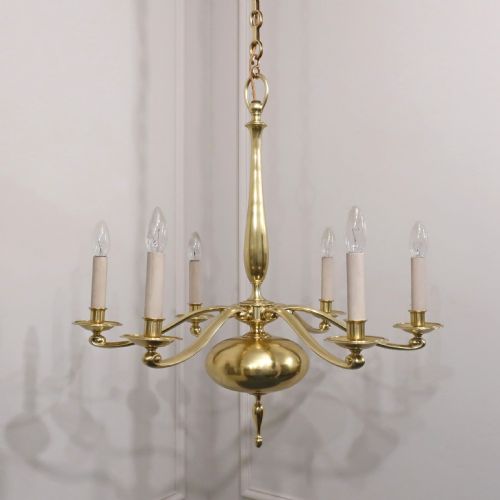
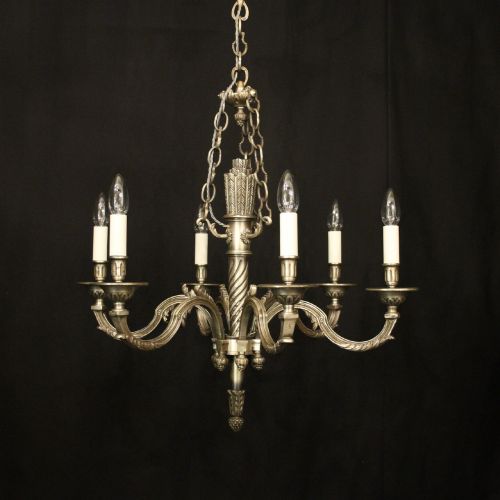
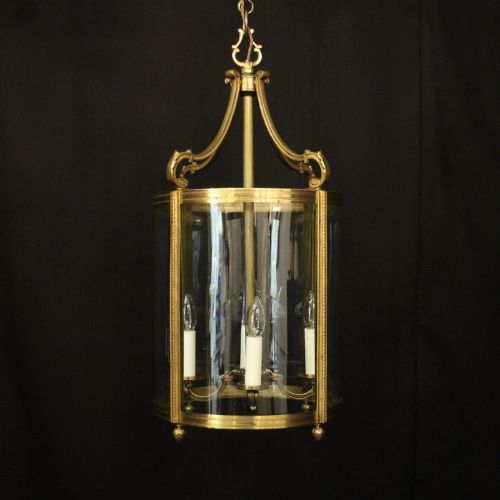


Classic Bronze Chandelier
A classic bronze chandelier brings warmth and grandeur to a room, cast in heavy metal and finished with gilt or crystal.
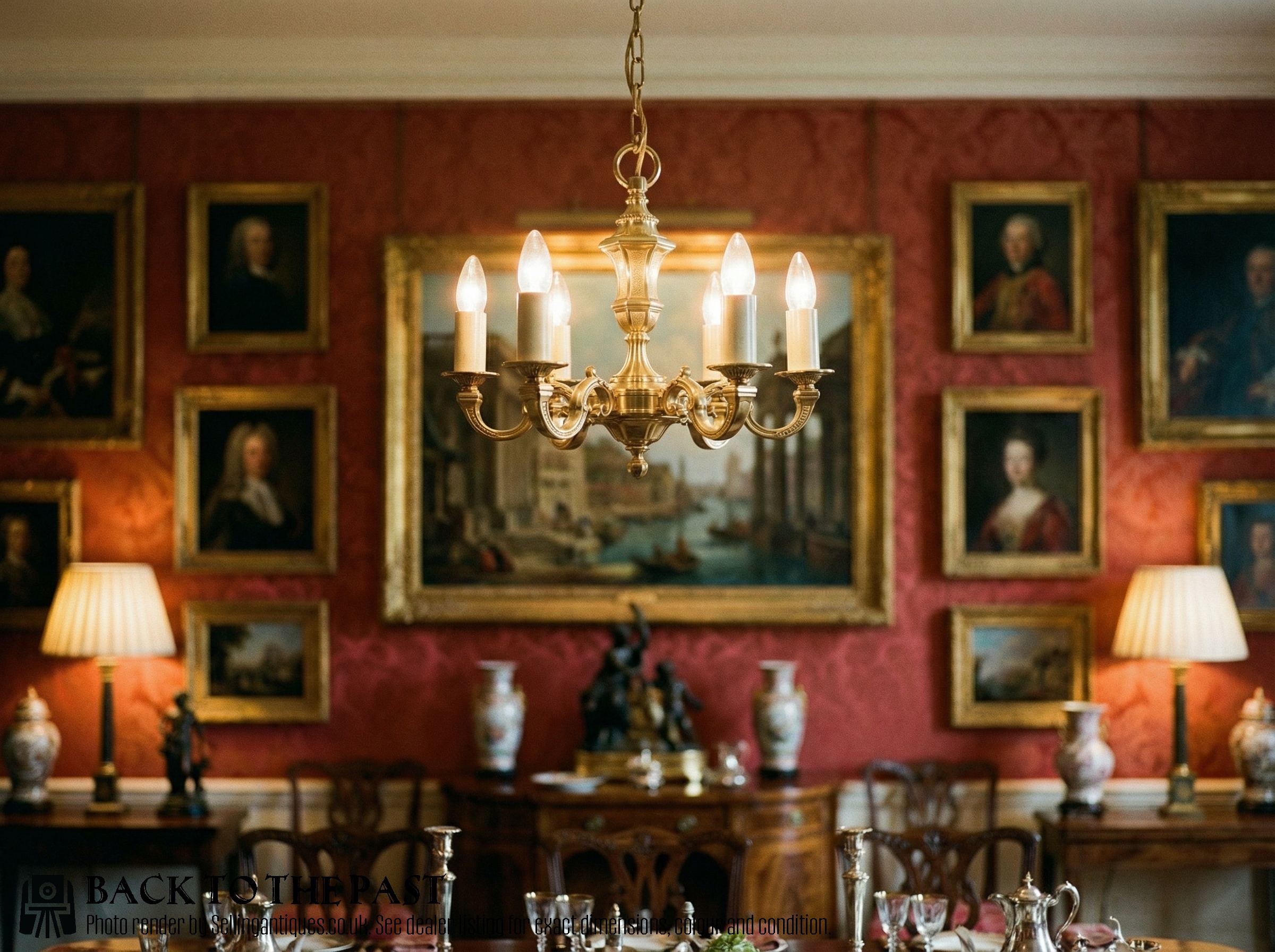
Classic Bronze Chandelier
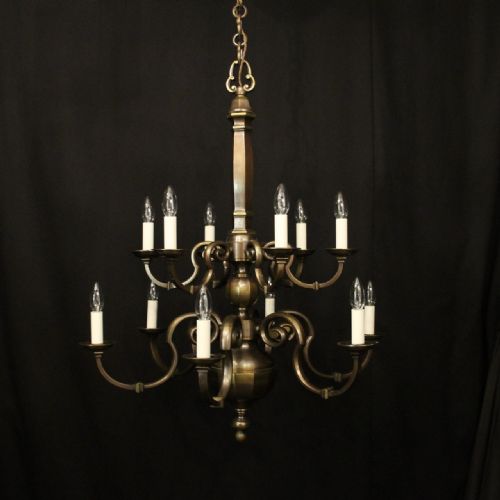
A classic bronze chandelier is a principal ceiling light designed to illuminate large spaces with multiple candle arms or electric lights. When you search for this phrase, you encounter substantial hanging fixtures spanning several decades from the nineteenth century into the twentieth.
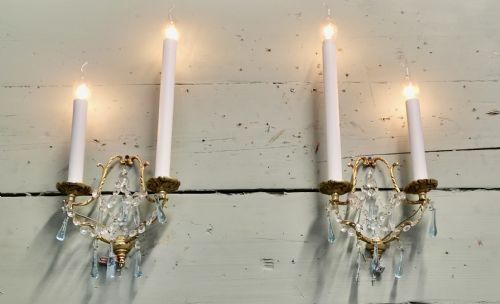
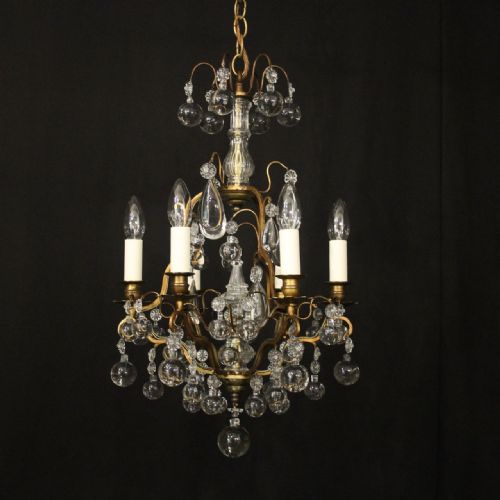
The pieces on this page are predominantly French in origin, taking forms such as multi-arm chandeliers, hanging lanterns, and wall sconces. You meet designs rooted in the Empire, Rococo, and Baroque styles, alongside early twentieth-century interpretations.
Makers and designers from periods like the Edwardian era also appear, utilising styles that range from French chateau aesthetics to English country interiors. These lighting fixtures serve as both functional illumination and architectural centrepieces.
What varies in quality
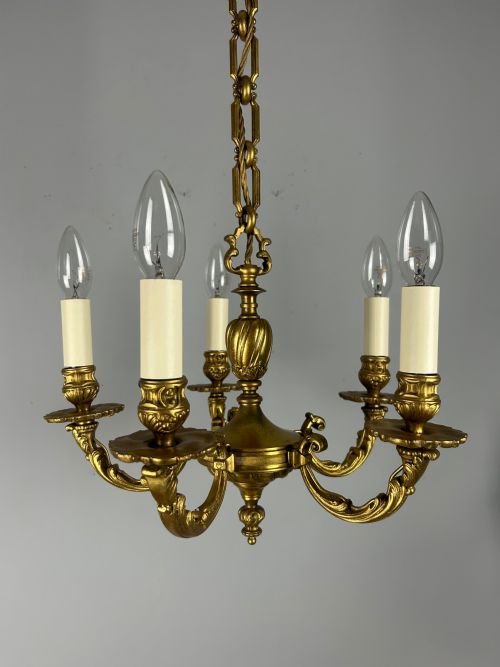
Quality in these chandeliers is determined by the crispness of the bronze casting and the depth of the original gilding or ormolu. Finer examples display sharp relief work on the metal arms and figures, whereas simpler pieces show softer contours.
The presence and quality of cut crystal elements also dictate the tier of the piece, with complex tent-and-waterfall configurations requiring superior glasswork. Structural weight and the number of integrated light arms further distinguish standard production from grander works.
Some tall wall chandeliers arrive in matched pairs, ready to flank a mirror or fireplace with doubled illumination.
G.E.C
The Classic Bronze Chandelier Glossary
- Ormolu
- Gilded bronze produced by applying a finely ground high-carat gold-mercury amalgam to a bronze object. This historic technique creates a durable, warm golden finish characteristic of fine French decorative arts.
- Empire
- A neoclassical design style spanning the late eighteenth and early nineteenth centuries, characterised by military motifs, classical drapery, and formal symmetry. Pieces from this aesthetic often incorporate bold bronze forms and tent-and-waterfall crystal arrangements.
- Baroque
- An ornate style emphasising exuberant detail, dramatic curves, and heavy scrolling ornamentation. In lighting, this translates to robust bronze frames with numerous light arms.
- Hall lantern
- An enclosed hanging light fixture designed primarily for entrance halls and corridors. These items often feature glazed glass panels within a bronze or gilded metal frame.
Classic Bronze Chandelier: Frequently Asked Questions
How do I choose the right size chandelier?
Consider the dimensions of your room and the height of your ceiling to ensure proportional balance. Larger multi-light fixtures require adequate clearance and robust ceiling support.
Measure your floor space and ceiling height before selecting between a compact hall lantern or an extensive twelve-light chandelier.
Where should I hang a bronze chandelier?
These fixtures suit principal reception rooms, dining areas, and entrance halls where their architectural presence can anchor the space. Wall sconces from the same periods offer complementary illumination for adjacent walls.
Ensure the hanging height allows for comfortable clearance beneath the lowest crystal drop or metal tier.
How do I clean an antique chandelier?
Dust the metal frame and glass components gently with a soft, dry cloth to prevent accumulation. Avoid harsh chemical cleaners that can damage gilt bronze or ormolu surfaces.
For crystal drops, a mild solution applied carefully with a cloth preserves the clarity without disturbing the wiring or structure.
Are these chandeliers wired for modern electricity?
Many antique fixtures have been adapted over time to accept standard modern electrical fittings while retaining their historic appearance. It is advisable to have a qualified electrician inspect and install older wiring.
Check the specifications of each piece to understand its current electrical setup and bulb requirements.