



Neoclassical Ceiling Light
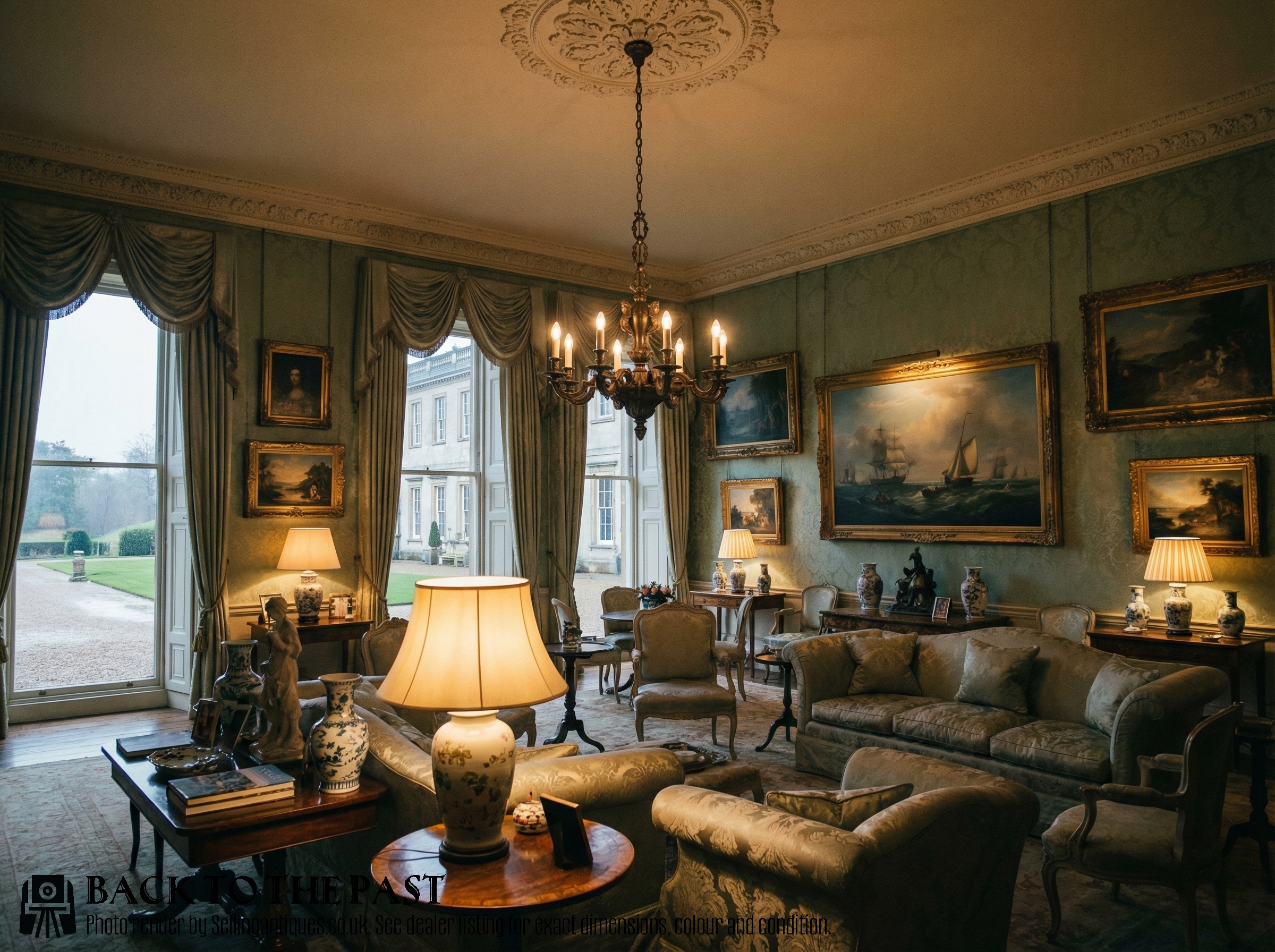
A neoclassical ceiling light brings rigorous symmetry, classical motifs and substantial metalwork to a room, drawing the eye upward.

Neoclassical Ceiling Light
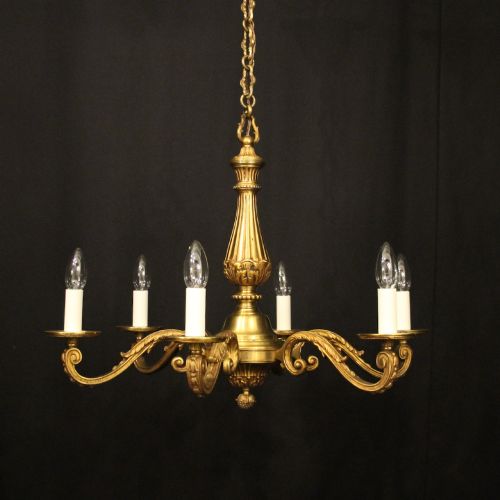
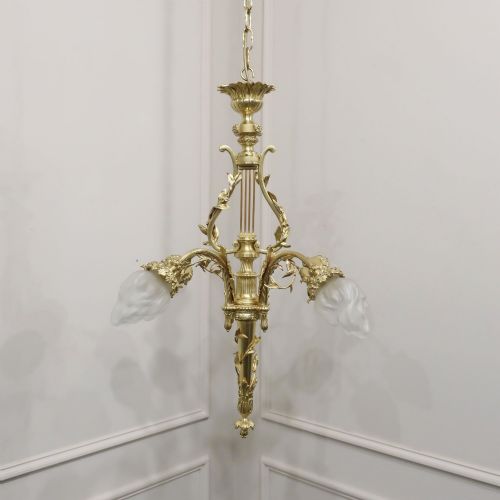
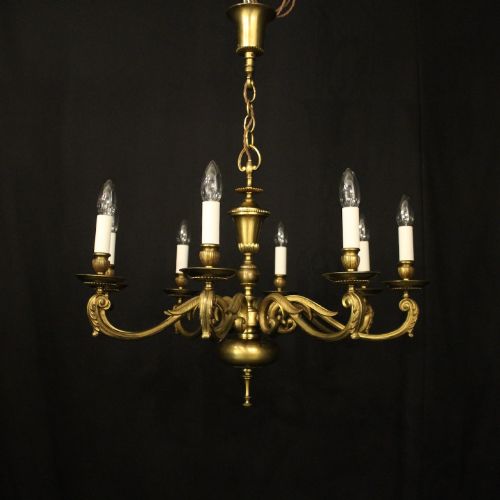
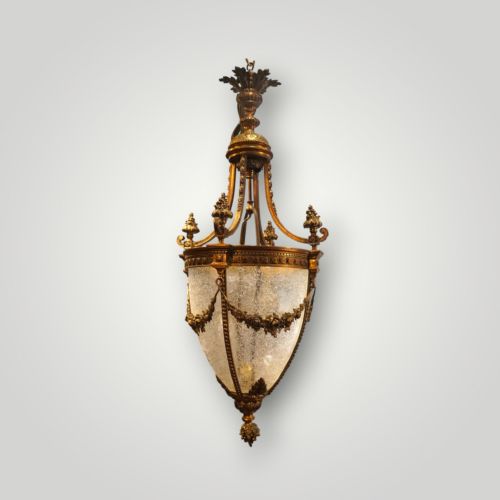
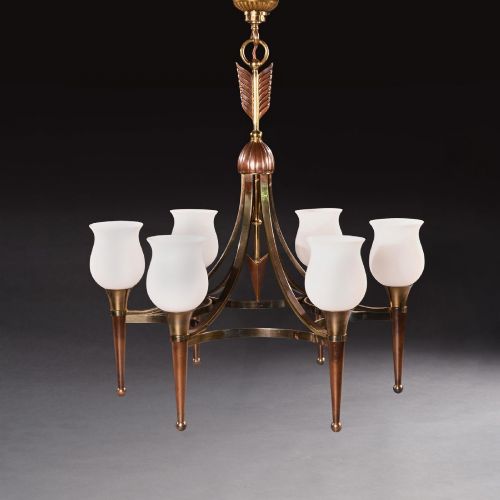
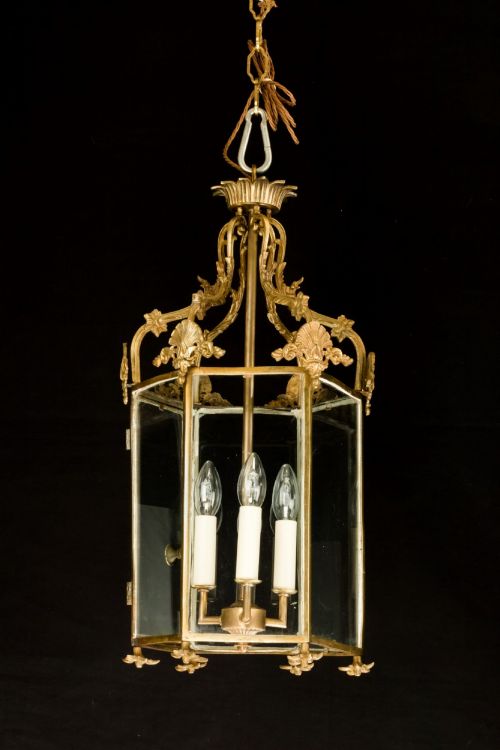
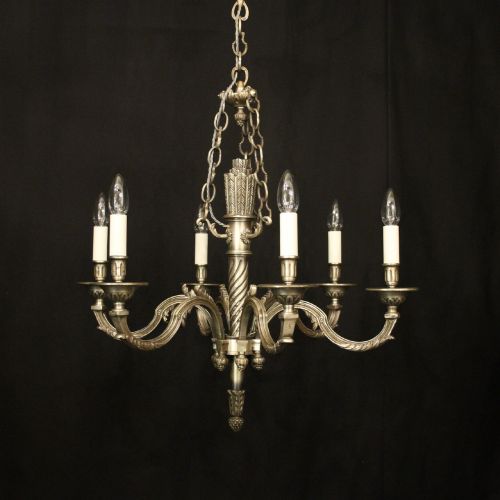
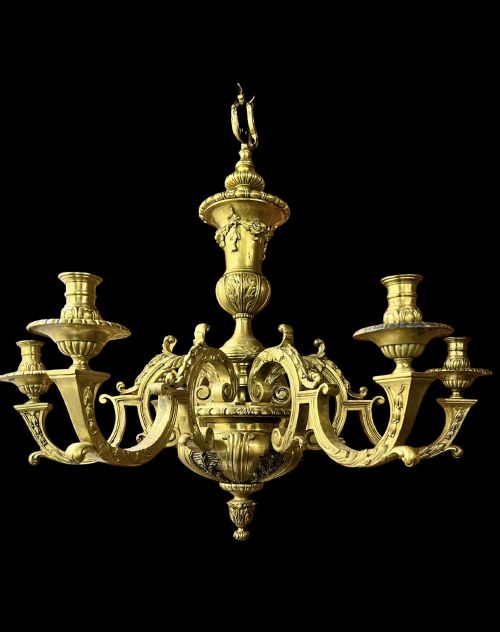
When you search for a neoclassical ceiling light, you encounter a selection of hanging fixtures rooted in classical design, spanning chandeliers, hall lanterns and glass shades. The pieces meeting you here include grand multi-arm chandeliers alongside more compact lanterns and pendants, dating from the nineteenth century through the mid twentieth century.
You will notice strong French influence across the selection, with French Empire, Louis XVI and French Chateau styles appearing alongside English and Italian interpretations. Brass, bronze and gilt metals dominate the forms, frequently paired with glass elements.
The objects serve as functional overhead illumination while carrying heavy ornamental detail derived from antiquity, such as rams' heads, cherubs and classical foliage. These fittings suit high ceilings and formal rooms where the metalwork and proportion can establish the character of the space.
What varies in quality
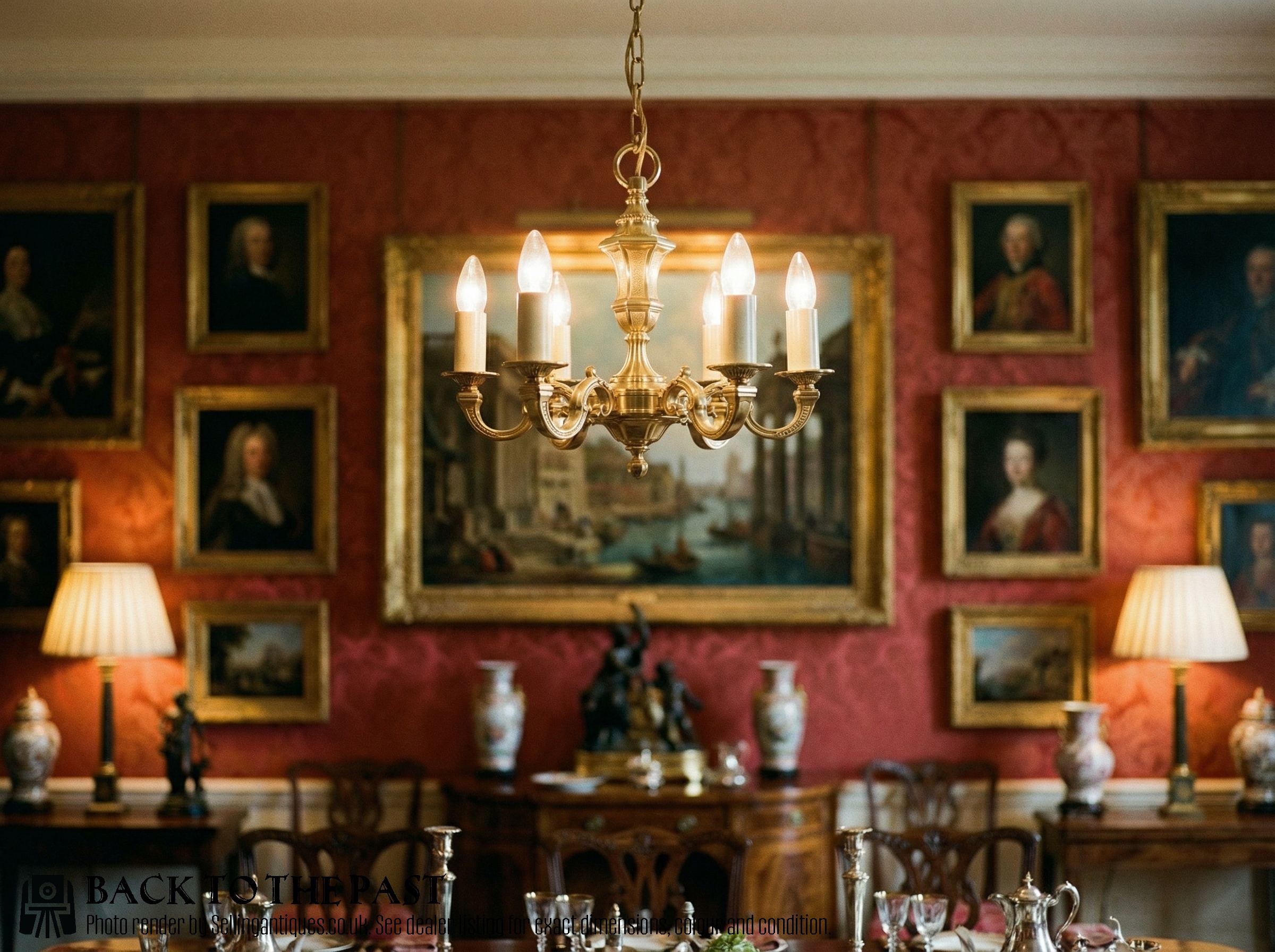
The standard of a fixture rests on the crispness of the metal casting and the depth of the chasing work on bronze and brass components. Finer examples display sharply defined classical ornament, such as acanthus leaves or figurative details like cherubs and rams' heads, whereas simpler pieces rely on basic turned or spun metal parts.
Assembly methods and weight also distinguish the range, with superior items utilising heavier gauge metals, substantial glass drops and robust internal framing. The integrity of the gilding or patination and the harmony of the overall proportions separate standard production pieces from workshop creations designed to reference specific historical interiors.
Neoclassical Ceiling Light Retail Price Guide 2026
Typical asking prices for neoclassical ceiling light among the pieces listed under this phrase on Sellingantiques today, from the lower quarter to the upper quarter. They describe what is for sale here now, not the wider market.
Listings feature French neoclassical, Empire and Edwardian periods, utilising brass, gilt bronze, ormolu and frosted glass.
Maison Jansen·Andre Arbus·Wedgwood
The Neoclassical Ceiling Light Glossary
- Ormolu
- A gilded bronze technique utilising ground gold applied to a metal base, common in French eighteenth-century furniture and later neoclassical revival lighting. This finish provides a warm, soft lustre rather than a bright yellow shine.
- Plafonnier
- A ceiling-mounted light fixture where the shade sits flush or very close to the ceiling surface. These often feature decorative glass bowls held by metal mounts.
- Tent and basket
- A chandelier configuration featuring strings of glass beads forming a tent shape above a lower bowl or basket composed of further glass drops and a brass ring. This style maximises light refraction.
- Hall lantern
- An enclosed hanging light designed originally for entrance halls and corridors, typically featuring glazed panels within a brass, bronze or gilt frame. They range from simple hexagonal shapes to elaborate convex designs.
- Chasing
- The manual process of refining metal castings using small punches and hammers to sharpen details and textures. High quality neoclassical metalwork relies heavily on skilled chasing to define motifs like fluting and foliage.
Neoclassical Ceiling Light: Frequently Asked Questions
How do I clean an antique brass chandelier?
Dust the metal and glass components regularly using a soft, dry brush or microfiber cloth to prevent grime accumulation.
Avoid abrasive metal polishes that can strip original gilding or historical patination from bronze and brass surfaces.
How do I determine the right size ceiling light?
Consider both the floor area of the room and the height of the ceiling when selecting a fixture.
Large multi-tier chandeliers require high ceilings and substantial space to maintain correct proportions, while lanterns or single-tier pieces suit more modest spaces.
What is the difference between Empire and Louis XVI styles?
Louis XVI design draws on lighter, more restrained classical motifs with straight lines, symmetrical arrangements and delicate foliate decoration.
Empire style, influenced by later imperial Roman and Egyptian campaigns, employs heavier forms, military trophies, sphinxes and rich gilt bronze mounts.