
Hand Painted Table Lamp
A hand painted table lamp brings colour and character to a room, offering functional light alongside decorative art.
What these pieces are
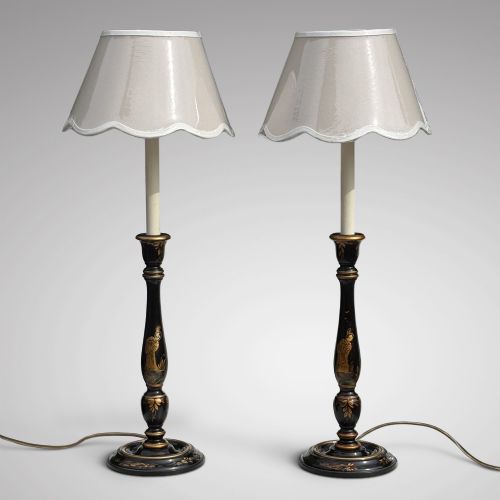
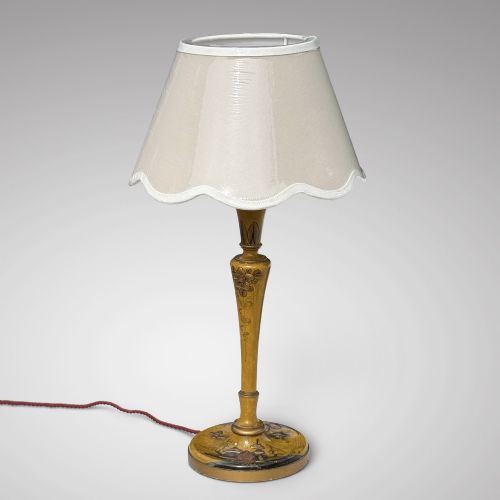
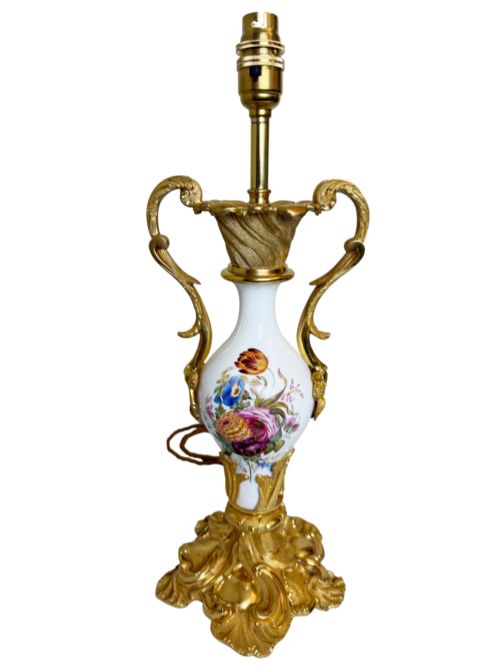
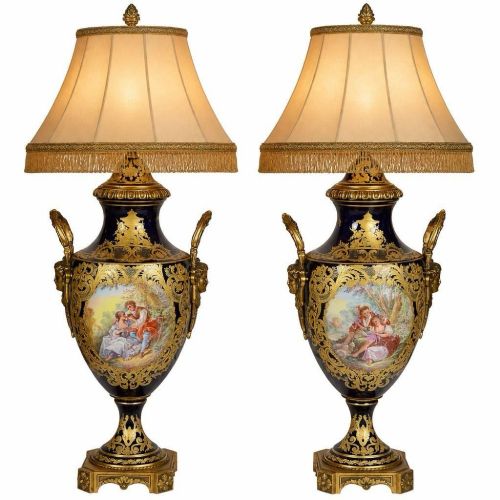
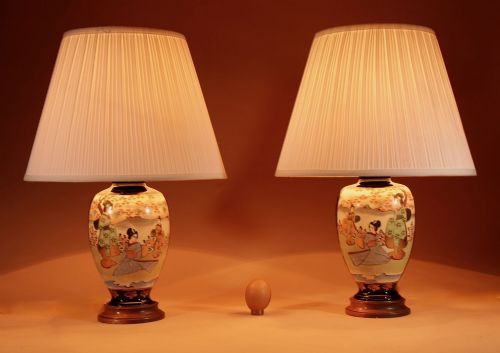
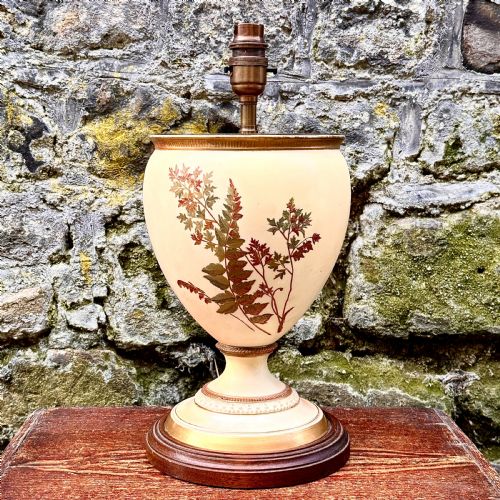
A hand painted table lamp combines domestic illumination with applied decoration across various historical periods. The selection spans Edwardian examples, pieces from the 1920s, and items dated around 1930.
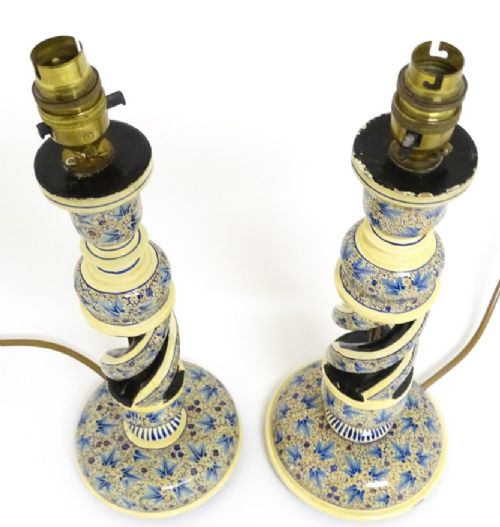
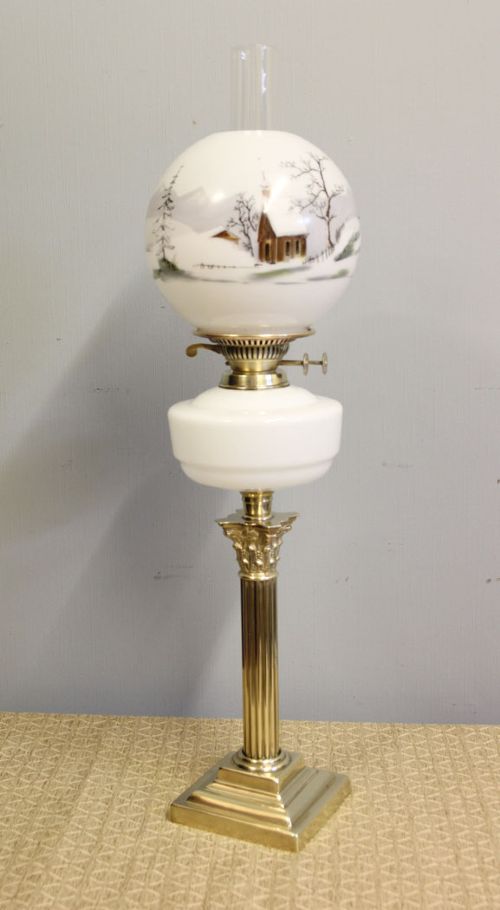
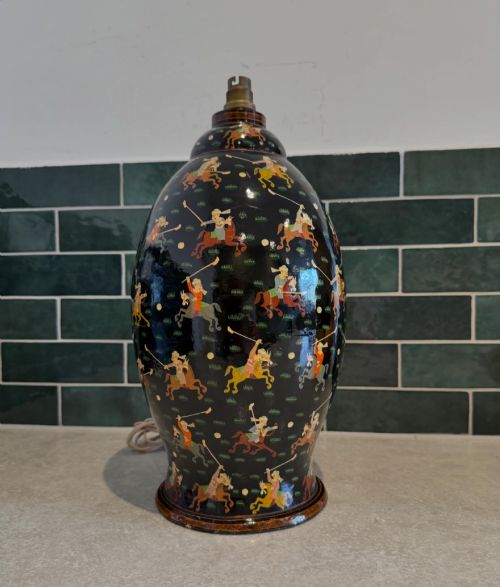
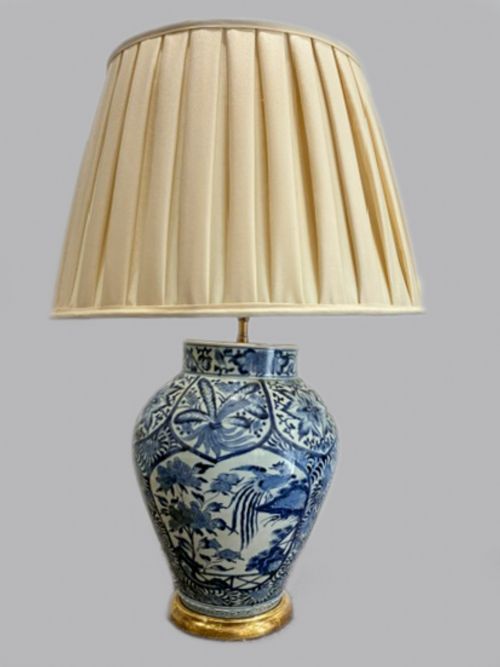
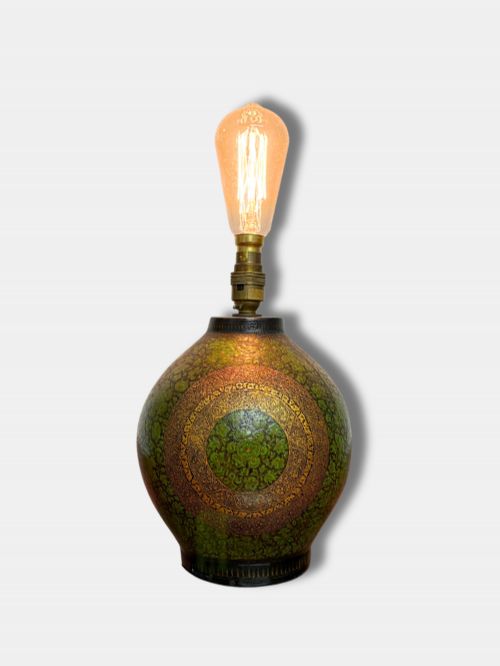
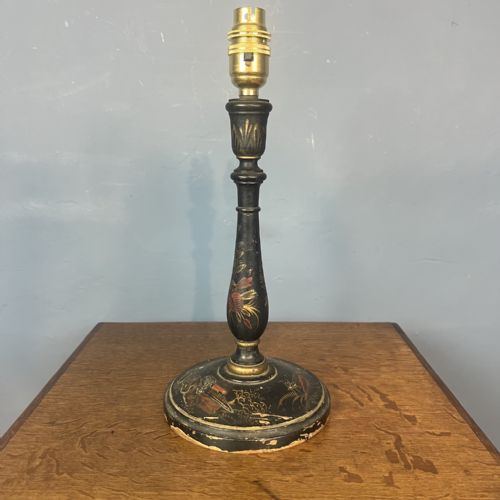
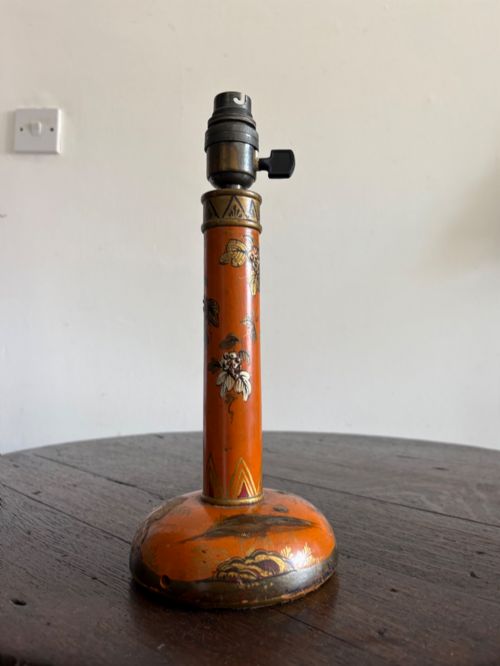
The forms encompass several distinct stylistic traditions including Chinoiserie, Anglo-Indian, Kashmiri, and Swiss folk art. Buyers encounter items made from materials such as porcelain, brass, wood, and papier-mache.
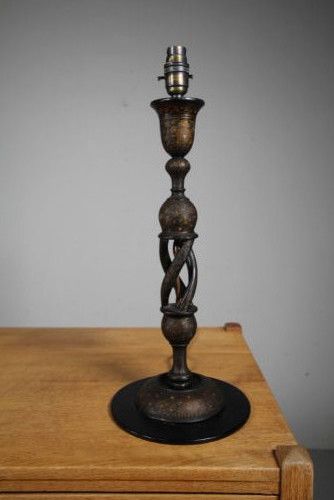
Vessels such as vases and baluster forms are frequently converted into bases, paired alongside purpose-made wooden and metal lamp bases.
How they were made
Makers utilised rigid substrates including solid brass, turned wood, lacquered wood, and papier-mache for structural bases. Surface decoration relied on direct hand painting, enamel work, and applied gilt finishes.
Ceramic components originated as porcelain vases or faience pottery, later fitted with electrical hardware. Shade construction involved fabric materials to complete the domestic lighting form.
Retail Price Guide 2026
Typical UK retail prices for hand painted table lamp, calculated from the Sellingantiques database of over a million retail prices indexed since 2003. This retail price guide relies exclusively on Sellingantiques data; no external sources or auction records are used, so the figures do not describe the wider market.
A Swiss Black Forest bear might just be holding your reading light.
What varies in quality
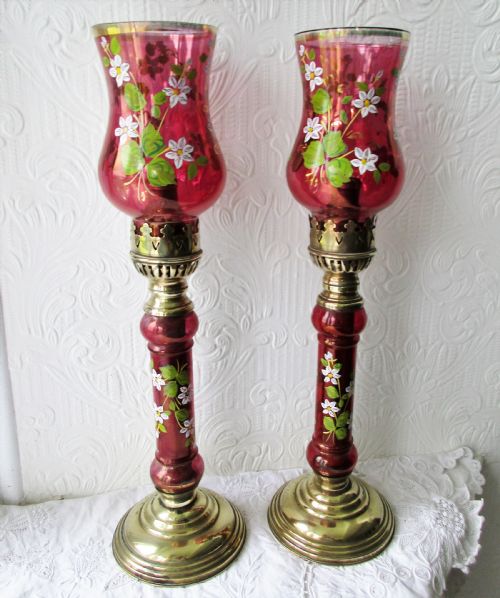
The sophistication of the painted ornament determines visual distinction, ranging from simple folk art motifs to intricate botanical and figurative scenes. Superior examples demonstrate skilled brushwork and harmonious colour palettes.
Material integrity separates standard production from finer work, seen in the weight of the brass, the density of the turned wood, and the finish of the lacquer. The integration of converted antique vessels requires careful proportion between the base and the painted decoration.
The Hand Painted Table Lamp Glossary
- Chinoiserie
- European decorative style inspired by Chinese art and design. It frequently appears on furniture and lamps from the Edwardian era.
- Kashmiri
- Decorative style originating from the Kashmir region, typically featuring elaborate floral and foliate hand painting on wood or papier-mache. These pieces display rich, layered patterns.
- Baluster
- Architectural form resembling a tapering column with a swollen base, commonly used for ceramic lamp bodies. This shape provides stability and a balanced surface for painted scenes.
- Faience
- Tinned-glazed earthenware associated with continental European pottery traditions. It offers an opaque white background suitable for colourful hand painting.
- Moriage
- Japanese ceramic technique featuring raised enamel decoration applied in dots or lines. It creates a tactile, textured surface on Satsuma wares.
Frequently Asked Questions
Are these lamps safe to use?
Many older lamps receive updated wiring to meet modern safety standards. Rewired examples ensure proper electrical function while retaining their historical bases.
Buyers should check plug types and bulb fittings to ensure compatibility with domestic electrical systems.
How do I date a lamp?
Dating relies on stylistic markers, materials, and construction techniques visible in the base. Edwardian and 1920s pieces often reflect specific regional craft traditions.
Examining the underside, fittings, and paint application helps establish the period of manufacture.
Can I change the lampshade?
Lampshades can be replaced to match interior colour schemes, provided the fitting size aligns with the lamp's harp or bulb holder. Many period lamps feature replacement shades chosen to complement the hand painted base.
Proportion remains the main consideration when pairing a new shade with an antique base.
How do I clean the painted surface?
Maintenance requires gentle dusting with a soft, dry cloth to protect fragile painted details and gilt surfaces. Moisture and chemical cleaners should be avoided to prevent damage to antique finishes.
Careful handling preserves the integrity of the original pigment and lacquer.