


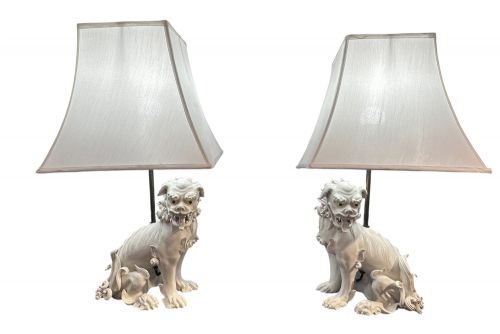


Chinese Ceramic Lamp
A chinese ceramic lamp brings hand-painted porcelain and centuries of glaze traditions into a room as practical illumination.
Chinese Ceramic Lamp
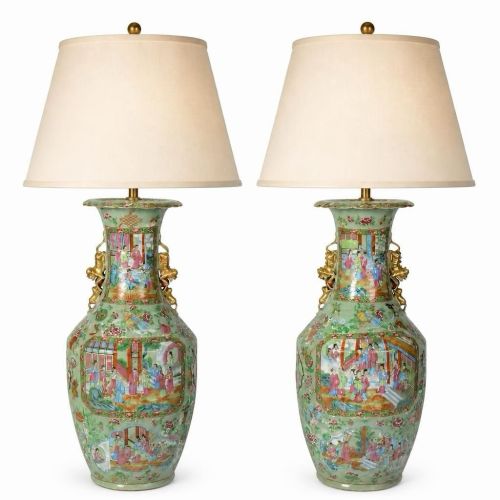
A chinese ceramic lamp typically takes the form of a converted vase, ginger jar, or lidded vessel mounted for electrical use. The selection spans robust nineteenth-century porcelain pieces alongside early twentieth-century examples shaped as figural forms or temple lions.
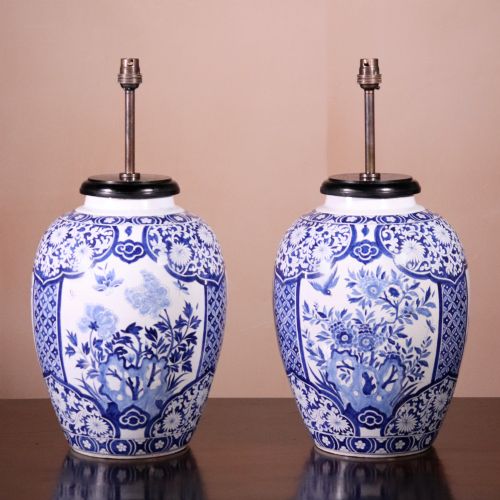
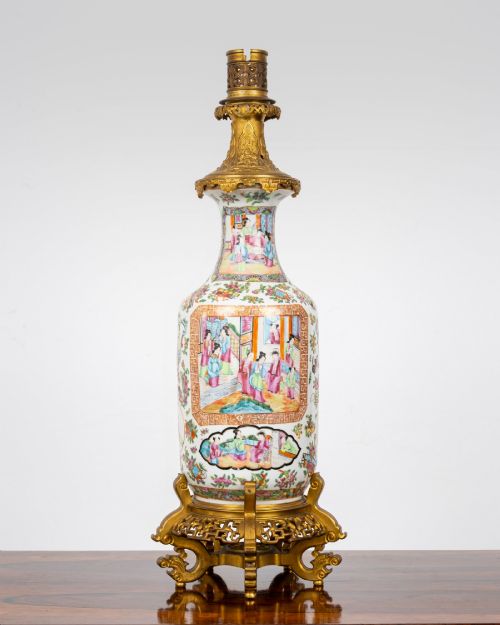
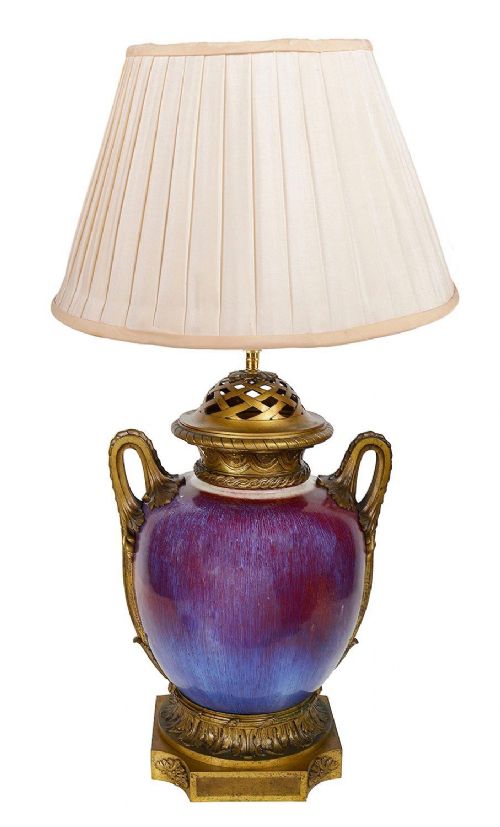
Vessels decorated in families of colour such as famille rose, famille verte, and powder blue dominate the selection. Many pieces originate from the nineteenth century, while others adopt eighteenth-century styles or incorporate distinct crackleware glazes.
The body of the lamp often originates from export porcelain or traditional temple jars adapted with mounts. Buyers encounter single items as well as matching pairs suited for placement on sideboards or mantelpieces.
What varies in quality
The precision and detail of the hand-painted enamel work define the visual merit of each porcelain body. Artisans who achieved subtle gradations in famille rose or crisp lines in blue and white created pieces of enduring visual weight.
The integration of metal mounts reveals the standard of conversion work. Finely chased ormolu and heavy bronze mountings matched to the contours of the ceramic elevate the overall composition.
Chinese Ceramic Lamp Retail Price Guide 2026
Typical asking prices for chinese ceramic lamp among the pieces listed under this phrase on Sellingantiques today, from the lower quarter to the upper quarter. They describe what is for sale here now, not the wider market.
Periods represented across the inventory span the eighteenth century, the nineteenth century, and the early twentieth century.
The Chinese Ceramic Lamp Glossary
- Famille Rose
- A palette of opaque enamel colours dominated by pink or rose hues. Introduced during the Qing dynasty, it allowed for nuanced shading on floral and figural motifs.
- Famille Verte
- A porcelain decoration scheme relying primarily on green enamels combined with iron red, blue, and yellow. This style flourished during the Kangxi period and later revivals.
- Ormolu
- Gilt bronze applied as decorative mounts to furniture and porcelain. The technique involves treating brass or bronze with an amalgam of gold.
- Celadon
- A pale green jade-like glaze produced by iron oxide in a reduction kiln. The subtle tone varies from olive to grey-green.
- Ginger Jar
- A broad-shouldered ceramic storage vessel with a high dome lid. These jars are frequently converted into the bodies of table lamps.
Chinese Ceramic Lamp: Frequently Asked Questions
How do I identify a nineteenth-century lamp?
Examination of the porcelain body, glaze consistency, and hand-painted pigments helps indicate age. Nineteenth-century pieces often display characteristic wear on the base and traditional potting techniques distinct from later industrial ceramics.
Mounts and wiring methods also offer clues to the period of conversion. Many lamps combine nineteenth-century porcelain vessels with later electrical fittings installed during adaptation.
Are these lamps sold as pairs?
The inventory includes both matched pairs and individual table lamps. Pairs typically originate from garniture sets or balanced vase collections adapted together for interior lighting.
Single lamps often stand alone as statement pieces on desks or smaller tables. Matching pairs require careful comparison of height, glaze tone, and painted decoration.
What maintenance do ceramic lamps need?
Dusting the porcelain body with a soft, dry cloth preserves the hand-painted enamels and glaze surface. Harsh chemical cleaners should be avoided to protect antique finishes.
Electrical components benefit from periodic inspection by a qualified professional to ensure safe operation. Wiring can be updated while retaining the original ceramic body and metal mounts.
How do I choose the right shade?
Selecting a fabric or silk shade depends on the scale and colour palette of the ceramic base. Neutral tones complement intricate blue and white patterns, while bolder shades can match or contrast with famille rose enamels.
Proportion remains a key consideration for overall balance. The height and width of the shade should complement the volume of the vase without overwhelming the painted details.