



Antique Chinese Table Lamps
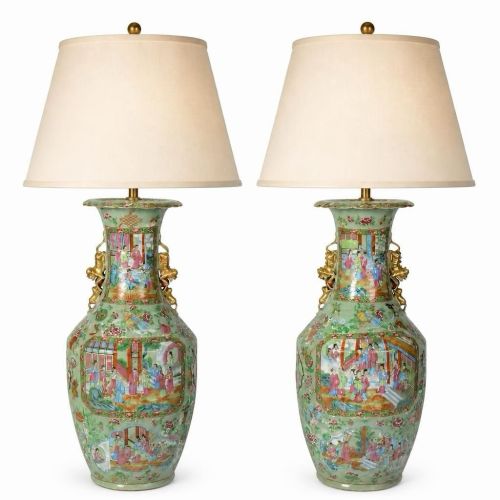
These antique chinese table lamps bring remarkable colour and form to an interior, drawn from nineteenth-century porcelain vases.
What these pieces are
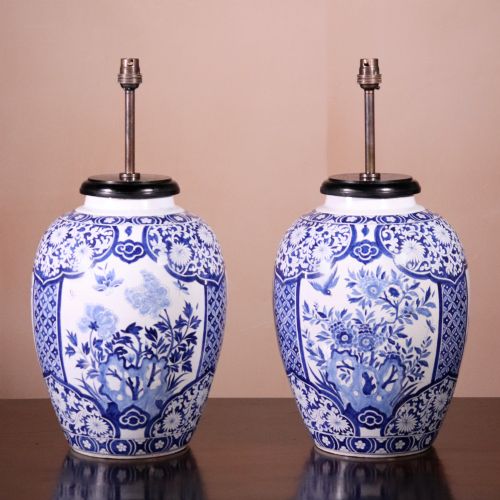
When you search for antique chinese table lamps, you are looking at nineteenth-century porcelain vases converted into functional lighting. The selection on this page consists entirely of pairs, featuring forms such as baluster vases alongside specialised variants.
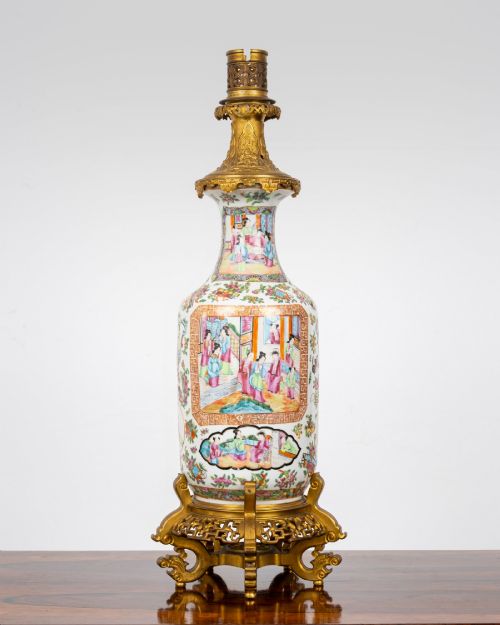
Most examples originate from the nineteenth century, specifically around eighteen eighty, representing the Qing Dynasty and Chinese Export traditions. You will encounter Cantonese styles, alongside Famille Rose, Famille Verte, and Celadon colour palettes.
These objects bridge traditional ceramic artistry and practical home illumination. They retain their original character as vases while serving as striking lamps.
How they were made
The foundation of these lamps lies in porcelain ceramic bodies, shaped into vases and decorated with intricate enamels in palettes such as Famille Rose and Famille Verte. Makers applied glazes to create Celadon surfaces and detailed Cantonese designs.
Retail Price Guide 2026
Typical UK retail prices for chinese table lamps, calculated from the Sellingantiques database of over a million retail prices indexed since 2003. This retail price guide relies exclusively on Sellingantiques data; no external sources or auction records are used, so the figures do not describe the wider market.
These nineteenth-century ceramic travellers successfully traded dynasties for twentieth-century reading light.
What varies in quality
Quality in these lamps rests primarily on the artistry and preservation of the porcelain body. Finer examples display crisp enamelling, balanced proportions, and sophisticated glaze work characteristic of Qing Dynasty production.
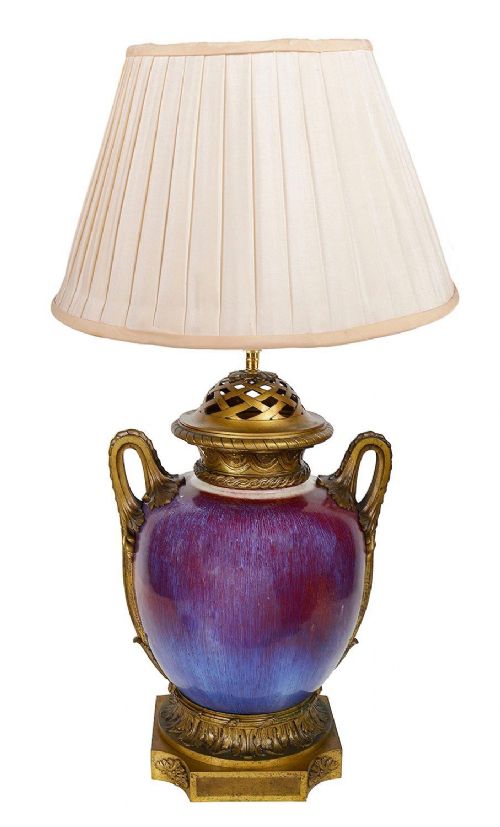
The integration of metal mounts, such as brass or ormolu, also dictates the overall standard. Superior pieces feature harmonious hardware that complements the ceramic without compromising the integrity of the original vase.
The Antique Chinese Table Lamps Glossary
- Famille Rose
- A major palette of Chinese ceramic glazes introduced in the Qing Dynasty, distinguished by opaque pink enamel. This colour scheme allowed for subtle shading and detailed floral motifs.
- Famille Verte
- A Qing Dynasty ceramic palette dominated by green enamels, often combined with iron red and other colours. It creates vibrant, high-contrast decorative schemes on porcelain surfaces.
- Celadon
- A term for ceramics denoting both wares glazed in jade green and the green glaze itself. The subtle, translucent colour mimics the appearance of jade.
- Baluster
- A vase shape characterised by a rounded body that tapers toward the base and swells near the lower centre. This classical silhouette provides a stable base for lamp conversion.
- Ormolu
- Gilded bronze used for decorative mounts and hardware on furniture and decorative objects. It adds a warm, metallic accent to porcelain lamp bases.
Frequently Asked Questions
What periods do these lamps come from?
The available pieces originate from the nineteenth century, with specific examples dated around eighteen eighty.
They reflect the stylistic traditions of the Qing Dynasty and Chinese Export production.
What materials are used in their construction?
The primary material is porcelain, shaped into vases and decorated with detailed enamels and glazes.
They incorporate brass, metal, ormolu, hardwood, and fabric shades made from silk.
Are these lamps sold individually?
The current selection consists exclusively of pairs rather than single lamps.
This makes them suitable for balanced placement on sideboards, mantels, or bedside tables.
What ceramic styles will I find?
You will encounter Cantonese styles, alongside Famille Rose, Famille Verte, and Celadon colour schemes.
These represent distinct decorative traditions from nineteenth-century Chinese ceramics.