



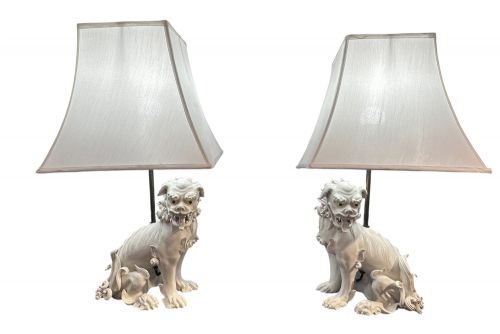

Oriental Ceramic Lamp
These oriental ceramic lamp pieces bring hand-painted porcelain and rich patinated metalwork straight into a room.
What they are
An oriental ceramic lamp combines historic Far Eastern porcelain vessels with domestic electrical fittings to create functional table lighting. Most examples on this page date from the nineteenth century down to the early twentieth century, originating from Chinese and Japanese kilns before their conversion into lamps.
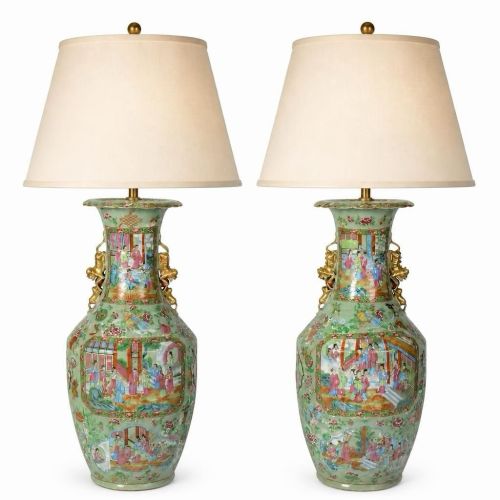
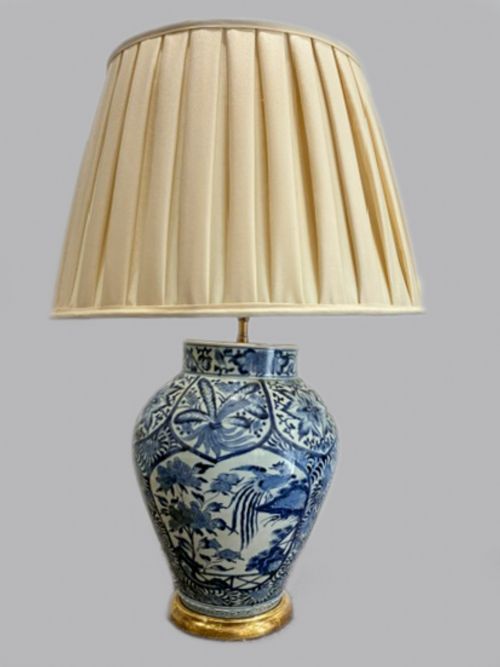
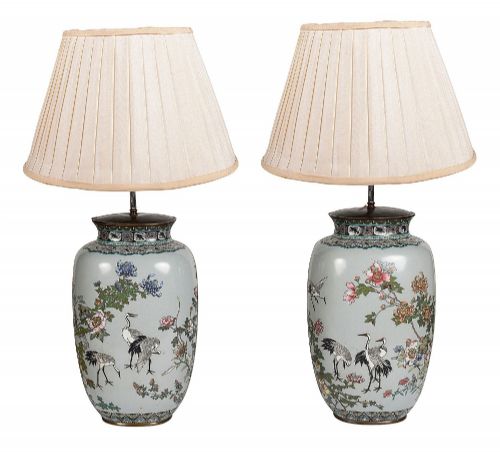
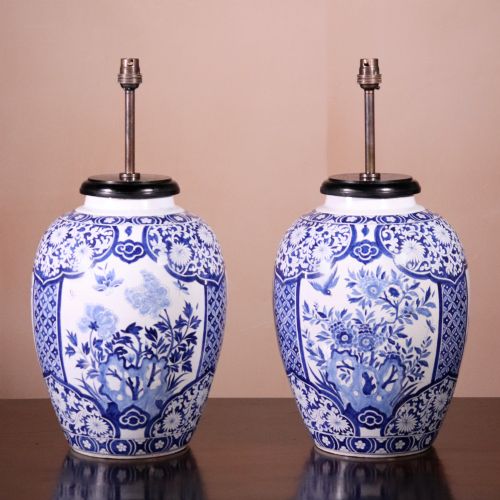
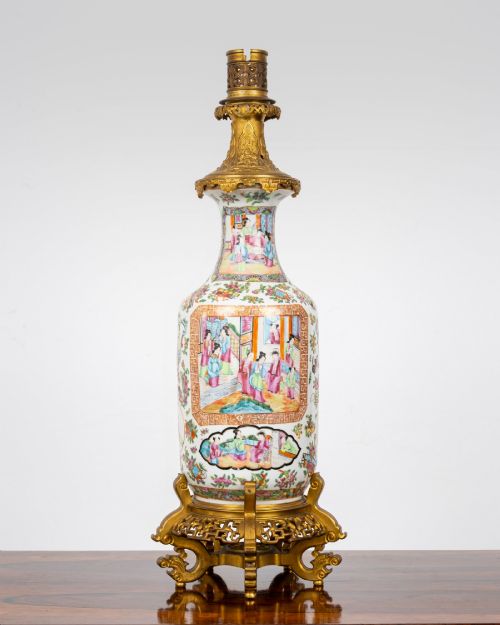
The ceramic bodies take several traditional forms, including baluster shapes and lidded vases. Many feature classic blue and white painting or vibrant famille rose and Rose Medallion enamel palettes that reflect Qing Dynasty aesthetics and later nineteenth-century export styles.
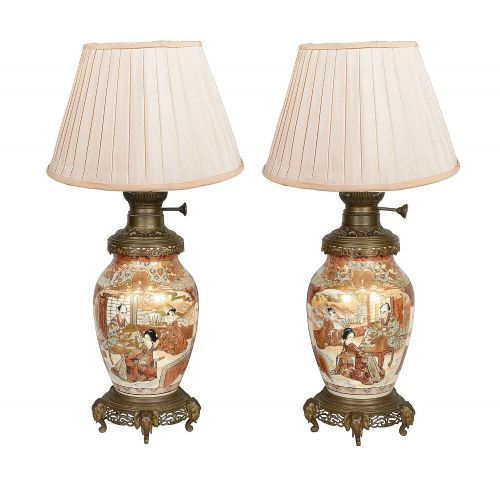
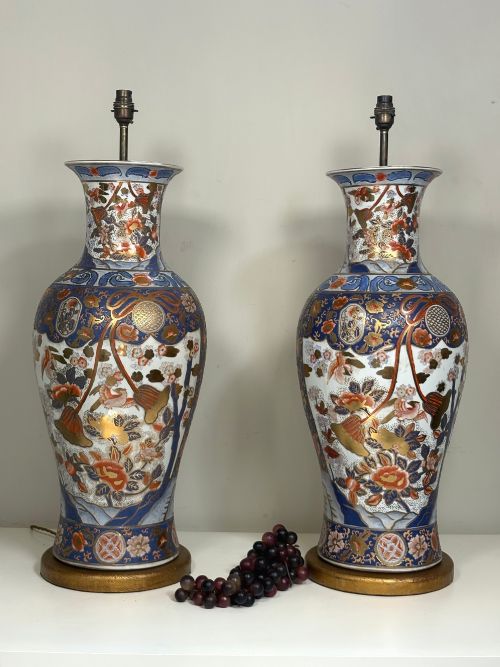
Makers often mounted these porcelain bodies onto sturdy bases made of brass, wood, or gilt bronze to ensure stability on a table. Some pieces incorporate additional fabric and silk components in their overall presentation, merging Asian ceramic art with European domestic illumination.
How they were made
The foundation of every piece is high-fired porcelain, shaped on a potter's wheel or in a mould before receiving intricate cobalt blue underglaze decoration or colourful overglaze enamels. Artisans then fitted these ceramic vessels with metal mounts in brass or gilt bronze, securing the structure for practical daily use.
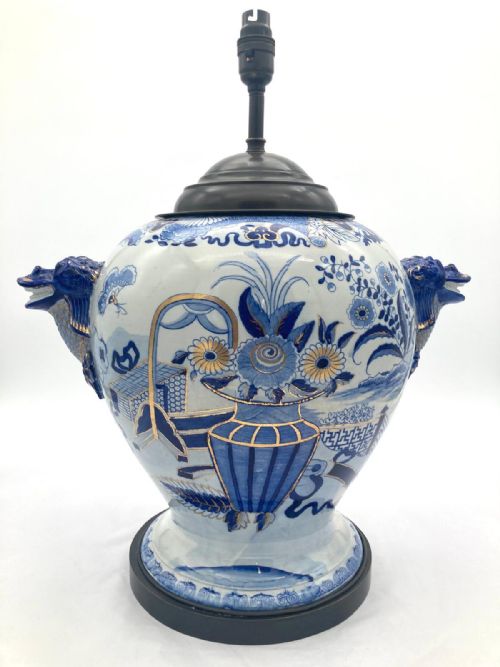
Later additions by European and British workshops involved drilling or adapting the antique vases to house lamp wiring and bulb holders. These modifications were paired with wooden bases and fabric or silk shades to complete the transition from a decorative vessel to a working table lamp.
Retail Price Guide 2026
Typical UK retail prices for oriental ceramic lamp, calculated from the Sellingantiques database of over a million retail prices indexed since 2003. This retail price guide relies exclusively on Sellingantiques data; no external sources or auction records are used, so the figures do not describe the wider market.
Some vases spent decades holding dried hydrangeas before finally meeting an electrician.
What varies in quality
Quality rests primarily on the crispness of the hand-painted detail across the porcelain body and the depth of the glaze. Finer examples display precise brushwork and vibrant, well-preserved enamel colours that remain sharp across the entire surface of the vase.
The mounting hardware also dictates the overall standard of the piece, with heavy cast gilt bronze and substantial brass mounts marking out superior execution. The integration of the ceramic vessel with its metal and wooden fittings shows the care taken during conversion.
The Oriental Ceramic Lamp Glossary
- Porcelain
- A hard, fine-grained ceramic material fired at high temperatures until vitrified and translucent. It forms the impermeable white body of these antique lamps.
- Famille rose
- A palette of opaque overglaze enamel colours dominated by pink or rose hues, introduced in the Qing Dynasty. This style appears frequently on nineteenth-century export vases.
- Baluster
- A vase form with a rounded lower body that tapers towards a narrow neck and flares slightly at the rim. This silhouette provides a stable and balanced shape for table lamps.
- Gilt bronze
- Copper alloy treated with a thin layer of gold applied to the surface. It offers a rich, decorative metallic finish for the mounts on larger lamps.
Frequently Asked Questions
Are these lamps recently made?
The ceramic bodies originate from the nineteenth and early twentieth centuries, drawing on traditional techniques.
Many vessels were adapted into lamps during their history, combining antique porcelain with later electrical fittings and mounts.
How do I clean the porcelain?
Dust the porcelain and mounts gently with a dry, soft cloth to prevent any buildup of dirt.
Avoid using harsh chemical cleaners or abrasive pads, as these can damage the hand-painted overglaze enamels and the metal patina.
Can I replace the lampshade?
The shade can be swapped to suit your interior decor and lighting preferences.
Ensure any replacement shade matches the scale of the ceramic base and fits the existing harp or bulb holder securely.
How do I identify the period?
Dating relies on examining the painting style, glaze characteristics, and the construction of the ceramic body.
Comparing the mounting metals, such as brass or gilt bronze, also helps place the piece within the nineteenth or early twentieth century.