

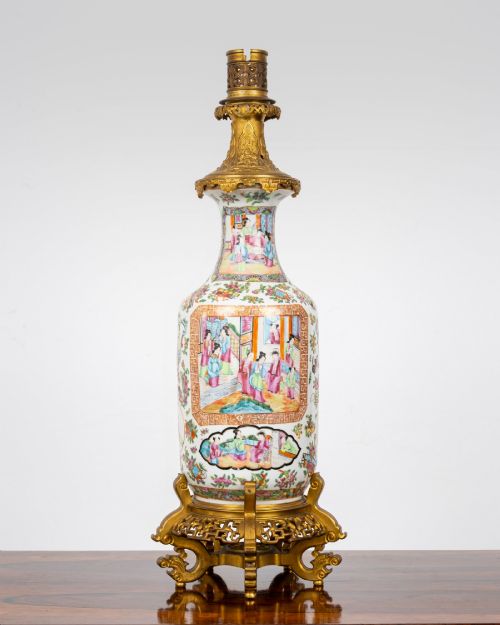
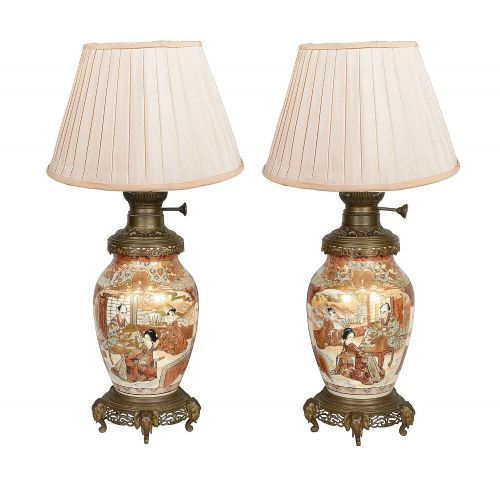

Oriental Vase Light
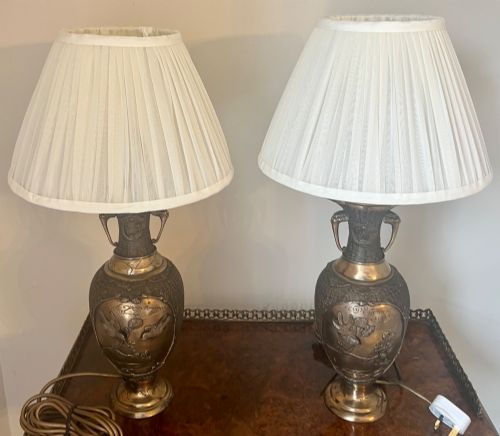
An oriental vase light turns a displaced vessel of porcelain, bronze or cloisonné into a functional table lamp for a room.
Oriental Vase Light
When you search for an oriental vase light, you find vessels formed from Chinese and Japanese ceramics and metalwork, adapted as table lamps. The selections span the seventeenth, eighteenth, and nineteenth centuries, alongside pieces from the Meiji period and Regency era.
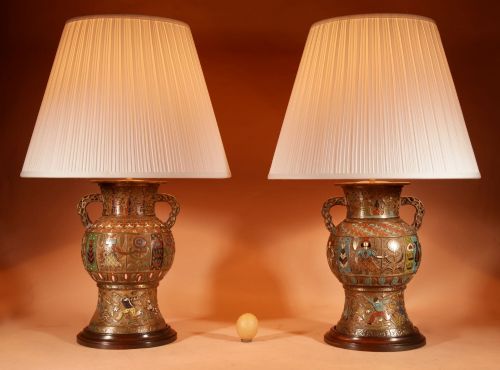
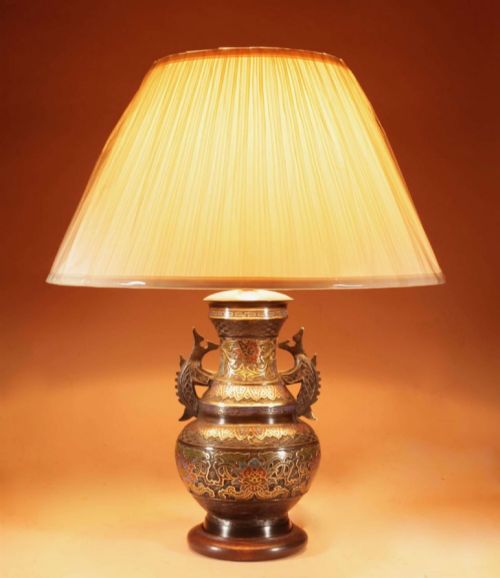
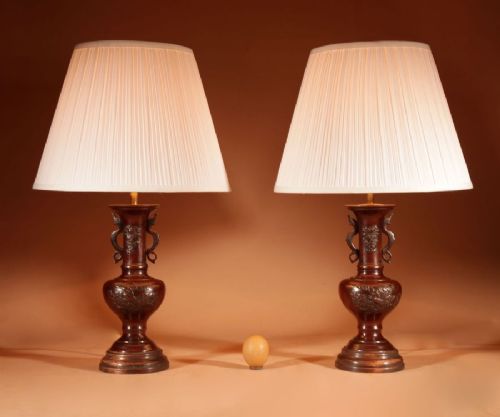
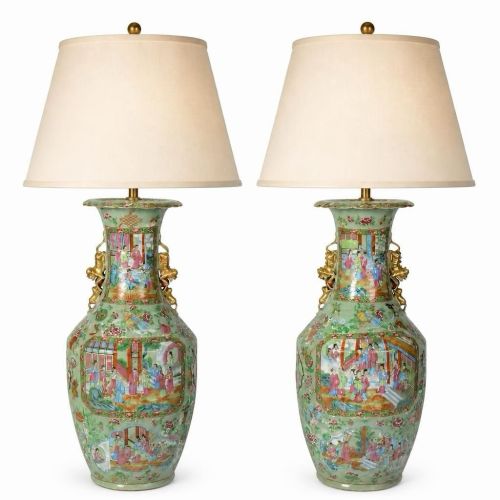
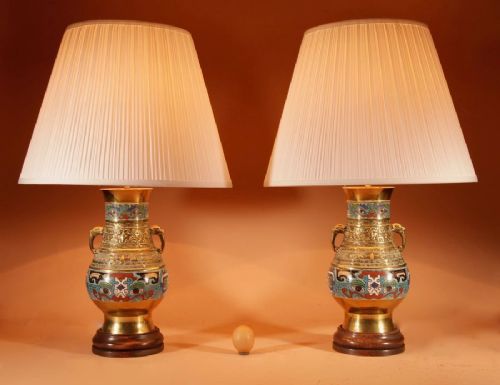
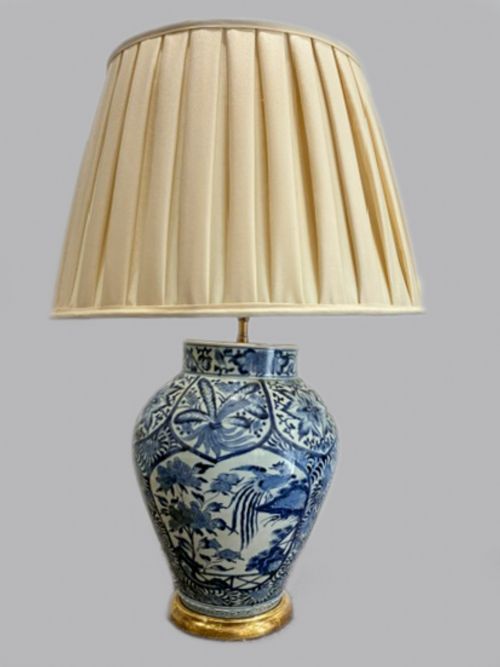
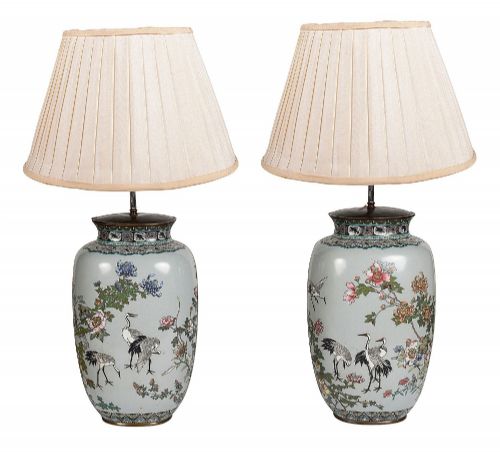
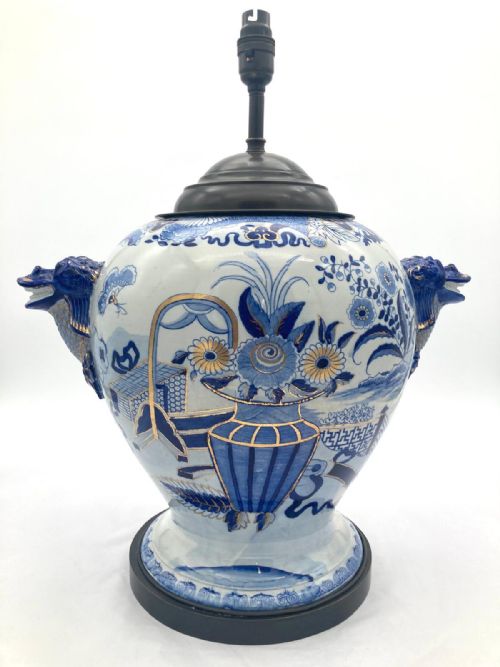
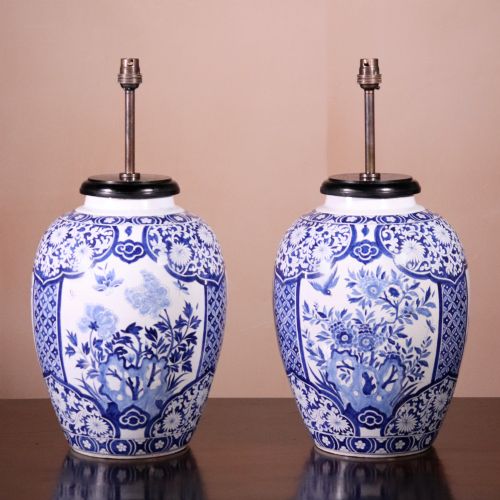
The most common examples on this page are nineteenth-century Chinese porcelain vases, such as Rose Medallion, Famille Rose, and blue and white jars, alongside Japanese bronze and cloisonné enamel vessels fitted for electricity. Many survive in matched pairs, utilising celadon or champlevé surfaces.
Materials and conversion
These pieces combine imported ceramic, bronze, brass, or ironstone bodies with applied mounts in ormolu, gilt bronze, and wood. Vases originally made for display or storage are drilled and fitted with electrical hardware, sometimes retaining original Meiji period or Qing Dynasty patination.
Enamelled surfaces utilise cloisonné and champlevé wirework techniques, while porcelain vessels rely on hand-painted overglaze pigments in famille rose and famille verte palettes. Mounts are secured to the foot or neck to support lamp fittings without damaging the antique body.
An eighteenth-century style ormolu mount sometimes meets a nineteenth-century vase in a cheerful collision of decorative eras.
Judging quality in converted lamps
Quality rests upon the original vessel's artistic merit, whether a crisply cast Japanese bronze dragon or a finely painted nineteenth-century Cantonese porcelain vase. The handling of the enamel work, the depth of the bronze patination, and the clarity of the ceramic glaze set finer examples apart.
The method of mounting also defines the standard of the piece, particularly where bespoke ormolu or gilt bronze mounts integrate with the antique ceramic rather than overpowering it. Matched pairs with uniform glaze tones and intact hand-painted details command greater regard than single mismatched conversions.
The Oriental Vase Light Glossary
- Famille Rose
- A palette of opaque overglaze enamels dominated by pink or rose colours, popular in Chinese porcelain decoration. It often appears alongside other floral and figural motifs on nineteenth-century vases.
- Champlevé
- An enamelling technique where troughs are carved into a metal surface, such as brass or bronze, and filled with vitreous enamel before firing. The resulting surface shows coloured patterns divided by metal lines.
- Cloisonné
- A method of decorating metal objects by soldering flat metal wire to the body to create compartments, which are then filled with enamel paste. Japanese examples from the Meiji period frequently use this technique.
- Satsuma
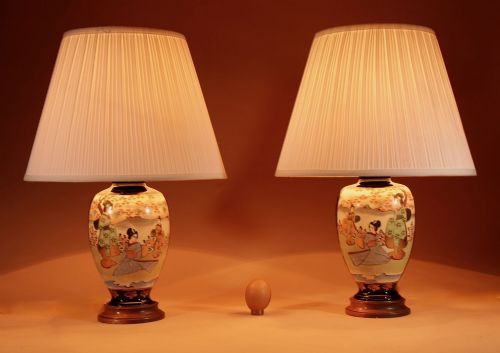
- A type of Japanese earthenware with a crackle glaze, typically decorated with polychrome enamels and gilt. These wares are frequently found converted into table lamps from the nineteenth and early twentieth centuries.
- Ormolu
- Gilded bronze mounts applied to the base or rim of a vase to provide structural support and decoration. In nineteenth-century lighting, these mounts often secure the electrical fittings to the ceramic body.
Oriental Vase Light: Frequently Asked Questions
How do I date an oriental vase light?
Dating relies on the stylistic markers of the underlying vessel, such as Qing Dynasty porcelain motifs or Meiji period bronze casting techniques. Ceramic bodies, glazes, and metal patination provide the primary clues to the period of origin.
Conversion hardware and electrical fittings are usually twentieth-century additions, even when the vase itself dates to the seventeenth or nineteenth century. Examining the base and interior reveals the age of the ceramic body separate from the lamp conversion.
Are these lamps converted from original vases?
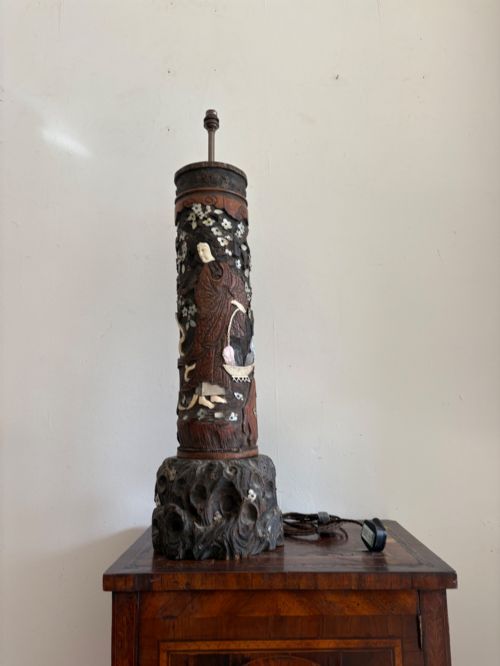
Most pieces listed are antique vases, jars, or brush pots that have been professionally converted into table lamps. This practice preserves decorative ceramic and metalwork objects by giving them a functional role in modern interiors.
Some conversions retain period ormolu mounts or gilt bronze fittings added during the nineteenth century. Others show later adaptations designed to accommodate standard bulb fittings while protecting the antique vessel.
Can I find matching pairs of lamps?
Matched pairs appear frequently among nineteenth-century Chinese porcelain and Japanese bronze vessel conversions. These pairs share identical forms, glaze colours, and decorative schemes, though minor variations in hand-painted details remain normal.
Finding a balanced pair depends on the survival rates of original decorative vase sets from the Meiji period or Qing Dynasty. Such pairs offer symmetrical lighting options for sideboards, desks, or mantelpieces.