


Nineteenth Century Chinese Lamp
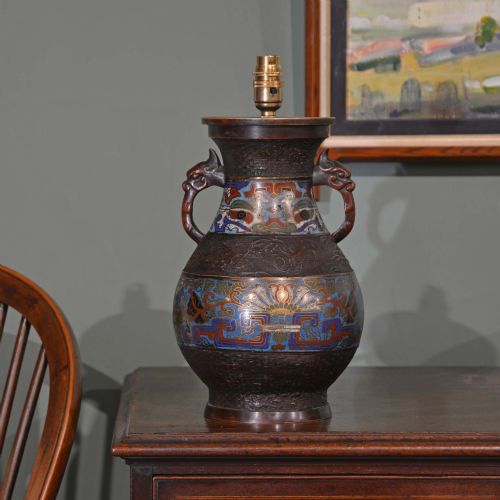
A nineteenth century chinese lamp brings rich enamel colour, carved hardwood or gleaming bronze into a room.
Nineteenth Century Chinese Lamp
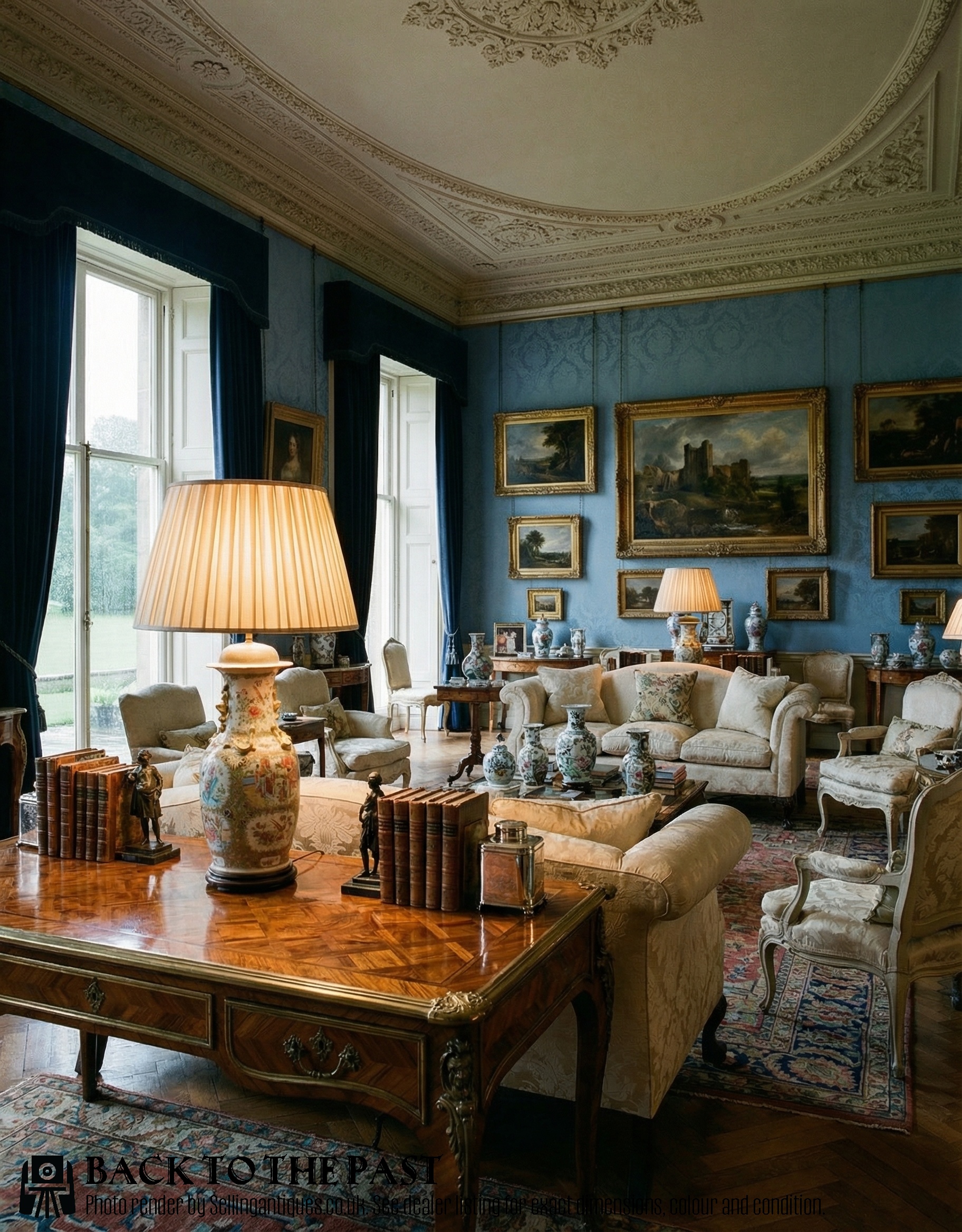
A nineteenth century chinese lamp is a striking decorative object formed from a period vase or stand, repurposed for modern lighting. These pieces combine historic East Asian ceramic artistry with functional illumination for the home.
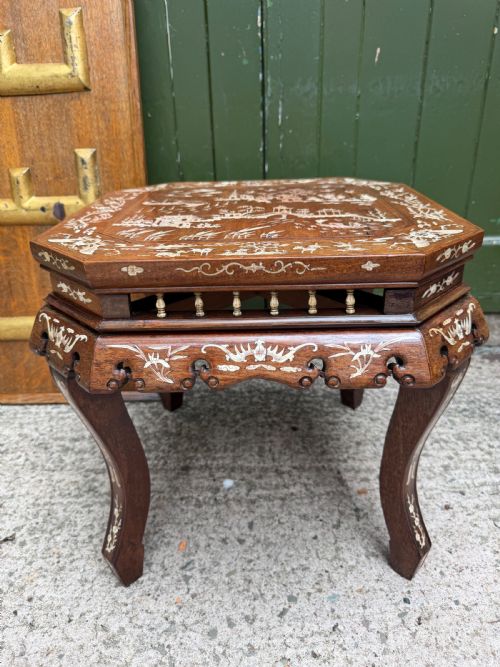
The selections available here lean heavily toward ceramic forms such as Famille Rose, Famille Verte, blue and white prunus blossom, and vibrant yellow and green ground vases. Alongside these, buyers find solid hardwood lamp tables and plant stands suited for display.
Originating predominantly within the nineteenth century, Victorian, and circa 1900 periods, these items span Chinese Export, Chinoiserie, Qing Dynasty, and French Chinoiserie styles. Each option bridges traditional craftsmanship with practical interior use.
How they were made
Makers utilised fine porcelain as the primary canvas, applying intricate enamel glazes in rose medallion, famille rose, and blue and white palettes. These ceramic bodies frequently incorporate rich colour fields of yellow, green, and white.
Metal mounts in brass, bronze, gilt bronze, and ormolu often secure and elevate the ceramic vessels. Additionally, structural pieces employ dense hardwood and inset marble to build sturdy lamp tables and planter stands.
Nineteenth Century Chinese Lamp Retail Price Guide 2026
Typical asking prices for nineteenth century chinese lamp among the pieces listed under this phrase on Sellingantiques today, from the lower quarter to the upper quarter. They describe what is for sale here now, not the wider market.
Some nineteenth century vases spent decades holding dried flowers before an electrician got hold of them.
What varies in quality
The sophistication of the hand-painted enamel work dictates much of the distinction between standard and superior pieces. Finer specimens display meticulous brushwork across floral and figurative scenes, while simpler iterations rely on repetitive motifs.
The integration of metal mounts also defines the tier of craftsmanship. Heavy cast ormolu, gilt bronze, and substantial brass fittings indicate a higher grade of conversion than basic hardware.
Samson
The Nineteenth Century Chinese Lamp Glossary
- Famille Rose
- A prominent palette of opaque pink enamel introduced during the Qing dynasty. It allowed artists to render delicate floral and figurative details with subtle tonal shading.
- Ormolu
- Gilded brass or bronze used for decorative mounts and feet. This technique provides a bright metallic contrast to ceramic bodies.
- Chinoiserie
- European artistic styles reflecting Chinese motifs. Makers in the nineteenth century frequently adapted these aesthetics for Western interiors.
- Prunus
- A decorative motif depicting blossoming plum branches. This design appears frequently on blue and white nineteenth century porcelain vases.
- Hardwood
- Dense timber such as rosewood or zitan. It provides the heavy structure necessary for period lamp tables and jardiniere stands.
Nineteenth Century Chinese Lamp: Frequently Asked Questions
What is a nineteenth century chinese lamp?
A nineteenth century chinese lamp is typically a converted period porcelain vase fitted for electricity, or a carved wooden lamp table. These objects combine historical ceramic artistry with practical illumination.
Most examples feature traditional decorative schemes such as Famille Rose, blue and white prunus, or rose medallion motifs mounted on brass, bronze, or hardwood.
How do I style a nineteenth century chinese lamp?
These lamps function effectively as statement pieces on sideboards, desks, or dedicated lamp tables. Their vibrant enamel colours draw the eye and anchor traditional or eclectic interiors.
Paming them with neutral surroundings allows the detailed painting on the porcelain body to stand out without competing with other furnishings.
Are these lamps period originals?
The ceramic bodies and wooden furniture date from the nineteenth century, including Victorian periods and circa 1900 production. Many ceramic vases were mounted as lamps later in their lifespan.
Makers often utilised ormolu, gilt bronze, and brass during these conversions to secure the historic porcelain for modern domestic use.
What materials were used?
Porcelain serves as the main material for the vase lamps, finished with colourful enamel glazes and occasionally gilt bronze or ormolu mounts. Fabric elements typically form the accompanying shades.
Furniture pieces and bases utilise heavy hardwood and marble inserts, reflecting the sturdy construction methods of the nineteenth century.