




Chinoiserie Ceramic Table Lamp
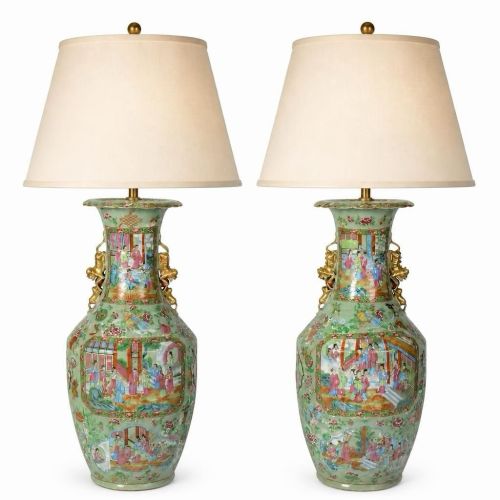
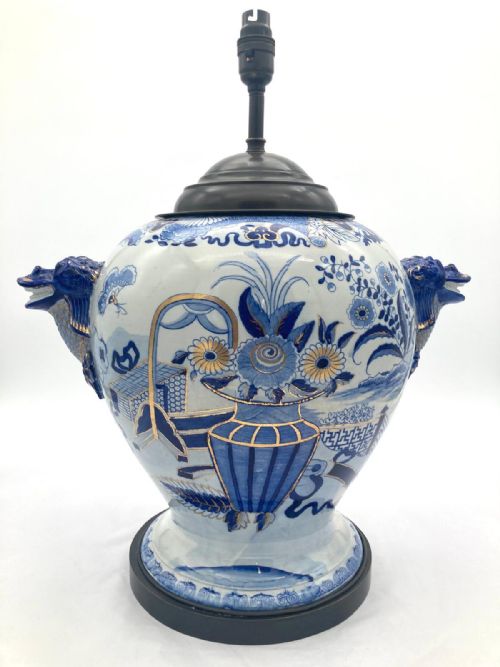
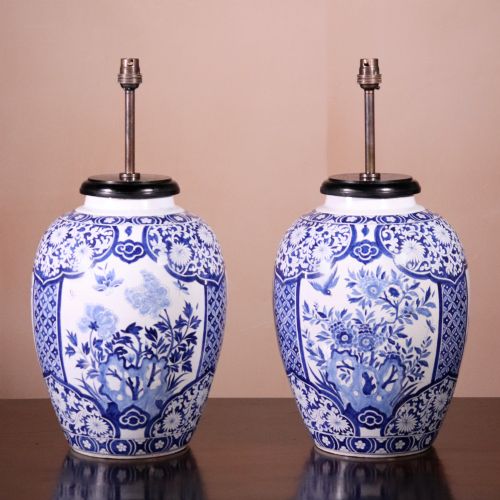
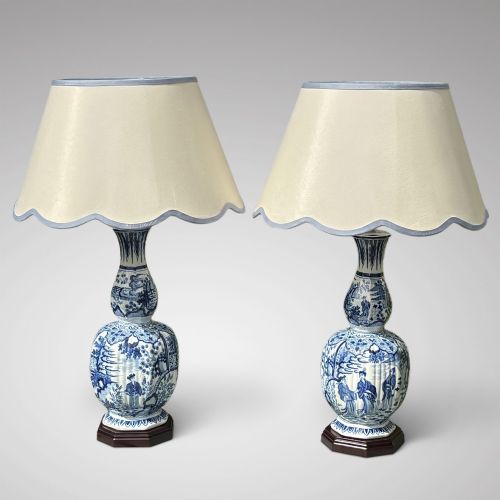
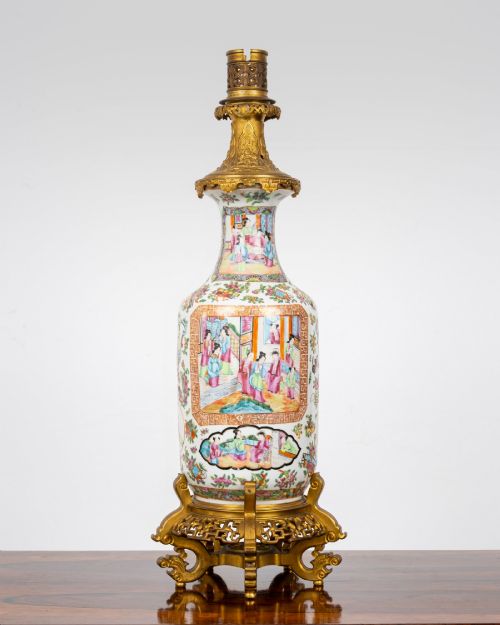
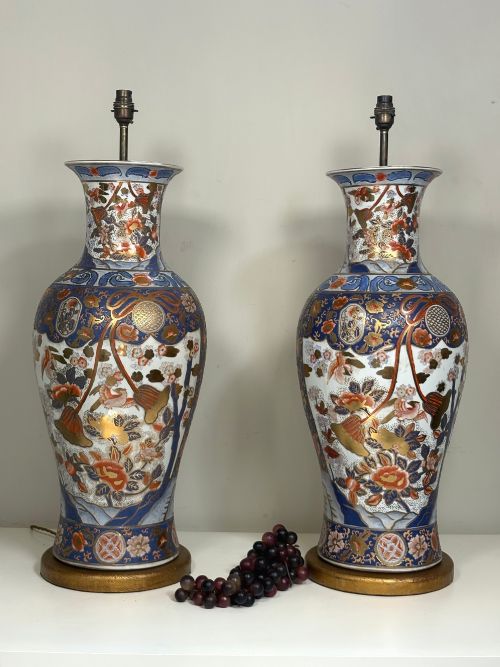
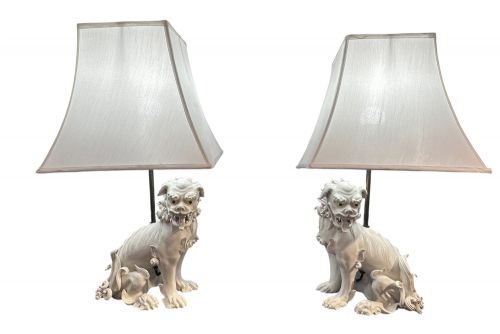
These chinoiserie ceramic table lamp examples bring hand-painted narrative scenes and orientalist motifs straight into a room.

What They Are
A chinoiserie ceramic table lamp adapts historic Far Eastern and European-inspired vessels into functional lighting for domestic interiors. These pieces bridge centuries of decorative arts by converting antique vases, ginger jars and cisterns into lamps.
The selections on this page span the eighteenth and nineteenth centuries, drawing on Chinese Qing Dynasty traditions alongside European interpretations like Dutch Delftware and French Chinoiserie. Buyers encounter forms ranging from blue and white ginger jars to famille rose and famille verte vases mounted with brass or ormolu.
Vessels from this category function primarily as decorative accent lighting while retaining their original ceramic character. Most examples combine historic bodies with modern re-wiring to suit contemporary electrical standards.
How They Were Made
The primary bodies utilise tin-glazed earthenware and hard-paste porcelain, thrown or moulded by hand before receiving intricate hand-painted underglaze blue or polychrome enamel decoration. Artisans built up these rich pictorial surfaces using mineral pigments that required high-temperature firing to achieve their permanent lustre.
Mounts and fittings incorporate cast brass and ormolu, fixed to secure the ceramic body and support the electrical components. Lamps frequently pair with fabric or silk shades that complement the proportions and palette of the antique base.
Retail Price Guide 2026
Typical UK retail prices for chinoiserie ceramic table lamp, calculated from the Sellingantiques database of over a million retail prices indexed since 2003. This retail price guide relies exclusively on Sellingantiques data; no external sources or auction records are used, so the figures do not describe the wider market.
Ginger jars originally held preserved spices before finding a second life centuries later as glowing ambassadors of Qing Dynasty style.
What Varies in Quality
Quality rests in the crispness and complexity of the ceramic painting, where fluid brushwork and nuanced polychrome enamels distinguish superior artist-decorated vessels from simpler commercial output. Finer pieces display careful composition within their narrative scenes, retaining sharp detail across floral panels and figurative motifs.
The integration of metal mounts also dictates standard, as heavy cast brass and gilt ormolu hardware demonstrate finer craftsmanship than thin, utilitarian stampings. The preservation of the original ceramic glaze and the harmony between the vessel and its mounting define the upper tier of these lamps.
The Chinoiserie Ceramic Table Lamp Glossary
- Chinoiserie
- European decorative style reflecting Chinese artistic influences, prominent in furniture, ceramics and interior design from the seventeenth century onwards.
- Famille Rose
- Chinese porcelain palette dominated by opaque pink enamel, introduced during the Qing Dynasty and widely utilised through the nineteenth century.
- Famille Verte
- Chinese porcelain decoration characterised by a predominant green enamel palette, combined with iron red and other colours.
- Ormolu
- Gilded bronze or brass ornamentation applied to furniture, clocks and ceramic mounts, highly popular in French decorative arts.
- Tin-glazed earthenware
- Pottery covered with a white tin-opacified glaze that provides a smooth surface for painting, seen in Dutch Delftware.
Frequently Asked Questions
How do I date these lamps?
Dating relies on the stylistic markers of the ceramic body, the palette of the enamels, and the manufacturing characteristics of the base material. Eighteenth-century pieces often show distinct potting traits and softer glaze textures compared to nineteenth-century examples.
Hardware and mounting styles also offer clues to the period of conversion. Metal mounts and wiring methods are typically evaluated alongside the age of the ceramic vessel itself.
Are these lamps safe to use?
Most antique lamps are rewired to meet modern safety standards while preserving their historic exterior components. Buyers should check the internal wiring and consult a qualified electrician if any components appear dated.
The ceramic bodies remain stable, but careful handling of the brass or ormolu mounts is necessary during bulb replacement and cleaning.
How do I clean these ceramics?
Dusting with a dry, soft microfibre cloth prevents the accumulation of dirt on both the painted ceramic surface and the metal mounts. Avoid liquid cleaners or harsh chemicals, which can damage historic glazes and delicate enamel work.
Shades made of silk or fabric require gentle brushing or specialised textile cleaning depending on their construction.
Where should I place these lamps?
These lamps suit sideboards, consoles and large bedside tables where their decorative painted scenes can be appreciated at close range. They provide warm accent lighting rather than task illumination.
Placing them away from direct sunlight protects the polychrome enamels and silk shades from fading over time.