
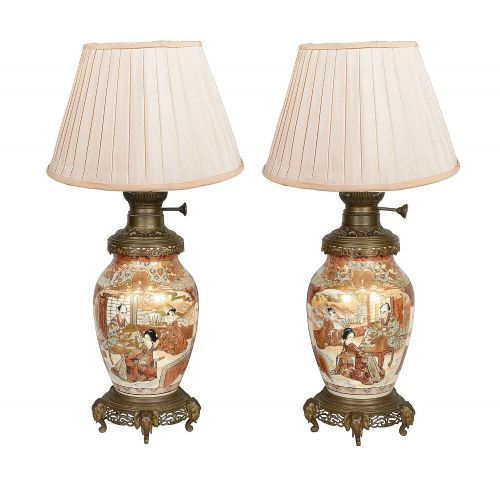
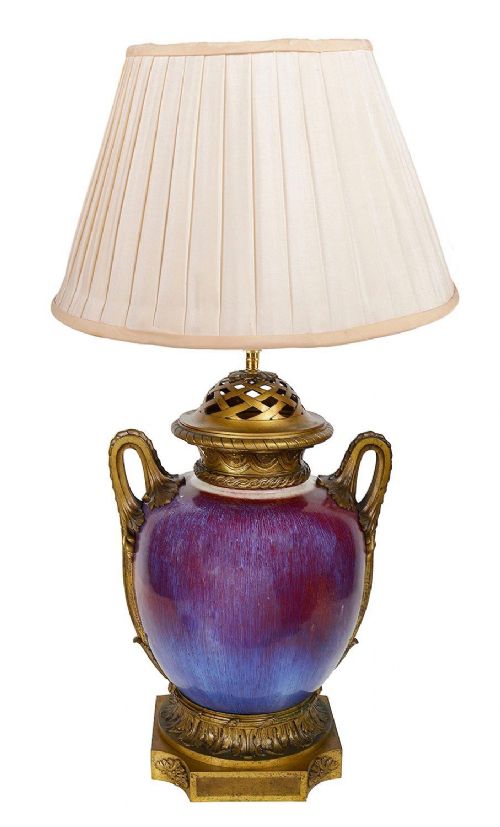


Antique Porcelain Vase Lamp
An antique porcelain vase lamp brings layered historical texture and soft illumination to a room, formed by turning an earlier vessel into functional lighting.

Antique Porcelain Vase Lamp
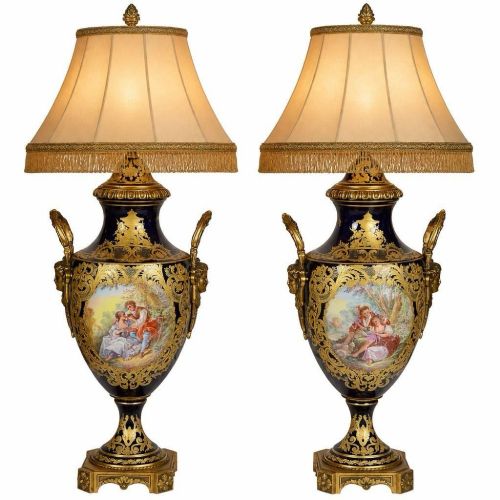
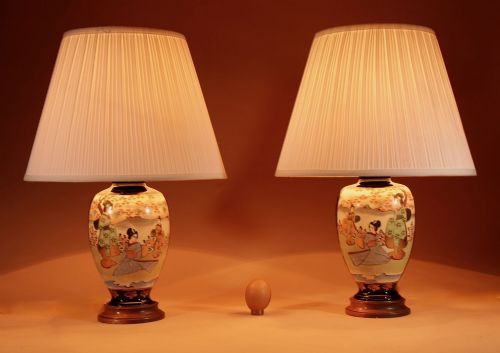
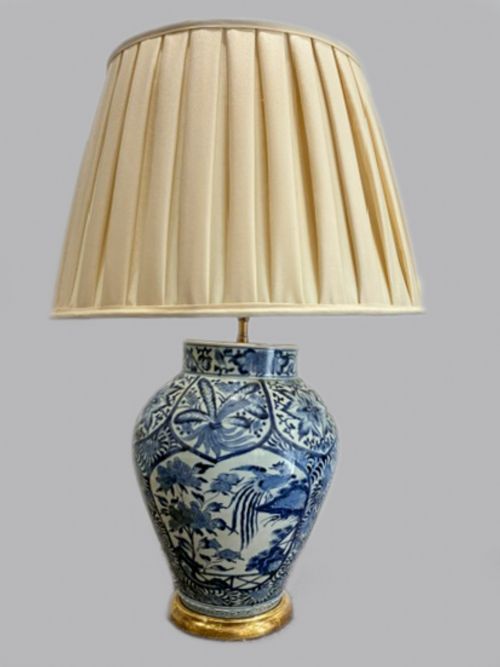
An antique porcelain vase lamp is created when a historic ceramic vessel, often from Chinese export kilns or European factories, receives electrical fittings to serve as a table lamp. Collectors encounter pieces originating from the seventeenth century through to the early twentieth century, spanning diverse cultural traditions including Japanese Satsuma and French Sevres styles.
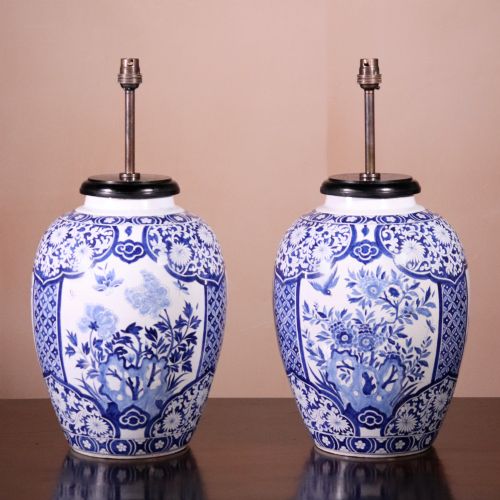
The body of the lamp typically began its existence as a ginger jar, baluster vase, or lidded vessel before later conversion. Many examples survive as matched pairs, though single table lamps appear frequently across nineteenth-century inventories.
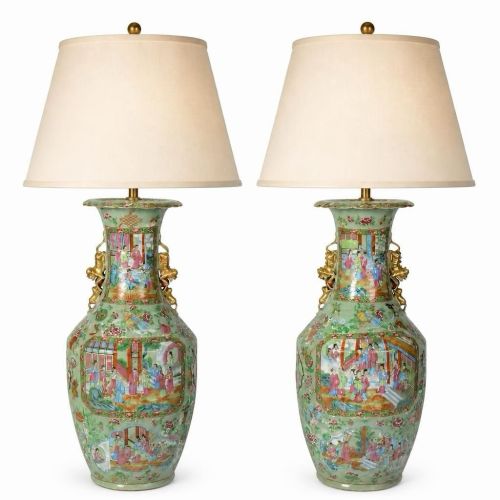
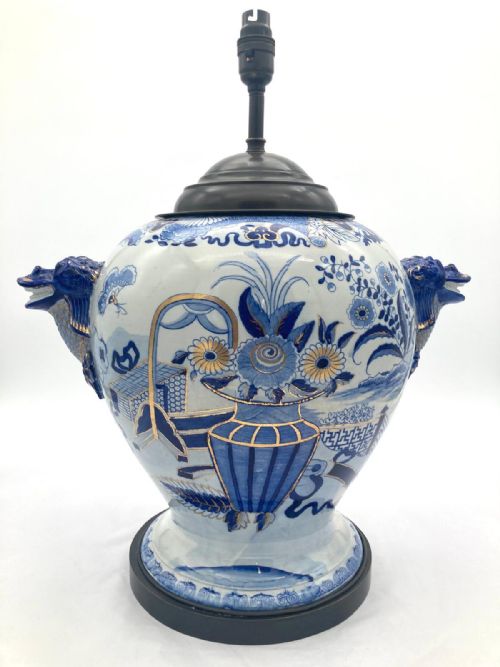
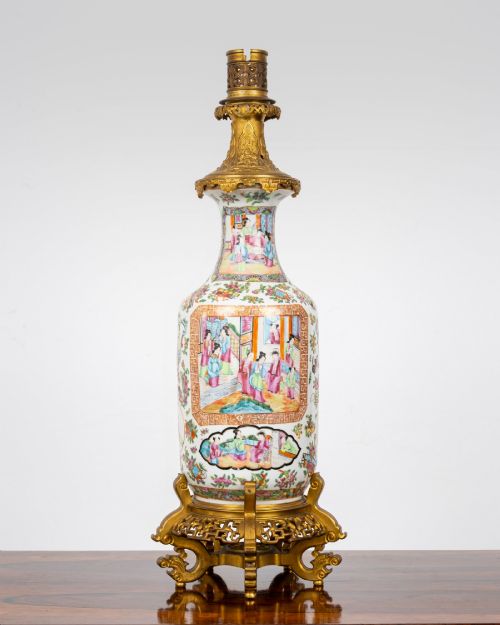
Makers utilised porcelain bodies decorated with traditional motifs such as blue and white underglaze, crackleware, or polychrome enamels in Famille Rose and Famille Verte palettes. These vessels carry the aesthetic markers of the Qing Dynasty, the Meiji period, or European revival movements.
Materials and construction methods
The primary ceramic bodies consist of hard-paste or soft-paste porcelain, earthenware, and ironstone, shaped on a potter's wheel or cast in moulds before being fired at high temperatures. Artisans applied hand-painted mineral pigments, glazes, and sometimes cloisonné enamel work directly onto the ceramic surface prior to the final glaze firing.
Wiring and lamp fittings are secondary additions placed inside or drilled through the original ceramic body during conversion. Fabric and silk shades complete the structure, balancing the weight of the dense porcelain base.
Listings feature porcelain, brass, fabric, silk, wood, gilt bronze, and ormolu across multiple centuries.
Factors of quality and execution
Quality rests significantly upon the artistic merit and preservation of the original porcelain vessel. Finely painted details, crisp underglaze cobalt blues, and evenly applied polychrome enamels distinguish superior specimens from simpler production pieces.
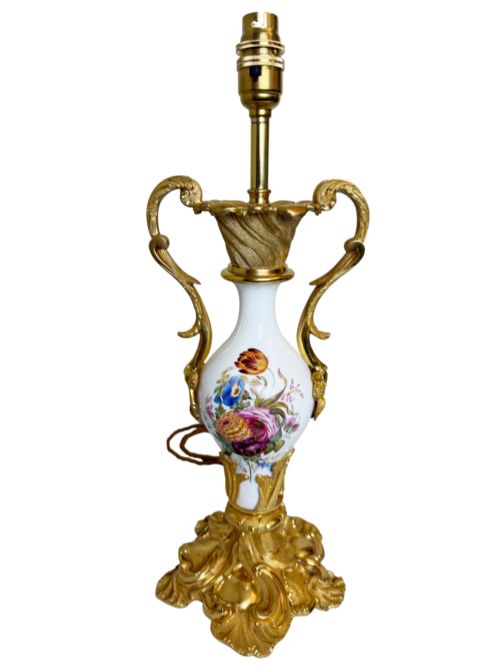
The integration of metal mounts plays a role in overall execution. Ormolu or gilt bronze fittings that follow the precise curves of the vase without compromising the ceramic body demonstrate higher craftsmanship than generic replacement hardware.
Condition and originality dictate the standing of a piece within the field. Vases that retain their original form with minimal drilling or structural alteration hold greater integrity than heavily modified vessels.
Hicks and Meigh·Sevres
The Antique Porcelain Vase Lamp Glossary
- Famille Rose
- A palette of opaque enamels dominated by pink or rose colours, introduced in Chinese ceramics during the Qing Dynasty. It allows for subtle gradations of tone in floral and figural scenes.
- Famille Verte
- A classification of Chinese porcelain decoration utilising a dominant green enamel combined with other vibrant colours. This style gained prominence during the Kangxi period.
- Ormolu
- Finely ground high-carat gold applied to a bronze base, often used for decorative mounts on nineteenth-century lamps. It provides a warm, durable metallic finish.
- Satsuma
- A type of earthenware pottery from Japan with a crackled ivory glaze, typically decorated with intricate polychrome and gilt designs. Satsuma pieces were frequently adapted into lamps during the Meiji period.
- Baluster
- A vase shape with a rounded body that tapers towards the neck and sits on a wider base. This profile provides stability when converted into a table lamp.
Antique Porcelain Vase Lamp: Frequently Asked Questions
How do I choose the right shade?
Selecting a shade involves balancing the height and visual weight of the porcelain base. Fabric or silk shades in neutral tones often complement intricate patterns without overwhelming the hand-painted details.
Proportion is essential to ensure the lamp remains stable and visually harmonious. A shade width that roughly matches the widest part of the vase usually creates a balanced silhouette.
Were these originally made as lamps?
Most pieces started as decorative or storage vessels rather than lighting fixtures. Vases, ginger jars, and urns were adapted later by mounting them with electrical hardware.
This conversion process means the ceramic body often predates the electrical wiring by several decades or centuries. Evidence of drilling or custom metal fittings typically indicates this secondary use.
Can these lamps be safely rewired?
Rewiring is common for older lighting to meet current safety standards. Professional electricians can replace outdated cords and internal components without damaging the ceramic body.
Preserving the original brass or gilt bronze mounts during rewiring maintains the historical integrity of the piece. Regular inspection of the wiring ensures safe daily use in a modern home.