



Vintage French Urn Lamp
These vintage french urn lamp designs combine classical vessel forms with period metalwork to anchor a room.
Vintage French Urn Lamp
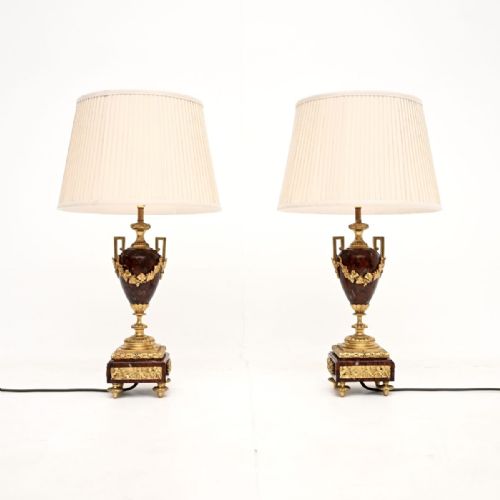
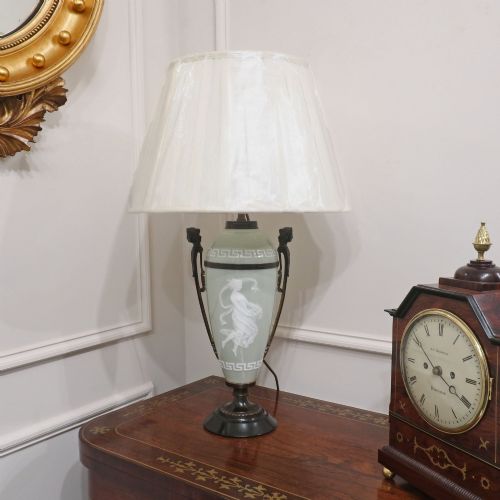
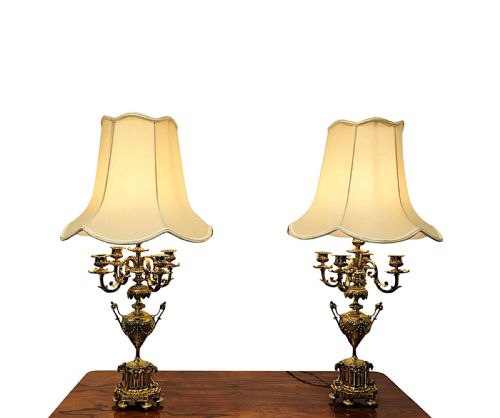
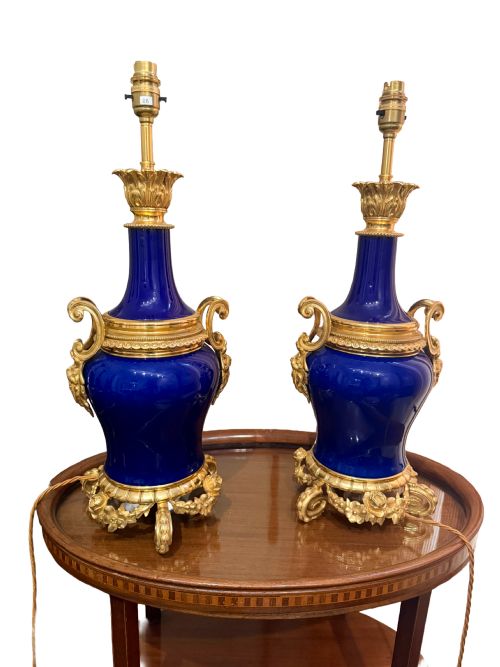
A vintage french urn lamp takes its inspiration from classical vessels, transforming traditional forms into functional lighting for the home. These pieces typically originate from the nineteenth and early twentieth centuries, reflecting enduring design movements such as Neoclassical, Louis XVI style, and Rococo Revival. When exploring this category, buyers encounter table lamps and converted oil lamps that adapt historic shapes for modern interiors.
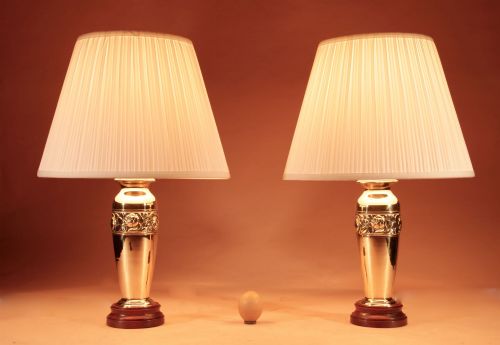
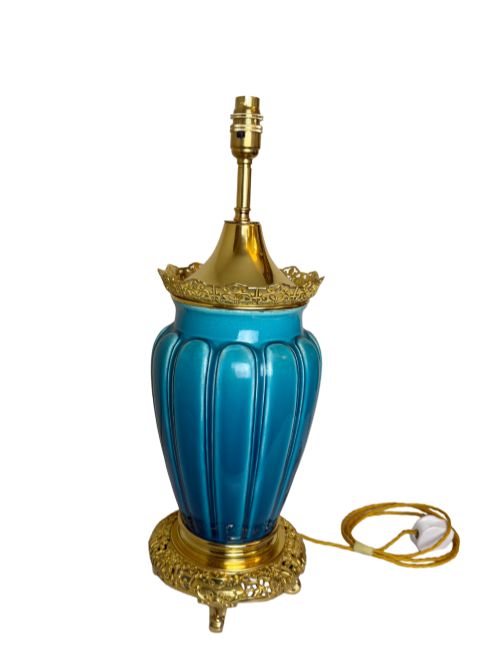
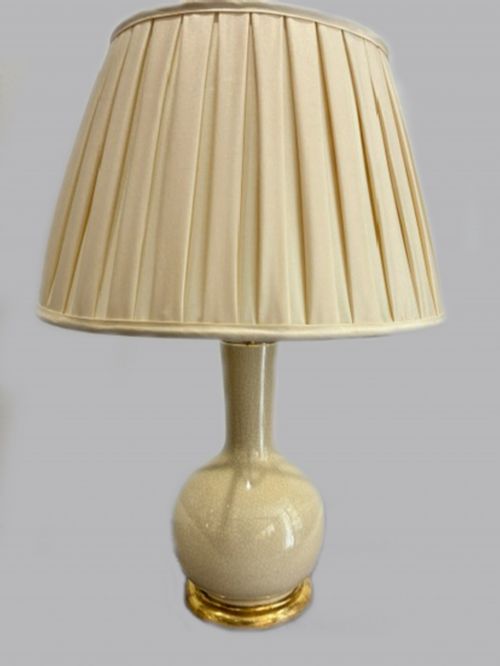
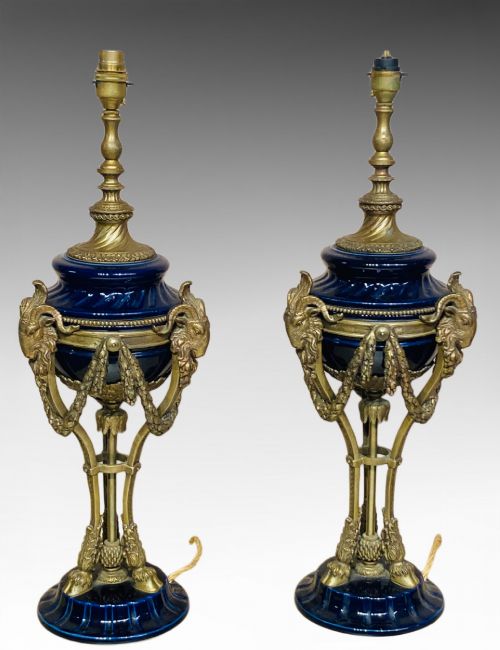
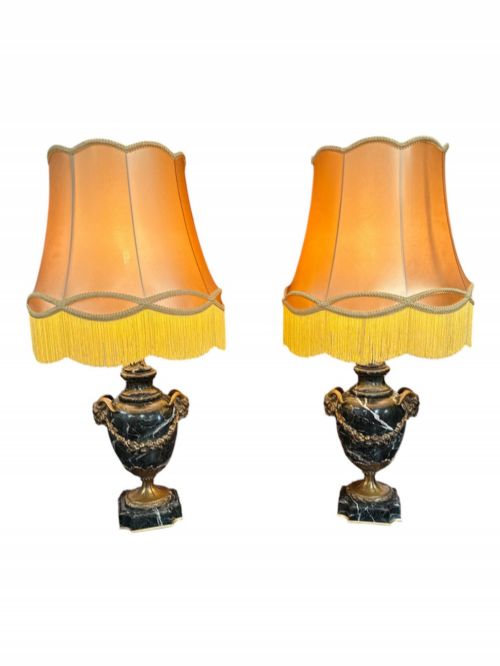
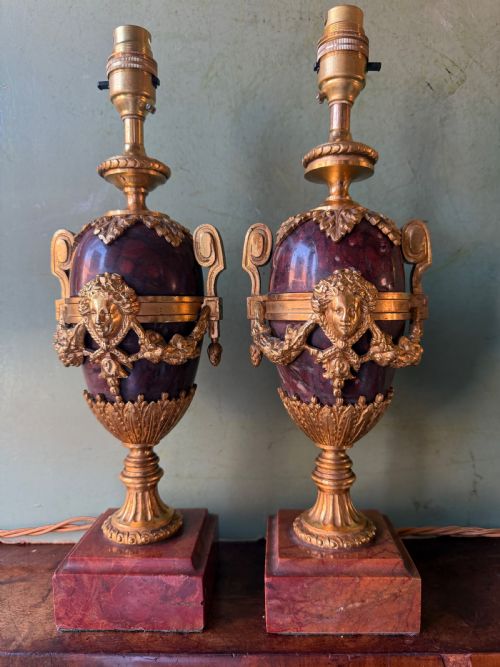
The material vocabulary of these lamps relies heavily on porcelain, marble, and onyx bodies paired with cast metal mounts. Many examples employ blue porcelain, rouge marble, or white onyx as the central urn or vase, supported by heavy bronze or brass bases. This combination of ceramic and stone with gleaming metalwork defines the classic appearance of pieces found in this selection.
Evaluating Quality and Craftsmanship
Material selection also dictates the standing of a piece within the range, particularly regarding the figure and grain of the marble or onyx. Uniform porcelain glazing, hand-painted precision on ceramic bodies, and tight joints between stone and metal components indicate superior workshop assembly. Lamps that retain their matching pairs and original hand-chased mounts demonstrate higher preservation value.
Several of these lamps stand firmly on tiny bronze paw feet, as though the heavy stone urns might suddenly decide to walk across the sideboard.
Samson
The Vintage French Urn Lamp Glossary
- Ormolu
- Gilded bronze, typically produced by applying a mercury and gold amalgam to cast bronze before heating. This technique creates a durable, warm golden finish characteristic of fine antique metalwork.
- Pate sur pate
- A porcelain manufacturing technique where wet white porcelain slip is painted in successive layers onto a coloured ceramic background. This builds up a delicate low-relief cameo effect.
- Cassolette
- A decorative vessel featuring a reversible lid that functions either as a closed urn or an incense burner. In lighting applications, these forms are adapted to serve as lamp bases.
- Louis XVI Style
- A Neoclassical design movement emphasising symmetry, straight lines, and classical architectural motifs such as fluting and acanthus leaves. It heavily influences French decorative arts from the nineteenth century onward.
Vintage French Urn Lamp: Frequently Asked Questions
What periods do these lamps come from?
The pieces span the nineteenth century through the early decades of the twentieth century. They encompass Victorian, Art Deco, and revival periods inspired by earlier French monarchies.
Craftsmen during these eras frequently adapted classical shapes from antiquity, reinterpreting them through the prevailing taste of the late eighteen-hundreds and nineteen-twenties.
How were oil lamps converted into table lamps?
Conversion typically involved removing the original burner mechanism and running electrical cord through the central reservoir. The structural body of the urn and its metal mounts remained untouched.
Many antique lighting pieces underwent this transition during the mid-twentieth century to accommodate modern domestic electrical standards while preserving their decorative appearance.
How do I distinguish marble from onyx bases?
Marble displays distinctive veining and a crystalline structure formed from metamorphosed limestone. It generally feels cooler to the touch and heavier in hand.
Onyx, by contrast, often exhibits a translucent quality with banded parallel layers of chalcedony. This allows light to catch the stone in ways that solid marble does not.
Where should I place an urn lamp in a room?
These lamps function best on substantial pieces of furniture such as sideboards, console tables, or large desks. Their height and visual weight demand a stable surface.
Positioning them away from high-traffic edges protects the protruding ormolu mounts and delicate porcelain handles from accidental bumps.