
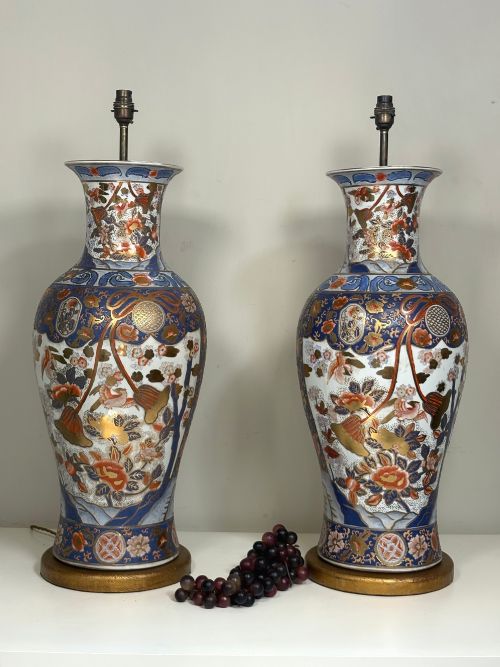


Hand Painted Ceramic Lamps
These hand painted ceramic lamps bring tactile richness and vibrant pattern to a room, drawing on centuries of global pottery traditions.
What hand painted ceramic lamps are
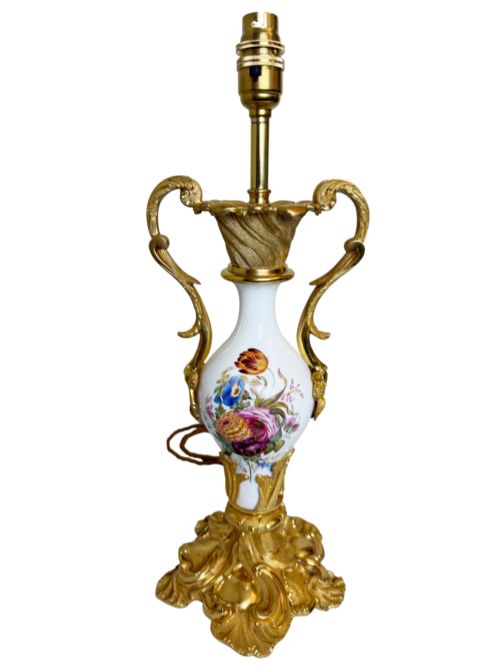
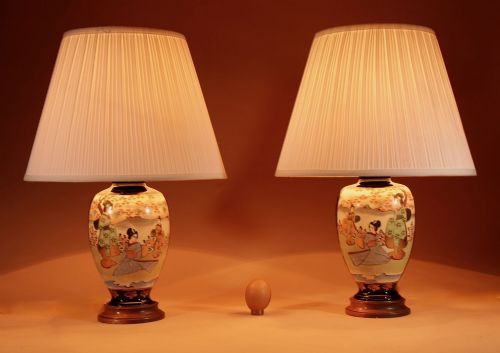
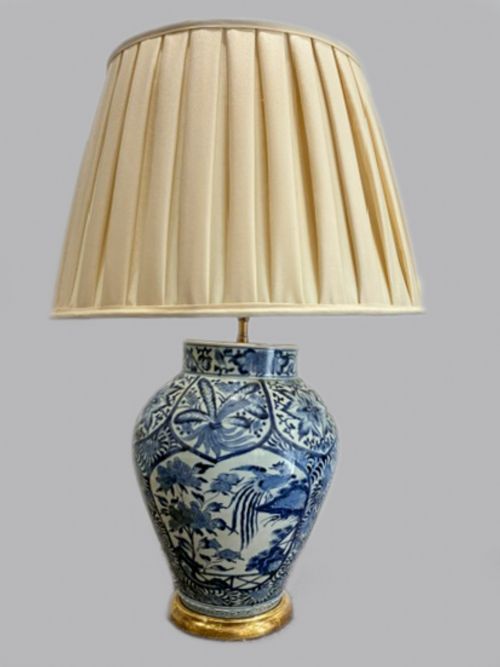
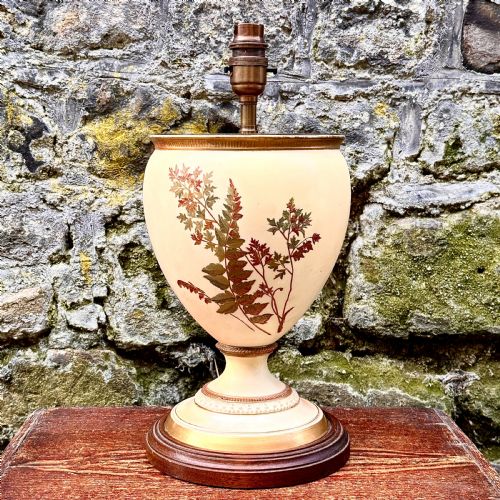
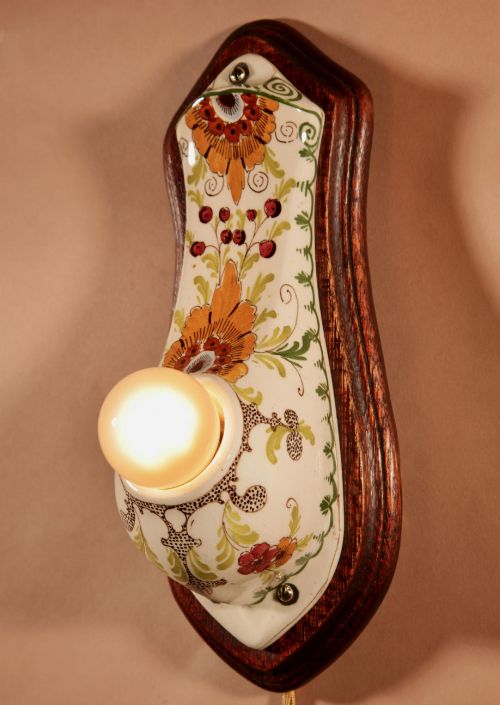
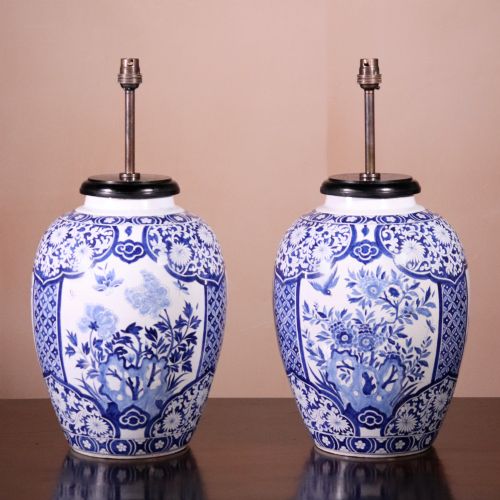
When you search for hand painted ceramic lamps, you encounter decorative lighting formed from historical vessels, jars and vases. These pieces span from the nineteenth century into the twentieth century, often created as matched pairs for symmetry on a sideboard or mantelpiece. Their bodies carry elaborate hand-applied decoration executed in diverse international workshops.
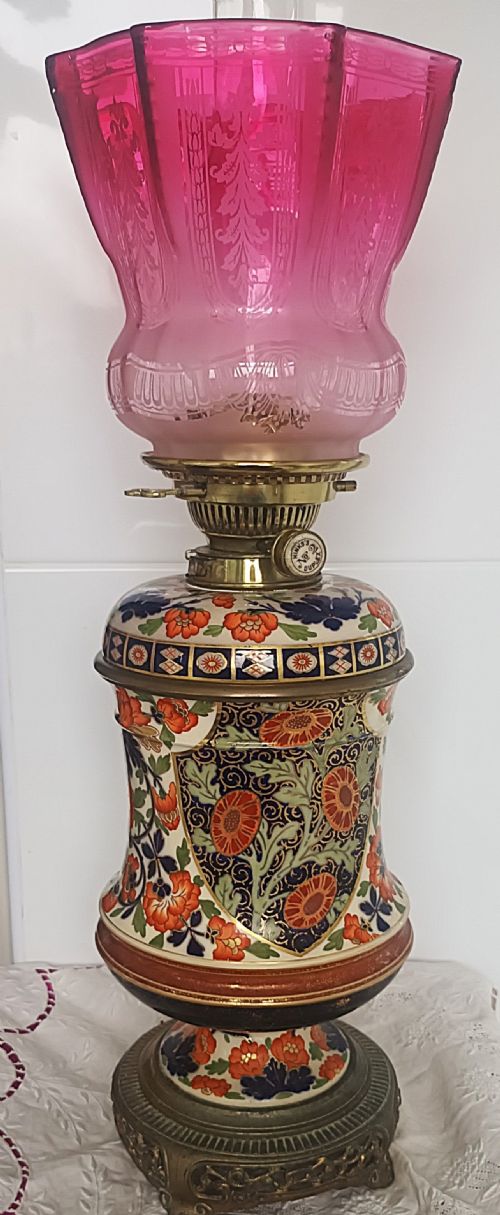
The selections on this page demonstrate distinct cultural styles ranging from Japanese Meiji Satsuma and Imari wares to Chinese Famille Verte and Famille Rose productions. European examples also appear, including Italian Maiolica table lamps and Renaissance Revival designs. Most items originate as imported porcelain or earthenware vessels subsequently adapted for electrical fittings.
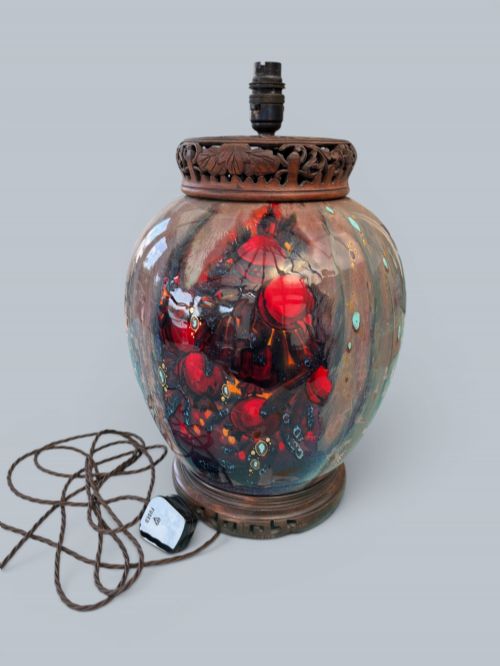
Forms vary from robust baluster vases to slender jars, mounted on supportive bases made of brass or wood to ensure stability. Fabric shades frequently complete the ensemble, though the ceramic body remains the visual centrepiece. Buyers typically seek these items to introduce historic character and rich colour palettes into interior schemes.
How they were made
The foundational bodies rely on traditional ceramic and porcelain manufacturing techniques, shaped by hand or on the potter's wheel before firing. Artisans then apply detailed enamel pigments by hand across the surface, utilising intricate brushwork to define figures, foliage and geometric motifs. Subsequent kiln firings fuse these vibrant colours permanently into the glaze.
Mounting hardware utilises durable metals like brass alongside turned wood bases to secure the ceramic vessels safely. Fabric components provide the upper diffusing shade, complementing the substantial weight and texture of the glazed earthenware or porcelain below.
Retail Price Guide 2026
Typical UK retail prices for hand painted ceramic lamps, calculated from the Sellingantiques database of over a million retail prices indexed since 2003. This retail price guide relies exclusively on Sellingantiques data; no external sources or auction records are used, so the figures do not describe the wider market.
The inventory incorporates diverse cultural traditions, including Japanese Meiji Satsuma, Imari, Chinese Qing dynasty wares and Italian Renaissance Revival designs.
What varies in quality
Quality rests primarily upon the precision and complexity of the hand-painted brushwork across the ceramic body. Finer examples display meticulous detail in enamel work and harmonious colour selection, whereas simpler pieces show broader, less refined application. The artistic merit of the original vase or jar dictates the ultimate distinction of the lamp.
The physical scale and matching quality of pairs also determine value, as genuine matched sets command greater visual presence. Furthermore, the integration of supportive mounts in brass or wood affects structural integrity and aesthetic balance, distinguishing superior adaptations from utilitarian conversions.
The Hand Painted Ceramic Lamps Glossary
- Famille Verte
- A Chinese porcelain palette dominated by green enamel hues, developed during the Qing dynasty and frequently adapted into lighting. This style displays intricate botanical and figurative scenes across the ceramic surface.
- Famille Rose
- A Chinese porcelain decoration group characterised by opaque pink enamel colours, emerging in the eighteenth century and continuing into later periods. The palette allows for subtle shading in floral and narrative motifs.
- Maiolica
- Italian tin-glazed earthenware notable for bright colours and opaque white surfaces, often associated with Renaissance Revival aesthetics. Artisans paint directly onto the unfired glaze to achieve permanent, rich tones.
- Satsuma
- Japanese earthenware pottery featuring a crackle-glaze finish decorated with elaborate polychrome and gilt designs. Originating in Satsuma Province, these wares gained immense popularity for export during the Meiji period.
- Imari
- Japanese export porcelain displaying a distinctive decorative scheme of underglaze blue, iron red and gilt highlights. The bold patterns create a striking visual impact suited to decorative table pieces.
Frequently Asked Questions
Are these lamps converted from antique vases?
Many examples begin life as decorative porcelain or ceramic vases, jars and vessels produced during the nineteenth and twentieth centuries. Skilled makers later adapt these objects into functional table lamps by adding electrical wiring and stable bases.
This conversion process preserves the historic artistic value of the original ceramic while allowing the piece to serve a modern interior function.
How do I identify Chinese Famille Verte?
Famille Verte pieces are defined by a vibrant green dominant enamel palette applied over Chinese porcelain bodies. These items frequently date from the nineteenth century or earlier periods and depict detailed narrative or natural scenes.
Examining the brushwork under magnification reveals the delicate hand-painted lines characteristic of traditional Qing dynasty workshop production.
What periods do these ceramic lamps represent?
The available pieces span the nineteenth and twentieth centuries, incorporating Victorian-era revivals alongside Meiji period Japanese exports and Qing dynasty Chinese styles. Each era brings distinct manufacturing methods and stylistic conventions to the finished lamp.
Dating relies on stylistic markers within the enamel painting, the nature of the ceramic body and the materials used for mounting.
How should I clean a painted ceramic lamp?
Maintenance requires gentle dusting with a soft, dry cloth to protect the delicate hand-applied enamel decoration from abrasion. Avoid using harsh chemical cleaners or submerging the ceramic body in water, as moisture can damage both the painted surface and internal wiring components.
Regular care ensures the historic glazes and gilt highlights retain their original lustre over time.