
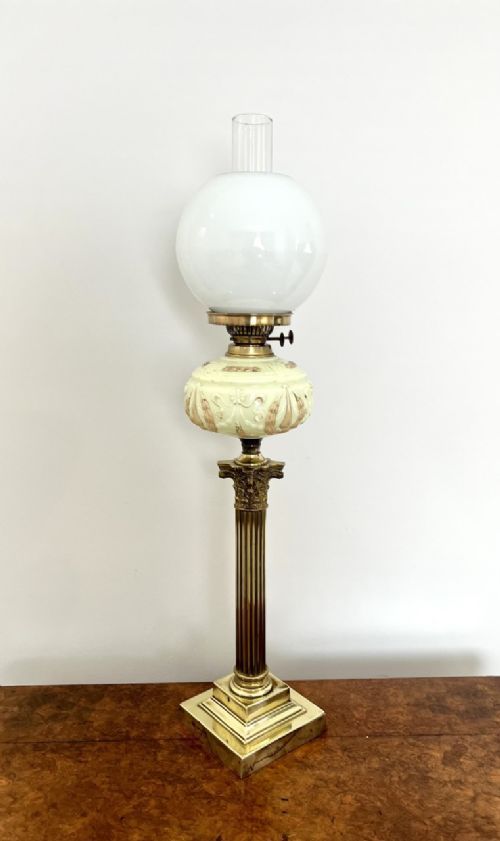
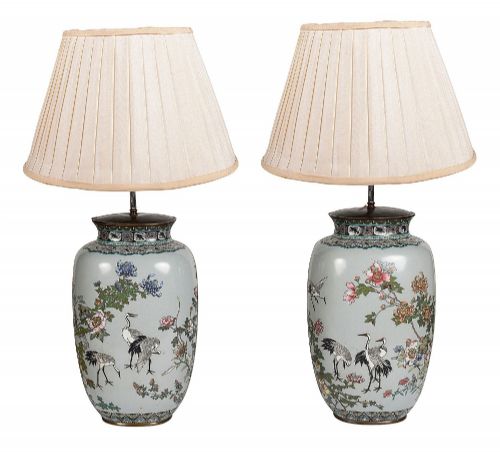
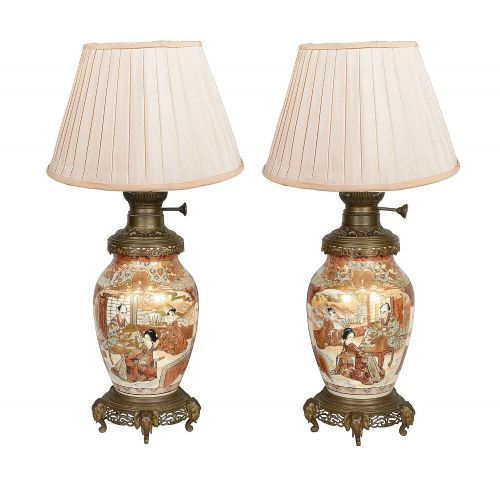

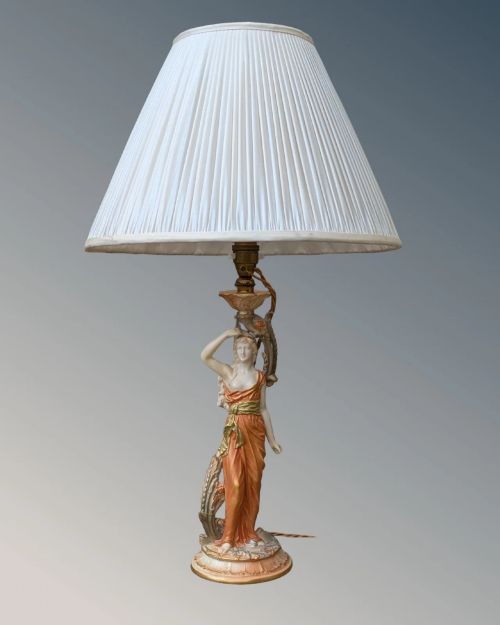

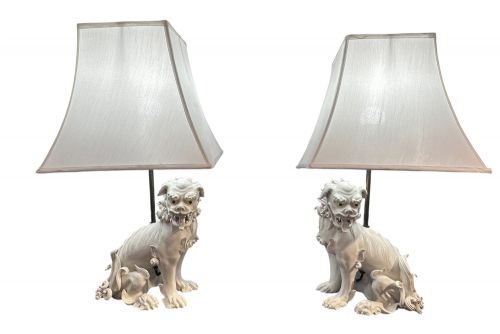


Cream Ceramic Table Lamp
These cream ceramic table lamp options bring warmth and texture to an interior, offering both practical illumination and genuine period character.
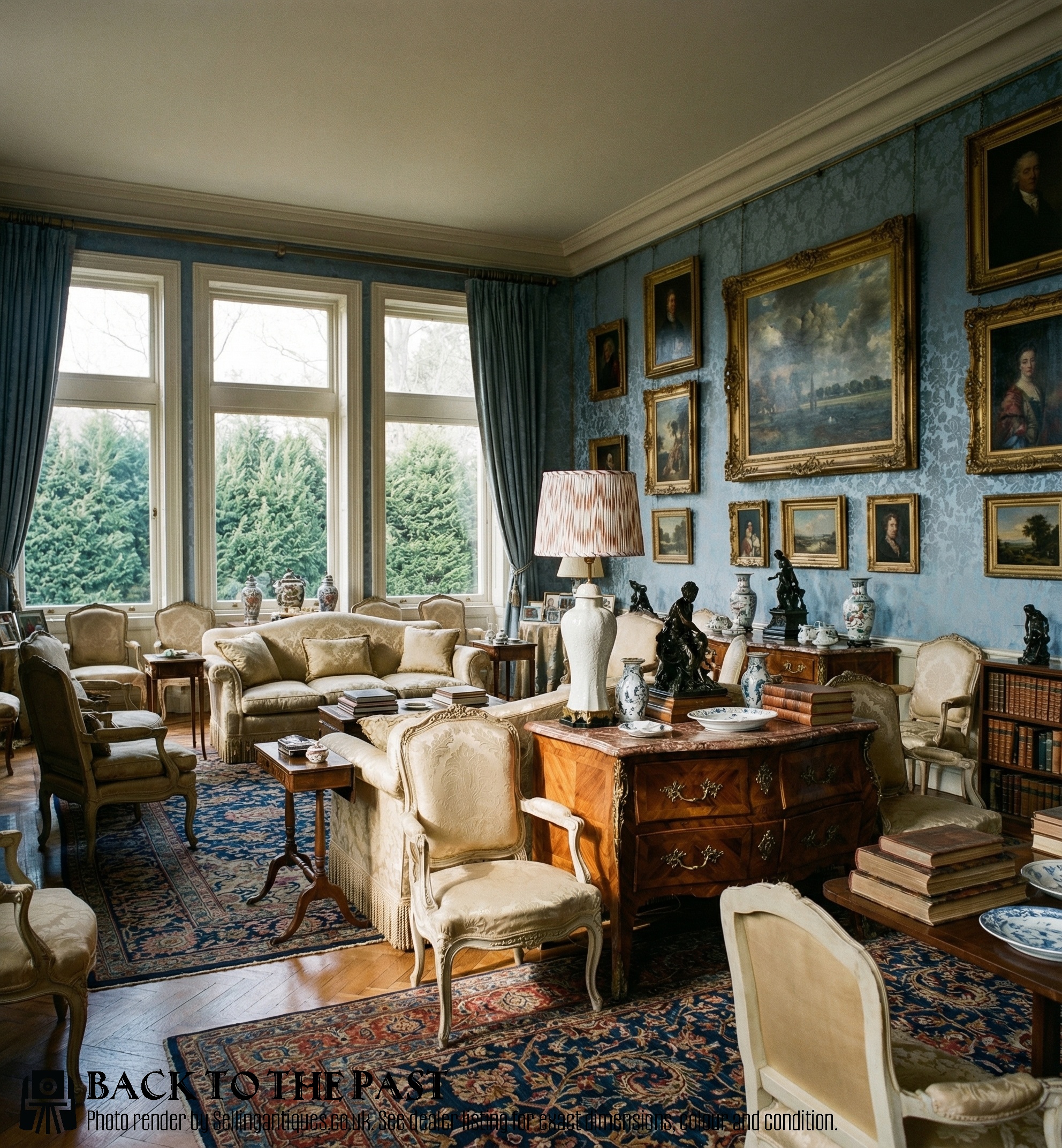
Defining cream ceramic table lamp examples
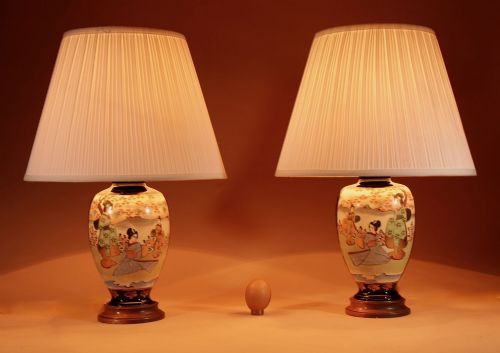
A cream ceramic table lamp brings together functional lighting and historical craftsmanship, drawing on varied global aesthetic traditions. When exploring cream ceramic table lamp designs on this page, buyers encounter diverse forms ranging from Satsuma ware to Art Deco pieces.
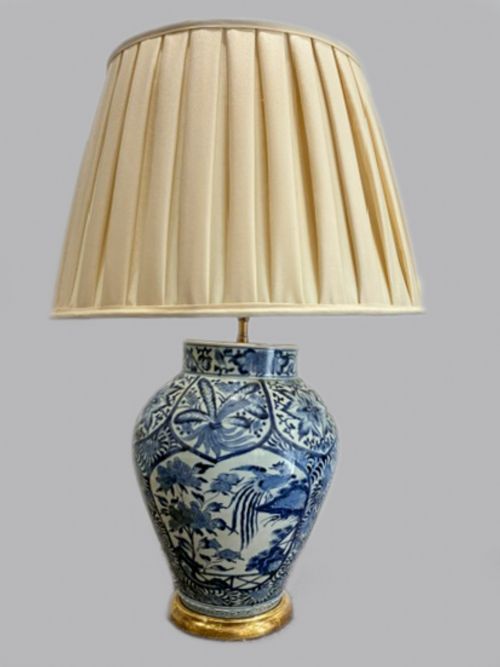
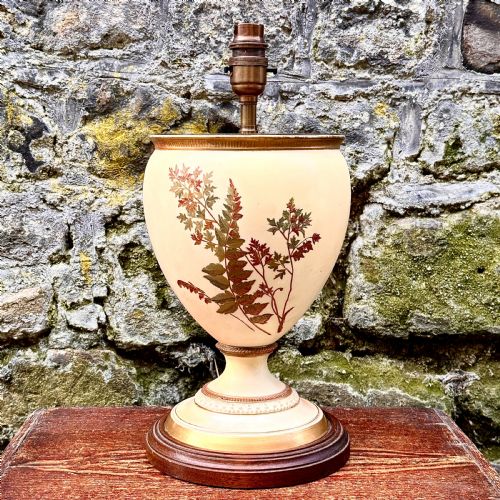
The selection includes Japanese Meiji and French Chinoiserie styles, alongside English stoneware from Denby. Each cream ceramic table lamp reflects specific period preferences, spanning the nineteenth century up through the nineteen-thirties.
Materials and construction
These items utilise ceramic, porcelain, and stoneware bodies combined with metal, brass, wood, and fabric elements. Potters shaped these materials using traditional throwing and moulding techniques before applying glazes and decorative enamel work.
Makers integrated electrical fittings into existing vessels or constructed them specifically as lamps during the manufacturing process. The resulting pieces balance sturdy earthenware or porcelain structures with delicate surface ornamentation.
Retail Price Guide 2026
Typical UK retail prices for cream ceramic table lamp, calculated from the Sellingantiques database of over a million retail prices indexed since 2003. This retail price guide relies exclusively on Sellingantiques data; no external sources or auction records are used, so the figures do not describe the wider market.
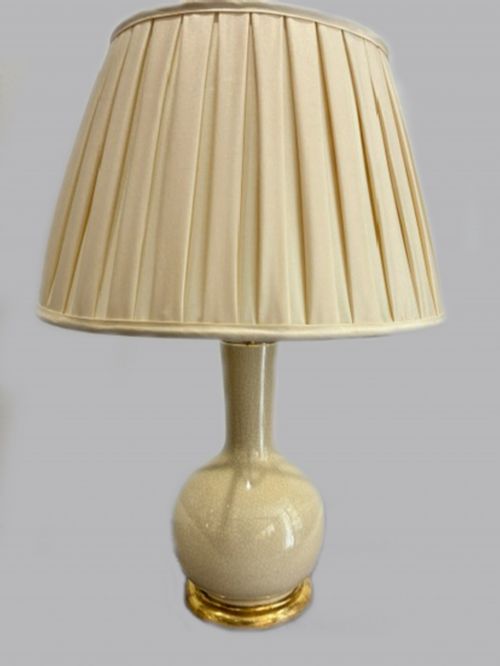
Some nineteenth-century crackleware vases started life simply holding flowers before an electrician gave them a second career lighting up the room.
Judging quality in cream ceramic table lamps
Quality rests in the finesse of the ceramic body, the precision of the enamel or crackleware glaze, and the integrity of any applied brass or wooden mounts. Finer examples display meticulous hand-painted details and well-balanced proportions that elevate utilitarian lighting into decorative art.
Simpler production pieces show less intricate surface work and more standardised forms, whereas superior items preserve the distinct hand of the maker or pottery workshop. The sophistication of the period style, whether Chinoiserie or Art Deco, dictates the overall refinement of the piece.
The Cream Ceramic Table Lamp Glossary
- Satsuma ware
- A type of Japanese earthenware originating from the Satsuma Province, traditionally characterised by an ivory-coloured crackle glaze and elaborate enamel painting.
- Art Deco
- A design style dominant in the nineteen-twenties and nineteen-thirties that favoured streamlined geometric forms, stylised motifs, and modern industrial materials.
- Chinoiserie
- European artistic style that reflects Chinese aesthetic influences, frequently applied to porcelain and decorative objects during the eighteenth and nineteenth centuries.
- Crackleware
- Pottery featuring a network of fine intentional cracks in the glaze layer, adding texture and a sense of age to the ceramic surface.
Frequently Asked Questions
What periods do these lamps come from?
The pieces span the nineteenth century, the nineteen-twenties, and the nineteen-thirties. This covers varied stylistic movements including Art Deco and Japanese Meiji.
Buyers find distinct manufacturing methods across these eras, from French Chinoiserie porcelain to English stoneware.
Are these lamps wired for modern use?
Yes, the listings include fittings suitable for contemporary electrical standards while retaining their historical bases. Fabric shades frequently complement the ceramic bodies.
Installation requires standard domestic electrical connections appropriate for table lighting.
What materials make up these lamps?
The primary bodies consist of ceramic, porcelain, stoneware, and enamel. Secondary components incorporate metal, brass, wood, and fabric.
This mix of materials provides structural stability and decorative contrast for the glazed ceramic elements.