

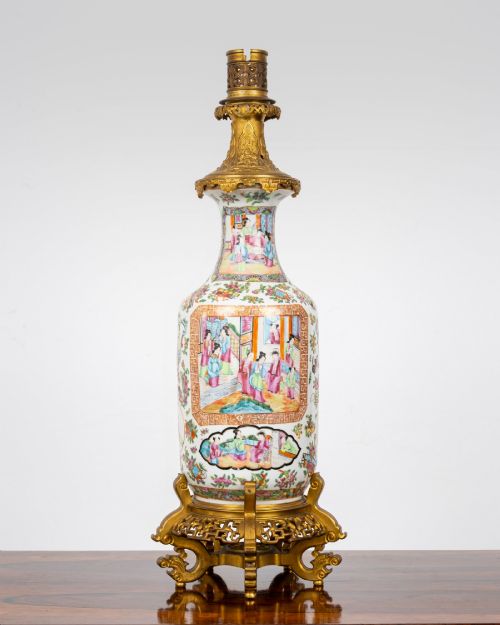


19th Century Ceramic Lamps
These 19th century ceramic lamps bring historic hand-painted porcelain and earthenware into modern interiors as striking functional table lighting.
19th Century Ceramic Lamps
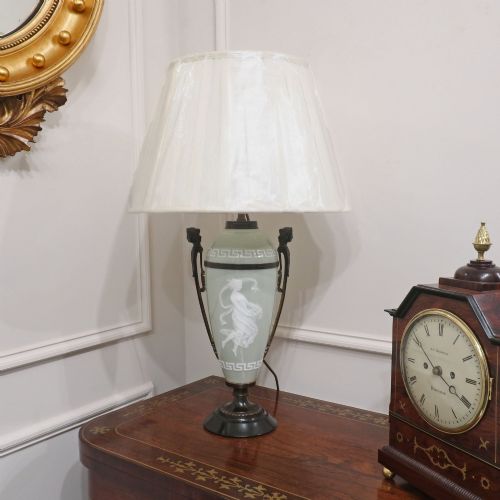
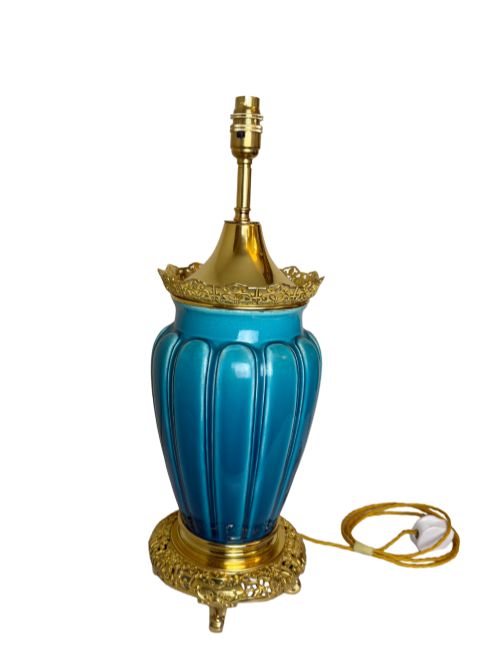
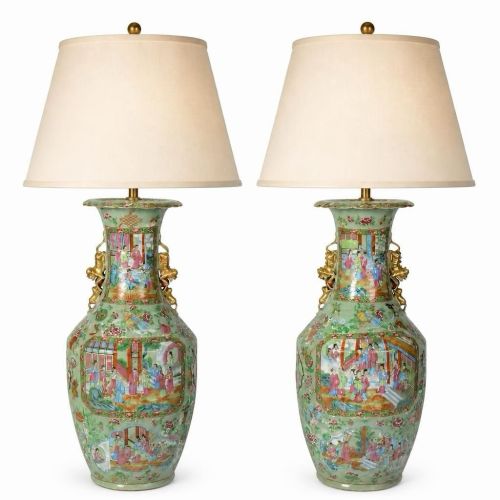
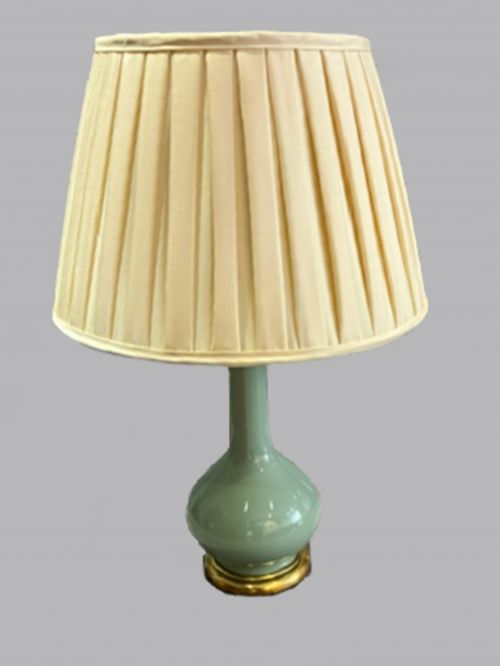
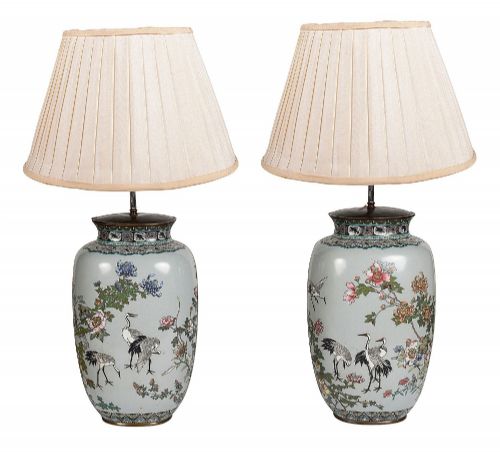
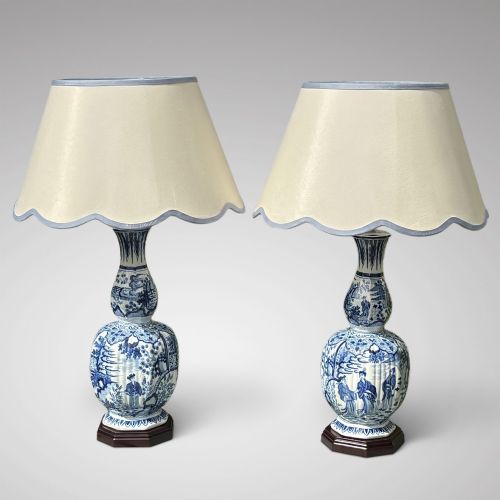
When searching for 19th century ceramic lamps, you encounter a diverse selection of transformed antique vessels, ranging from Chinese export vases to French porcelain urns mounted for electrical use. The selection relies heavily on converted vases, including Chinese celadon, blue and white, and Famille Rose pieces fitted with gilt bronze or brass mounts.
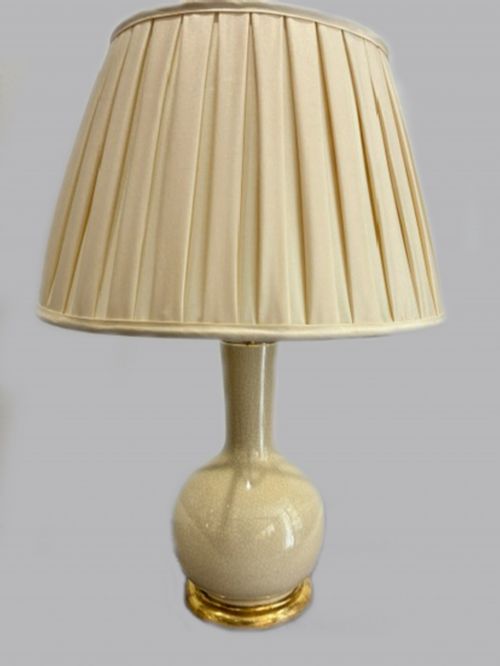
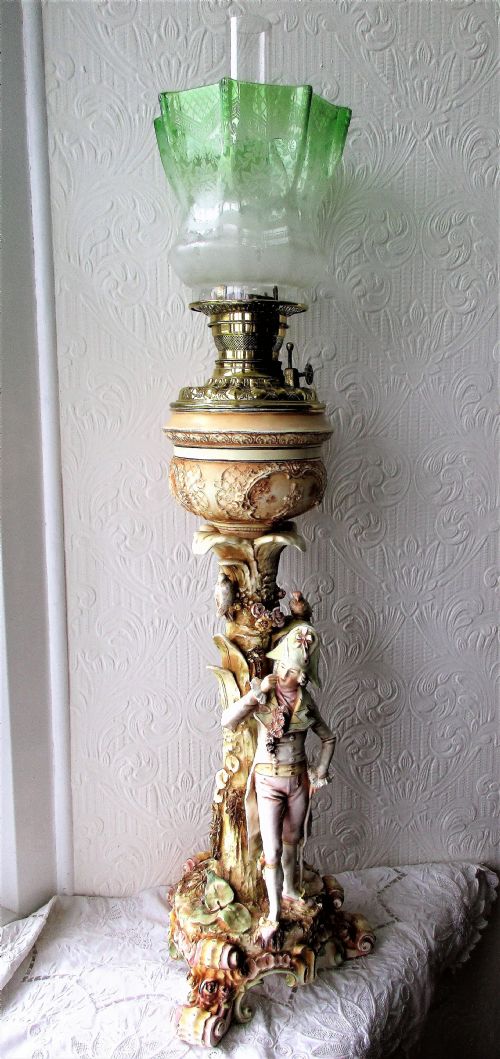
Many examples originate from the Victorian period or the closing decades of the nineteenth century, often appearing as matched pairs. Forms span from figural oil lamps shaped as animals to grand crackleware vessels and delicate pâte-sur-pâte porcelain.
Makers and workshops from diverse traditions contributed to these pieces, utilising porcelain, earthenware, and pottery bodies decorated in distinct regional styles. Buyers frequently select these lamps to introduce colour, pattern, and historical weight to interior spaces.
Materials and construction
The construction typically combines a ceramic body with metal mountings, utilising materials such as porcelain, brass, gilt bronze, and ormolu. Artisans mounted these ceramic vessels, which often began life as vases or oil lamps, onto stable bases and fitted them for illumination.
Surface decoration involves hand-painted enamels, underglaze blue, crackleware glazes, and specialised techniques like pâte-sur-pâte relief work. Silk and fabric shades frequently complete the assembly, resting atop fitted metal hardware.
German porcelain spitz dog lamps from the 1880s illuminate rooms while staring steadfastly from the sideboard.
Assessing quality and execution
Quality reveals itself in the fineness of the ceramic body and the precision of the hand-painted detail. Superior pieces exhibit crisp brushwork, balanced proportions, and substantial mounts in gilt bronze or ormolu rather than simple brass.
The harmony between the original ceramic vessel and its subsequent metal mounts distinguishes exceptional examples from standard conversions. Matched pairs and pieces retaining intricate glazes or specialised decorative techniques command greater attention from collectors.
Gien France·Victorian Anglo-American
The 19th Century Ceramic Lamps Glossary
- Celadon
- A term for ceramics featuring a pale green transparent glaze that often mimics jade. It originates from historic kilns in East Asia and appears frequently on nineteenth-century vase lamps.
- Famille Rose
- A palette of Chinese porcelain enamels dominated by opaque pink or rose colours. Introduced in the eighteenth century, this decorative style continued through the nineteenth century on export wares.
- Ormolu
- Gilded bronze mounts applied to furniture, porcelain, and decorative objects. French nineteenth-century lamps frequently employ this technique to frame ceramic bases.
- Pâte-sur-pâte
- A method of ceramic decoration where wet porcelain slip is applied in successive layers to build a low relief design. It gained popularity in European porcelain production during the nineteenth century.
- Crackleware
- Pottery or porcelain featuring a network of fine cracks intentionally created in the glaze during firing. This texture appears across various nineteenth-century Asian and European decorative ceramics.
19th Century Ceramic Lamps: Frequently Asked Questions
Are 19th century ceramic lamps wired for modern use?
Many of these pieces arrive rewired for contemporary electrical standards while retaining their historic ceramic bodies and metal mounts.
Buyers should inspect the internal wiring upon acquisition to ensure compatibility with domestic safety requirements.
How do I identify Chinese export lamps from this era?
Chinese export pieces from the nineteenth century typically display traditional palettes such as Famille Rose, blue and white, or celadon. These vessels were frequently adapted into lamps in the West by adding bronze or brass mounts.
Examining the base and the glaze craquelure helps determine the manufacturing period and geographic origin.
What is the difference between a vase lamp and an oil lamp?
Vase lamps started as decorative ceramic vessels before being converted into electrical lamps by adding a central rod and lamp holder. Oil lamps were originally manufactured with burners and reservoirs designed to burn fuel.
Both forms appear frequently within nineteenth-century lighting selections.
How should I care for antique porcelain lamps?
Dust the ceramic body and fabric shades gently with a soft, dry cloth to prevent the accumulation of dirt. Avoid harsh chemical cleaners that might damage hand-painted enamel decoration or aged metallic mounts.
Ensure bulbs do not exceed recommended wattage limits to protect historic materials.