




Ceramic Bedside Lamp
A ceramic bedside lamp brings colour and texture to a room, drawing on centuries of porcelain and earthenware traditions.
Ceramic Bedside Lamp
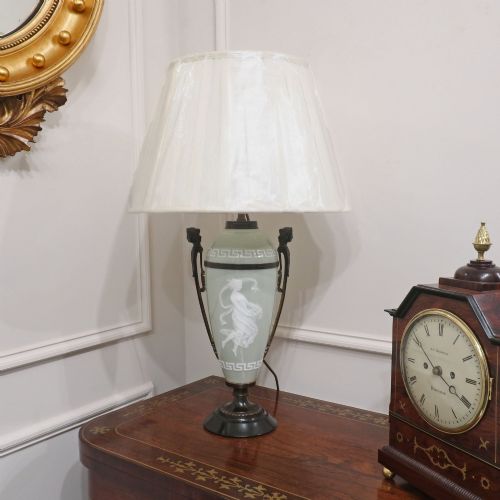
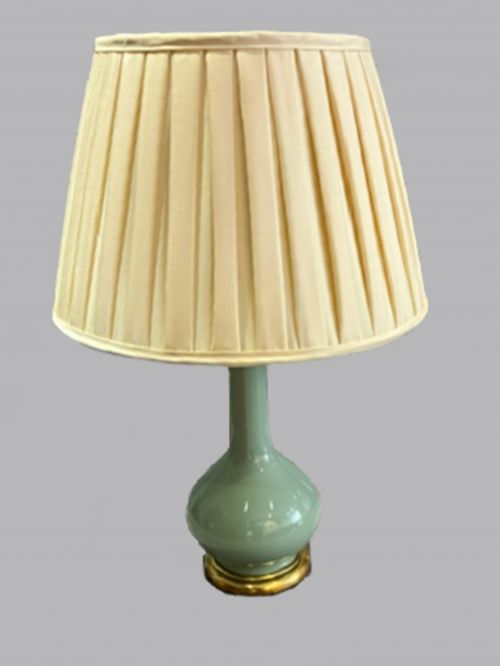
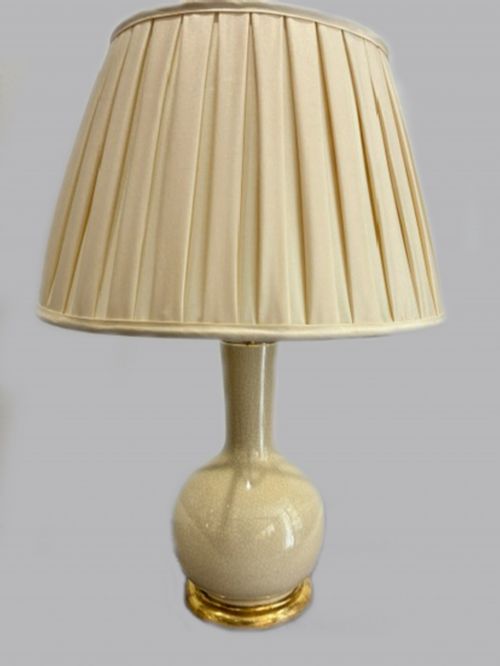
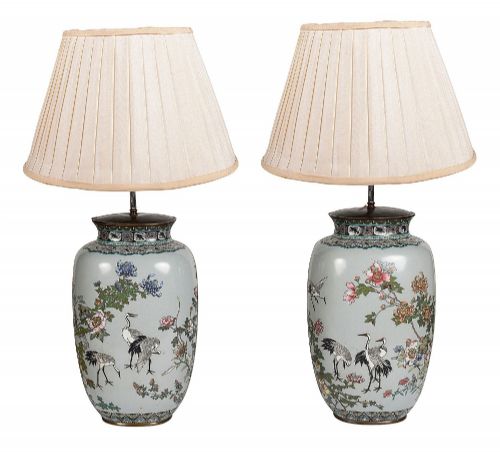
A ceramic bedside lamp unites functional bedroom lighting with decorative ceramic history, ranging from small nineteenth-century porcelain vessels to larger earthenware forms. These pieces often originate from converted vases, ginger jars, and apothecary containers mounted with electrical fittings.
The selection here draws heavily on nineteenth-century production alongside early twentieth-century examples, spanning periods from the Victorian era through Art Deco. Buyers encounter numerous pairs alongside single statement pieces.
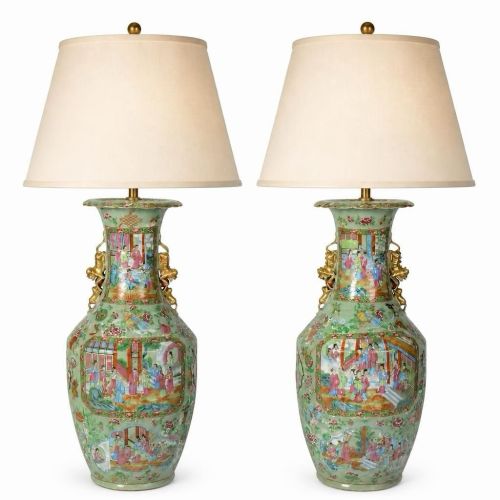
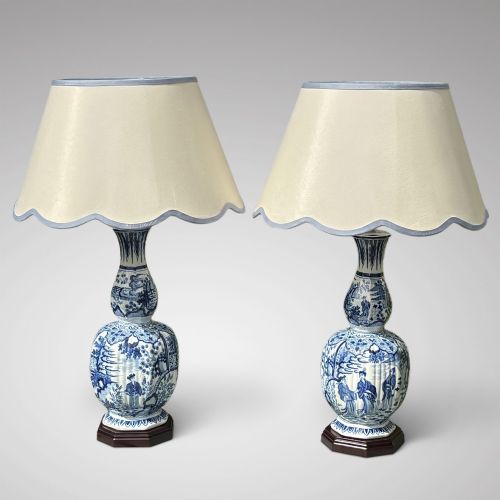
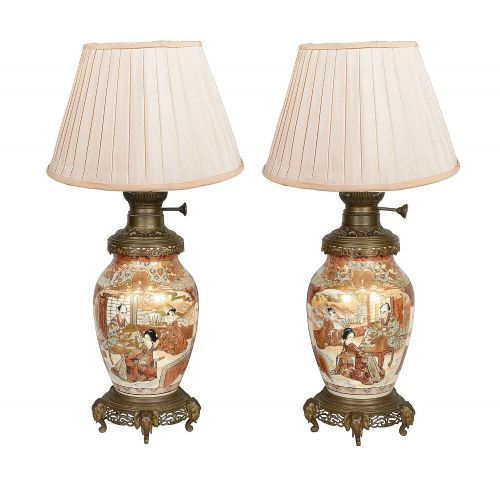
Origins stretch across European potteries and Asian export traditions, including Chinese blue and white wares, Japanese Satsuma, and French porcelain.
Materials and construction
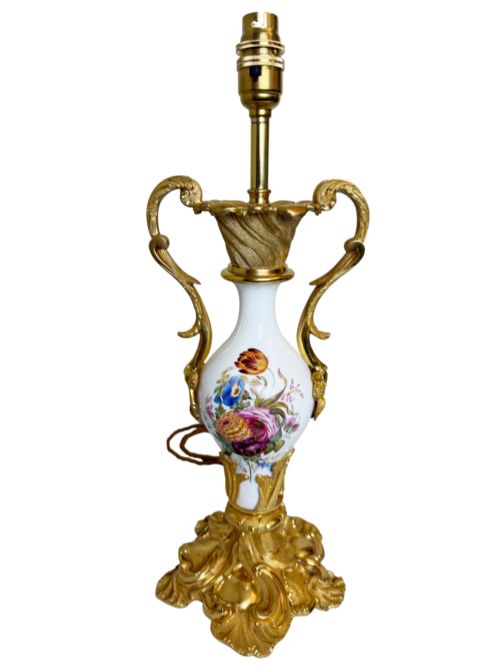
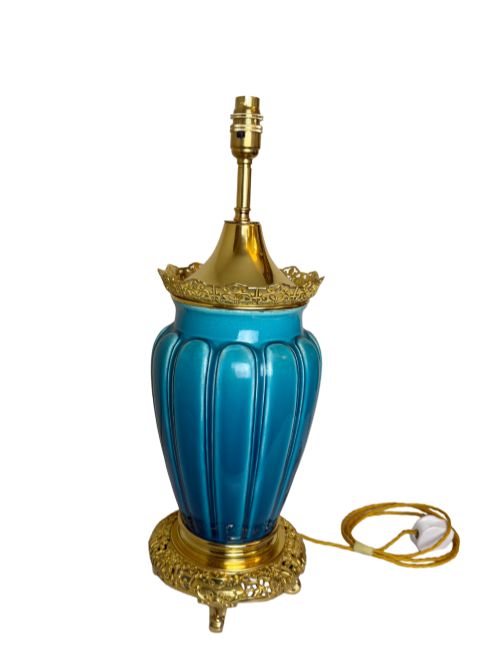
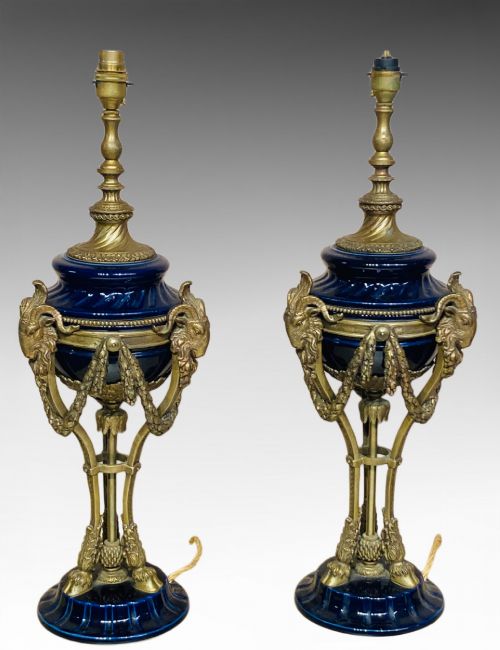
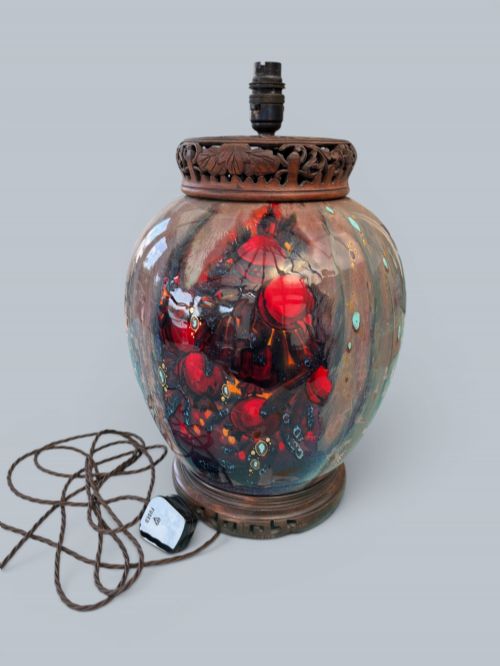
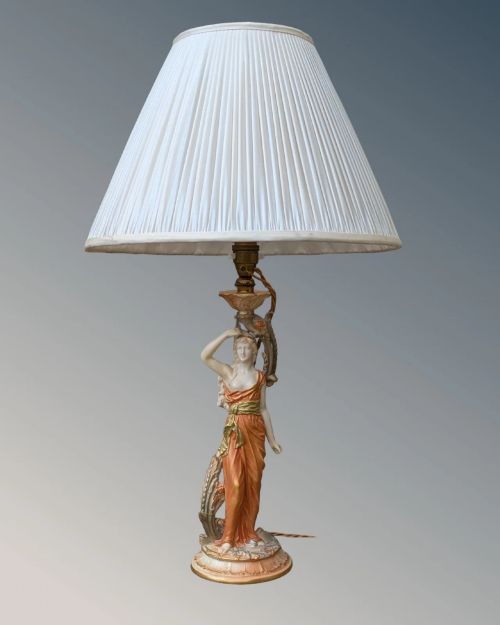
Makers utilised porcelain, earthenware, and majolica as primary bodies, frequently combining ceramic bodies with brass, gilt bronze, or ormolu mounts. Fabric, silk, and handmade shades complete the lighting assembly.
Many items began life as utilitarian vessels or decorative vases before conversion into table lamps, retaining hand-painted glazes, crackleware finishes, and pate sur pate detailing.
A porcelain owl watches over the bedside table with wide, ceramic eyes.
Quality and execution
Quality rests in the crispness of the hand-painting, the depth of the glaze, and the integration of metal mounts. Superior examples display careful handling of delicate enamels and secure mounting that preserves the original ceramic body without unnecessary damage.
The balance of proportion between the ceramic base and the overall height dictates visual success. Finer pieces demonstrate harmonious pairing of period bases with appropriate shade selection.
Moorcroft·Royal Doulton·Royal Worcester·Sitzendorf·Ernst Bohne Sohn·Gien
The Ceramic Bedside Lamp Glossary
- Pate sur pate
- A porcelain decoration technique where wet white slip is built up in layers on a darker background to create a low relief cameo effect. This method requires considerable skill from the ceramicist.
- Ormolu
- Gilded bronze mounts applied to furniture, clocks, and ceramic bases. The technique involves coating metal in a mercury and gold amalgam.
- Satsuma
- Japanese earthenware pottery characterised by a ivory-coloured glaze covered with a fine network of crackles. Pieces are typically decorated with elaborate polychrome enamels and gilt.
- Ginger jar
- A storage jar with a wide shoulders and a high-domed cover, originating in China. These vessels are frequently converted into table lamps.
- Famille verte
- A Chinese porcelain palette dominated by green enamel hues, developed during the Qing dynasty. The style encompasses various shades of green combined with other colours.
Ceramic Bedside Lamp: Frequently Asked Questions
What are ceramic bedside lamps?
These pieces are functional lighting fixtures created from ceramic vessels, including vases, ginger jars, and apothecary containers. They bring traditional pottery forms into domestic interiors as bedside lighting.
Many examples derive from nineteenth-century European and Asian workshops, combining historical ceramic bodies with later electrical wiring and fittings.
How do I choose a bedside lamp?
Consider the scale of the bedside table and the height of the bed to determine appropriate lamp proportions. Smaller porcelain figures and petite ginger jars suit compact spaces.
Matching pairs provide symmetry on dual bedside tables, while single statement lamps work well in asymmetrical interior schemes.
How are lamps converted from vases?
Conversion typically involves mounting the ceramic vessel onto a metal base and fitting a central rod for wiring. Many antique jars retain their original form without alterations to the main body.
Professionally wired examples ensure electrical safety while preserving the structural integrity of the antique ceramic.
How do I identify period styles?
Period identification relies on observing glaze characteristics, painting techniques, and metal mount styles. Victorian and Art Deco pieces each display distinct decorative motifs.
Signatures, backstamps, and specific ceramic bodies such as crackleware or majolica help narrow down manufacturing dates and origins.