






Traditional Chinese Lamp
A traditional chinese lamp brings porcelain, bronze, and lacquer into a room, offering warm light and distinct cultural form.
Traditional Chinese Lamp
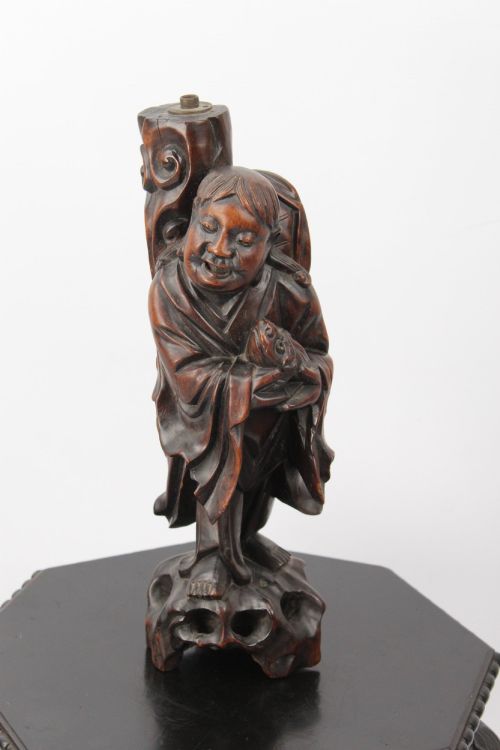
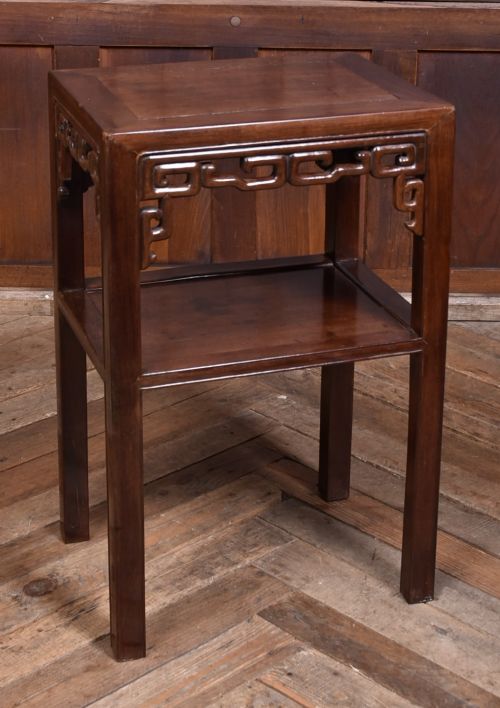
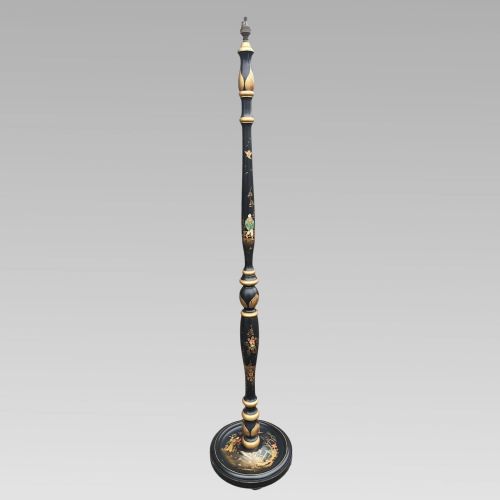
A traditional chinese lamp is typically formed from converted nineteenth-century porcelain vases, cloisonné vessels, or carved hardwood stands. Buyers searching for this phrase encounter table lamps, floor lamps, and standard lamps alongside occasional tables and plant stands.
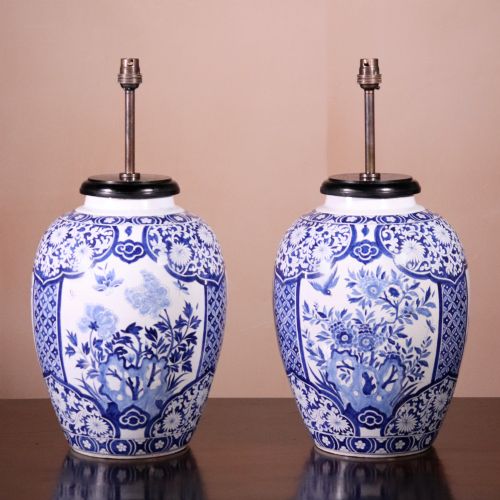
The most common lighting variations on this page utilise blue and white porcelain ginger jars, crackleware, and Famille Rose or Famille Verte vases. These pieces span the Victorian, Edwardian, and early twentieth-century periods, incorporating export wares and provincial designs.
How They Were Made
Vessels utilised for these lamps combine thrown or moulded ceramic bodies with hand-painted underglaze blue, enamel, or cloisonné wirework. Hardwood elements such as elm, padauk, and general imported timbers are joined with traditional framing techniques.
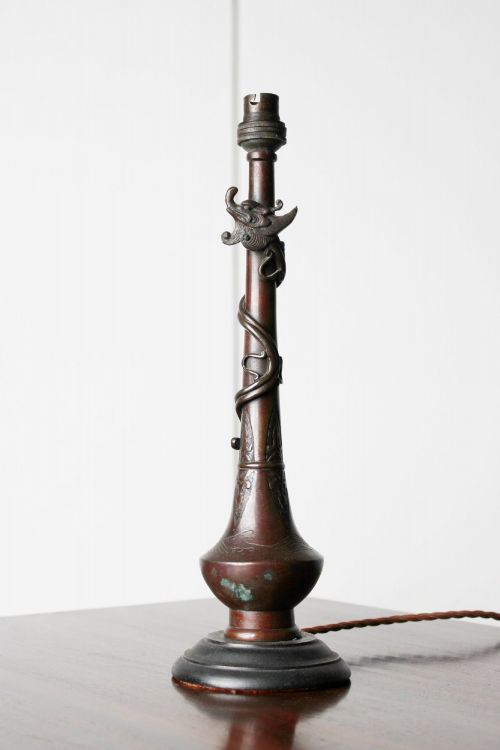
Metal components draw on brass and bronze casting, frequently paired with silk and fabric shades. Lacquer finishes involve repeated layers applied to wooden frames to achieve a deep, protective surface.
Several heavy porcelain vases spent decades doubling as household illumination before anyone thought to check the bottom marks.
What Varies in Quality
The sophistication of the painted ceramic decoration dictates the standing of porcelain lamp bases, separating standard export output from finer hand-painted examples. Crisply defined brushwork and balanced glazing on blue and white or Famille Rose jars distinguish better pieces.
In wooden furniture and lamp stands, the selection of timber such as dense padauk or mature elm and the integrity of the joinery determine overall excellence. The integration of electrical fittings without compromising the original vessel structure also influences the standing of converted items.
The Traditional Chinese Lamp Glossary
- Famille Rose
- A palette of opaque enamel colours dominated by pink, introduced to Chinese ceramics in the eighteenth century. This style continued through nineteenth-century production seen on various vase lamps.
- Cloisonné
- An enamelling technique where metal wire forms compartments on a bronze or brass base, which are then filled with paste and fired. These decorative vessels frequently find new life as lamp bases.
- Crackleware
- A type of ceramic glaze characterised by a network of deliberate microscopic cracks. It appears on nineteenth-century vase lamps listed in this category.
- Padauk
- A heavy, durable tropical hardwood utilised for oriental furniture and standard lamps. Its rich colour and dense grain make it a preferred material for nineteenth-century stands.
- Chinoiserie
- European artistic style reflecting Chinese motifs, popular in Edwardian pieces and revival furniture. It appears across various decorative objects and floor lamps.
Traditional Chinese Lamp: Frequently Asked Questions
What is a traditional chinese lamp?
A traditional chinese lamp usually consists of a converted nineteenth-century porcelain vase, such as a blue and white ginger jar or Famille Rose vessel, fitted for electrical use. Other variations include bronze, cloisonné, or carved hardwood standards paired with fabric or silk shades.
These pieces bridge historical craftsmanship and modern domestic lighting, functioning as focal points in living spaces or studies.
How do I date a traditional chinese lamp?
Dating relies on examining the ceramic body, glaze characteristics, and associated hardware, comparing them against nineteenth-century and early twentieth-century production methods. Victorian and Edwardian conversion practices also offer clues through wiring styles and mounting brackets.
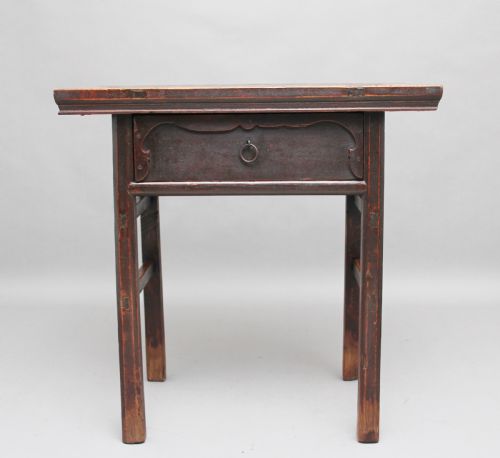
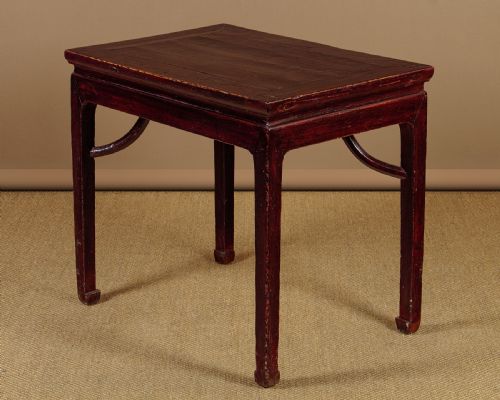
Secondary elements like wooden bases or associated tables provide additional contextual dates spanning the 1860s to the 1930s.
Where should I place a traditional chinese lamp?
These lamps suit side tables, occasional tables, or writing desks where their decorative ceramic or bronze bases can be appreciated at close range. Floor standing models work well in corners or beside seating areas to provide ambient illumination.
Pairing them with neutral walls allows the intricate blue and white, Famille Rose, or lacquered details to stand out clearly.
How do I care for a traditional chinese lamp?
Dust ceramic and bronze bases gently with a soft, dry cloth to prevent the accumulation of grit on delicate enamel or glaze surfaces. Wood components benefit from occasional treatment with appropriate furniture wax to maintain the condition of elm or padauk.
Ensure electrical components are checked periodically by a qualified professional, particularly on converted nineteenth-century pieces.