


Cobalt Blue Porcelain Lighting
Cobalt blue porcelain lighting brings deep, saturated colour and gleaming metal mounts into a room through nineteenth-century lamps and converted vases.
Cobalt Blue Porcelain Lighting
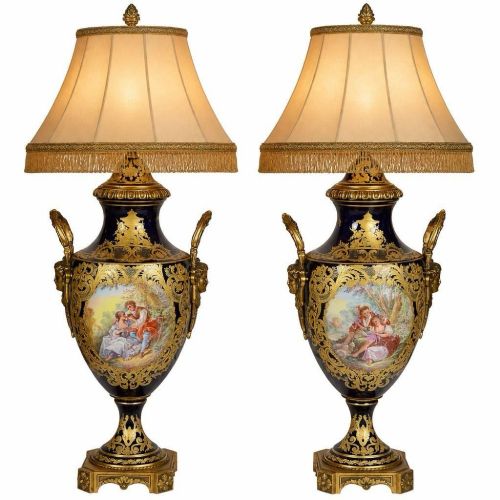
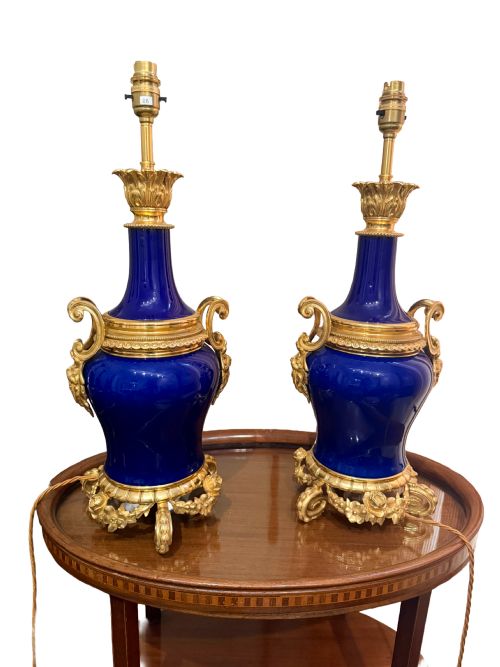
Cobalt blue porcelain lighting centres on nineteenth-century table lamps, candlesticks, and candelabra formed from imported and European ceramic bodies. Buyers encounter French Sevres style pieces alongside Chinese blue and white vases adapted for electricity.
Assessing the pieces
Quality rests in the crispness of the hand-painted decoration against the cobalt ground and the weight of the metal mounts. Finer examples display meticulous chasing on the ormolu and deep, unblemished blue glaze.
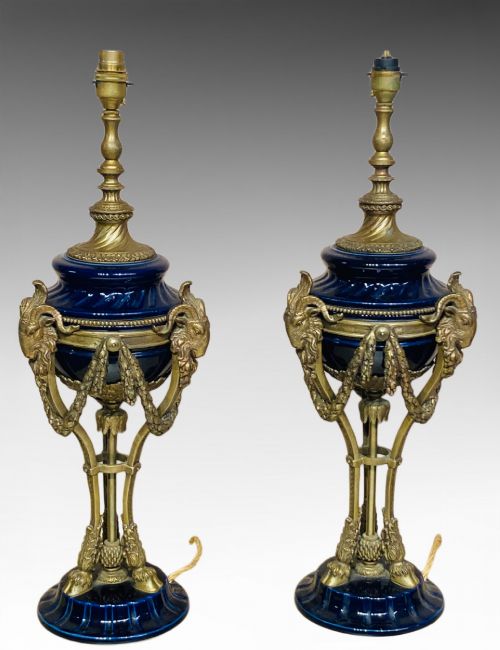
The harmony between the ceramic body and its metal settings dictates the success of each piece. Superior items show precise alignment where the porcelain meets the brass or gilt bronze collars.
Current listings feature porcelain, brass, ormolu, and glazed ceramic combined into table lamps, candlesticks, and candelabra.
The Cobalt Blue Porcelain Lighting Glossary
- Ormolu
- Gilt bronze mounts applied to furniture and ceramics. The technique involves a mercury-gilding process that leaves a warm, durable metallic finish.
- Sevres style
- European porcelain decorated in imitation of the famous French royal factory. These pieces typically feature rich blue grounds paired with hand-painted scenes or gilded highlights.
- Cloisonne
- Enamelling technique where wires create compartments on a metal base. The cells are filled with coloured paste and fired.
- Imari
- Japanese export porcelain decorated in underglaze blue and iron red with added gold. These colourful items gained immense popularity in European interiors during the nineteenth century.
Cobalt Blue Porcelain Lighting: Frequently Asked Questions
What periods do these lamps come from?
The pieces span the nineteenth century, including Victorian examples and items from the eighteen-seventies through the nineteen-hundreds. Later twentieth-century items also appear among the selections.
Most items originate from French workshops or Asian export kilns, reflecting distinct regional aesthetic movements of their time.
Were these always electric lamps?
Many items began life as decorative vases or candlesticks before receiving electrical fittings later in their history. Candlesticks and candelabra were originally designed for candle illumination.
Adapting antique ceramic vessels into table lamps was a common practice that preserved decorative objects by giving them a modern domestic function.
How do I identify French Sevres style pieces?
French Sevres style lighting is characterised by intense blue ceramic grounds, often called bleu royale, complemented by elaborate gilt bronze mounts. Hand-painted details frequently appear amidst the gilding.
These pieces draw on eighteenth-century court designs revived during the nineteenth century under French aesthetic influences.
What metal mounts accompany the porcelain?
Makers utilised ormolu, gilt bronze, and polished brass to frame and support the porcelain bodies. These metals provide structural stability while adding reflective brilliance.
Metal components are often cast with foliate or scroll motifs matching French Rococo Revival and Louis XVI Neoclassical styles.