
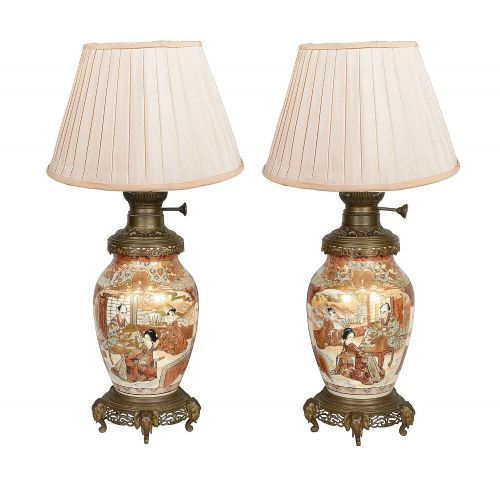


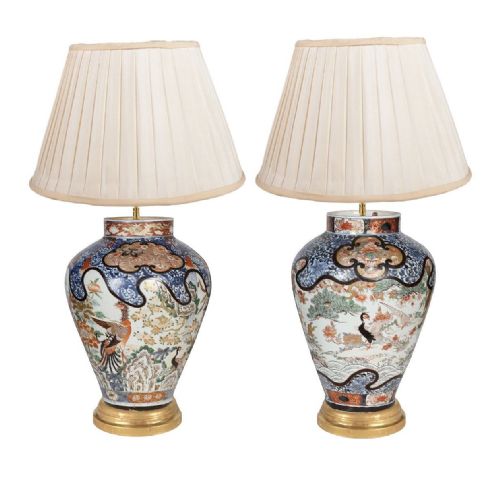


Japanese Ceramic Table Light
These japanese ceramic table light pieces bring centuries of hand-painted pottery and rich enamel work into domestic interiors as functional illumination.
Japanese Ceramic Table Light
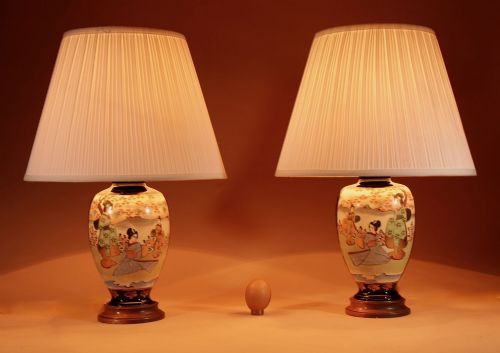
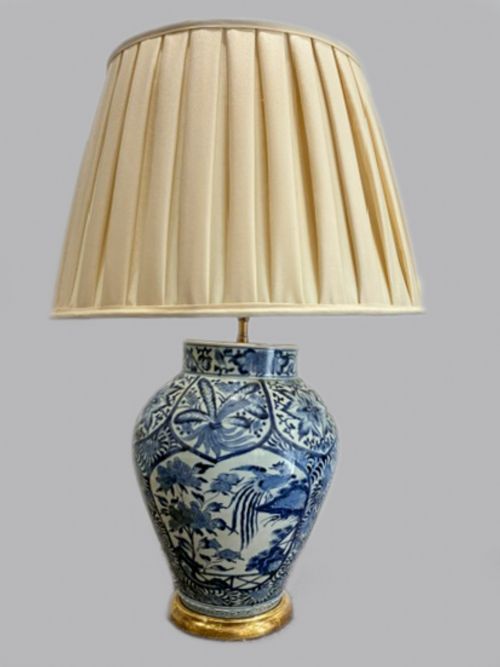
A japanese ceramic table light typically begins life as a vase from the seventeenth, eighteenth, or nineteenth century before receiving electrical fittings. The listings show forms ranging from small Satsuma vessels to large Arita Imari and Kutani porcelain bodies.
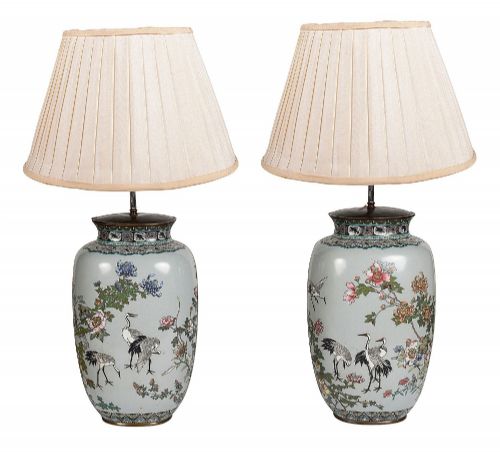
Buyers encounter converted vessels originating from distinct eras including the Edo and Meiji periods. Many examples appear in pairs, utilising blue and white porcelain or polychrome enamel surfaces.
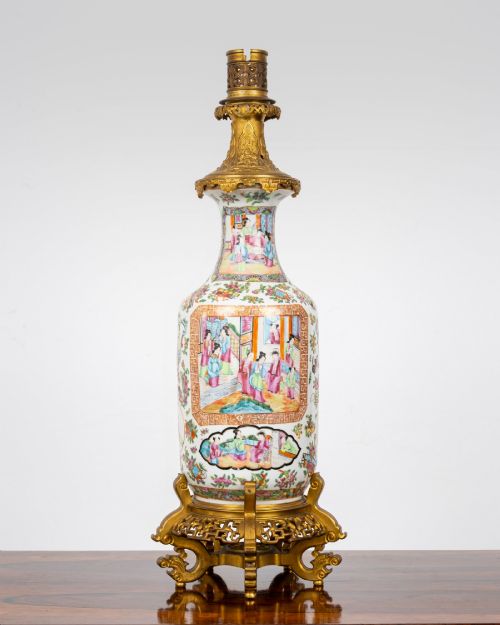
Makers adapted these traditional vases into table lamps by mounting them on brass or gilt bronze bases, often paired with fabric or silk shades.
Materials and conversion techniques
Potters shaped these bodies from earthenware and porcelain, applying detailed hand-painted glazes, blue and white pigments, or cloisonné enamel work. These ceramic surfaces required high-temperature kiln firing to achieve their durable finishes.
Craftsmen later adapted the antique vases into lamps by adding metal mounts in brass, bronze, or gilt bronze to secure the electrical components without damaging the original ceramic body.
Workshops completed the pieces with fabric or silk shades that complement the colours and styles of the underlying Japanese ceramics.
Several centuries-old vases now spend their retirement illuminating modern reading corners.
Distinctions in quality
The sophistication of the hand-painted decoration on the porcelain or earthenware defines the upper tier of these pieces. Finely detailed Satsuma, Kutani, and Imari works display intricate brushwork and rich colour application that distinguish them from simpler productions.
The integration of the electrical conversion and metal mounts plays a significant role in the overall execution. High-quality examples feature secure bronze or brass mounts that respect the integrity of the original seventeenth to nineteenth-century vessel.
The Japanese Ceramic Table Light Glossary
- Satsuma
- A type of Japanese earthenware featuring a crackle-glaze ivory body decorated with polychrome enamels and gilt. It originates from the Satsuma province and appears frequently in nineteenth and early twentieth-century lighting.
- Imari
- A style of Japanese porcelain decorated in underglaze blue, iron red, and gold, produced in Arita from the Edo period onwards. These vibrant patterns were widely exported to Europe.
- Kutani
- Japanese coloured porcelain known for its bold palettes, particularly greens, blues, yellows, and purples. Kutani wares often depict figurative or natural scenes.
- Cloisonné
- A metalwork technique where enamel paste is applied within compartments created by soldered wire strips. On these lamps, cloisonné enamel decorates the body of the vase.
- Japonisme
- A late nineteenth-century Western artistic movement influenced by Japanese art and design. This aesthetic encouraged the display and conversion of Japanese decorative objects into functional European home accessories.
Japanese Ceramic Table Light: Frequently Asked Questions
What is a japanese ceramic table light?
These items are traditional Japanese vessels, such as vases from the Edo and Meiji periods, which have been converted into electric table lamps.
They combine historical ceramic craftsmanship with modern domestic lighting.
How old are these lamps?
The ceramic bodies date from various centuries, ranging from the late seventeenth century through the eighteenth and nineteenth centuries up to the early twentieth century.
The electrical conversions and mounts were added later during the adaptation process.
Are they sold in pairs?
Many of the listings feature matching pairs of vases converted into lamps, though single pieces also appear.
Pairs often share identical hand-painted motifs and similar proportions.
What materials are used in the bases?
The main body consists of porcelain, earthenware, or cloisonné enamel.
These ceramic elements are supported by mounts fashioned from brass, bronze, or gilt bronze.
How do I identify different styles?
Styles such as Imari are recognised by their blue, red, and gilt palette, while Satsuma typically displays an ivory crackle glaze with detailed enamel painting.
Kutani porcelain is distinguished by its vibrant, multi-coloured pictorial designs.