


Polychrome Ceramic Table Lamps
Polychrome ceramic table lamps bring vibrant colour and intricate hand-painted detail to a room, turning antique vases and oil lamps into practical lighting.
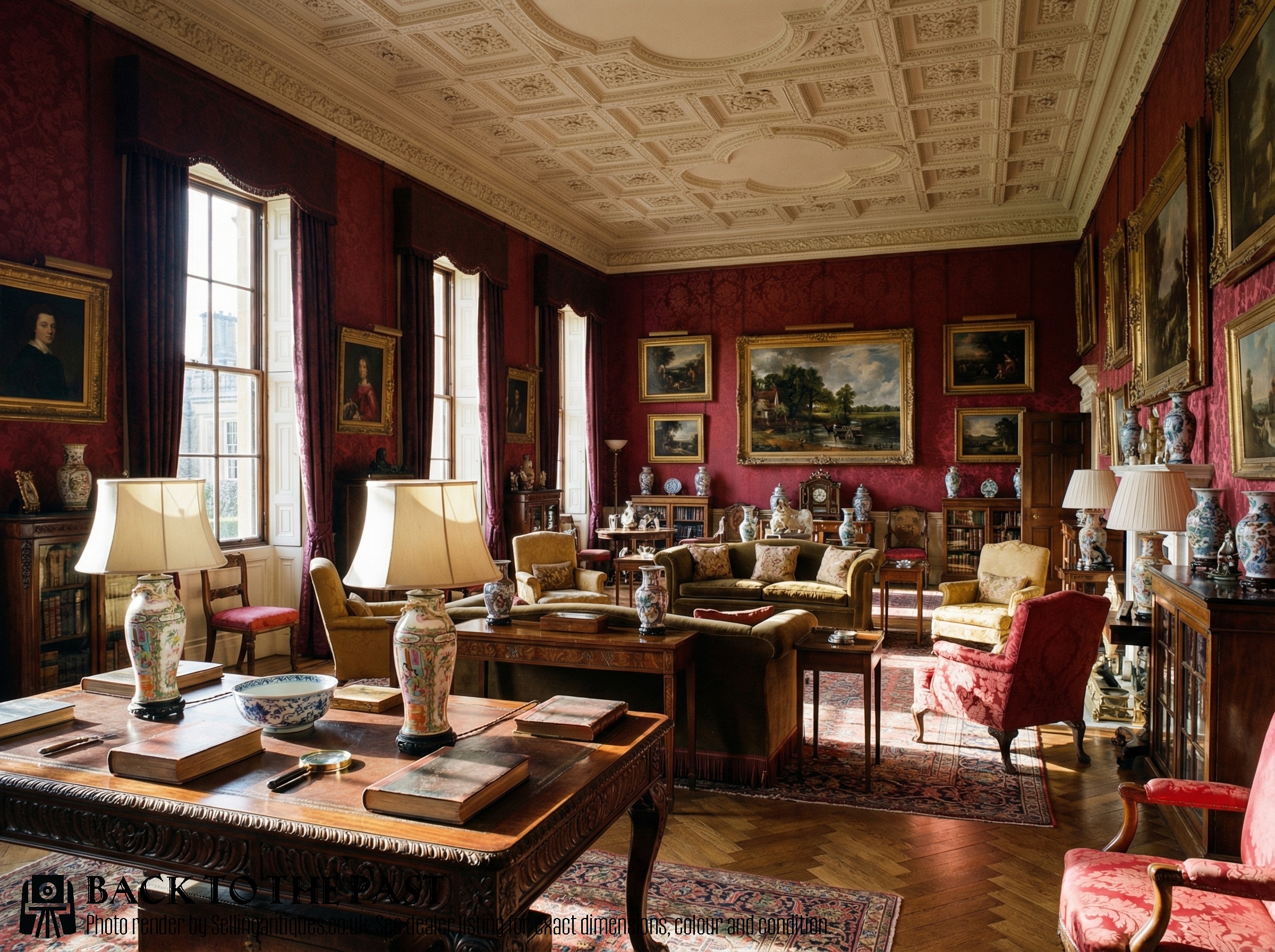
Polychrome Ceramic Table Lamps
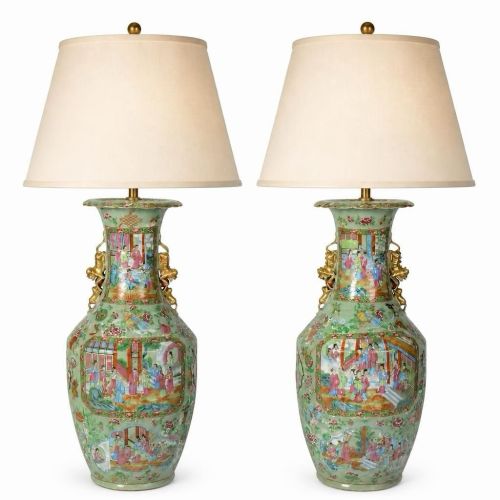
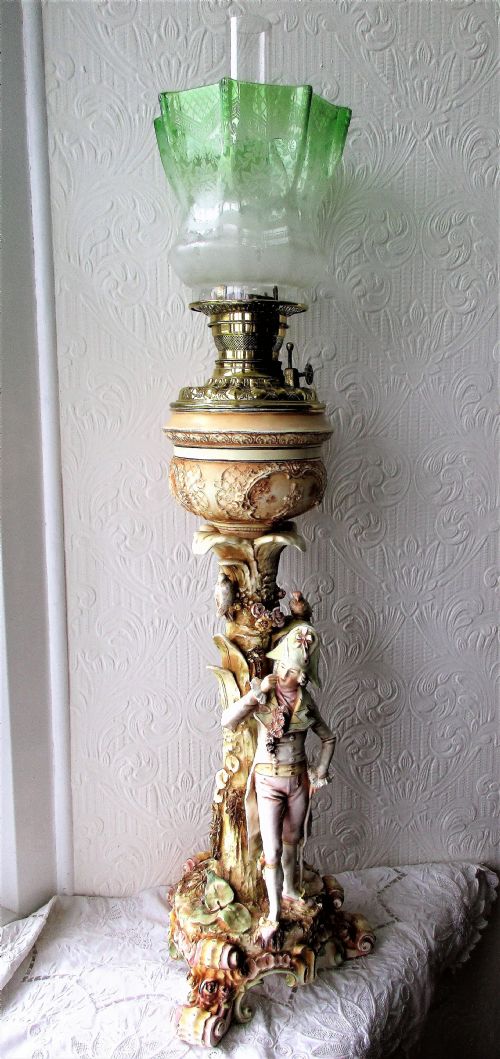
When you examine polychrome ceramic table lamps on this page, you encounter pieces transformed from earlier vessels, particularly Chinese export porcelain and Japanese wares. These objects typically originate as nineteenth-century vases, ginger jars, or oil lamps that have been adapted for modern electricity.
Makers utilised diverse global aesthetics, spanning Chinoiserie styles and French Art Deco night lamps known as veilleuses. The resulting lamps bridge decorative arts and functional household lighting.
How they were made
Potters shaped clay into baluster vases, ginger jars, and figurative bodies, firing the porcelain before applying dense multi-coloured enamel pigments. These vibrant palettes often included pinks, greens, and gilt highlights to depict figures, flowers, and narrative scenes.
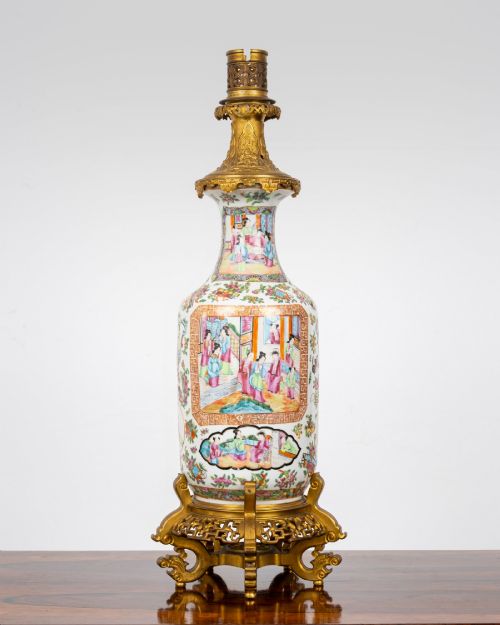
Mounters integrated brass, gilt bronze, and wood to stabilise the ceramic vessels and accommodate electrical fittings. Metal mounts frequently secure the base and collar, turning heavy ceramic bodies into stable domestic lamps.
Several lamps began life as oil lamps or ginger jars before joining the modern electrical grid.
What varies in quality
The sophistication of the hand-painted enamels distinguishes standard utility conversions from exceptional decorative pieces. Finer specimens display precise brushwork, crisp gilding, and well-balanced compositions across the ceramic surface.
The integration of metal hardware also differentiates the range, particularly the quality of the brass and gilt bronze mounts. Superior pieces incorporate mounts that complement the ceramic proportions without obscuring the original decoration.
The Polychrome Ceramic Table Lamps Glossary
- Famille Rose
- A palette of opaque enamels dominated by pink or rose colours, introduced in Chinese porcelain during the Qing dynasty. This style frequently decorates nineteenth-century vases and lamps.
- Rose Medallion
- A distinct style of Chinese export porcelain featuring panelled scenes of figures interspersed with birds and flowers. It is commonly found on nineteenth-century vases adapted into lamps.
- Satsuma
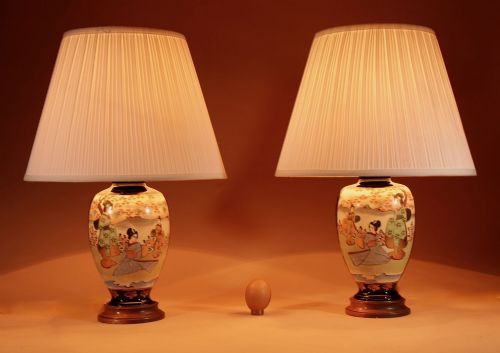
- A type of Japanese earthenware featuring a crackled ivory glaze decorated with intricate polychrome enamels and gold. These wares often depict traditional Japanese figures and landscapes.
- Veilleuse
- A French ceramic night light or food warmer, typically comprising two fitted sections. Art Deco examples from the twentieth century appear in this lamp format.
- Crackelware
- Pottery featuring a network of fine cracks intentionally created in the glaze during firing. This technique adds texture to nineteenth-century Chinese vases.
Polychrome Ceramic Table Lamps: Frequently Asked Questions
What periods do these lamps come from?
The pieces span the nineteenth century and early decades of the twentieth century. Many originated as earlier decorative vessels before being wired for electricity.
Collector items include Victorian examples alongside Japanese Meiji period pieces and Art Deco designs from France.
Are these lamps supplied as pairs?
Many listings feature matching pairs of vases converted into table lamps. This makes them suitable for placing on matching sideboards or bedside tables.
Single lamps also appear among the selection, often representing larger individual ginger jars or baluster vases.
What materials are used alongside porcelain?
Porcelain and ceramic bodies are frequently paired with brass or gilt bronze mounts that secure the electrical fittings. Wooden elements and fabric shades complete the structure of the lamps.
Enamel pigments provide the multi-coloured decoration across the ceramic surfaces.
How do I identify Chinese export styles?
Chinese export styles on these lamps include Famille Rose, Famille Verte, and Rose Medallion patterns. These designs utilise distinct enamel palettes depicting floral arrangements and figures.
Nineteenth-century examples often combine these painted surfaces with gilt bronze or brass mounts.