



Floral Ceramic Lamps
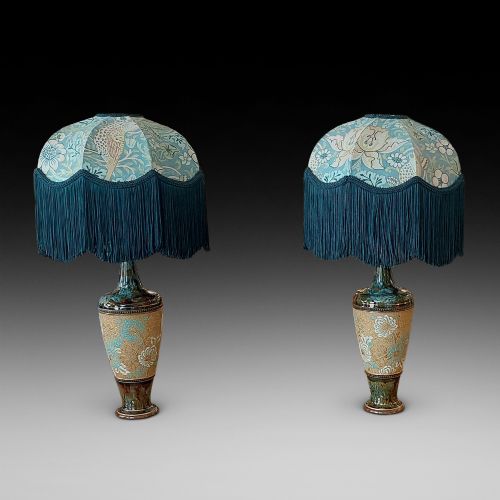
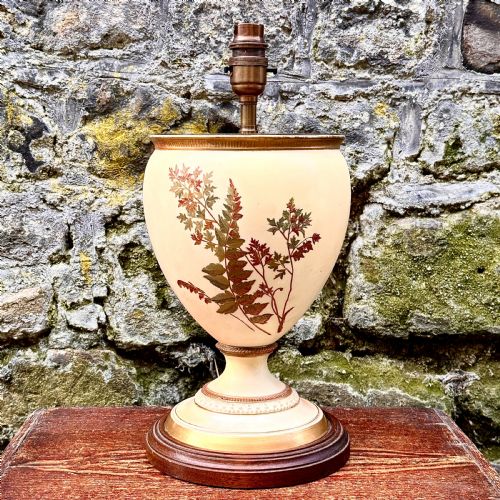
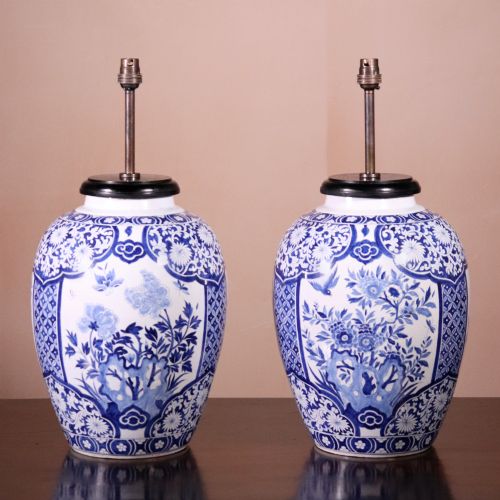
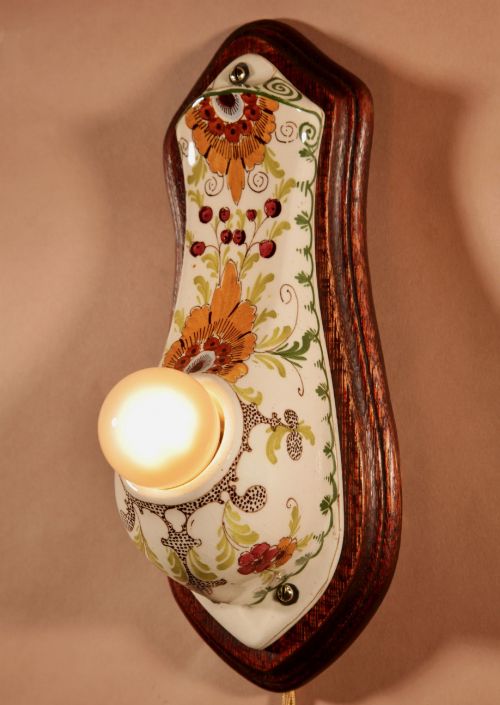
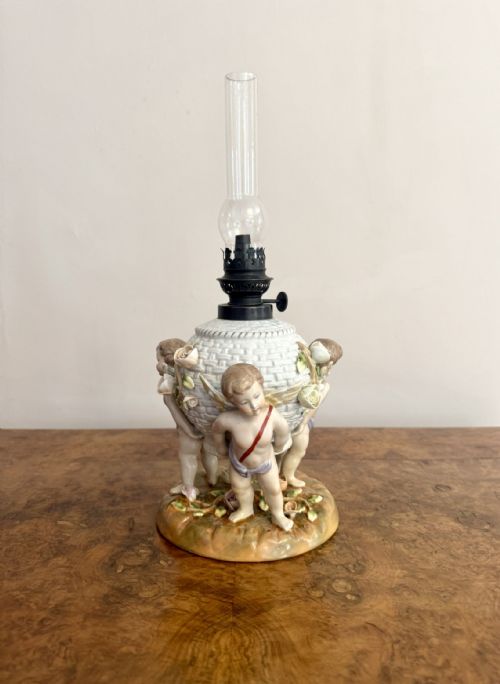
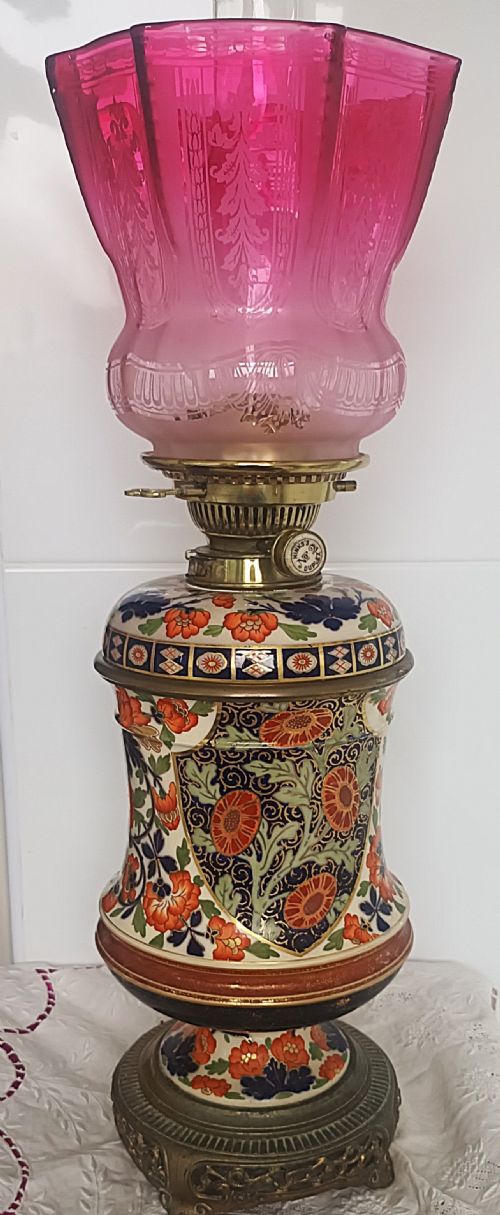
These floral ceramic lamps bring painted botanicals and hand-thrown bodies into domestic spaces, offering soft illumination paired with period craftsmanship.
Floral Ceramic Lamps
Floral ceramic lamps encompass functional domestic lighting formed from porcelain, stoneware, and earthenware bodies decorated with painted or moulded plant motifs. When searching for floral ceramic lamps, buyers encounter a diverse selection ranging from converted nineteenth-century oil lamps to twentieth-century table lamps and converted vases.
The inventory on this page draws heavily from Victorian and Edwardian periods alongside Chinese export styles, Art Nouveau, and Art Deco designs. Buyers frequently discover converted ginger jars, baluster vases, and dedicated ceramic oil lamp bases fitted with brass, gilt bronze, or toleware mounts.
European factories such as Sitzendorf, Royal Doulton, and Royal Worcester appear alongside Chinese Famille Rose and Famille Verte porcelain pieces. These items combine utilitarian lighting functions with intricate floral decoration executed in enamel, underglaze blue, and hand-painted polychrome palettes.
How they were made
The bodies of these lamps are shaped from ceramic, porcelain, stoneware, or earthenware, often utilising traditional throwing, moulding, or casting techniques before undergoing high-temperature firing. Potters applied glazes, enamels, and hand-painted floral pigments either directly to the raw clay or over an initial white glaze layer.
Makers integrated metal components such as brass burners, ormolu mounts, and gilt bronze fittings to stabilise the ceramic reservoirs and hold electrical or oil hardware. Fabric shades, glass chimneys, and wooden bases frequently complete the construction, combining various material strengths into a single functional object.
Floral Ceramic Lamps Retail Price Guide 2026
Typical asking prices for floral ceramic lamps among the pieces listed under this phrase on Sellingantiques today, from the lower quarter to the upper quarter. They describe what is for sale here now, not the wider market.
Listings feature ceramics spanning the eighteenth to the twentieth centuries, utilising porcelain, stoneware, and earthenware across Chinese export and European factory styles.
What varies in quality
The distinction between standard production and superior examples lies in the execution of the hand-painted floral decoration and the crispness of the ceramic moulding. Finely painted botanical details, balanced proportions, and well-preserved enamel colours elevate the visual weight of the piece.
Quality also rests in the integration of metal mounts, such as cast ormolu, solid brass burners, and heavy bronze footings that securely anchor the ceramic body. Pieces featuring marked factory provenance or balanced conversions maintain greater cohesion between base and hardware.
Royal Doulton·Royal Worcester·Sitzendorf·Denby Ware
The Floral Ceramic Lamps Glossary
- Famille Rose
- A palette of Chinese ceramic glazes introduced in the eighteenth century, distinguished by an opaque pink enamel derived from colloidal gold. This colouring allows for delicate shading on floral and figurative subjects.
- Famille Verte
- A grouping of Chinese porcelain wares characterised by a predominant green enamel derived from copper, often combined with iron red and blue underglaze. The style highlights botanical and narrative scenes across jars and vases.
- Ormolu
- Finely ground high-carat gold applied to a bronze base using a mercury amalgamation technique, later replaced by electroplating. It provides a rich golden surface for mounts and decorative trims on nineteenth-century pieces.
- Slaters Stoneware
- A ceramic decorative technique developed by Royal Doulton involving lace or textured fabric pressed into moist clay bodies. The resulting impression is enhanced with coloured glazes and gilding.
- Faience
- Tin-glazed earthenware produced across Europe, featuring colourful opaque glazes painted directly onto the unfired surface. It offers a vibrant medium for floral motifs found on Art Nouveau and early twentieth-century lamps.
Floral Ceramic Lamps: Frequently Asked Questions
How do I wire an antique lamp?
Rewiring typically involves threading modern insulated flex through the existing central channel of the ceramic or brass fitting, ensuring the original body remains unaltered.
Qualified electricians should handle older metal collars and ceramic stems to guarantee safe earthing and compliance with current standards.
Can I use LED bulbs in these lamps?
Low-wattage LED bulbs function effectively within these fittings, producing minimal heat that protects fragile nineteenth-century glazes and vintage fabric shades.
Selecting warm colour temperatures maintains the atmosphere intended by the original hand-painted floral palettes.
How do I clean ceramic lamp bases?
Dusting the ceramic body with a soft, dry brush or microfibre cloth prevents particle buildup without risking moisture damage to painted enamel surfaces.
Harsh chemical cleaners should be avoided entirely to preserve the original integrity of the glaze and any accompanying gilt metal mounts.
What is a converted oil lamp?
Many nineteenth-century pieces originally functioned as paraffin or oil lamps featuring brass burners, glass fonts, and heavy ceramic reservoirs.
Later adaptations replaced the burner mechanisms with internal electrical lamp holders while retaining the decorative ceramic base and exterior profile.