
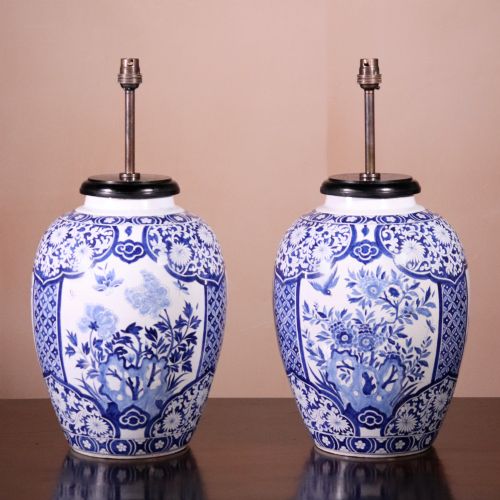
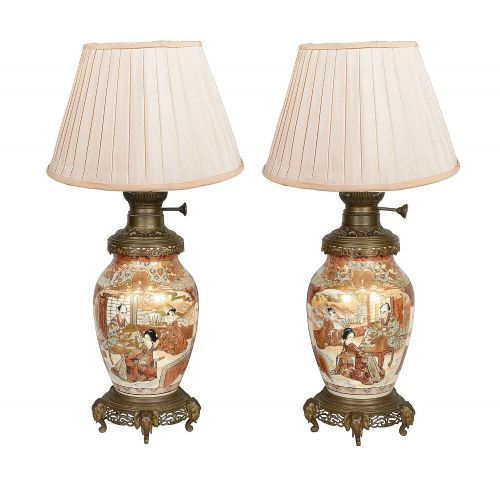


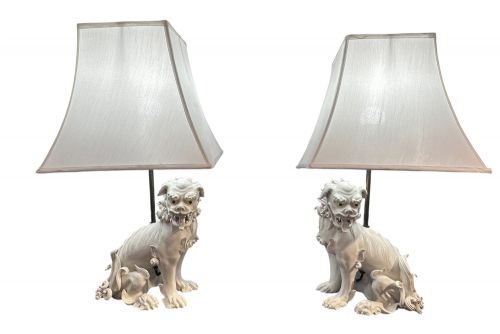


Pair Oriental Ceramic Lamps
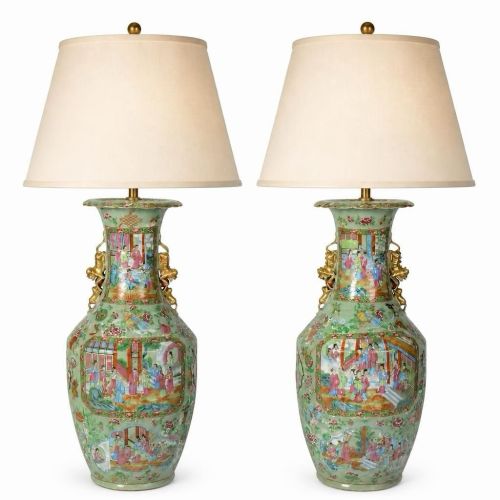
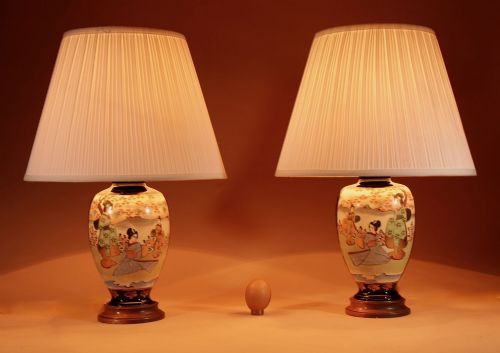
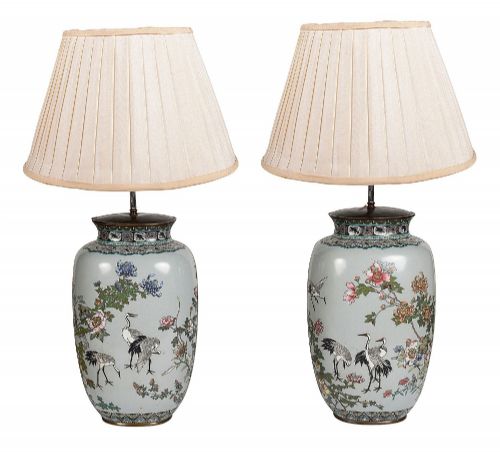
Pair oriental ceramic lamps bring symmetrical presence and colourful hand-painted detail to a room, turning antique vessels into practical lighting.
Pair Oriental Ceramic Lamps
Pair oriental ceramic lamps consist of matched historical vessels, predominantly vases and ginger jars from China and Japan, adapted for modern electrical use. Buyers searching this phrase encounter symmetrical lighting pairs that anchor a mantelpiece, sideboard or bedside table.
The selections span distinct periods including the nineteenth century, the Meiji period and the early twentieth century, alongside Regency adaptations. Forms range from large floor-standing proportions down to elegant smaller table heights.
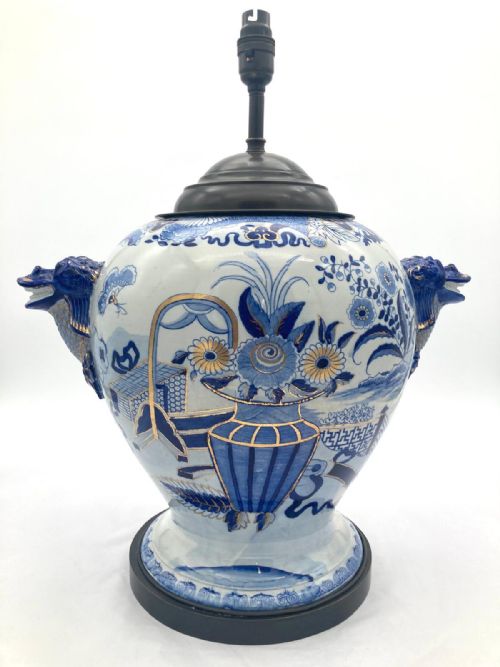
Many examples utilise converted vessels originally made as display pieces, retaining their painted panels, crackleware glazes or moulded figural details. These matched pairs offer traditional decoration combined with functional illumination.
Materials and construction
Potters shaped these bodies from porcelain, ironstone and ceramic clays, applying opaque and translucent glazes such as celadon, turquoise, powder blue and Blanc de Chine. Artisans then hand-painted intricate motifs in famille rose, famille verte, and blue and white pigments before high-temperature firing.
Conversion into lamps frequently incorporates metal components like brass and ormolu mounts fitted to the base or neck to secure electrical hardware. Fabric shades in silk and other textiles complete the assembly, often paired with wooden bases.
Listings feature pieces from the 17th century through the 1920s, utilising porcelain, brass, wood, silk and cloisonné enamel.
Assessing craftsmanship and balance
Quality rests primarily on the precision of the match between the two vessels, as minor discrepancies in height, glaze tone or painted detail become noticeable when placed symmetrically. Superior examples display crisp brushwork, rich enamel saturation and harmonious proportions that survived the conversion process intact.
The integration of the electrical fittings and mounts also matters, where heavier cast brass or gilded ormolu supports the ceramic body securely without obscuring character. The depth of the glaze and the complexity of decorative styles like cloisonné enamel or Satsuma gilding elevate individual pieces.
Hicks and Meigh·Fukagawa
The Pair Oriental Ceramic Lamps Glossary
- Satsuma
- A type of Japanese earthenware featuring a crackled ivory glaze decorated with intricate polychrome enamels and raised gilding. These pieces were widely produced for export during the Meiji period.
- Famille Rose
- A palette of Chinese porcelain enamels dominated by opaque pink or rose colours, introduced during the Qing dynasty. It allowed for delicate shading of floral and figural scenes.
- Cloisonné
- A metalwork technique where thin wire partitions form raised cells that are filled with coloured enamel pastes before firing. This method creates vibrant, patterned surfaces on vases and vessels.
- Blanc de Chine
- A white porcelain produced at Dehua in China, known for its milky glaze and smooth, uniform texture. It is frequently seen on figural lamp bases depicting deities or mythical beasts.
- Ormolu
- Gilded bronze mounts used historically for decorative enrichment and structural support on fine furniture and porcelain. On lamps, it provides ornate collars and bases.
Pair Oriental Ceramic Lamps: Frequently Asked Questions
How are these lamps wired?
These pieces generally feature modern electrical wiring run through the centre or fitted externally with appropriate UK plugs for safe daily use.
Because many started life as decorative vases, professional conversion methods aim to secure the hardware without damaging the underlying ceramic body.
Are the two lamps always identical?
Matched pairs often show slight hand-painted variations because artisans decorated historical vessels individually rather than through industrial printing.
Buyers should expect subtle differences in brushstrokes or glaze density that confirm their handmade origins.
How do I clean the ceramic body?
Dust the surface gently with a soft, dry cloth to protect delicate enamels, gilding and older glaze finishes from accidental wear.
Avoid using harsh chemical cleaning products or abrasive liquids that might harm historical pigments or metal mounts.
What periods do these pieces date from?
The inventory spans the seventeenth century up through Regency and nineteenth-century Chinese and Japanese production, continuing into the early twentieth century.
Meiji period Japanese works and Qing dynasty Chinese porcelains form a large portion of the available lighting pairs.