


Antique Ceramic Lamp Base
An antique ceramic lamp base brings weight and hand-painted colour to a room, turning utilitarian light fittings into decorative focal points.
What the pieces are
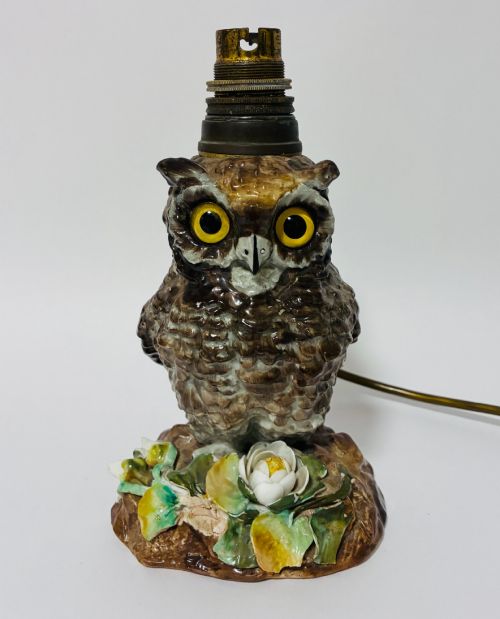
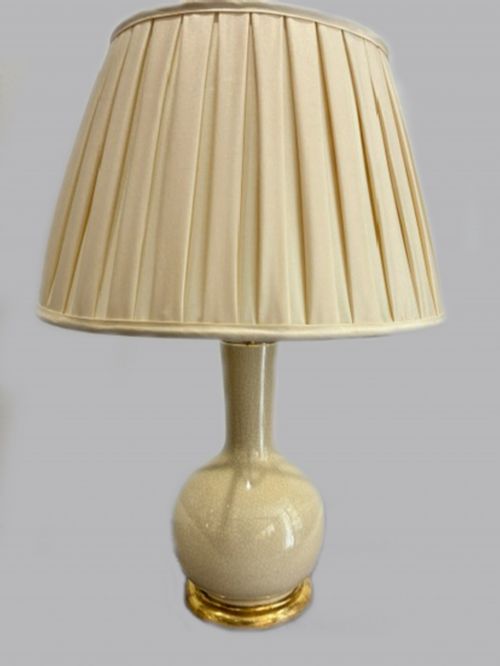
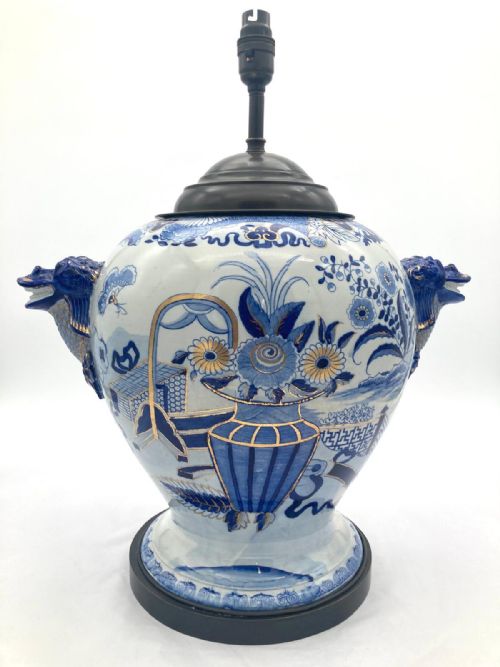
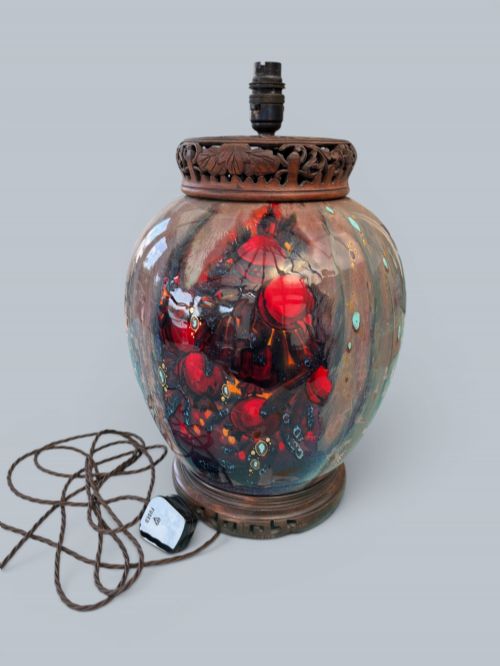
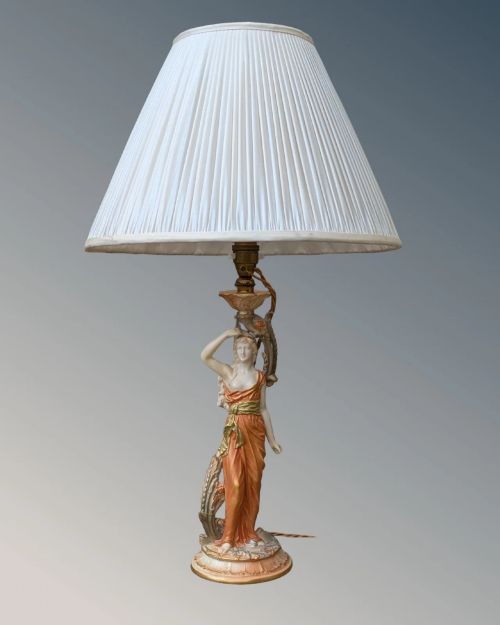
When searching for an antique ceramic lamp base, buyers encounter table lamps adapted from earlier vessels or manufactured specifically for illumination across different periods. The inventory spans 18th Century Dutch Delftware, 1920s Art Deco pieces, and 19th Century French porcelain.
Forms range from converted Delft vases to figural porcelain bodies. Each piece marries historical ceramic manufacture with modern electrical adaptation.
How they were made
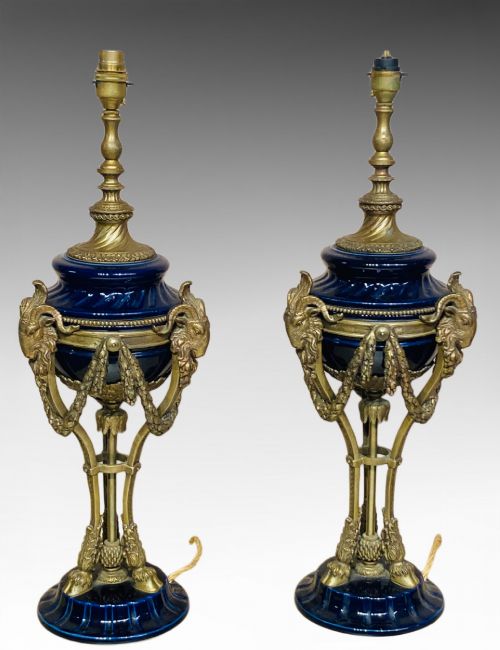
Makers shaped tin-glazed earthenware and porcelain, decorating surfaces with hand-painted pigments and gilt highlights. Structural stability relied on mounts and fittings fashioned from brass and wood.
Gold leafing added decorative opulence to porcelain bodies, while metal components provided the necessary architecture for electrical wiring and lamp hardware.
Old vases found a second life as lamps, proving that even a broken history can still light up a room.
What varies in quality
Quality rests in the crispness of the hand-painted brushwork and the preservation of the ceramic glaze. Superior examples exhibit intricate detail in figural modelling and careful application of gold leaf.
The integration of brass and wooden mounts also dictates the overall standard, where secure fitting and harmonious proportion elevate the piece beyond a simple conversion.
Samson
The Antique Ceramic Lamp Base Glossary
- Tin-glazed earthenware
- Pottery covered with a white tin oxide glaze which provides an opaque background for painted decoration. This technique underpins traditional Delftware production.
- Gilt
- A thin layer of gold applied to the surface of porcelain or wood. It highlights decorative motifs and adds reflective warmth.
- Figural
- Artworks modelled in the form of a human or animal figure. These sculptural elements dominate certain Art Deco lamp designs.
- Delftware
- Tin-glazed earthenware traditionally produced in the Netherlands. It is recognised for its characteristic blue and white palette.
Frequently Asked Questions
Are these lamp bases rewired?
Electrical adaptation varies by individual piece, with some listings noting professional rewiring.
Buyers should inspect the specific details of each item to confirm the current wiring status.
How do I date a ceramic lamp base?
Dating relies on stylistic markers such as Art Deco geometry or 18th Century Delft painting styles.
Materials like brass fittings and porcelain composition also offer clues to the period of manufacture.
What materials are used in these lamp bases?
Construction materials include porcelain, tin-glazed earthenware, brass, wood, and gold leaf.
These elements combine ceramic bodies with supportive metal and wooden mounts.
Can I use standard lampshades with these bases?
Fitting compatibility depends on the specific harp and shade carrier attached to the lamp hardware.
Most standard fixtures accommodate a wide variety of compatible lampshades.