


1920s Figural Table Lamp
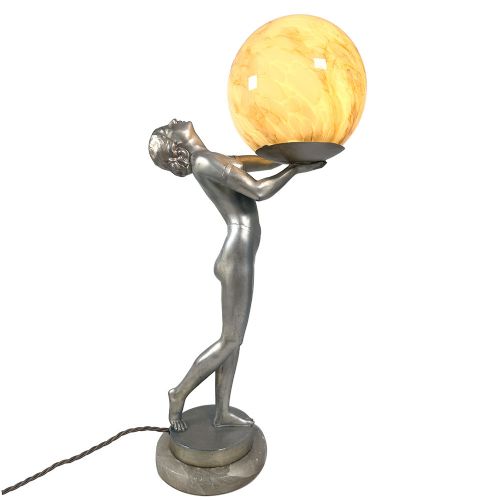
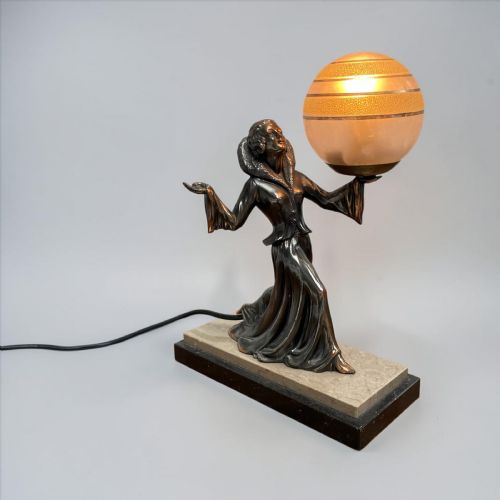
These pieces are a 1920s figural table lamp, capturing theatrical and sculptural grace through figures rendered in bronze, porcelain, and metal.
1920s Figural Table Lamp
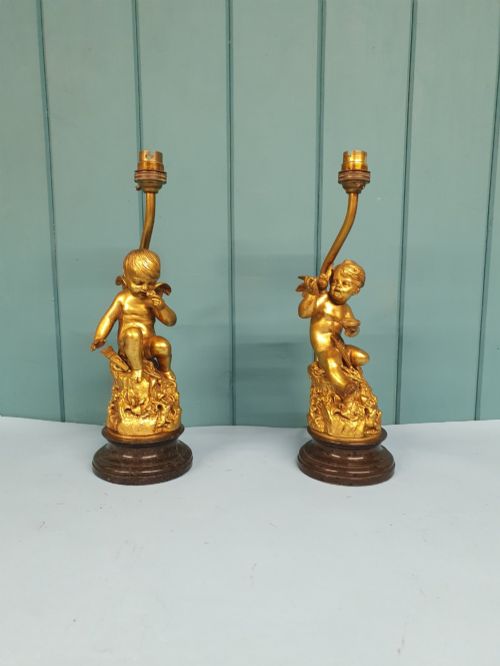
A 1920s figural table lamp combines functional lighting with human or angelic sculpture, drawing heavily from Art Deco aesthetics. The subjects range from stylised ladies and twin figures to pierrots, cherubs, and cold-painted bronze dancers.
Most examples you will encounter date from the 1920s through to 1940, frequently incorporating classical revivals or theatrical motifs like the harem lamp and night light boy. They utilise materials such as glass, marble, porcelain, and patinated metal to anchor the figurative sculpture.
Forms vary from single standing figures perched on balls to twin lady arrangements and veilleuses. Their origins span French and continental workshops, reflecting the diverse stylistic output of the interwar period.
Materials and construction
Porcelain figures, such as those by Karl Ens, demanded precise ceramic casting and hand-painting techniques to achieve fine detail in costume and expression. Metal components were joined to marble plinths, while glass and specialised veilleuse elements provided the translucent housing for the internal illumination.
Current listings demonstrate a strong material palette of marble, alabaster, porcelain, and patinated or cold-painted bronze across the interwar period.
Assessing craftsmanship
Quality rests in the sculptural fidelity of the figure and the depth of the metal chasing or porcelain painting. Superior pieces display crisp detailing in the cast work and subtle hand-applied patination rather than flat, uniform surfaces.
The choice of base materials also distinguishes the range. Solid marble and alabaster plinths paired with genuine cold-painted bronze or fine porcelain represent a higher grade of execution compared to standard plated metals and simpler glass assemblies.
Karl Ens·Anton Buschelberger·Bruno Zach
The 1920s Figural Table Lamp Glossary
- Veilleuse
- A French night light or small ceramic lamp designed to burn low through the night. These often depict figures or domestic scenes.
- Cold-painted bronze
- Bronze sculpture painted with oil or enamel colours after casting, rather than firing the pigment into the metal. This technique allows for intricate polychrome clothing on figural subjects.
- Art Deco
- The dominant design style of the 1920s and 1930s, characterised by streamlined geometries, stylised human forms, and modern industrial materials. It moves away from heavy Victorian ornamentation.
- Alabaster
- A fine-grained, translucent stone used for bases and shades. It diffuses light softly and varies in natural veining.
1920s Figural Table Lamp: Frequently Asked Questions
What is a figural table lamp?
A figural table lamp is a lighting fixture that incorporates a sculpted human, angelic, or character form as the central decorative element. These pieces blend utilitarian lighting with sculptural art.
They emerged strongly during the interwar years, utilising materials like bronze, porcelain, and marble to depict dancers, ladies, and allegorical figures.
How were these lamps used?
These lamps served as both task lighting for desks and decorative accent lighting in interwar domestic interiors. Their sculptural presence meant they looked striking whether lit or unlit.
Smaller versions, such as night lights or veilleuses, were placed in bedrooms to provide a soft, constant glow through the night hours.
How do I style a 1920s lamp?
A 1920s figural table lamp works well as a focal point on a sideboard, desk, or console table. Its metallic or porcelain surfaces catch ambient room light.
Pair it with complementary period items or let it stand alone against a simple backdrop to highlight the sculptural silhouette of the figure.
How do I date these lamps?
Dating relies on stylistic markers such as Art Deco geometries, clothing styles, and the manufacturing techniques visible in the metal or porcelain. Signature marks on the base can also identify specific artists or potteries.
Materials like cold-painted bronze, alabaster bases, and specific porcelain glazes help narrow the period between 1920 and 1940.