
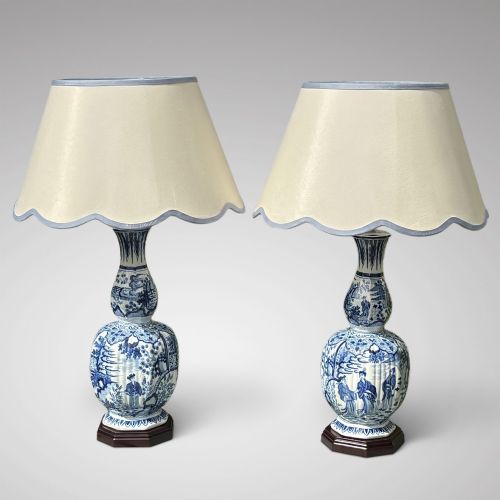


Blue White Porcelain Light
Blue white porcelain light fixtures are converted vessels bringing cobalt decoration and warm illumination into rooms.
Blue White Porcelain Light
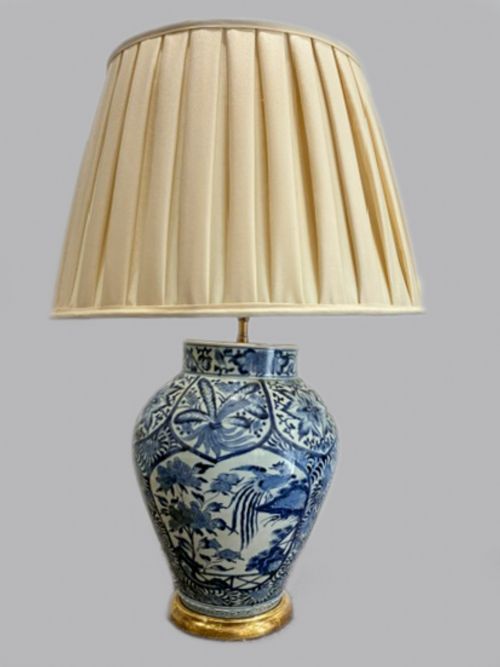
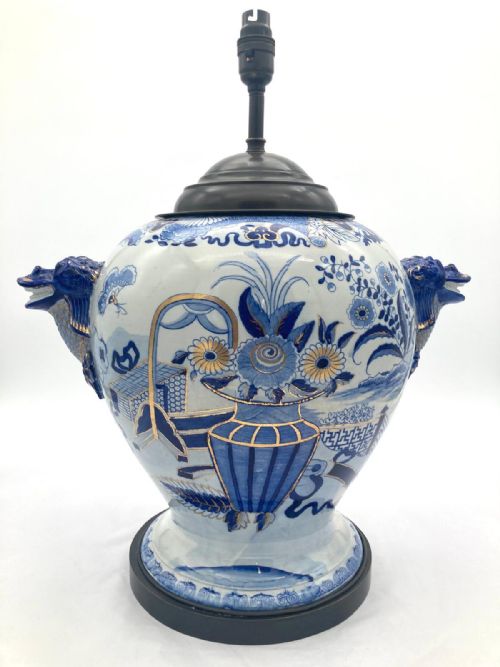
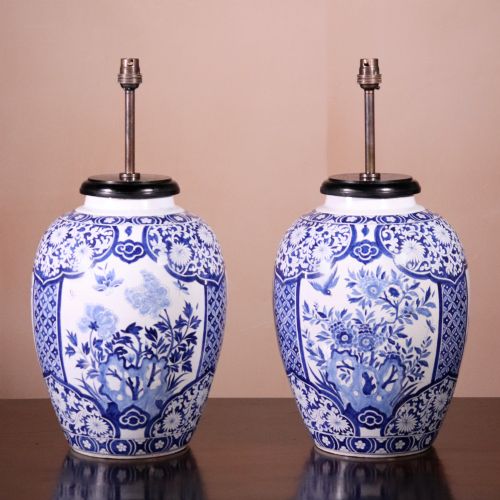
A blue white porcelain light is typically formed from an earlier ceramic vessel, such as a ginger jar, ginger vase, or tall bottle, adapted for electrical illumination.
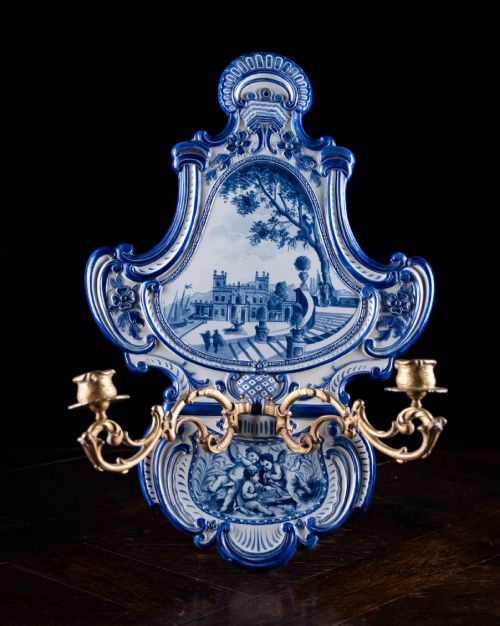
The selections span centuries, incorporating Chinese and Japanese ceramics alongside European earthenware like Delft and ironstone.
Most examples found here originate from the nineteenth century, often appearing as matched pairs suitable for placement on sideboards or mantelpieces.
Materials and Conversion
Potters shaped the ceramic bodies from porcelain and earthenware, applying cobalt pigment beneath a transparent glaze before high-temperature firing.
Metal mounts in brass, gilt bronze, or ormolu frequently secure the ceramic base and support the bulb holder.
Custom additions such as silk or fabric shades complete the conversion from vessel to lamp.
Listings feature ceramics spanning from the seventeenth century through to the Art Deco period, incorporating brass and gilt bronze mounts.
Distinguishing Quality
The artistic merit of the hand-painted cobalt decoration dictates visual success, with finer specimens showing sharp brushwork and deep colour saturation.
The integrity of the original ceramic vessel, free from major structural compromise prior to conversion, elevates the standing of the piece.
Complementary metalwork mounts and period-appropriate wiring components contribute to the finished integrity of the lamp.
Hicks and Meigh·Villeroy and Boch
The Blue White Porcelain Light Glossary
- Arita
- Japanese porcelain produced around the town of Arita, known for early export wares.
- Delft
- European tin-glazed earthenware, principally Dutch or English, imitating Chinese blue and white ceramics.
- Ginger Jar
- A broad-shouldered ceramic container originally used for spices, frequently adapted into lamp bases.
- Imari
- Japanese porcelain decorated in underglaze blue, iron red, and gilt, originating from the Edo period.
- Ormolu
- Gilded bronze mounts applied to furniture and ceramic bases for decorative enhancement.
Blue White Porcelain Light: Frequently Asked Questions
What is a blue white porcelain light?
These objects are decorative lamps created by converting antique ceramic vessels into functional light fittings.
They combine historical pottery with electrical hardware to provide ambient illumination.
How do I date a ceramic lamp?
Dating relies primarily on the style, glaze, and potting characteristics of the ceramic body itself rather than the modern electrical components.
Evidence from nineteenth and eighteenth-century periods indicates the era of the original vessel.
Where should I place these lamps?
Pairs of table lamps suit placement on large sideboards, desks, or flanking a fireplace on a mantelpiece.
Single larger vases serve as focal points on entrance tables or low side cabinets.
Are original ceramic vessels damaged by conversion?
Many historical vessels were drilled through the base to accommodate electrical wiring during the conversion process.
This practice is standard for antique lamp adaptations across this category.