
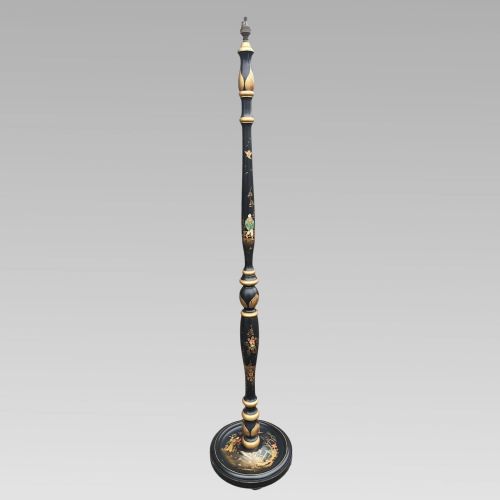


Traditional Chinoiserie Lighting
Traditional chinoiserie lighting brings hand-painted porcelain and lacquered wood into a room, offering height and pattern through converted antique vases and standard lamps.
Traditional Chinoiserie Lighting
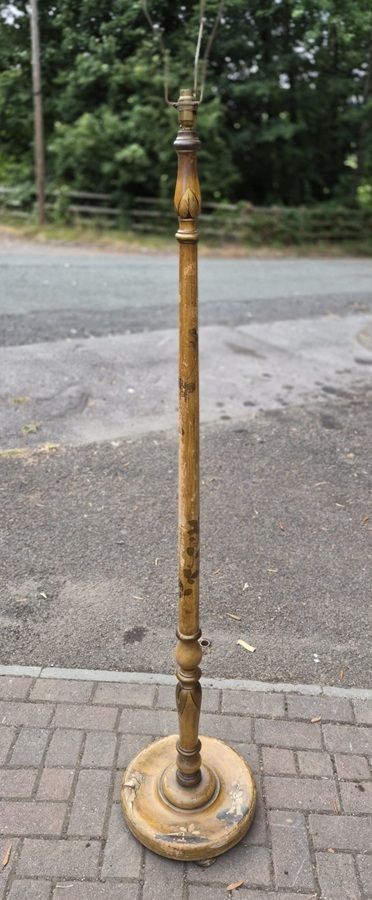
Traditional chinoiserie lighting centres on floor standing standard lamps and table lamps adapted from older vessels, bringing painted decoration and rich finishes into domestic interiors. Buyers searching for traditional chinoiserie lighting encounter pieces ranging from tall standard lamps to smaller porcelain jar and vase forms.
The selection on this page draws heavily from the nineteenth century, Edwardian era, and the early decades of the twentieth century, alongside select eighteenth century examples. These pieces combine decorative arts from various periods with modern electrical fittings to serve as functional room illumination.
Materials and construction
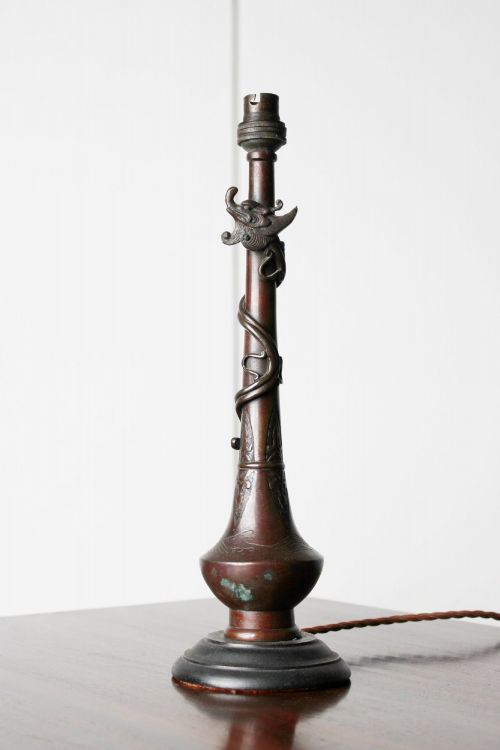
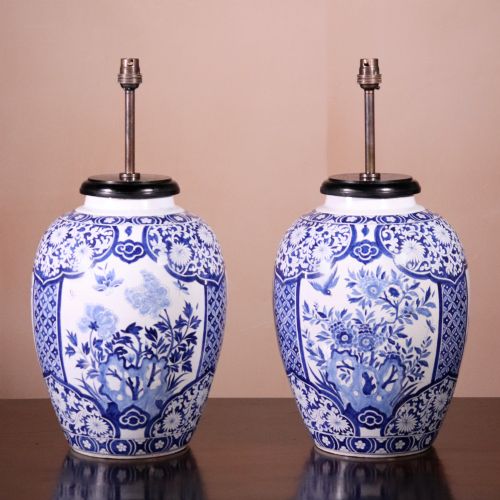
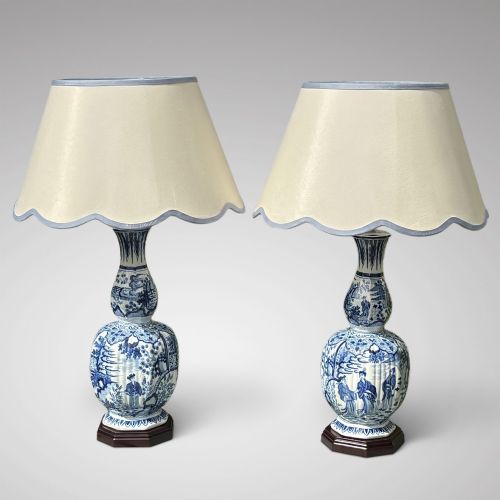
Makers utilised ceramic porcelain, brass, and timber as the structural foundations for these pieces, often applying layers of black, red, or gilt lacquer to wood. Porcelain bodies typically originated as Chinese or Japanese vases, ginger jars, and Delftware vessels before conversion into lamp bases.
Surface decoration relies on hand painting and enamel work, displaying blue and white designs, Famille Rose palettes, and intricate oriental motifs. Silk and fabric shades frequently accompany the bases, mounted on standard lamps and table fixtures.
Listings span periods from the 18th century through the Edwardian era up to 1930, utilising porcelain, lacquered wood, brass, and silk.
Judging quality in lighting
Quality rests in the fidelity of the hand-painted details on the porcelain and the depth of the lacquer finish on wooden standards. Finer pieces display crisp brushwork on jar and vase bases, whereas lesser examples show simpler, repetitive motifs.
The integrity of the original vessel matters significantly when a ceramic piece is converted into a lamp base, alongside the weight and stability of standard lamps. Superior examples retain their original decorative harmony without heavy restoration masking the primary material.
The Traditional Chinoiserie Lighting Glossary
- Chinoiserie
- European decorative style reflecting Chinese artistic influences, seen in lacquered surfaces and painted motifs.
- Famille Rose
- Chinese ceramic palette characterised by opaque pink enamels, prominent in nineteenth century porcelain lamp conversions.
- Standard lamp
- A tall floor-standing lighting fixture designed to illuminate a room from a corner or beside seating.
- Imari
- Japanese export porcelain decorated in underglaze blue and iron red, frequently adapted into period lamps.
- Delftware
- Tin-glazed earthenware produced in Dutch and English potteries, often utilised for eighteenth century table lamps.
Traditional Chinoiserie Lighting: Frequently Asked Questions
How do I clean a lacquered lamp?
Dust lacquered wooden standards gently with a soft, dry cloth to protect the delicate surface finish.
Avoid chemical polishes and water, which can damage the aged lacquer and gilt details.
Are these lamps safe to use?
Many period pieces have been rewired for modern electrical safety standards while retaining their antique bases.
Check the wiring and consult a qualified electrician if the fittings appear original to the past century.
Can I change the lamp shade?
Lamp shades can be replaced to suit your interior, provided the fitting matches the harp or holder size.
Choose fabric shades that complement the proportions of tall standard lamps or ceramic vase bases.