


Chinoiserie Table Light
These chinoiserie table light selections bring decorative historical detail to a room through converted vessels and hand-painted lacquer.
Chinoiserie Table Light
When searching for a chinoiserie table light, buyers encounter decorative fixtures transformed from older vessels or constructed in distinct stylistic periods. The selection spans 18th century examples through to the 1930s, encompassing Edwardian designs and pieces from the Regency era.
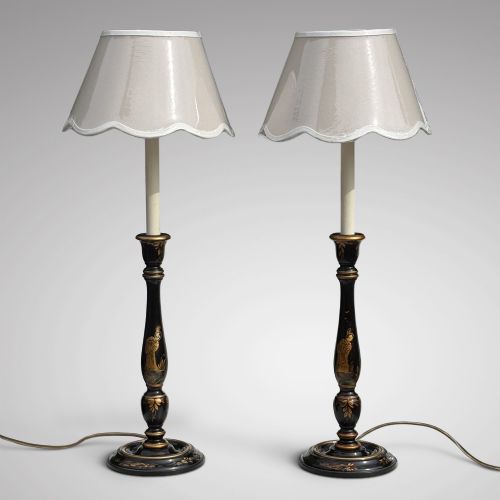
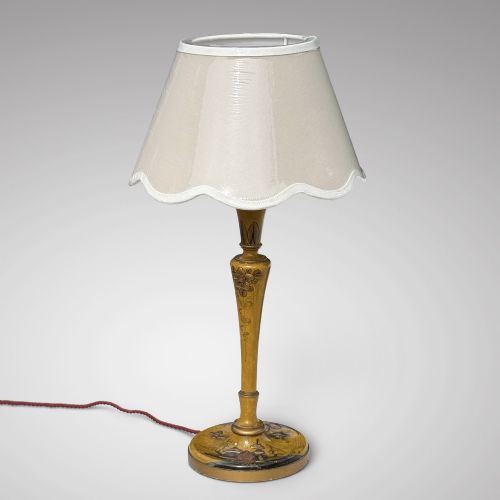
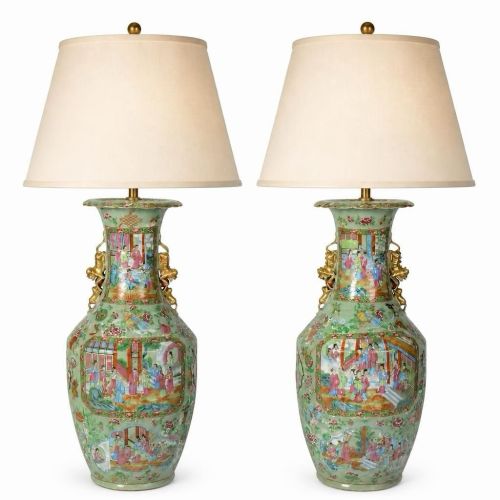
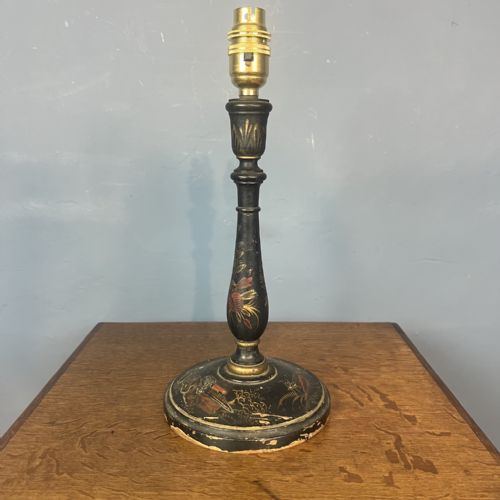
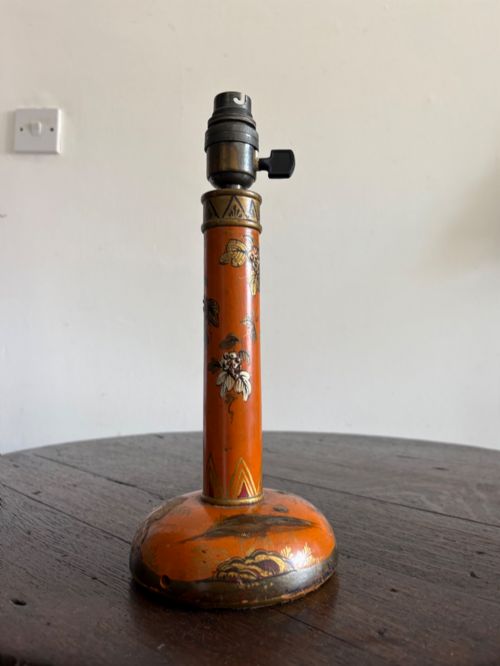
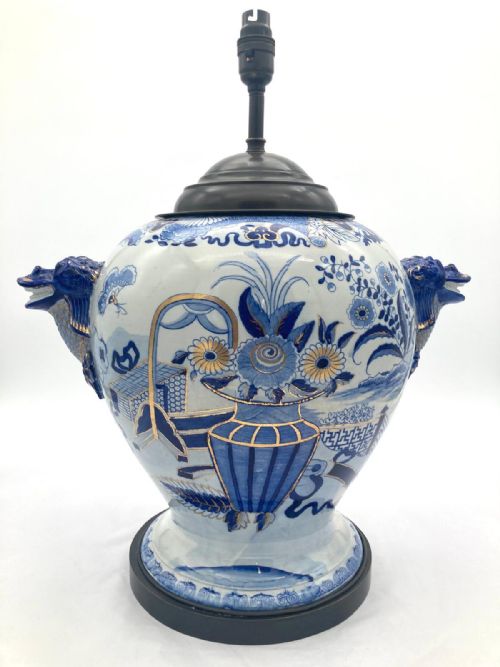
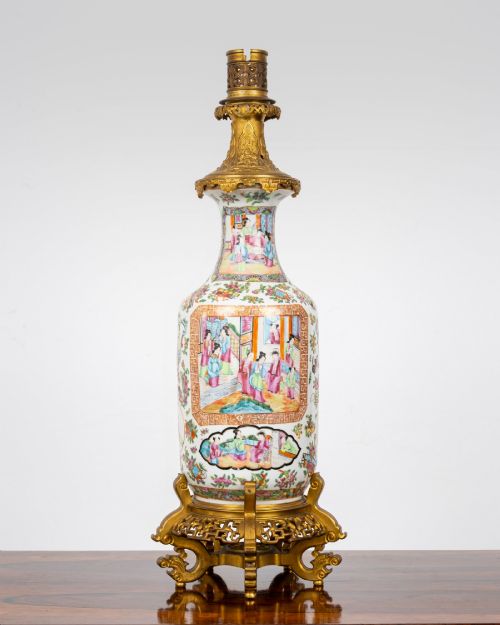
Many options utilise converted elements such as Chinese export porcelain vases, rose medallion jars, and tea canisters mounted with metal fittings. Lacquered wood bodies finished in black, ochre, or mandarin orange also form a significant portion of available table lamps.
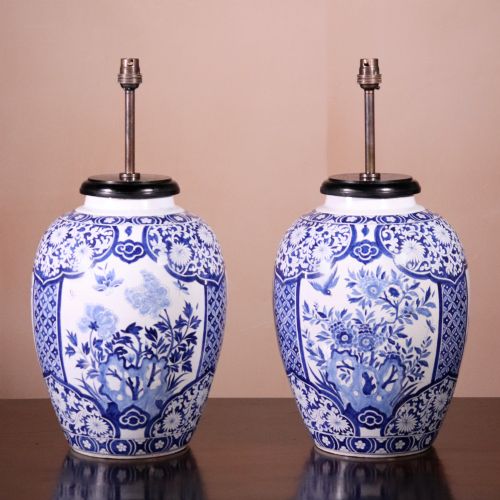
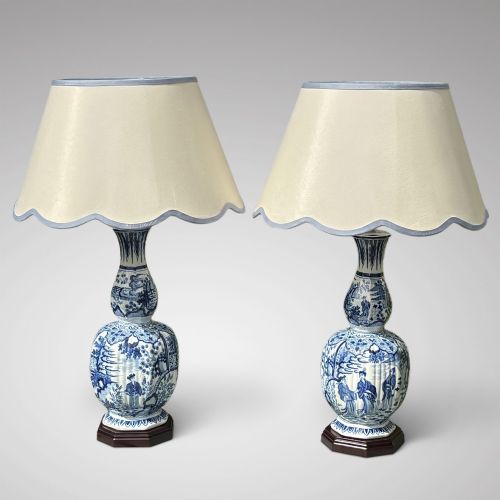
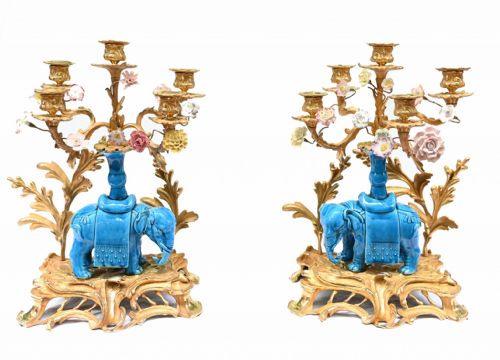
European interpretations appear alongside direct Asian imports, including French patinated white metal work and Dutch Delftware jars adapted for illumination. These pieces frequently occur as matched pairs or individual decorative objects suited for side tables.
Materials and construction methods
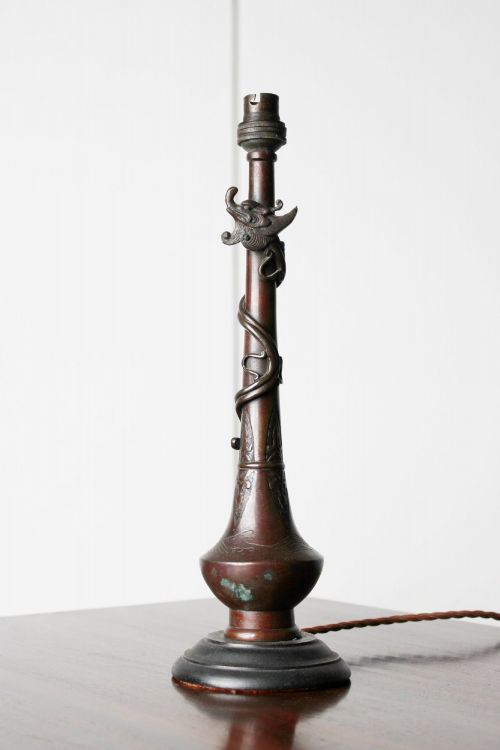
Construction relies heavily on ceramics, porcelain, and lacquered wood transformed into functional lighting through metal mounts and wiring. Artisans utilised brass, bronze, or ormolu mounts to secure porcelain bodies and support fabric shades.
Lacquered surfaces involve multiple layers of resin applied to wooden bases, often finished with hand-painted motifs depicting traditional Eastern scenes. Ceramic bodies incorporate hand-painted cobalt blue underglazes or polychrome enamel palettes such as famille rose and famille verte.
Listings feature porcelain, brass, fabric, and lacquered wood across periods spanning the 18th century to the 1930s.
Craftsmanship and preservation
Superior examples distinguish themselves through the crispness of hand-painted detail on porcelain or the depth of finish in lacquered wood. The integration of metal mounts, whether gilt bronze or pressed brass, indicates the level of care given to the conversion or original manufacture.
The integrity of the underlying ceramic vessel or wooden body and the retention of original patination govern the overall standard of the piece. Conversion work executed with sympathetic wiring and stable mounting preserves the historic character of the original artefact.
Hicks and Meigh
The Chinoiserie Table Light Glossary
- Chinoiserie
- European decorative style reflecting Chinese artistic influences, popular across various historical periods. It manifests in painted lacquer furniture and porcelain designs.
- Famille Rose
- Chinese porcelain palette dominated by opaque pink enamel, developed during the Qing dynasty. This technique appears on many 19th-century vase lamps.
- Ormolu
- Gilded bronze mounts applied to furniture, ceramics, and lighting fixtures to provide decorative accents. It elevates the visual weight of porcelain bodies.
- Delftware
- Tin-glazed earthenware originating in the Netherlands, frequently decorated in blue and white. These vessels are often converted into table lamps.
- Decalcomania
- Decorative technique involving the transfer of printed designs onto glass or ceramic surfaces. It appears on certain 19th-century lamp bases.
Chinoiserie Table Light: Frequently Asked Questions
What is a chinoiserie table light?
A chinoiserie table light is a decorative lamp created from antique Asian ceramics, lacquered wood, or European pieces decorated in the Chinese taste. These fixtures provide functional illumination while incorporating historical craftsmanship from the 18th to the early 20th century.
Common forms include ginger jars, tea canisters, and porcelain vases mounted onto brass or gilt bronze bases. Many incorporate hand-painted motifs or woven fabric shades suited for traditional interiors.
How do I date an antique lamp?
Dating these lamps involves examining the material and manufacturing techniques of the base vessel, such as porcelain potting characteristics or lacquer composition. Metal mounts, wiring styles, and ceramic glaze types also help determine the period of manufacture.
Many examples utilise older ceramic vases converted into lamps at a later date. Consequently, the ceramic body and the electrical fittings often belong to different historical periods.
Where should I place these lamps?
These lamps suit living rooms, studies, and hallways where their decorative patterns and rich colours can complement interior furnishings. Pairs work effectively on side tables, console tables, or mantelpieces to create visual symmetry.
Their varied heights and distinct colour palettes, from mandarin orange lacquer to blue and white porcelain, allow them to serve as focal points within a room.
Were these lamps originally made for lighting?
Many of these pieces began life as decorative porcelain vases, tea canisters, or oil lanterns before being converted into lamps in subsequent decades. The process typically involves drilling the base or fitting internal hardware to accommodate electrical components.
Some Edwardian and 20th-century examples were manufactured specifically as lighting fixtures from the outset, combining Asian aesthetic styles with European metalwork.