
Antique Ceramic Table Lights
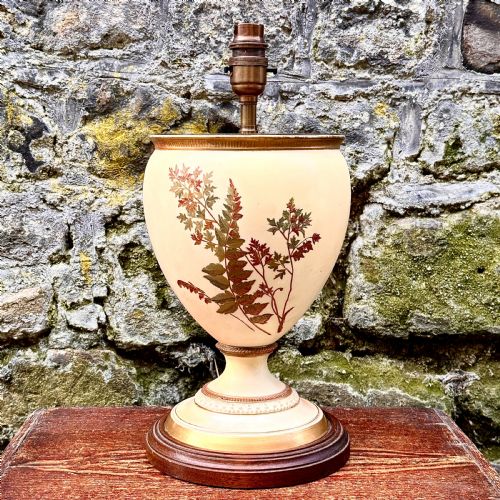
These antique ceramic table lights bring heavy porcelain bodies, converted oil vessels and hand-painted glazes into domestic rooms.
Antique Ceramic Table Lights
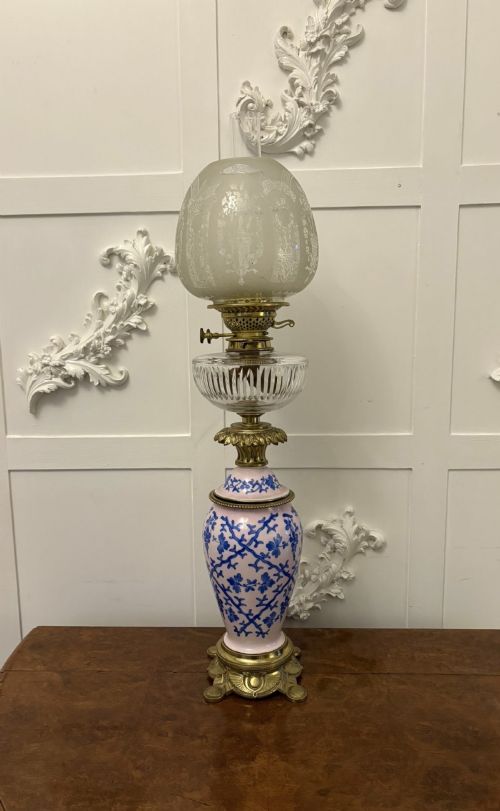
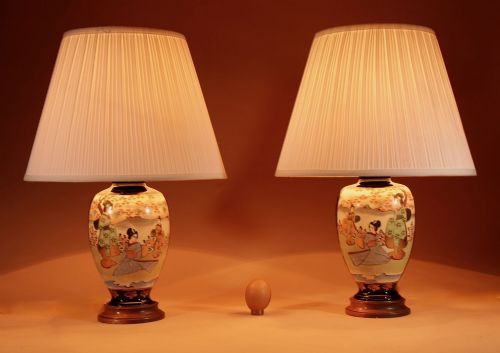
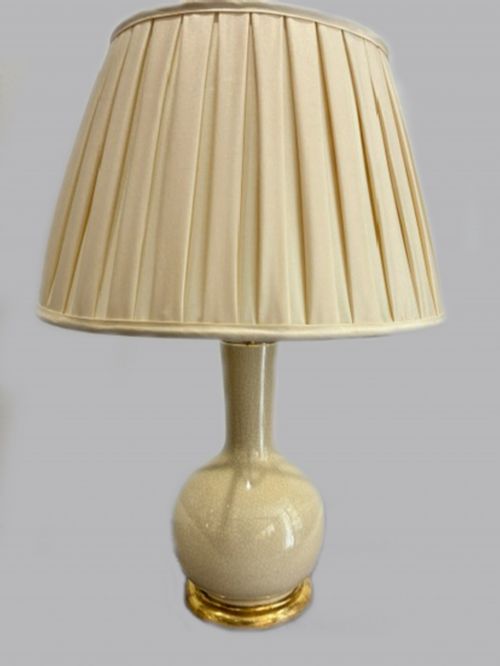
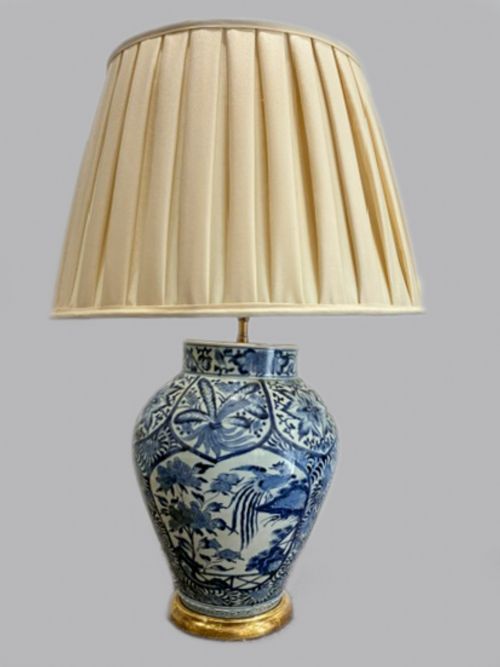
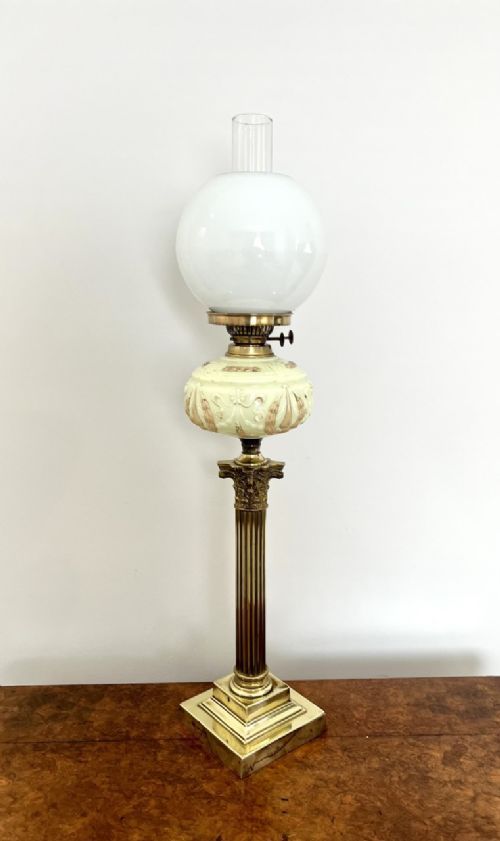
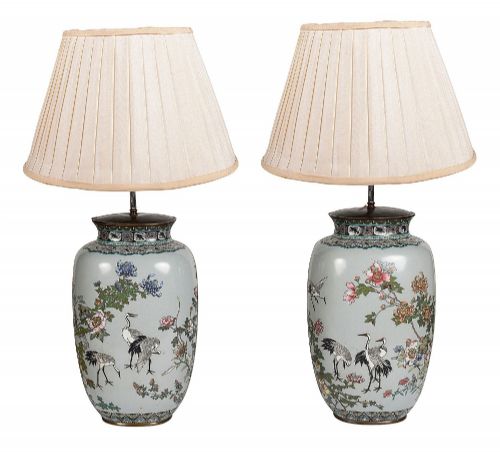
When you search for antique ceramic table lights, you find a varied selection of converted oil lamps, altered vases and fitted candlesticks spanning several centuries. The most common examples on this page are 19th Century porcelain bodies, alongside earlier Dutch Delftware jars and Japanese Satsuma vessels adapted for electrical use.
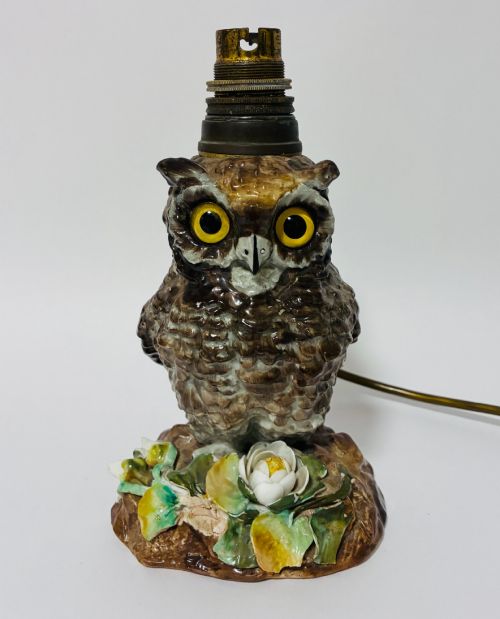
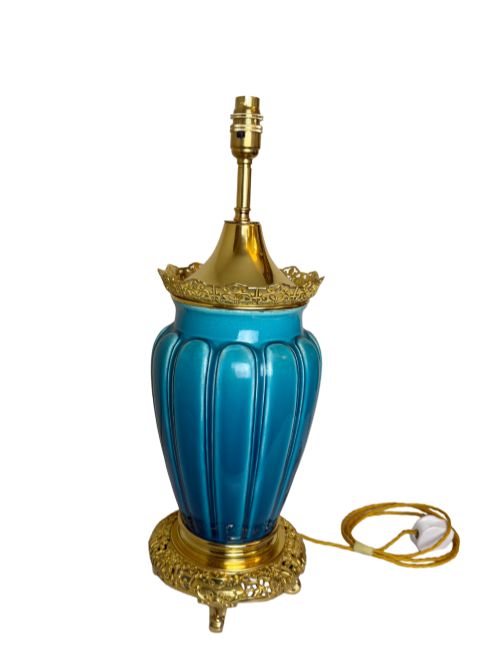
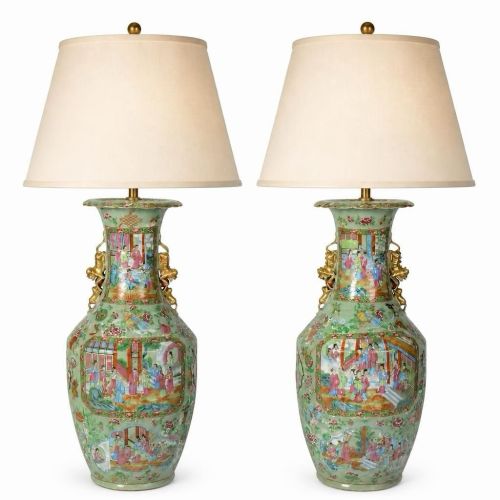
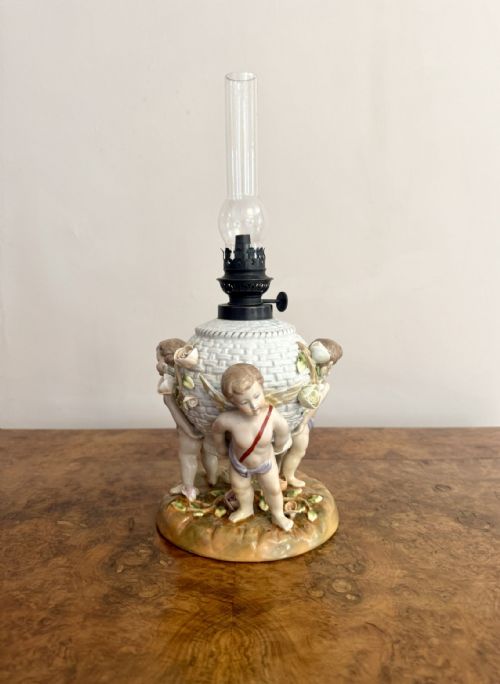
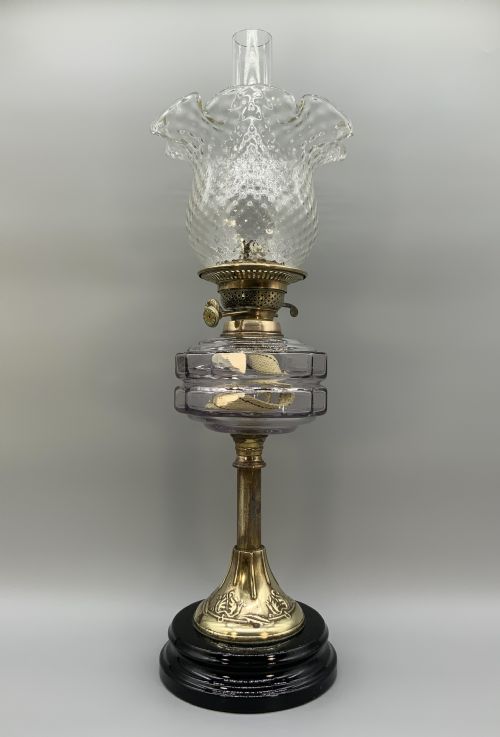
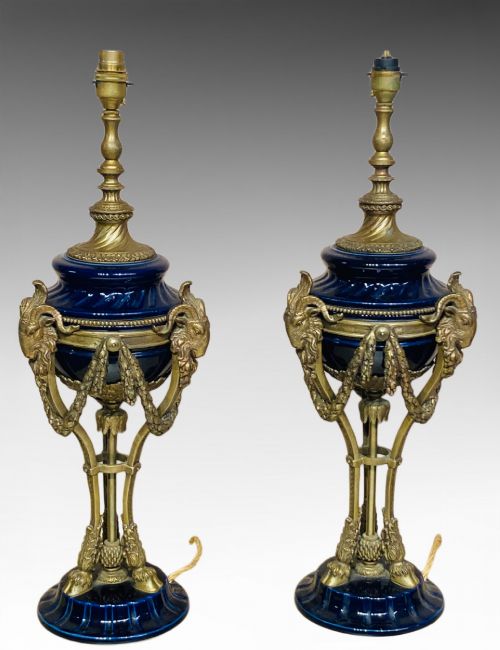
Many of these pieces begin life as decorative vases or functional Victorian oil burners before receiving mounts and electrical fittings. The forms range from small figural animals, such as owls and dogs, to monumental Chinese celadon and blue-and-white jars mounted with brass and ormolu.
The materials span earthenware, ironstone and hard-paste porcelain, frequently paired with fabric shades and metal bases. Makers and factories across England, Germany, France and East Asia contribute to a mix of styles that run from Rococo Revival and Chinoiserie to Art Deco.
Materials and Construction
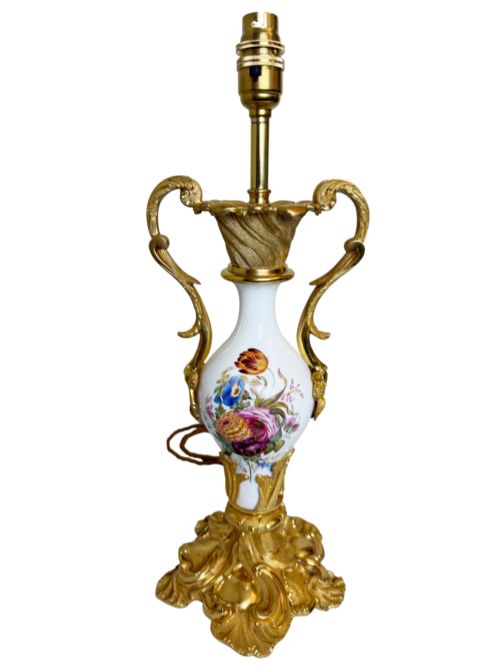
The physical build of these lights relies on combining fired clay bodies with metal components like brass, gilt bronze and ormolu. Ceramic bodies are hand-thrown or cast in moulds, then glazed, painted and fired before being drilled or fitted with collars to accept electrical wiring or burner assemblies.
Mounts and bases are cast separately and attached using threaded rods, pins or adhesive securement to support the weight of tall porcelain vases. Hand-blown glass shades and fabric elements complete the construction on larger Victorian and Edwardian oil-burning conversions.
Dogs and owls take physical form in Victorian ceramic lamp bases, staring down from side tables with unwavering porcelain expressions.
Standards of Manufacture and Artistry
The distinction between standard and superior pieces rests on the crispness of the porcelain moulding and the hand-painted detail of the glaze. Finer examples display precise brushwork, rich cobalt or celadon tones, and heavily chased metal mounts that fit the ceramic contours precisely.
Conversion methods also dictate the integrity of the piece, separating professional adaptation from crude alterations that damage the original ceramic body. Balance, stability and the quality of the brass or gilt bronze hardware separate standard production items from grand exhibition pieces.
Sitzendorf·Royal Worcester·Hinks·Taylor Tunnicliff·Hicks and Meigh
The Antique Ceramic Table Lights Glossary
- Delftware
- Tin-glazed earthenware originating from Dutch potteries, known for its distinctive white surface and blue painted decoration. It frequently appears in 18th-century lamp conversions.
- Ormolu
- Gilt bronze mounts used to decorate and support porcelain bodies. This technique adds structural weight and ornamental detail to French and English table lights.
- Satsuma
- Japanese earthenware pottery characterised by a ivory-coloured, crackled glaze decorated with elaborate enamels and gilt. These vases are frequently found converted into table lamps.
- Sang de bouf
- A rich, deep red copper-based glaze developed in Chinese kilns. The intense red coloration requires precise kiln atmosphere control during firing.
Antique Ceramic Table Lights: Frequently Asked Questions
How do I date an antique ceramic lamp?
Dating relies on examining the ceramic body style, the glaze characteristics, and the accompanying metal mounts. 18th-century pieces often feature thick Delft potting, while 19th-century examples show Victorian brass fittings and transfer-printed or hand-painted porcelain.
Changes in wiring holes, collars, and burner mechanisms also offer clues to the age of the conversion. Comparing the base style against known period pottery marks helps narrow down the decade of manufacture.
Were these always electric lights?
Most of these pieces started life as oil lamps, decorative vases, or ginger jars rather than electric lights. Victorian models frequently began as column oil burners, while earlier Asian and European vessels were adapted later in their lifespan.
Conversion usually involves drilling the ceramic base for a cord and fitting brass hardware to hold a lamp holder. This practice preserves decorative objects by giving them a practical function in modern interiors.
How do I choose the right shade?
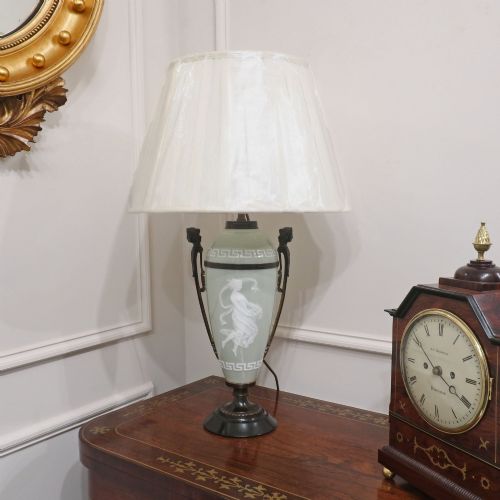
Choosing a shade depends on the scale, weight, and visual style of the ceramic base. Large Victorian porcelain urns require substantial fabric shades to balance their heavy proportions, while petite figural bases suit smaller conical designs.
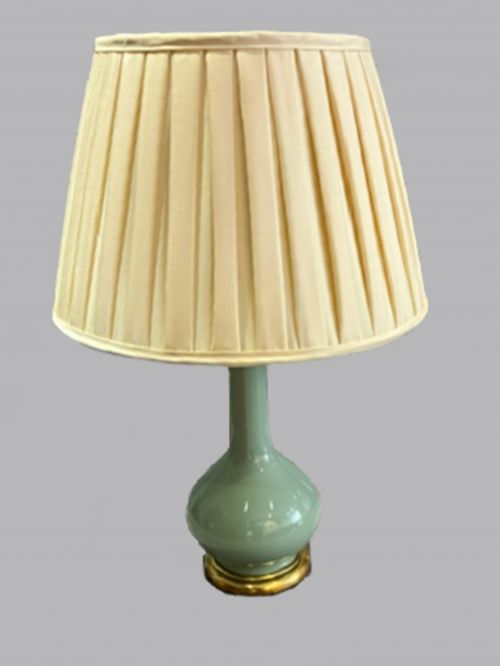
Matching the shade fabric to the era of the lamp helps maintain historical harmony. Silk, linen, and hand-pleated materials are common choices that complement antique glazes without overpowering them.
Are converted vases safe to use?
Converted vases are safe for daily use provided the internal wiring and fittings meet modern electrical standards. Many older lamps undergo rewiring to ensure the brass components and lamp holders function correctly.
It is advisable to have a qualified professional inspect older fittings, especially on pieces with metal collars attached directly to ceramic necks. This ensures the weight of the lamp sits securely on the supporting rod.