


Victorian Porcelain Lamps
Victorian porcelain lamps bring glowing warmth and hand-painted artistry to a room, combining period ceramic bodies with ornate metal mounts.
Victorian Porcelain Lamps
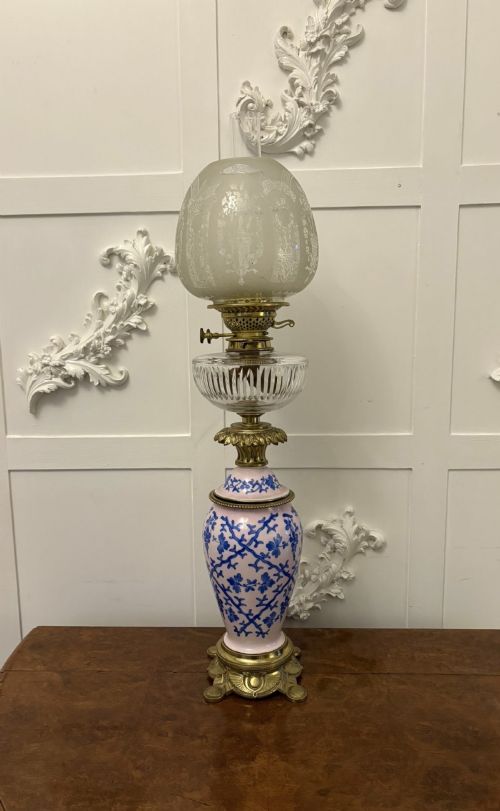
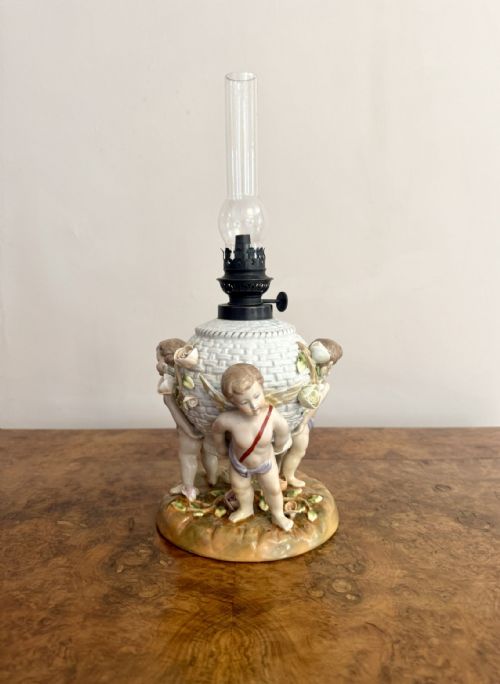
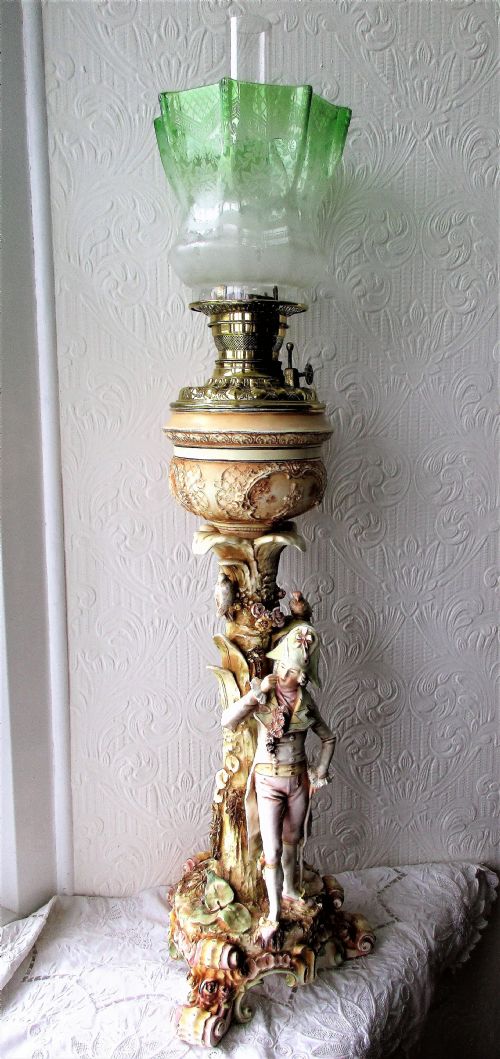
Victorian porcelain lamps span the nineteenth century, taking the form of table lamps and oil lamps that originally burned fuel before conversion to electricity. You will frequently encounter examples shaped from Chinese export ceramics, French factory wares, and German porcelain bodies.
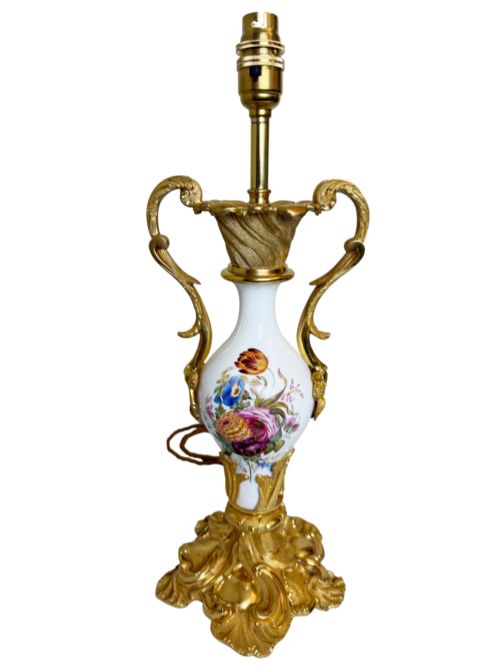
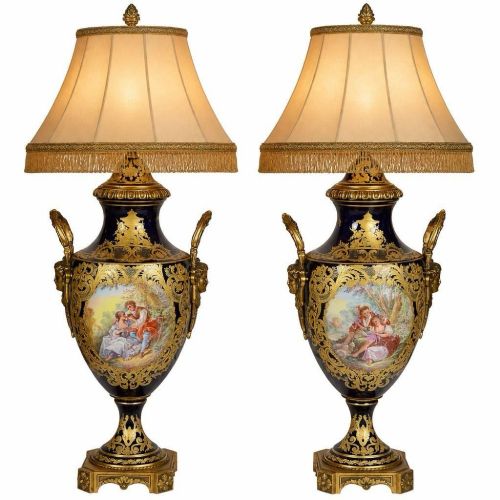
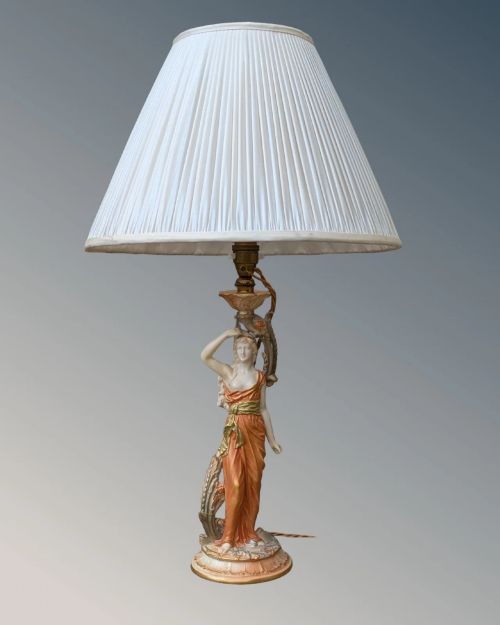
The selection ranges from petite floral design table lamps to large matched pairs mounted in ormolu and gilt bronze. Makers utilised vases, spill vases, and figurative sculptures as the central pillars for these domestic light sources.
Styles lean towards French Rococo Revival, Chinoiserie, and classical Greek revival influences. Many retain traces of their original function as oil burners alongside newer silk or fabric shades.
How they were made
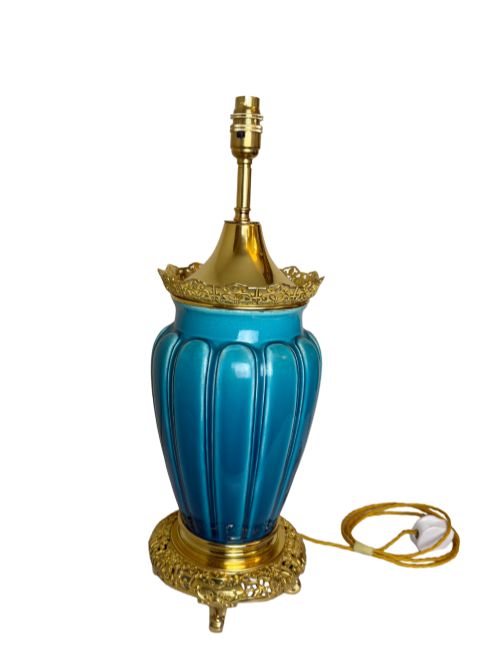
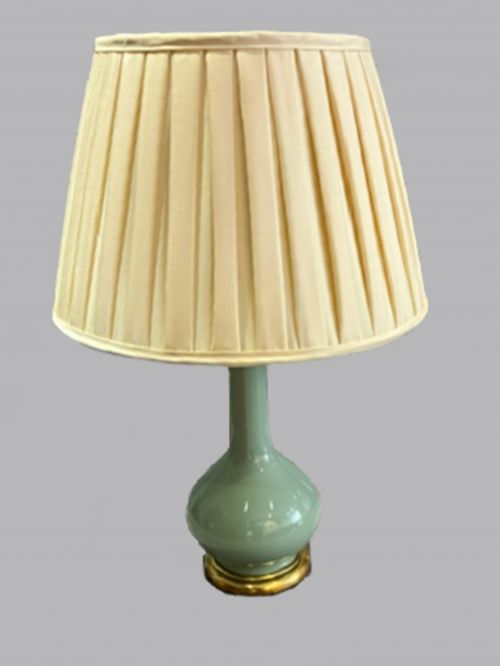
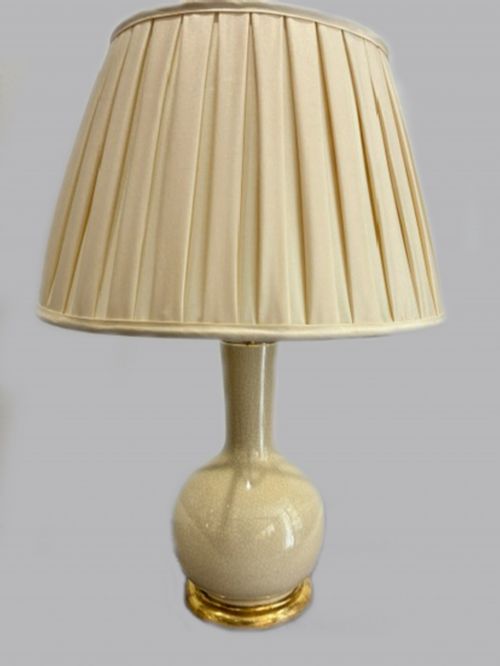
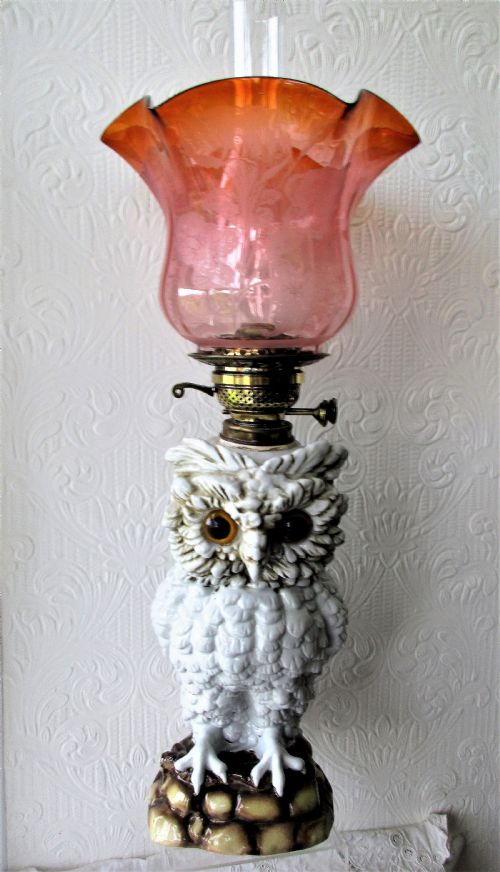
Potters shaped the ceramic bodies from porcelain, china, and crackle ware, applying glazes in celadon, bleu celeste, turquoise blue, and famille rose palettes. Artisans decorated surfaces with hand-painted floral motifs, cherubs, and animal figures including owls and dogs.
Metalworkers combined brass, gilt bronze, and ormolu to create heavy mounts, pierced bases, and collars that secured the ceramic vessels. These metal components were cast and chased with decorative details before being fitted to the porcelain bodies.
Several ceramic dogs and wise owls stand ready to illuminate your reading nook.
What varies in quality
The refinement of the porcelain body and the crispness of the hand-painted decoration distinguish superior examples from standard production. Finer pieces display detailed modelling in figurative elements like cherubs and animals.
The weight and finish of the ormolu or gilt bronze mounts indicate the workshop standard. Heavy, well-chased metal mounts securely integrated with the ceramic body elevate the status of the piece.
Sitzendorf·Meissen·Royal Worcester·Samuel Alcock
The Victorian Porcelain Lamps Glossary
- Ormolu
- Gilded bronze applied to furniture and lighting mounts. This technique gives a bright golden finish to decorative metal parts.
- Famille Rose
- A Chinese ceramic palette characterised by pink enamel colours. It appears frequently on export porcelain vases adapted into lighting.
- Pate Sur Pate
- A method of porcelain decoration where liquid clay is built up in layers to create a raised cameo effect. This technique produces subtle white reliefs on coloured grounds.
- Celadon
- A pale green jade-like glaze originating in East Asia. Victorian makers frequently used celadon vessels for French-mounted table lamps.
Victorian Porcelain Lamps: Frequently Asked Questions
Were these originally oil lamps?
Many Victorian porcelain lamps started life as oil lamps equipped with burners and glass chimneys before later conversion to electricity.
Some examples began as decorative vases or spill vases that were subsequently drilled and fitted for electrical wiring.
How do I identify French styles?
French influence appears through ormolu mounts, Sevres style porcelain bodies, and Rococo Revival curves.
These pieces often feature rich blue glazes or elaborate gilt bronze bases that reflect continental salon aesthetics.
What are Chinese export lamps?
Chinese export lamps utilise Canton, Famille Rose, or blue and white porcelain vases made in East Asia for the Western market.
Victorian cabinet makers and lamp fitters mounted these imported vessels onto brass and ormolu bases for European homes.
How should I choose a pair?
Matched pairs often consist of vases or figural oil lamps produced concurrently by European factories like Sitzendorf or Meissen.
Check that the porcelain bodies and metal mounts match in scale, glaze colour, and decorative detail.