


Gilt Brass Table Lamps
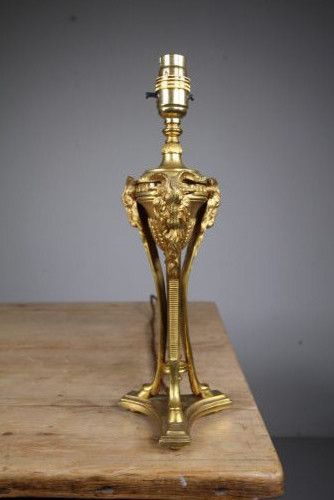
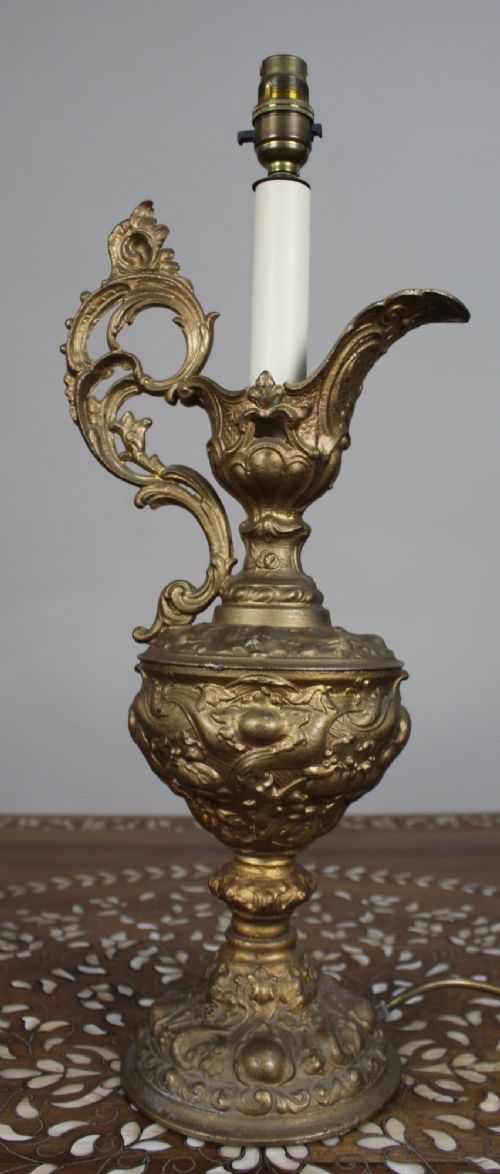
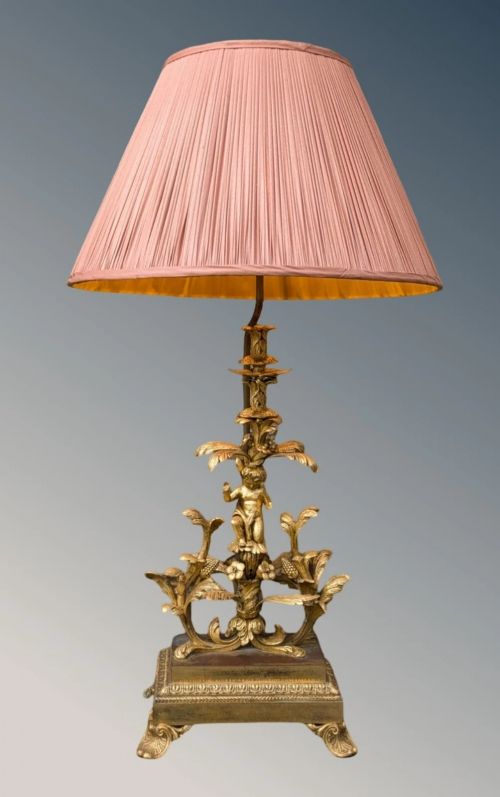
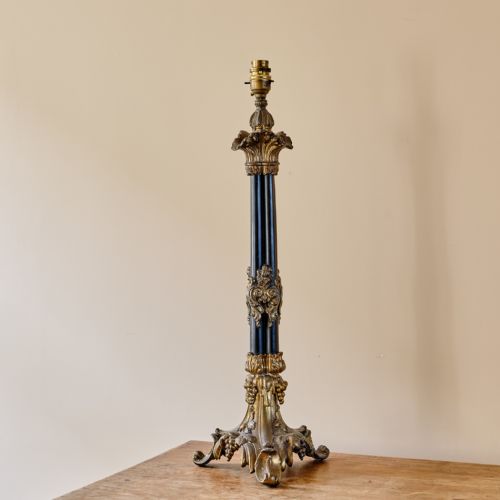
These gilt brass table lamps bring warmth and heavy metal presence to a room, offering the refined gleam of nineteenth-century French and Italian work.
Gilt brass table lamps
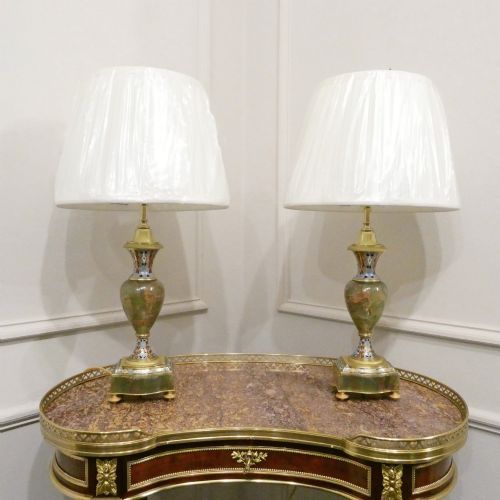
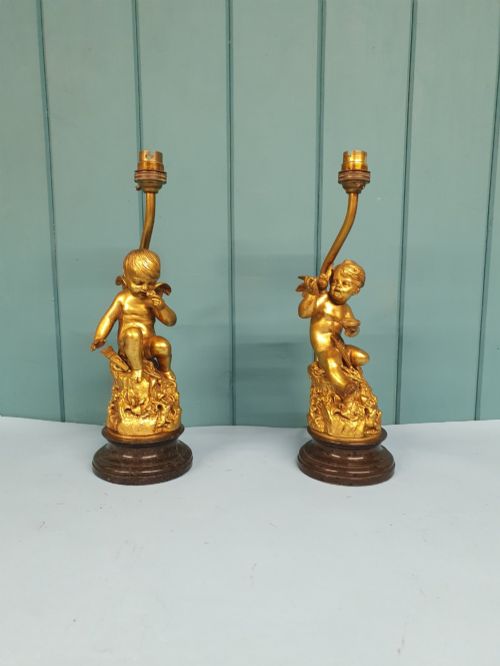
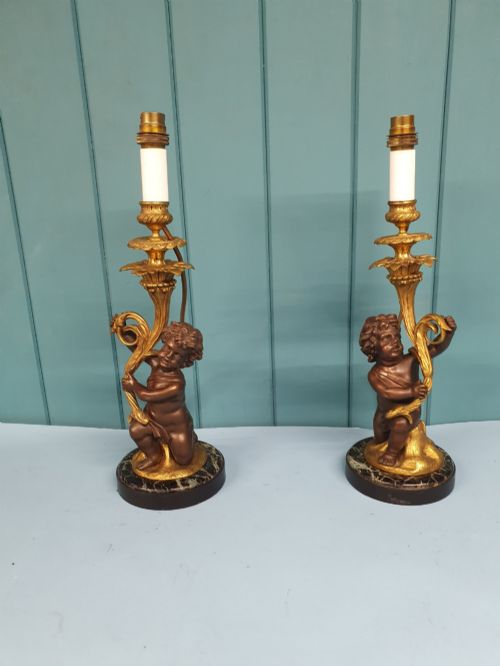
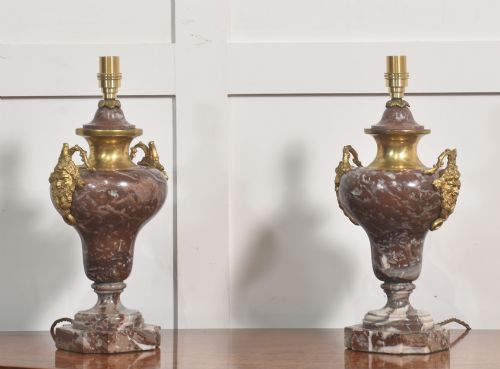
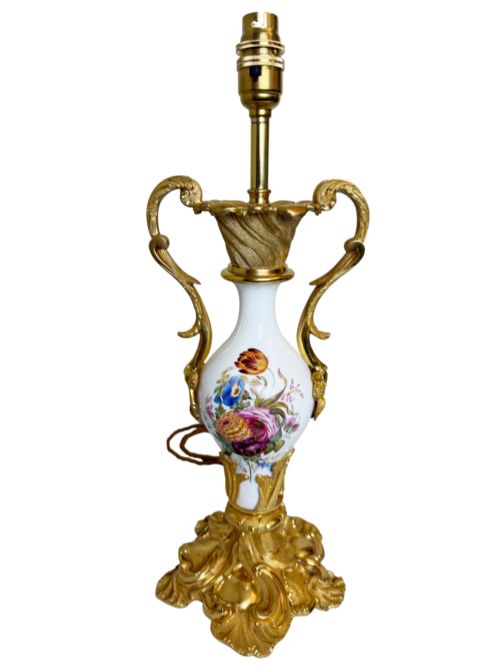
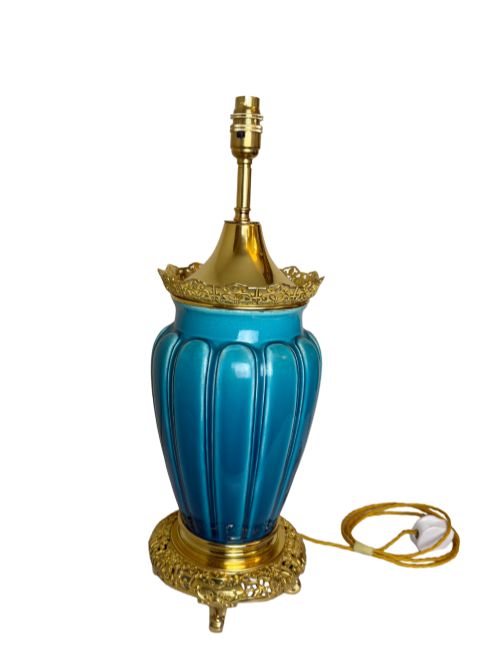
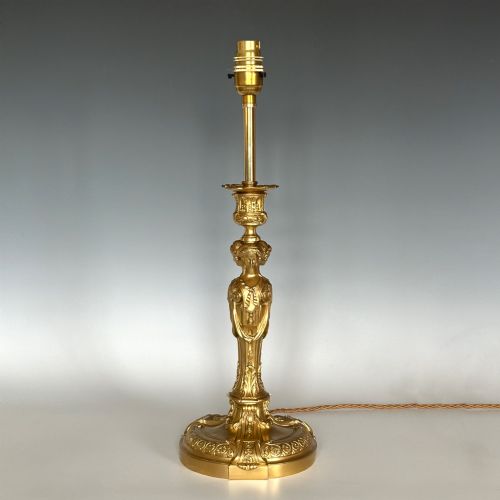
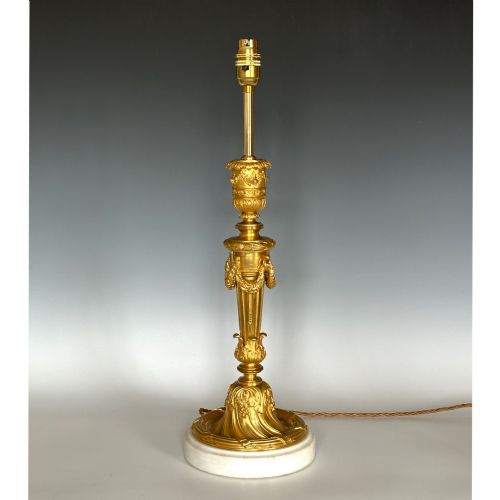
Gilt brass table lamps appear primarily in nineteenth-century and early twentieth-century forms, often arriving as matched pairs from French and Italian workshops. These pieces combine metalwork with materials such as rouge marble, porcelain, alabaster, and glass to create substantial vertical presence for a room.
The selections span distinct historical styles, moving from French Neoclassical influences through late nineteenth-century productions to Art Deco interpretations. Buyers frequently encounter column designs, candelabra configurations, and mounted urn or vase shapes among these offerings.
Many examples originate from ecclesiastical or formal domestic contexts, reflecting the grand interior schemes of their periods. Their survival as pairs indicates they were originally commissioned to balance mantelpieces, sideboards, or large tables.
What varies in quality
The distinction between standard production and exceptional quality lies in the depth of the chasing and the weight of the cast metal components. Finer examples display sharp architectural definition in capitals and mounts, whereas simpler pieces rely on smoother, less articulated surfaces.
Material selection also dictates the tier of the piece, with dense rouge marble and finely carved alabaster elevating the stature of the lamp above simpler brass-only bodies. The integration of decorative elements like pate sur pate porcelain panels indicates a higher level of workshop collaboration and ambition.
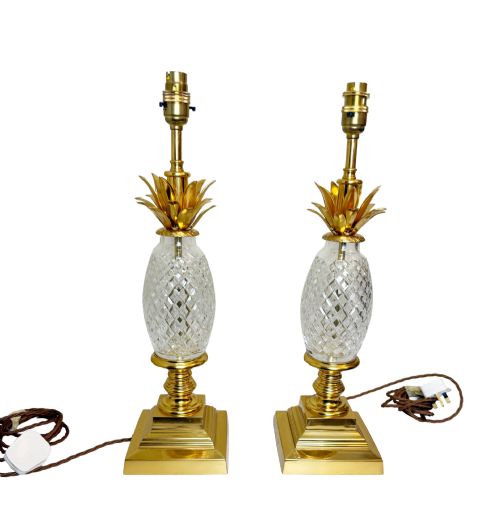
Pineapples made regular appearances in Art Deco metalwork, bringing a touch of tropical hospitality to heavy French brass.
The Gilt Brass Table Lamps Glossary
- Ormolu
- A technique of applying finely ground high-carat gold to a bronze or brass object using a mercury amalgamation process, creating a rich matte finish. This method was widely used in eighteenth and nineteenth-century French metalwork.
- Pate sur pate
- A ceramic decorating method where successive layers of liquid white porcelain slip are painted onto a coloured clay body to build a low relief cameo effect. The process requires great skill from the ceramic artist.
- Rouge marble
- A deep red, variegated limestone with white and grey calcite veins, quarried primarily in France. It was frequently utilised for heavy architectural bases and columns.
- Corinthian column
- A classical architectural order characterised by slender fluted shafts and ornate capitals decorated with acanthus leaves. This form was frequently adapted for nineteenth-century lighting.
Frequently Asked Questions
What periods do these lamps come from?
The available pieces date from the nineteenth century through to the 1930s, encompassing periods like 1870 and 1890 alongside early twentieth-century examples.
These dates reflect the manufacturing eras of the French and Italian workshops that produced the original mountings and column structures before any later rewiring.
Are these lamps sold as pairs?
The listings consist almost entirely of matched pairs, reflecting how such decorative objects were originally designed to sit symmetrically in grand interiors.
Finding them as pairs makes them suitable for placing on either side of a sideboard, mantelpiece, or large console table.
What materials are combined with the brass?
Maker workshops frequently combined gilt brass and ormolu with rouge marble, porcelain, carved alabaster, glass, and crystal.
These contrasting materials added weight, colour, and texture to the columns and bodies of the pieces.
How do I identify French Neoclassical style?
French Neoclassical designs draw inspiration from classical antiquity, featuring balanced proportions, architectural columns, and restrained ornamental mounts.
Look for elements such as Corinthian capitals, urn forms, and crisp linear chasing in the metalwork.