
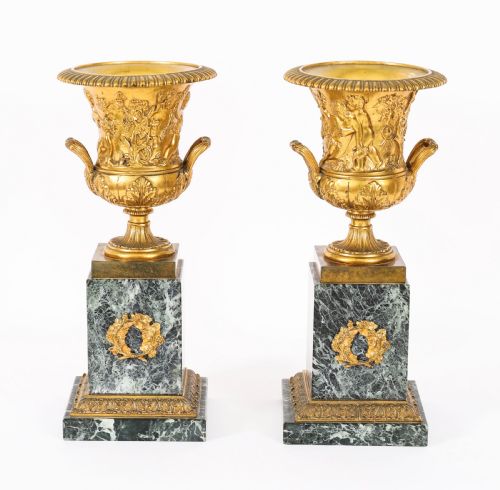
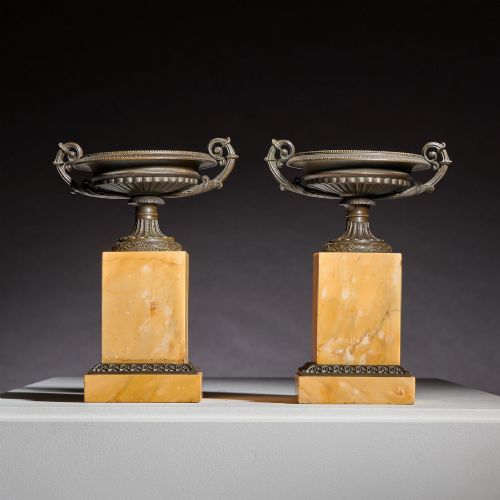
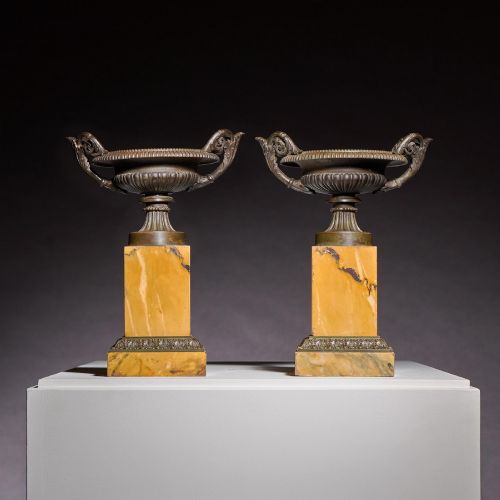

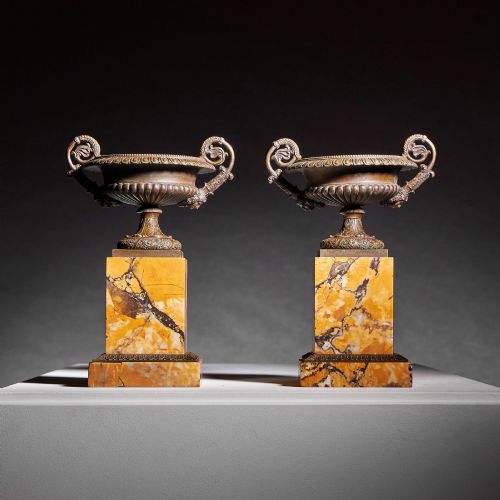
Pair of Marble Urns
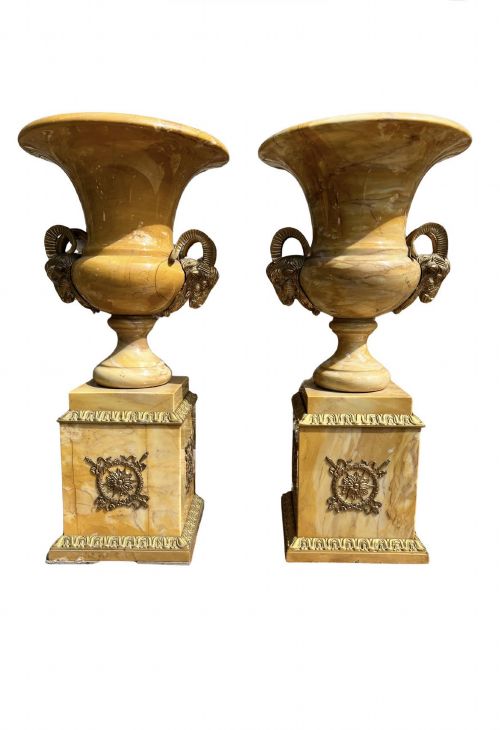
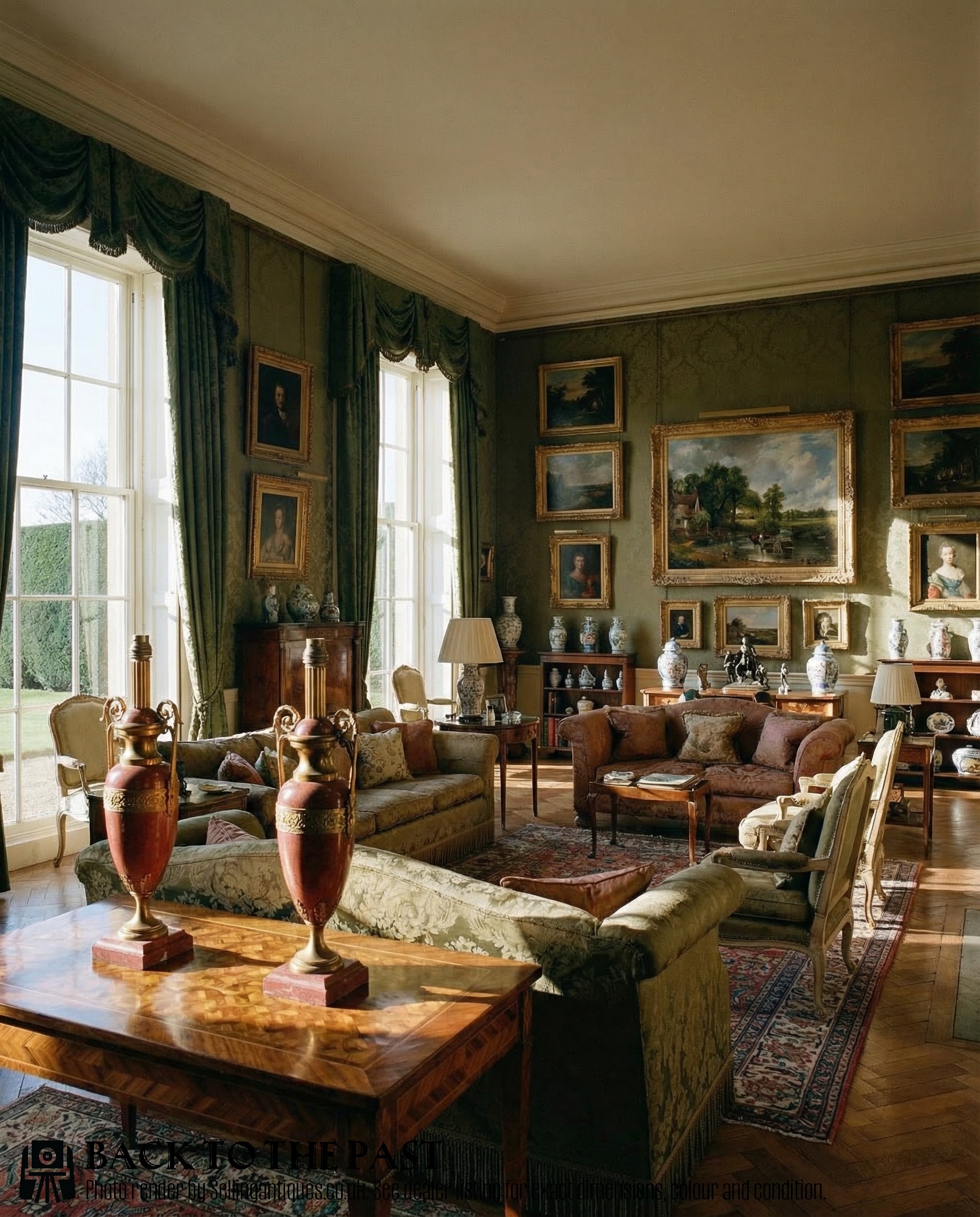
A pair of marble urns brings classical balance and substantial geological colour to a mantel or console.
Pair of Marble Urns
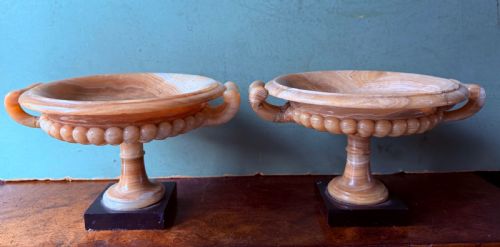
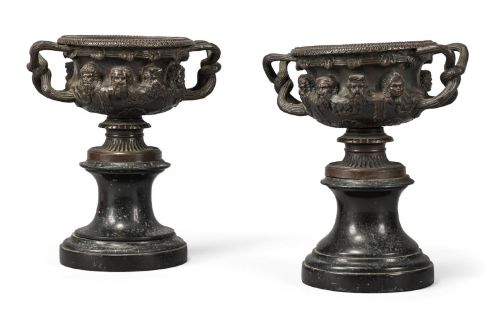
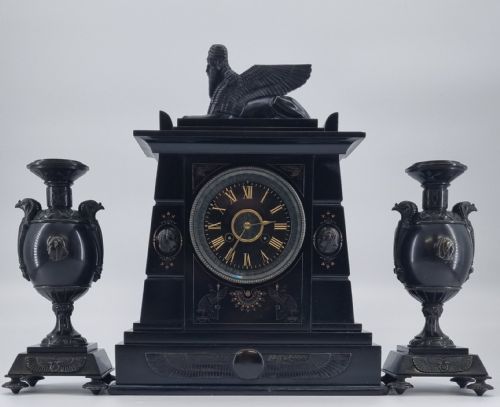
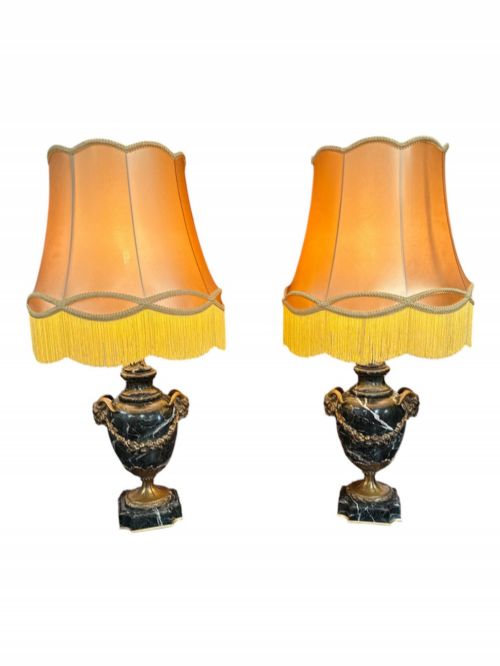
A search for a pair of marble urns reveals heavy decorative vessels formed from natural stone and mounted with metal handles, bases, or rims. The selection includes Grand Tour souvenirs from Italy alongside French decorative garnitures and lamps from the nineteenth century.
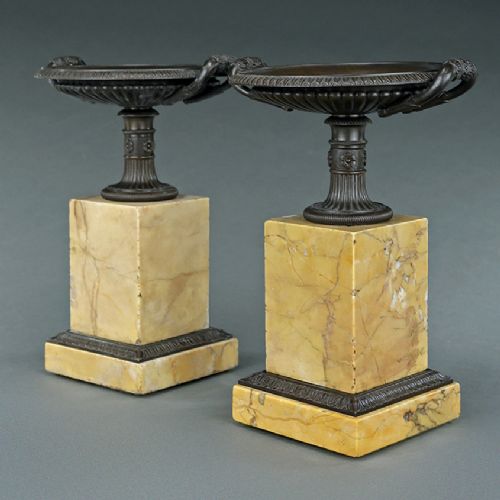
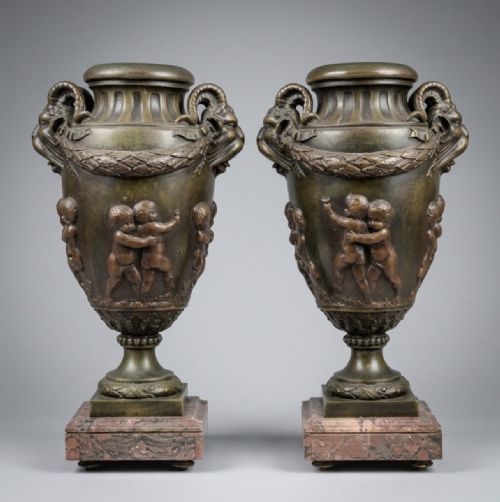
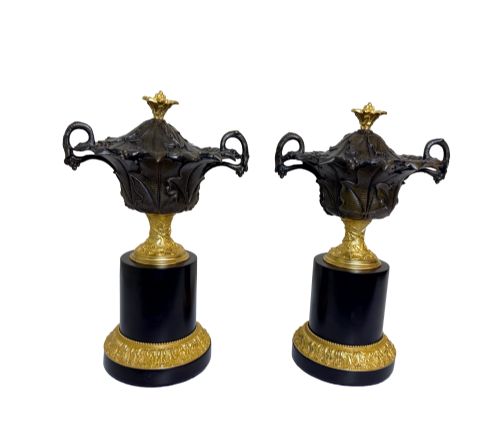
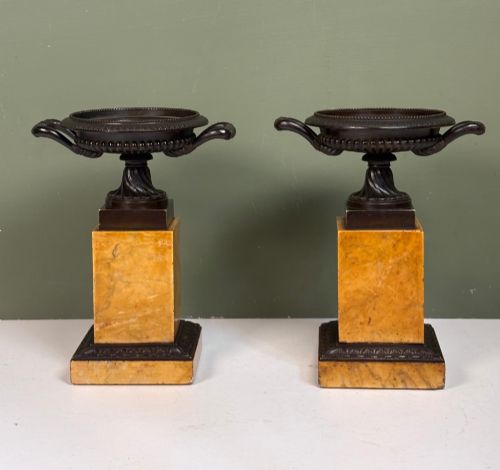
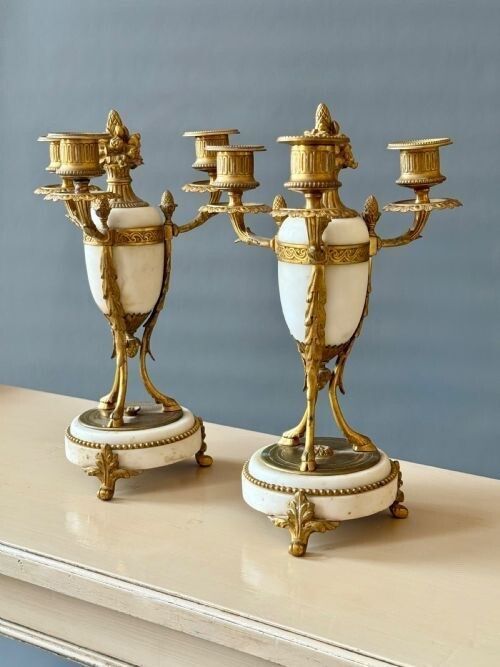
Most examples combine turned or carved stone bodies with cast metal mounts in brass, bronze, or ormolu. Forms range from classical campana shapes and tazzas to lidded cassolettes designed to hold scents or anchor a mantel garniture.
How they were made
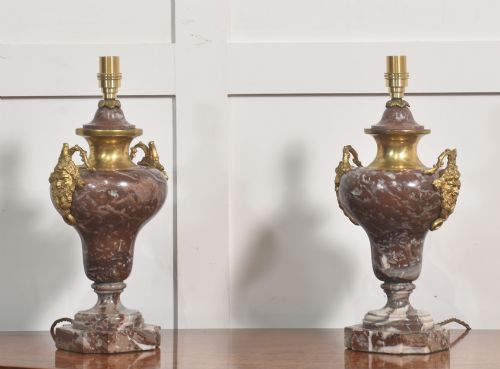
The stone elements utilise turned and hand-carved marble, alabaster, or onyx, often selected for strong natural veining in white, siena, rouge, or green varieties. These mineral bodies are paired with cast bronze or brass mounts, secured with threaded bolts or pins through the stone base.
Metal components receive cast surface detailing, patination, or gilt finishes in the French Empire and Louis XVI styles. Many nineteenth-century vessels incorporate patinated bronze figures, handles, and friezes directly onto polished stone plinths.
Listings feature nineteenth-century French and Italian pieces utilising siena, rouge, and green marbles alongside bronze and ormolu.
What varies in quality
Quality rests in the crispness of the metal chasing and the depth of figure within the stone. Finer examples display sharp definition in cast bronze mounts and tightly fitted joinery between the metal collars and turned marble bodies.
The Pair of Marble Urns Glossary
- Tazza
- A shallow bowl or vase raised on a stem and foot, frequently carved from decorative stone during the nineteenth century.
- Ormolu
- Gilded bronze utilised for decorative mounts on furniture and stone vessels, popular in French neoclassical design.
- Cassolette
- A decorative lidded vase or urn designed with a reversible top, functioning as either a solid vessel or a burner.
- Campana
- A bell-shaped classical urn profile with flared rims and handles, often cast in bronze on a stone plinth.
- Garniture
- A set of matched ornamental vases or candelabras displayed together on a mantelpiece or sideboard.
Pair of Marble Urns: Frequently Asked Questions
What is a cassolette?
A cassolette is a decorative lidded urn featuring a reversible top that allows the piece to switch between a closed vase and an incense burner.
These vessels were widely produced in France during the nineteenth century using coloured marbles and gilt bronze mounts.
How do I identify Grand Tour pieces?
Grand Tour pieces originate from nineteenth-century Italy and France as souvenirs for travellers collecting classical antiquities.
They typically utilise specific local stones like siena marble or alabastro egiziano paired with finely cast patinated bronze.
Were these urns wired for electricity?
Many surviving pairs have been converted into table lamps during the twentieth century to suit modern domestic lighting.
Original decorative urns remain hollow stone or metal vessels without electrical fittings unless explicitly converted.
How should I clean marble urns?
Marble surfaces require careful dusting with a dry microfibre cloth to protect the polished mineral finish and natural veining.
Harsh chemical cleaners and excess moisture must be avoided, particularly around gilt bronze mounts and exposed brass.