


Blue Porcelain Lamps
Blue porcelain lamps bring together centuries of ceramic artistry and domestic illumination, offering rich colour and historic character to a room.
Blue Porcelain Lamps
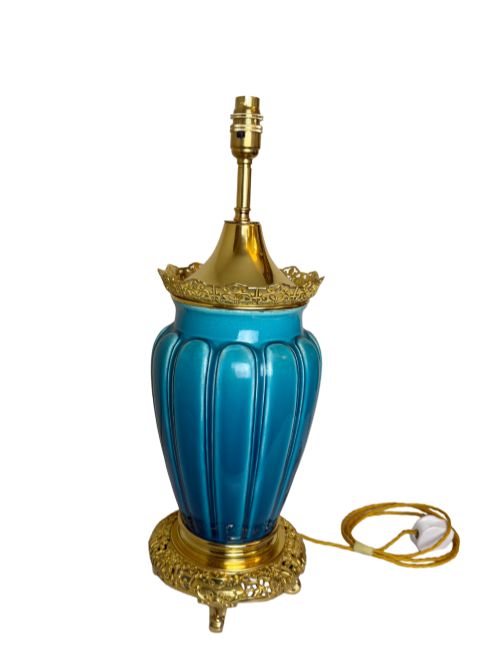
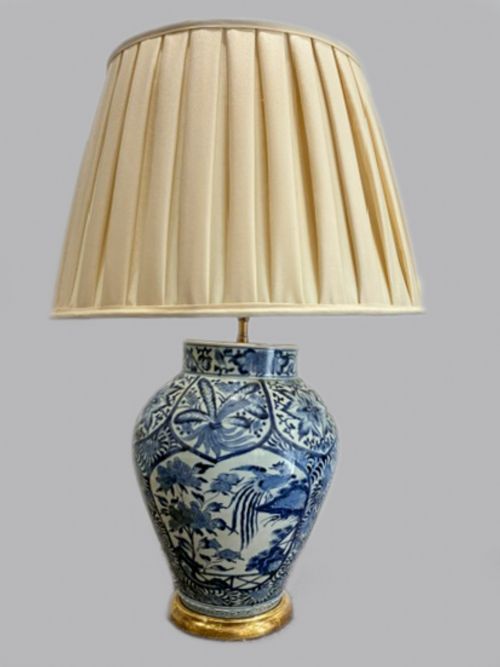
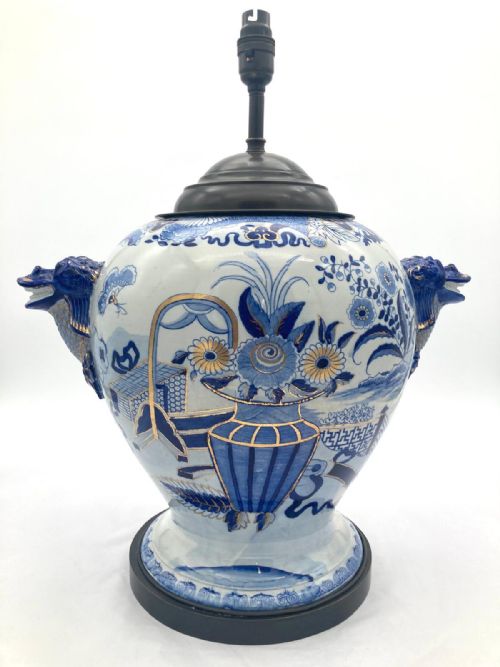
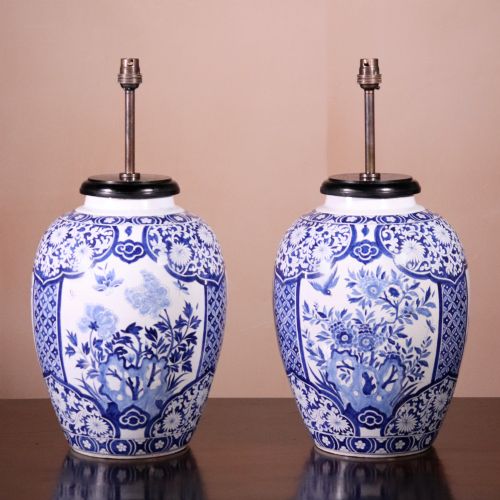
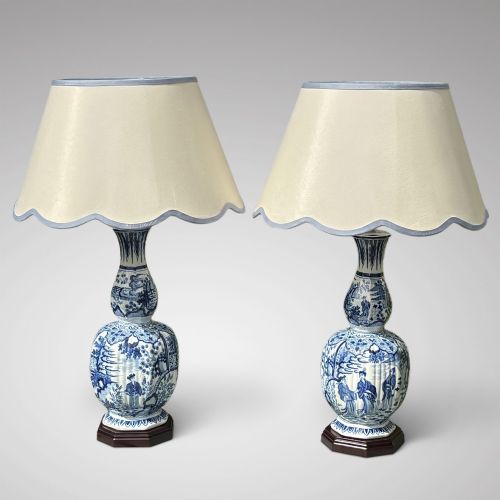
Blue porcelain lamps represent a tradition of adapting antique vessels, such as vases, jars, and oil lamps, into functional lighting. The selection spans Chinese blue and white ginger jars, Japanese Satsuma and Imari pieces, and European ceramics from French and Delft kilns.
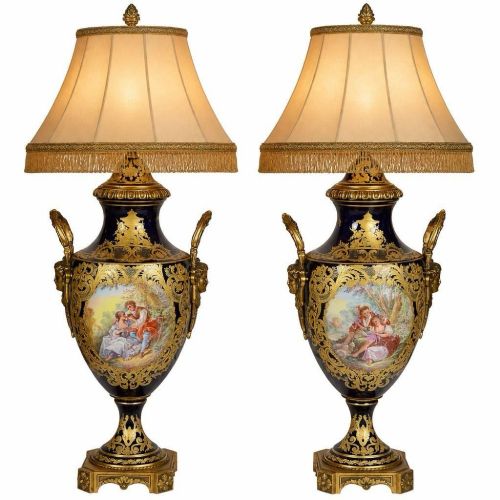
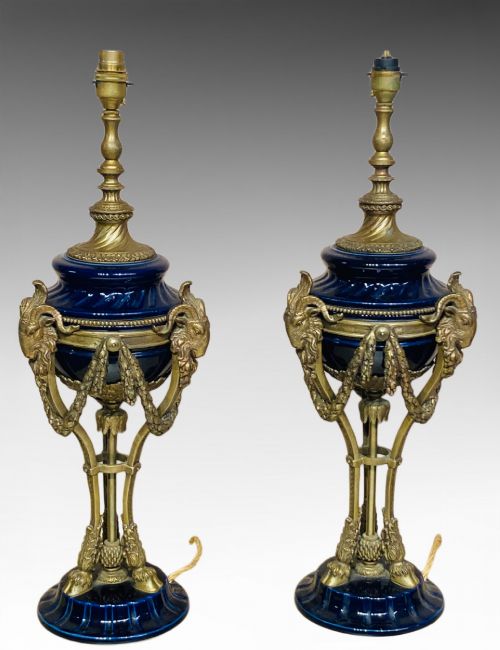
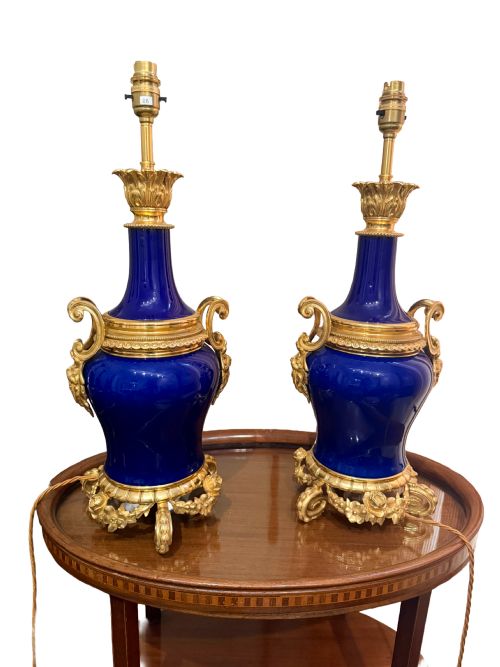
Many examples utilise historic bodies originating from the seventeenth, eighteenth, and nineteenth centuries, subsequently converted with electrical fittings or oil mechanisms. Buyers frequently encounter pairs featuring cobalt or powder blue glazes mounted on metal bases.
The forms range from Chinese celadon and crackleware vessels to Art Deco figural pieces and Sevres style designs. These objects bridge the gap between antique display ceramics and practical interior lighting.
What varies in quality
Quality rests in the harmony between the ceramic vessel and its metal mounts, alongside the crispness of the hand-painted cobalt decoration. Finer examples display precise ormolu or brass work that complements the proportions of the porcelain without overwhelming it.
The integrity of the original glaze and the subtlety of the colour variation distinguish superior pieces from standard conversions. Depth of tone and the condition of the ceramic body dictate the standing of individual lamps.
Cherubs occasionally peek out from beneath nineteenth-century shades, keeping watch over the parlour.
Hicks and Meigh·Sevres
The Blue Porcelain Lamps Glossary
- Ormolu
- Gilded bronze mounts applied to furniture and porcelain bases. This technique was widely utilised by French makers during the nineteenth century.
- Celadon
- A term for ceramics denoting a pale green or grey-green glaze, occasionally found alongside blue decorated pieces in East Asian wares.
- Ginger jar
- A high-shouldered ceramic storage vessel with a wide mouth, frequently converted into a table lamp.
- Imari
- A style of Japanese export porcelain decorated in underglaze blue and iron red with gilt highlights.
- Crackleware
- Pottery featuring a network of fine cracks in the glaze, intentionally produced during the firing process.
Blue Porcelain Lamps: Frequently Asked Questions
How are antique vessels converted into lamps?
Historic vases and jars receive electrical wiring and fitted hardware through existing apertures or professionally drilled channels. Metal collars and bases are secured to support the bulb and shade.
This method preserves the primary ceramic body while adapting it for modern domestic use.
What periods do these lamps date from?
The ceramic bodies originate from periods spanning the late seventeenth century through to the early twentieth century. Many Asian and European pieces date specifically to the nineteenth century.
Conversion dates vary, with some historic vessels adapted during the Victorian era or later.
How do I care for blue porcelain lamps?
Dust the porcelain and metal mounts gently with a dry microfiber cloth to prevent grime accumulation. Avoid harsh chemical cleaners that might damage the antique glaze or gilt surfaces.
Check the wiring periodically and keep the lamp away from direct sunlight to preserve the fabric shades.
Are these lamps sold as pairs?
Many listings feature matched pairs of lamps, particularly those created from symmetrical vases or ginger jars. Single lamps also appear frequently in the selection.
Pairs often share uniform height, glaze colour, and ormolu mount styles.