


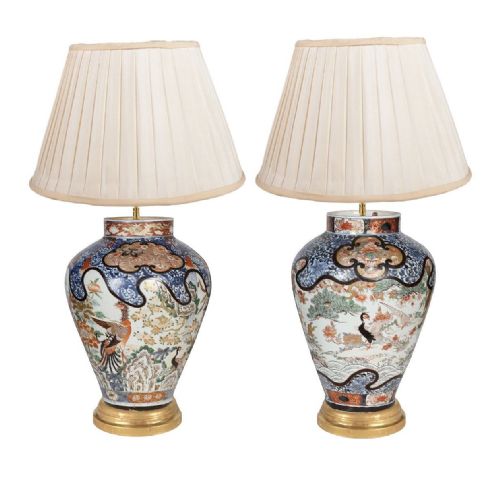
Pair Blue Vase Lamps
These pair blue vase lamps transform traditional vessels from European and Asian kilns into balanced interior lighting.
Pair Blue Vase Lamps
When you search for pair blue vase lamps, you find decorative vessels from centuries past that have been adapted to hold electrical fittings. These pieces pair symmetry with deep blue glazes or enamel work, originating from Chinese, Japanese, and European makers.
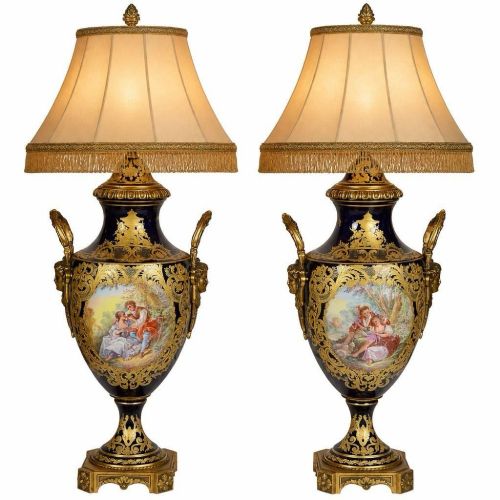
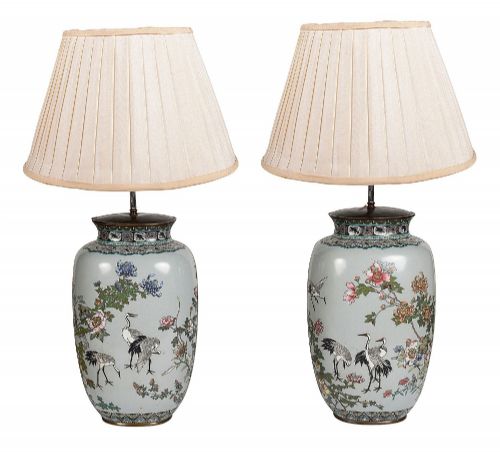
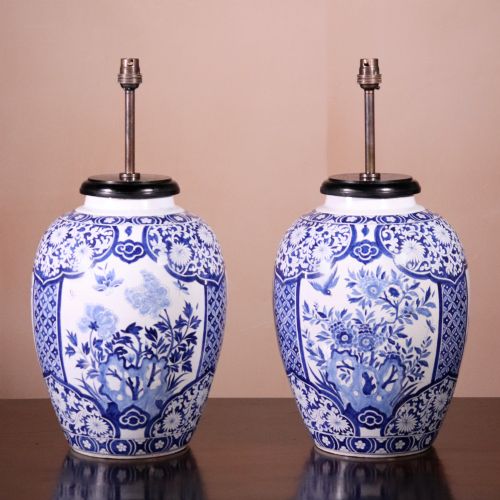
The most common forms on this page include Chinese ginger jars, Japanese Satsuma and Cloisonné urns, and French Sevres or Delft porcelain bodies. They span multiple eras, notably the nineteenth century, utilising existing ceramic and metal bodies for domestic illumination.
How They Were Made
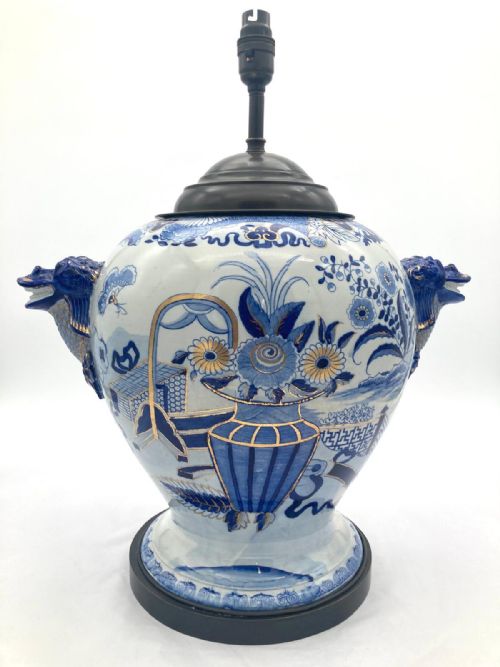
Potters and artisans formed these bodies using porcelain, earthenware, or ironstone, applying cobalt blue pigments beneath a transparent glaze or building detailed designs in cloisonné enamel on metal bases. Many examples incorporate cast brass and ormolu mounts to secure the electrical hardware and elevate the ceramic body.
The conversion process involved drilling or fitting the original vases to accommodate wiring, often pairing the finished lamps with custom silk or fabric shades.
Listings feature porcelain, brass, cloisonné enamel, and ceramic materials spanning the seventeenth through the twentieth centuries.
What Varies in Quality
The standard of a pair blue vase lamps depends on the crispness of the hand-painted cobalt detail or the precision of the enamel wirework on the body. Superior examples maintain exact symmetry between the two vessels and integrate metal mounts that complement the original ceramic design without obscuring key motifs.
Hicks and Meigh·Sevres
The Pair Blue Vase Lamps Glossary
- Cloisonné enamel
- A metalwork technique where fine wires create small compartments filled with coloured enamel paste before firing.
- Ormolu
- Gilded bronze mounts applied to furniture and ceramic objects, offering decorative structure and stability.
- Imari
- Japanese porcelain decorated in underglaze blue and overglaze iron red and gold, produced largely for export.
- Ginger jar
- A wide-shouldered ceramic vessel with a domed lid, originally designed for storing spices and later adapted into lamp bases.
Pair Blue Vase Lamps: Frequently Asked Questions
How do I wire old vases?
Converting a ceramic vessel usually requires professional drilling through the base or fitting a secure brass rod through the centre to support the bulb holder.
Qualified electricians ensure the internal wiring meets modern standards while preserving the structural integrity of the antique ceramic.
Are original lids included?
Many examples on this page were made using jars that originally possessed lids, which are frequently absent once the vessels are converted for lighting.
When lids do survive, they are often stored separately or adapted to fit beneath the upper electrical hardware.
How do I match lampshades?
Selecting a shade involves balancing the height and visual weight of the ceramic or cloisonne body beneath it.
Neutral silk or fabric shades help direct attention toward the blue and white patterns or metal mounts of the vase.
Can I date the ceramic body?
Examining the glaze characteristics, base markings, and manufacturing style helps distinguish nineteenth-century pieces from earlier eighteenth-century or later twentieth-century examples.
Metal mounts and wiring methods also offer clues regarding when the vessel was adapted into a lamp.