


Blue Ceramic Lamps
These blue ceramic lamps bring together centuries of global trade and domestic lighting, offering rich cobalt glazes and converted antique vessels.
Blue Ceramic Lamps
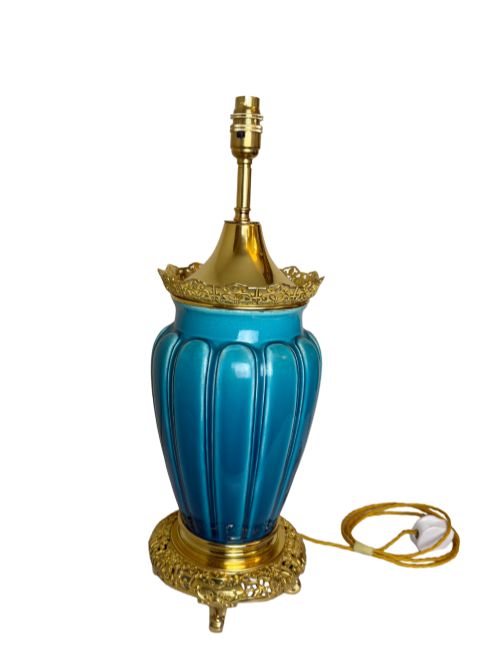
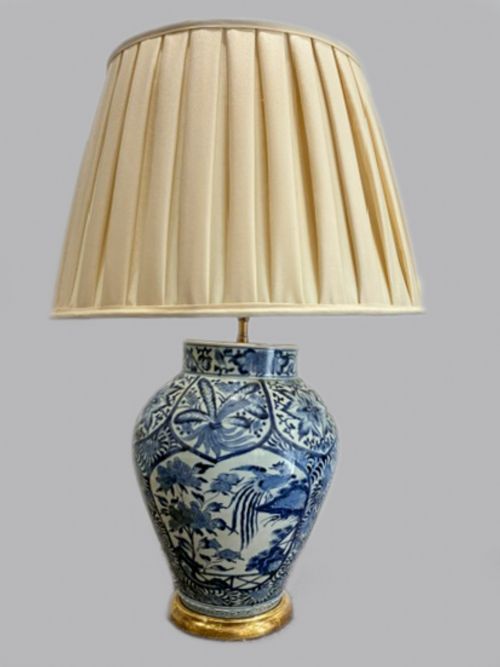
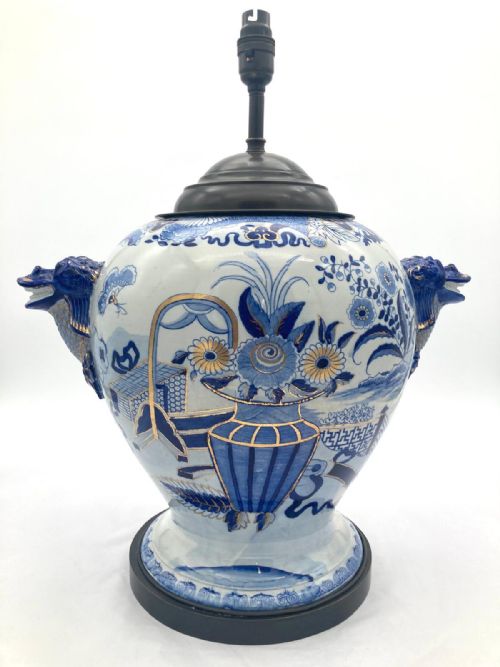
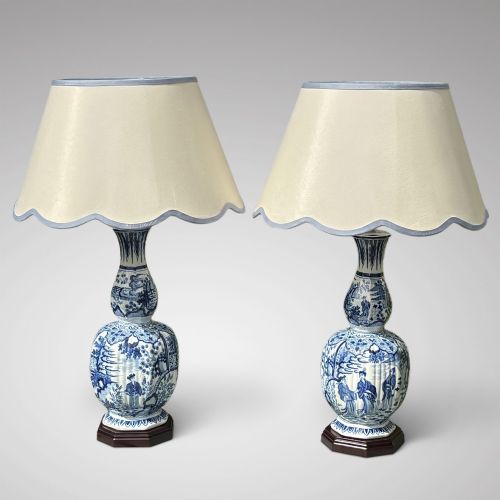
When buyers search for blue ceramic lamps, they find a diverse assembly of domestic lighting created by adapting earlier ceramic vessels and purpose-made porcelain bodies. These pieces draw heavily on historical Chinese, Japanese, and European pottery traditions, ranging from Dutch Delftware jars to large oriental ginger vessels.
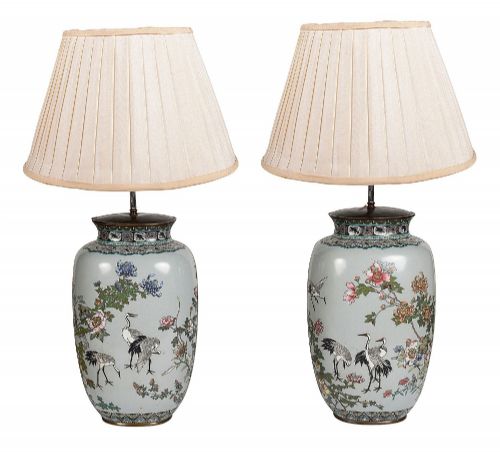
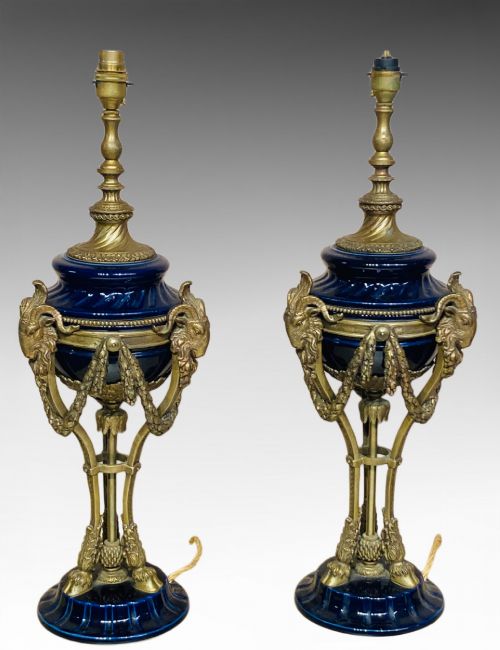
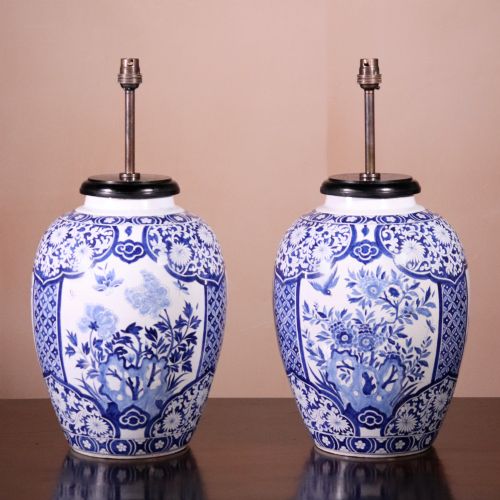
The most common examples on this page are nineteenth-century Chinese porcelain vases and Dutch Delftware pieces converted into table lamps. Many of these feature traditional blue and white painting, powder blue glazes, or celadon surfaces mounted on brass, gilt bronze, or ormolu bases.
Beyond East Asian and Dutch traditions, the selection extends to Victorian oil lamps, earthenware pottery, and twentieth-century Art Deco porcelain figures. Buyers frequently encounter pairs alongside single monumental statement pieces suited for large living spaces.
Materials and Construction
The foundational bodies of these lamps rely on fired clay, porcelain, earthenware, and ironstone, often shaped on a potter's wheel or cast in moulds before receiving cobalt underglazes or coloured enamels. Artisans frequently drilled these hardened ceramic vessels to run electrical wiring through the base, a modern adaptation of traditional forms.
Metal mounts in brass, gilt bronze, and ormolu provide structural support and secure the electrical fittings to the ceramic bodies. Silk, fabric, and handmade shades complete the assemblies, paired with glass components such as black glass bases.
Many of these elegant lamps began their journeys guarding ginger or tobacco before settling down as reading companions.
Assessing Quality
Quality rests in the crispness of the ceramic painting, the depth of the blue glaze, and the integration of the metal mounts. Superior pieces display hand-painted brushwork with sharp cobalt lines under a clear glaze, whereas lesser examples show flat, mechanical transfer printing.
The mounting hardware separates standard conversions from high-end interpretations. Heavy cast ormolu, solid brass fittings, and well-proportioned handmade shades indicate a more considered assembly than lightweight stamped metal components.
Hicks and Meigh·Royal Doulton·Burmantofts Faience
The Blue Ceramic Lamps Glossary
- Celadon
- A pale green or grey-green glaze originating in East Asia, frequently associated with high-fired porcelain vessels. This finish creates a subtle, translucent surface on lamps adapted from antique oriental pottery.
- Ormolu
- Gilt bronze furniture and decorative mounts popular in European metalwork. This material adds significant weight and decorative trim to the shoulders and bases of ceramic lamp bodies.
- Ginger Jar
- A wide-mouthed storage vessel originally designed for spices in China, commonly adapted into domestic lighting. These pieces feature rounded shoulders and cylindrical or tapering bodies.
- Crackware
- A ceramic glaze characterised by a network of deliberate fine cracks across the surface. This textural finish appears frequently on nineteenth-century Chinese porcelain lamps.
Blue Ceramic Lamps: Frequently Asked Questions
Are these lamps newly made or antique?
The listings combine antique and vintage ceramic bodies with modern electrical wiring. Many start life as eighteenth or nineteenth-century vases, ginger jars, and oil lamps before conversion.
Sellers adapt these older vessels to function safely as modern table lamps while preserving their historical glazes and decorative motifs.
How do I choose between pairs and single lamps?
Pairs work well on matching bedside tables, sideboards, or flanking a fireplace where visual symmetry matters. Single lamps suit smaller surfaces like desks, reading tables, or eccentric corners.
Consider the scale of the room and the furniture placement before deciding on a single statement piece or a matched pair.
What styles of decoration are common?
Traditional Chinese blue and white designs, Japanese Imari patterns, and Dutch Delftware dominate the aesthetic range. These styles feature floral motifs, landscapes, and geometric borders painted under the glaze.
Art Deco and Victorian pieces also appear, offering geometric forms, monochrome turquoise glazes, or figural porcelain elements from the early twentieth century.
How do I care for antique ceramic lamps?
Dust the ceramic bodies gently with a dry microfibre cloth and avoid harsh chemical cleaners that might damage delicate overglaze enamels or ormolu mounts. Lift the lamp by its base rather than the neck or shade when moving it.
Ensure any rewiring is checked by a qualified electrician to maintain safety standards with older metal and ceramic components.