


Floral Painted Ceramic Lamp
These floral painted ceramic lamp pieces bring rich hand-painted botanical detail and period form into domestic interiors.

Floral Painted Ceramic Lamp
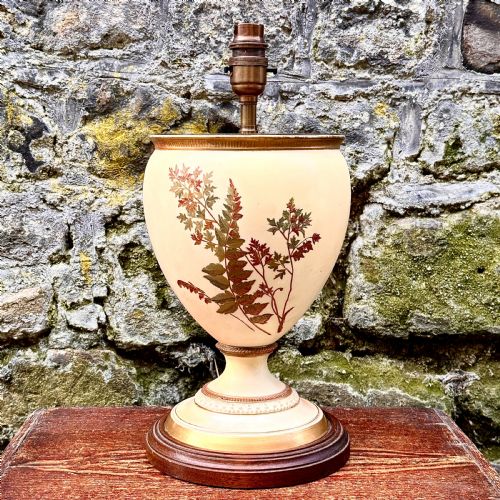
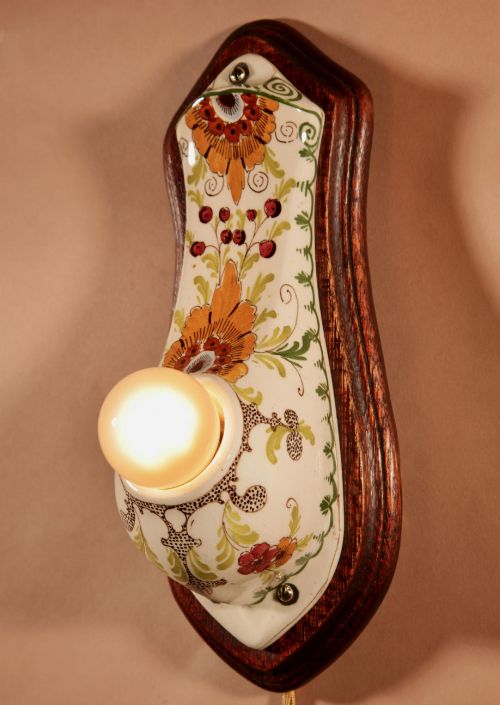
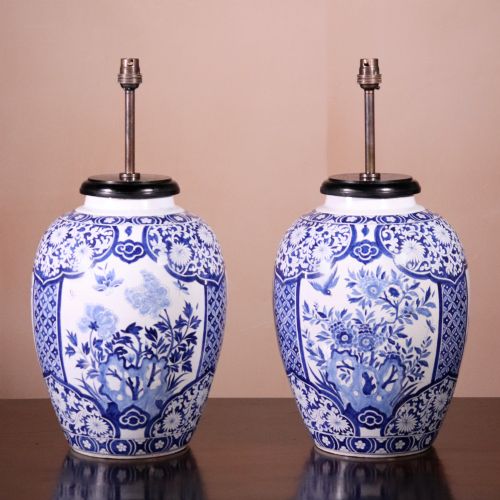
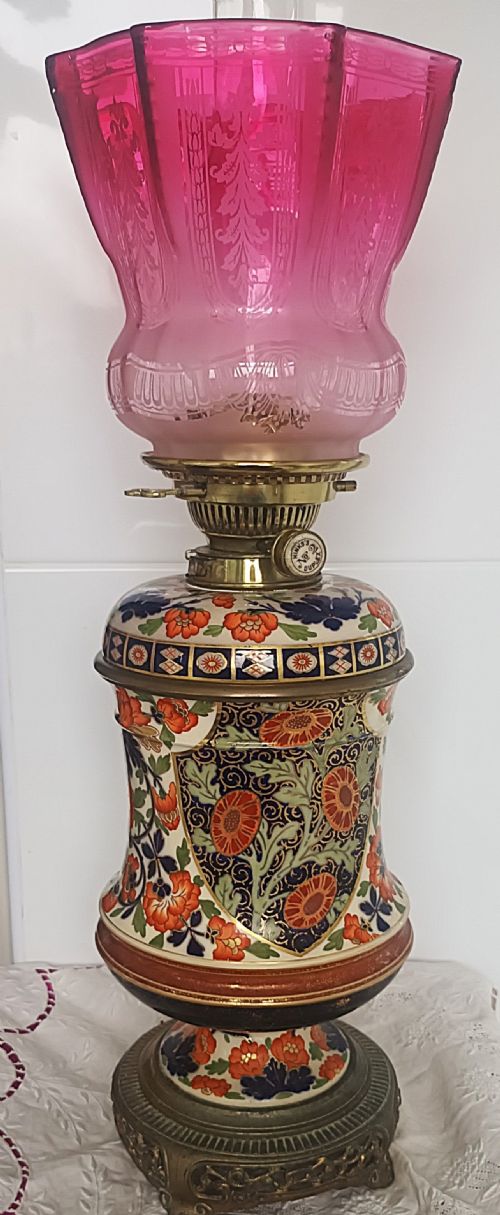
A floral painted ceramic lamp combines traditional ceramic bodies with hand-applied botanical decoration, taking forms such as table lamps, converted vases, and oil lamps. The selection spans the nineteenth century through the 1930s, incorporating styles from Victorian English design to Chinese export patterns.
Buyers frequently encounter converted vases and oil lamps bearing hand-painted floral motifs across porcelain and ceramic bodies. These pieces draw on diverse aesthetic traditions including Chinoiserie, Art Nouveau, and Rococo Revival, often mounted in brass, ormolu, or gilt bronze.
Distinctions in quality
Quality rests in the precision of the hand-painted floral decoration and the crispness of the ceramic moulding. Finer examples display meticulous brushwork, vibrant enamel retention, and well-balanced proportions across the body.
The sophistication of metal mounts, such as cast ormolu or gilt bronze fittings, distinguishes superior pieces from standard production. Integration between the original ceramic vessel and subsequent lamp conversion also influences the overall standard.
Listings feature ceramics mounted in brass, ormolu, and gilt bronze, spanning periods from the eighteenth century to Art Deco.
Royal Worcester·Hinks·Taylor Tunnicliff·Samson
The Floral Painted Ceramic Lamp Glossary
- Famille Rose
- A palette of opaque overglaze enamels dominated by pink, used extensively on Chinese porcelain from the eighteenth century onward. It translates to rose family and frequently depicts floral and figurative scenes.
- Ormolu
- Gilt bronze mounted on decorative arts, providing a bright gold-coloured metallic accent to ceramic bodies. It requires careful cleaning to preserve the historic surface finish.
- Toleware
- Painted or lacquered sheet metal used historically for decorative objects and lighting components. French examples often incorporate hand-painted floral details.
- Faience
- Tin-glazed earthenware decorated with coloured enamels, often displaying vibrant hand-painted patterns. It provides a robust ground for floral surface decoration.
Floral Painted Ceramic Lamp: Frequently Asked Questions
How do I identify a converted lamp?
Converted lamps typically show evidence of a drilled base or internal wiring channel running through an older vessel, such as an eighteenth or nineteenth-century vase. Original oil lamps often retain burner mechanisms alongside later electrical fittings.
Examining the underside and collar reveals how the ceramic body was adapted for modern use. Many pieces began life as decorative jars or oil reservoirs before receiving electrical conversions.
What periods do these lamps cover?
The selection spans from the eighteenth century through to the Art Deco era of the 1930s. Nineteenth-century examples are particularly common, alongside items from the Edwardian period and the early twentieth century.
Stylistic markers help indicate the date, ranging from Victorian floral oil lamps to Chinoiserie porcelain vases and Art Nouveau ceramics.
How do I clean a painted ceramic lamp?
Painted ceramic surfaces require gentle dusting with a soft, dry cloth to protect delicate overglaze enamels. Moisture and harsh chemical cleaners should be avoided to prevent damage to the historic hand-painted floral details.
Metal mounts like brass or ormolu can be maintained separately with appropriate metal care products, taking care not to touch the surrounding ceramic glaze.
Where should I place these lamps?
These lamps suit side tables, desks, or console units where their hand-painted floral details can be appreciated up close. They provide ambient illumination while serving as decorative focal points within a room.
Pairing them with simple fabric shades allows the patterned ceramic body and metal mounts to remain the visual centrepiece.