




Red Ceramic Table Lamp
A red ceramic table lamp brings rich colour and domestic warmth to a room, drawing on centuries of Asian and European pottery traditions.
Red Ceramic Table Lamp
A red ceramic table lamp combines robust pottery bodies with electrical fittings to create practical illumination for interiors. These pieces frequently originate from converted Asian vases or European earthenware and porcelain vessels.
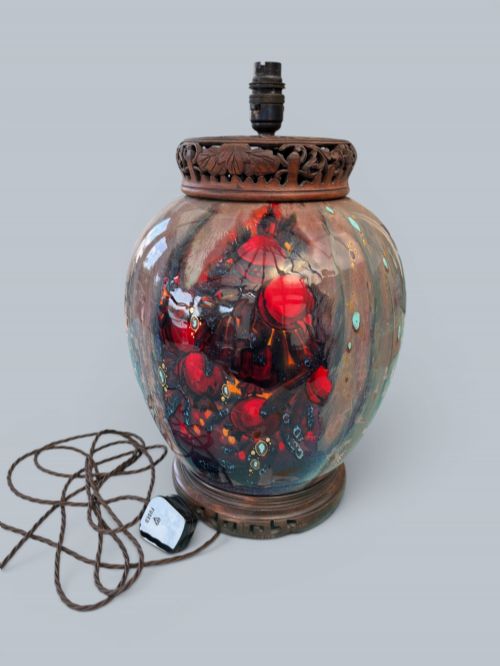
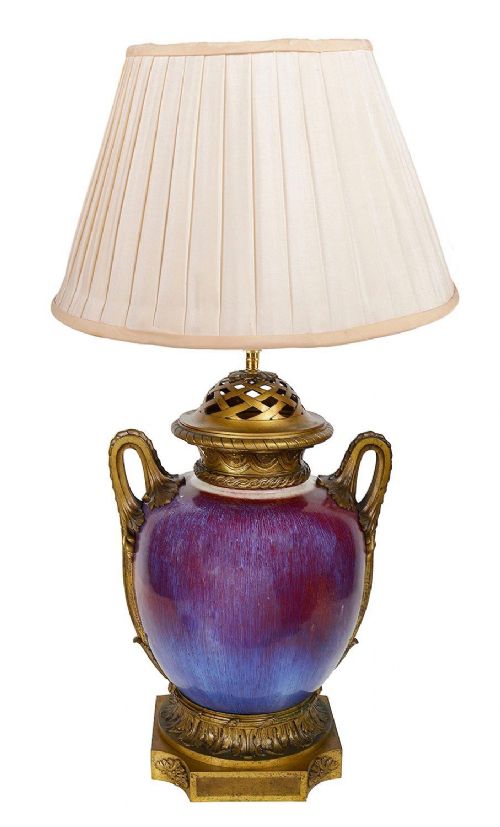
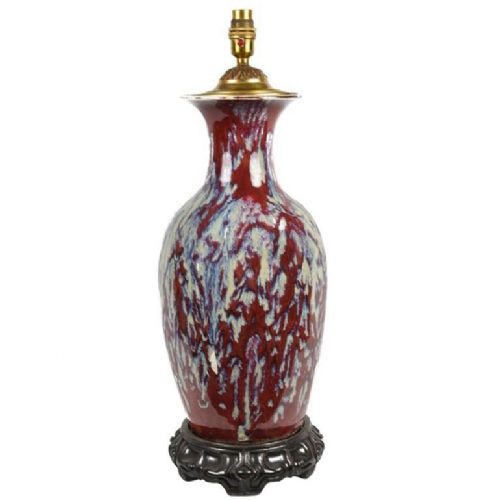
The selection ranges from early Chinese monochrome glazes like sang de bouef to vibrant earthenware pieces from the twentieth century. Buyers encounter baluster forms, spill vases, and lidded vessels adapted into functional lighting.
Historical examples span the seventeenth century through to the art deco period, reflecting diverse stylistic influences including Chinese export ware and Japanese Kutani production.
Factors that define quality
The sophistication of the ceramic glaze and the precision of hand-painted detail set superior examples apart from standard production. Rich, even colouration on monochrome vessels demonstrates high technical mastery during the firing process.
The integrity of the original vessel and the discretion of any conversion work influence the overall merit of the piece. Finer examples retain their structural harmony without compromising the underlying antique pottery.
Some nineteenth century vases spent decades holding dried flowers before a clever electrician gave them a luminous second career.
Moorcroft Art Pottery·Faraday and Sons
The Red Ceramic Table Lamp Glossary
- Sang de bouf
- A deep oxblood red glaze developed in Chinese kilns through the use of copper in reduction firings. This rich coloration appears frequently on converted vases from the eighteenth and nineteenth centuries.
- Kutani
- Japanese porcelain decorated with vibrant coloured enamels, often featuring reds and golds. These wares frequently date from the nineteenth century and were widely adapted for Western lighting.
- Imari
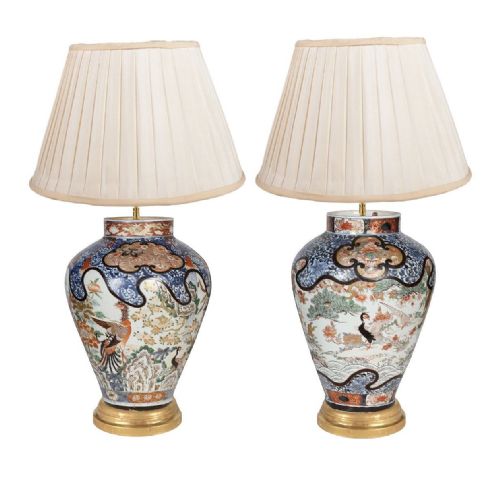
- A style of Japanese export porcelain characterised by underglaze blue and iron red highlights. Pieces from the seventeenth and eighteenth centuries display intricate floral and geometric patterns.
- Baluster
- A vase shape with a rounded body that tapers towards the neck, resembling an architectural baluster. This form provides a stable and visually balanced base for table lighting.
- Earthenware
- Porous pottery fired at lower temperatures than stoneware or porcelain. It serves as the foundation for hand-painted faience lamps from the twentieth century.
Red Ceramic Table Lamp: Frequently Asked Questions
How do I clean a ceramic lamp base?
Dust the surface gently with a dry, soft cloth to prevent the accumulation of grime.
Avoid using harsh chemical cleaners or abrasive sponges that might damage historical glazes or painted decoration.
Can I replace the lampshade safely?
You can replace the shade to suit your interior, provided the fitting matches the existing harp or bulb holder.
Consider the proportions of the ceramic base when selecting a new shade to maintain visual balance.
Are these lamps converted from old vases?
Many antique table lamps utilise historical vases and vessels as their primary bodies, having been adapted for electrical use.
This practice preserves decorative porcelain and pottery while giving the objects a practical purpose in modern homes.
How do I identify the period of a lamp?
Examine the characteristics of the ceramic body, glaze type, and any accompanying metal mounts.
Stylistic markers such as Chinese export designs or early twentieth century earthenware provide clear clues to the date of manufacture.