

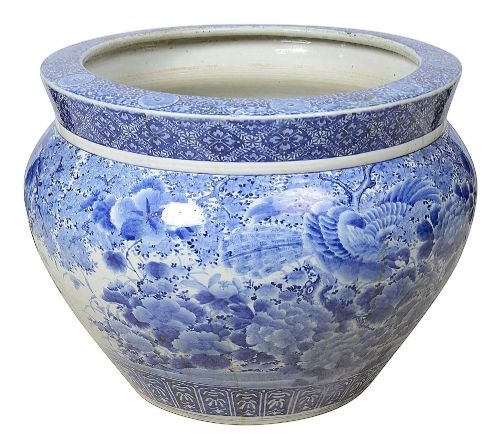


Hand Painted Jardiniere
A hand painted jardiniere brings botanical display into interior spaces through detailed ceramic work.
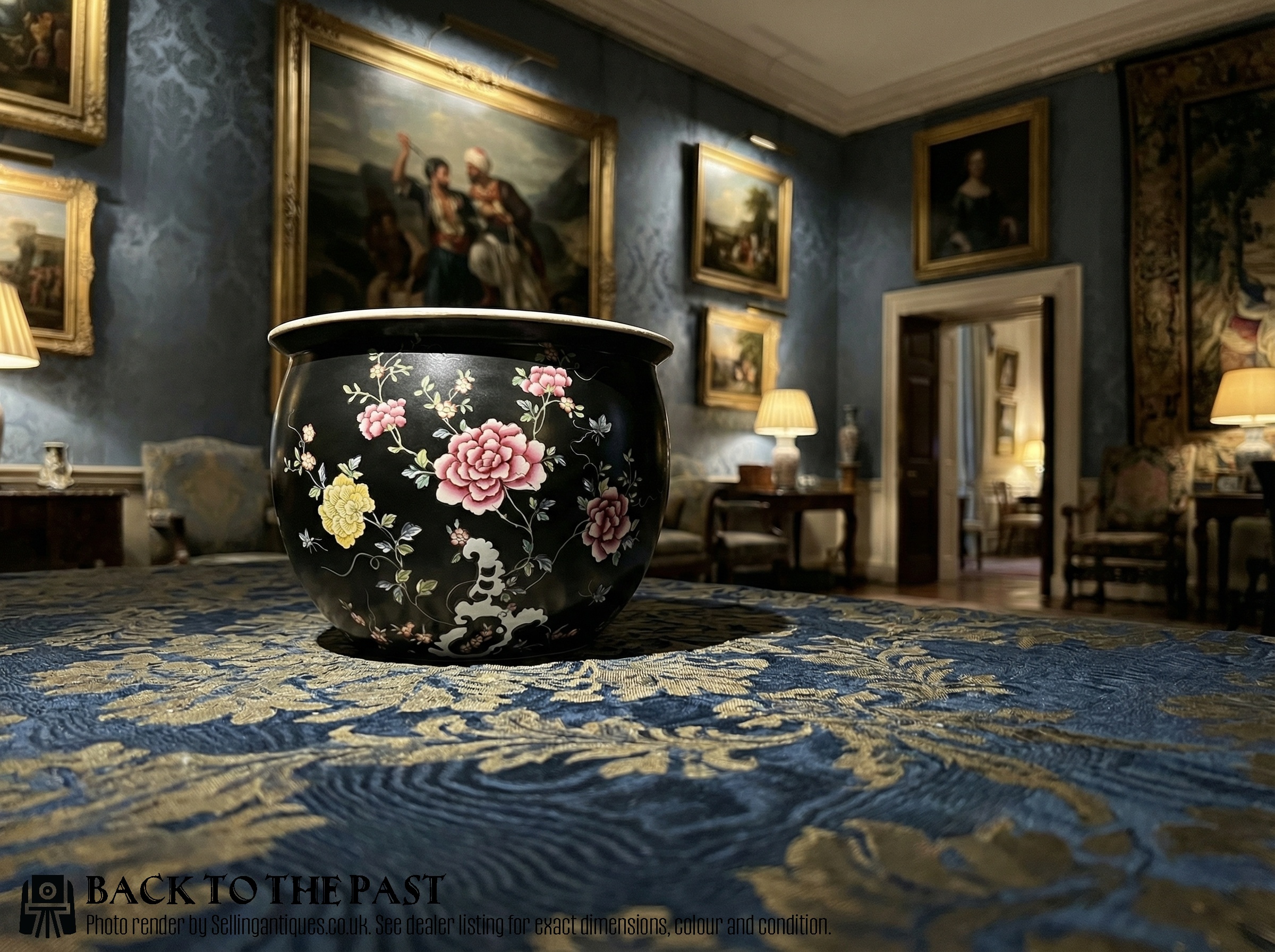
Hand Painted Jardiniere
A hand painted jardiniere serves as a decorative plant pot or container for holding foliage within a room. These vessels appear in forms such as circular planters, hexagonal pots, bough pots, and fish bowls.
The selections span multiple eras, including Georgian items from the early nineteenth century, Victorian and Edwardian examples, and eighteenth-century Chinese export porcelain. English potteries like Royal Worcester sit alongside Japanese Imari wares and French pieces on the market.
Buyers encounter works decorated with floral motifs, including hand painted roses on blush ivory grounds, alongside cobalt underglaze patterns and scenes in the Famille Rose palette.
Materials and construction
Makers utilised ceramic, porcelain, and pottery bodies shaped into robust vessels designed to hold damp soil and plants. Glaze seals the interior surfaces of these containers.
Decoration relies on hand painting using enamel colours, cobalt underglaze, and gold leaf gilding. Certain pieces incorporate painted steel or enamel over metal bases.
One unexpected variant transforms a humble milk churn into a painted jardiniere umbrella pot.
Assessing quality in painted planters
Quality rests in the execution of the hand painting and the precision of the ceramic body. Crisp detail in floral studies or figural scenes separates finer studio output from standard commercial production.
The application of gilding and the preservation of the glaze finish influence the standing of an item. Signed works from established factories like Royal Worcester or Barr, Flight and Barr carry distinct attribution weight.
Barr, Flight and Barr·Royal Worcester·Royal Crown Derby·Coalport
The Hand Painted Jardiniere Glossary
- Jardiniere
- A decorative pot or stand for holding plants or flowers. French in origin, these vessels stand on tables or directly on the floor depending on their scale.
- Cachepot
- An ornamental flowerpot cover designed to hide a plain inner pot. These containers generally feature solid bases to catch water runoff.
- Bough pot
- A vessel created for holding cut branches of flowering shrubs or greenery inside a home. Georgian examples frequently include pierced covers.
- Imari
- A style of Japanese export porcelain characterised by underglaze blue and iron red, supplemented by gold. This aesthetic heavily influenced European ceramic design.
- Famille Rose
- A palette of Chinese porcelain decoration distinguished by opaque pink enamel colours. The style developed during the Qing Dynasty.
Hand Painted Jardiniere: Frequently Asked Questions
What is a jardiniere used for?
A jardiniere functions primarily as an ornamental container for house plants and floral arrangements. In historical interiors, they sat on tables, pedestals, or hearths to bring greenery indoors.
Unlike standard flower pots meant for growing plants outdoors, these vessels serve a decorative purpose within furnished rooms. They often require a liner to protect the painted ceramic surface from moisture.
How do I care for antique porcelain?
Antique porcelain requires gentle cleaning with a soft, dry cloth to remove dust. Avoid using abrasive cleaners or submerging gilded pieces in water for extended periods.
When housing plants inside an antique jardiniere, place a modern plastic pot inside the vessel to prevent water damage to the historic ceramic body and glaze.
How can I date a ceramic planter?
Dating relies on factory marks stamped or painted on the base, stylistic indicators like Regency or Victorian forms, and the characteristics of the ceramic body. Reference books match factory ciphers to specific production years.
Wear patterns on the unglazed foot rim also provide clues to an item's age and handling history over the centuries.
Are these pieces waterproof?
Most ceramic and porcelain jardinieres feature glazed interiors designed to hold moisture for live plants. However, micro-fissures can develop in older glazes over long periods of use.
Using a protective saucer or inner container remains standard practice to safeguard both the antique vessel and the furniture it rests upon.