
Decorative Ceramic Vessel
These decorative ceramic vessel pieces bring striking form and colour to any room, offering the exact character a serious collector looks for.
What They Are
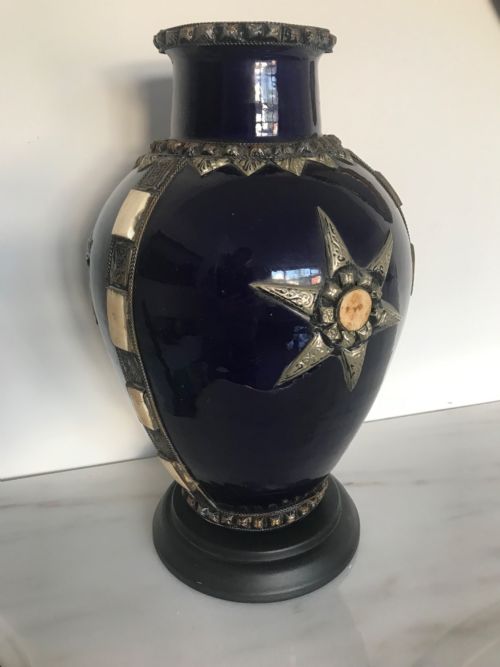
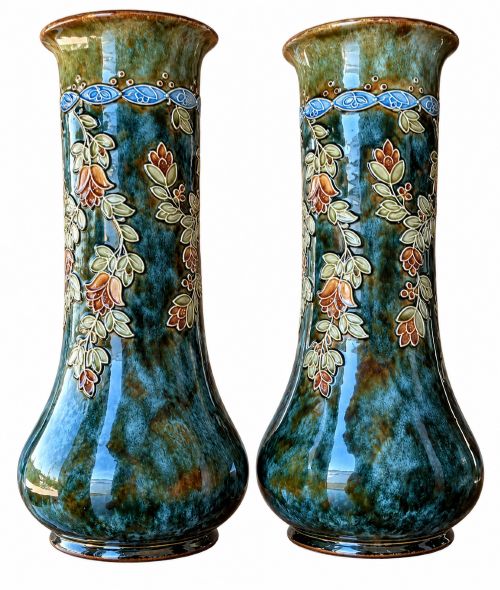
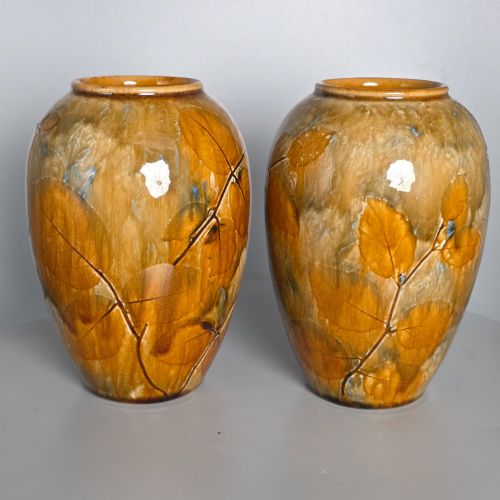
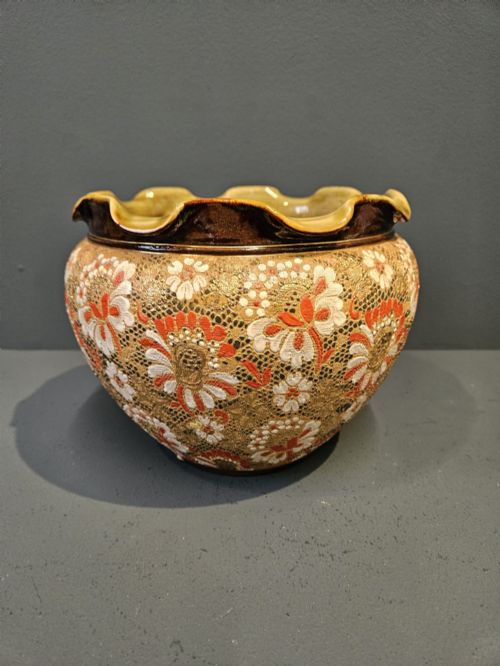
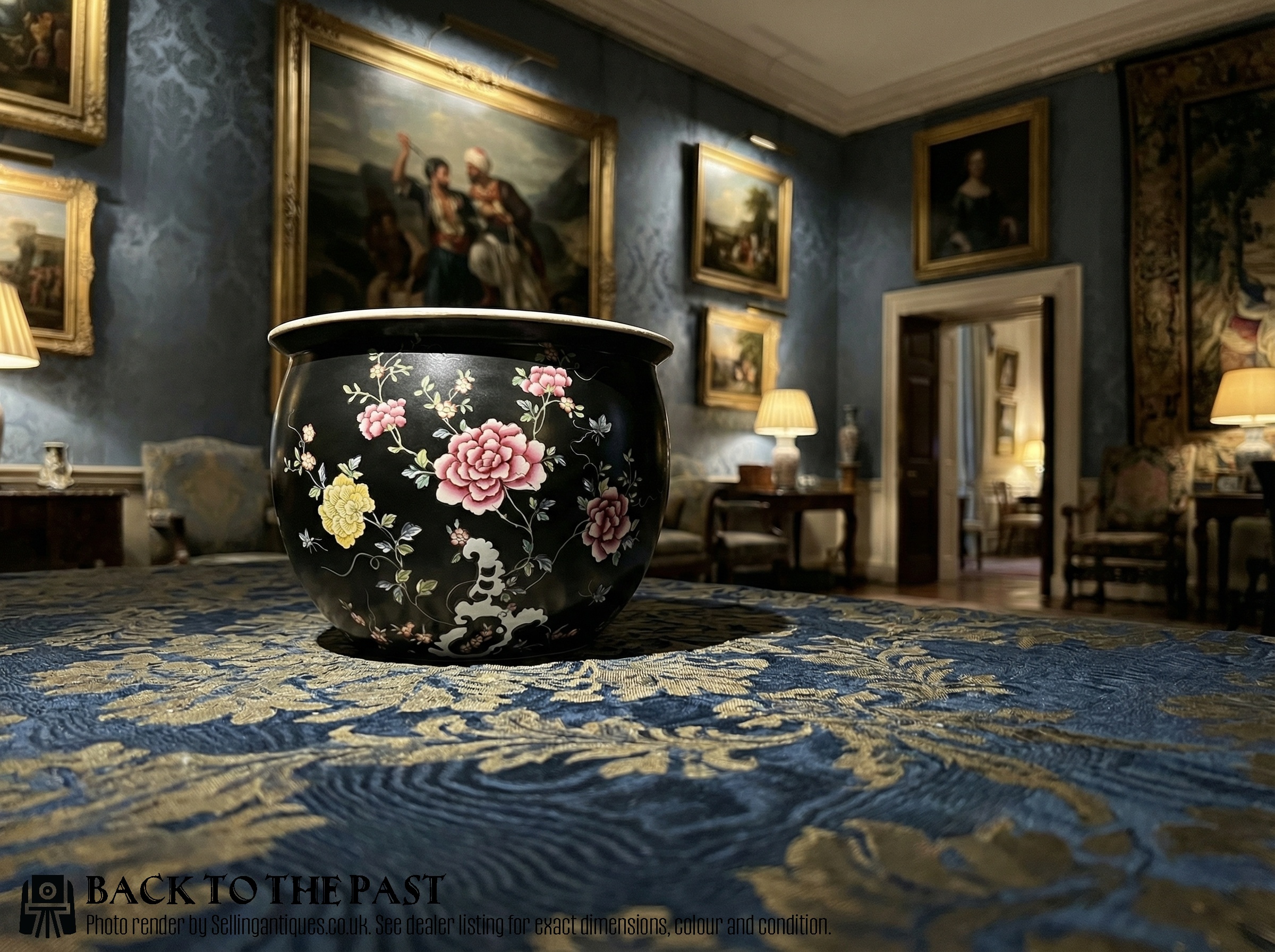
A decorative ceramic vessel bridges sculptural form and functional display, standing out as a focal point in any interior. When looking for a decorative ceramic vessel, buyers encounter diverse forms ranging from bud vases to jardiniere pieces.
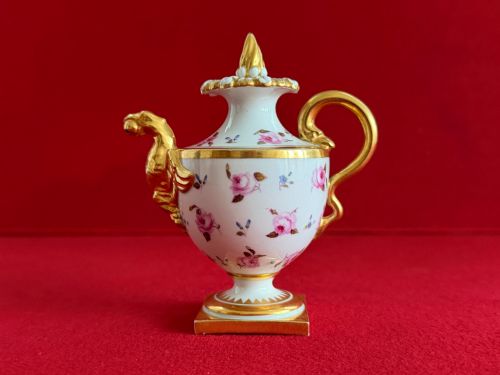
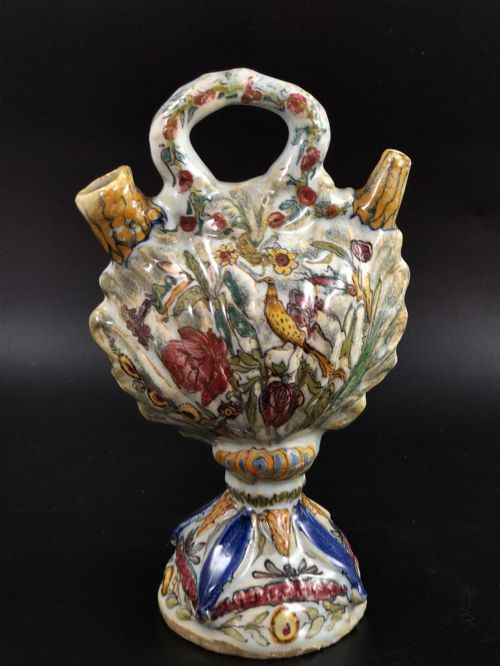
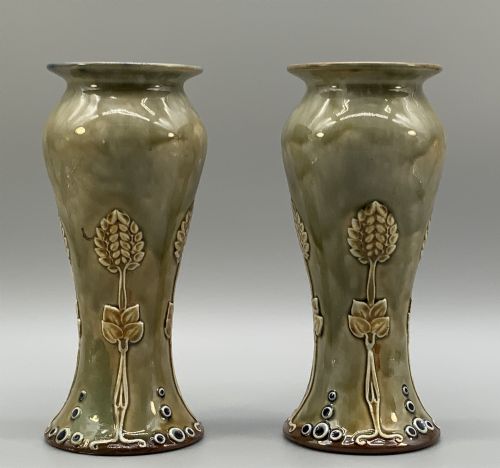
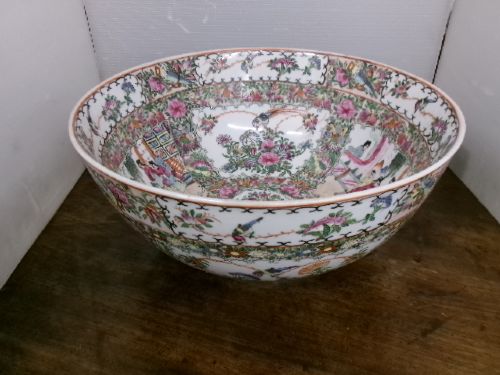
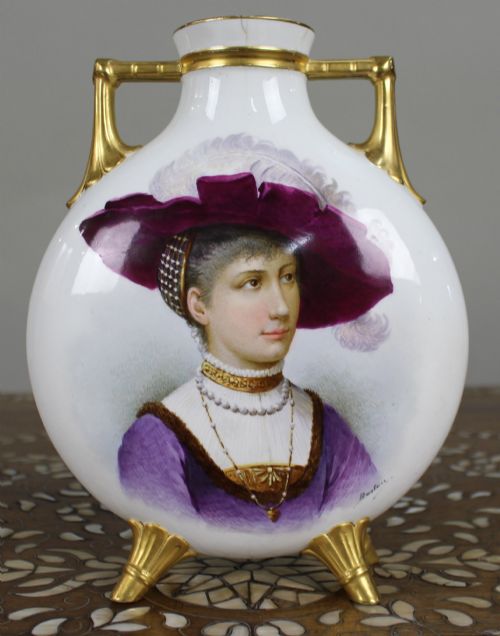
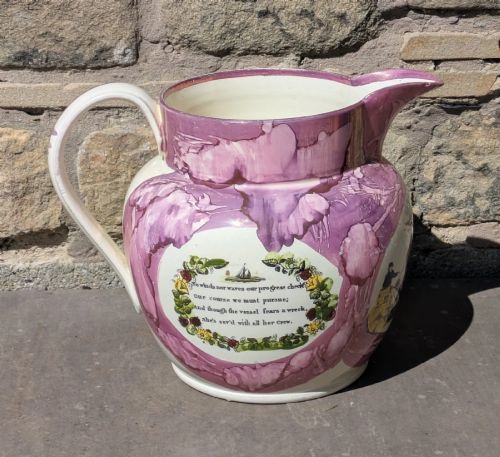
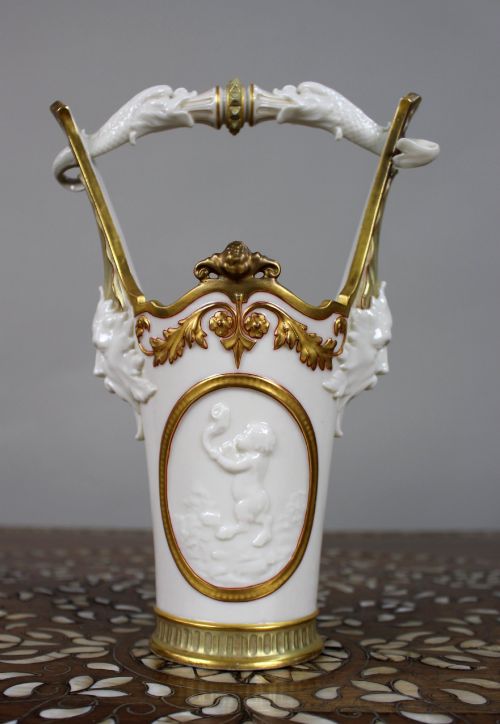
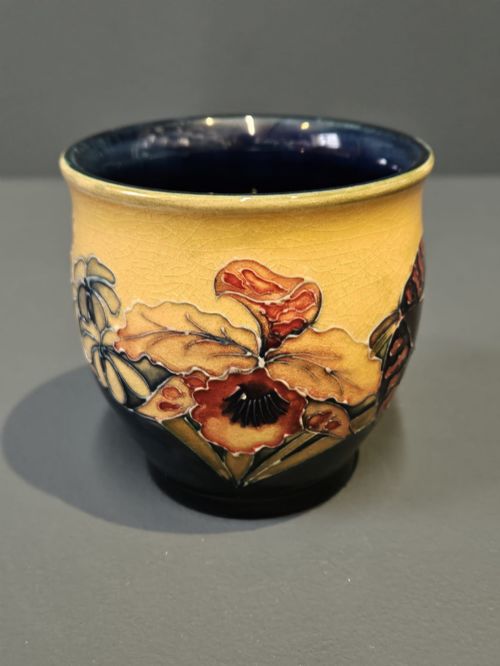
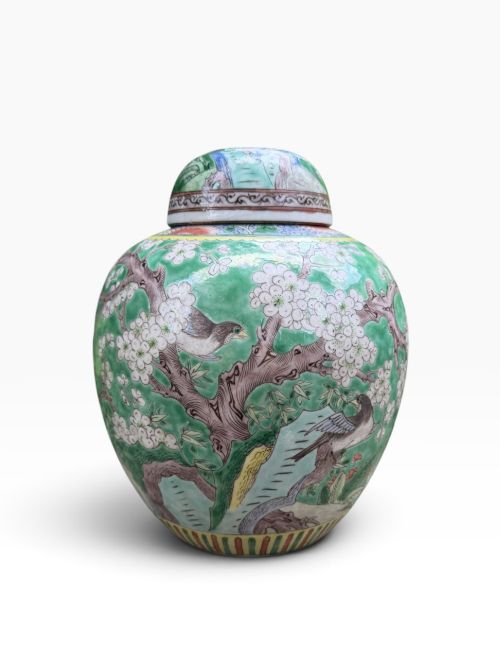
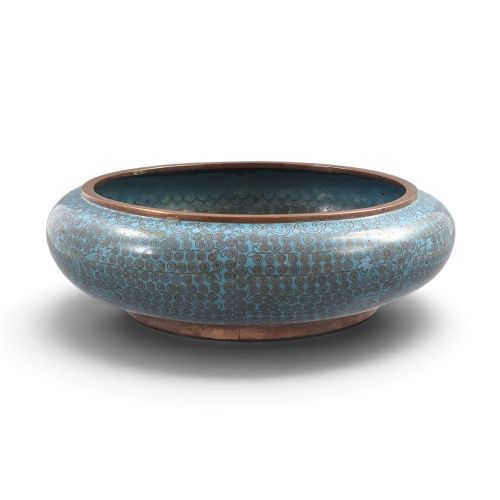
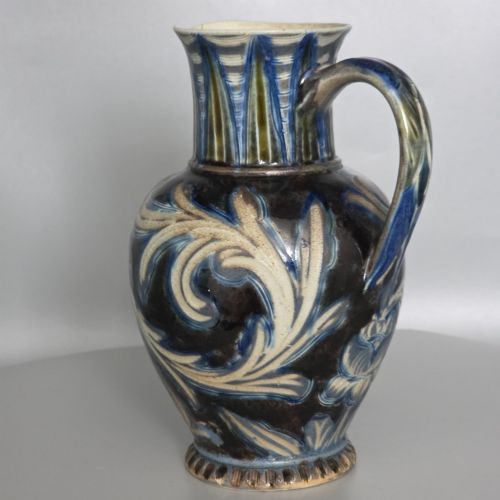
The pieces on this page span the Edwardian period through to the 1930s, capturing shifts in domestic taste over several decades. Surviving examples include English art pottery and porcelain items decorated with traditional or modernist patterns.
How They Were Made
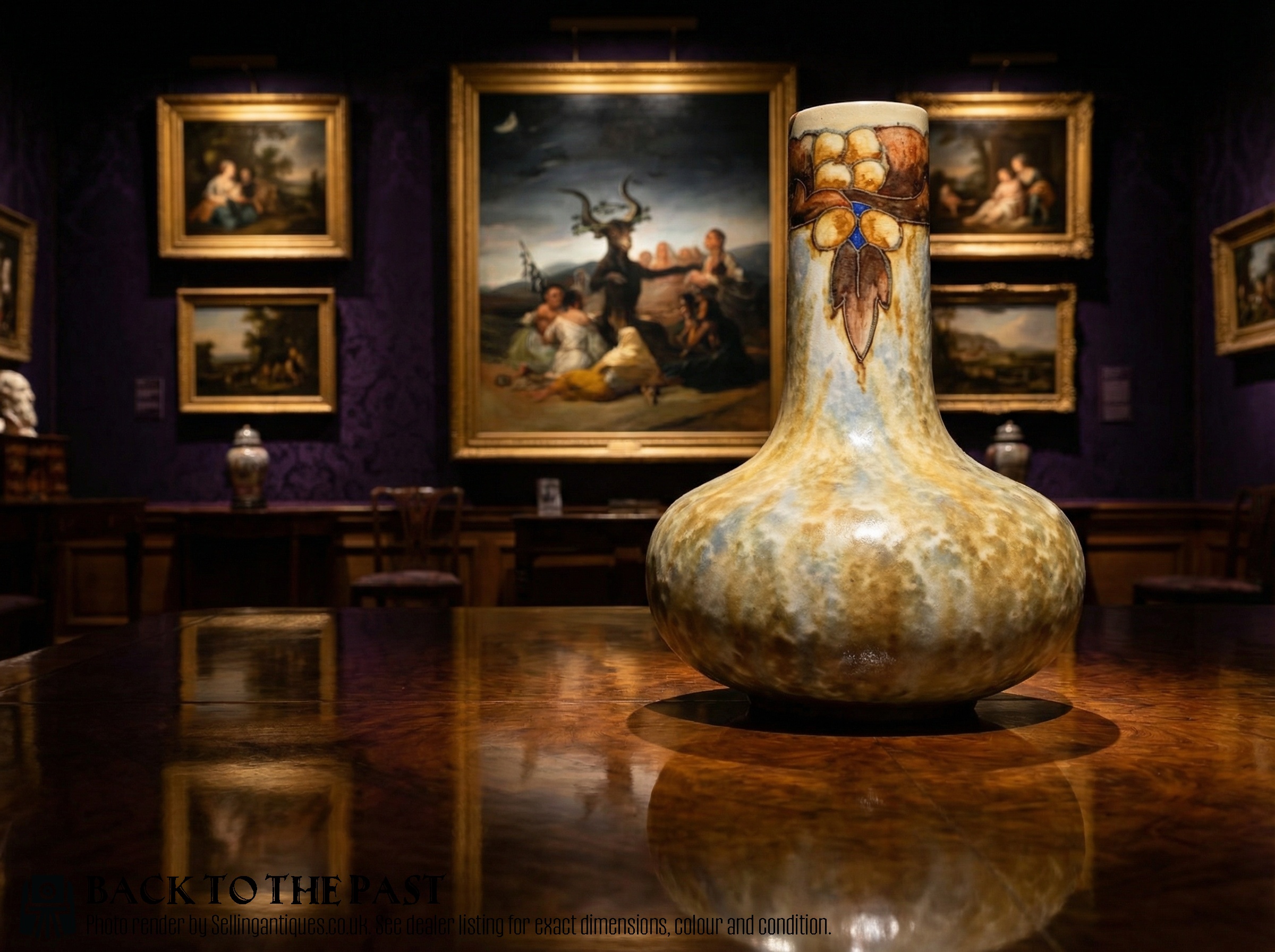
Makers utilised ceramic, porcelain, and earthenware as the primary bases, shaping them into distinctive vessel profiles. Surface treatment involved applied glaze, enamel work, and occasional gold gilding to enhance the visual depth.
Techniques varied from specialised art pottery methods to traditional porcelain production. Kiln firing fixed the coloured glazes and enamel details permanently into the ceramic body.
Retail Price Guide 2026
Typical UK retail prices for decorative ceramic vessel, calculated from the Sellingantiques database of over a million retail prices indexed since 2003. This retail price guide relies exclusively on Sellingantiques data; no external sources or auction records are used, so the figures do not describe the wider market.
Some Edwardian vessels required such precise kiln placement that potters crossed their fingers and hoped the gold gilding would not run.
What Varies in Quality
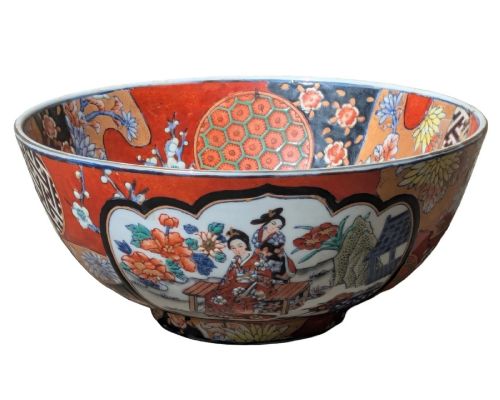
Quality rests in the crispness of the moulding and the controlled application of glaze or enamel. Pieces featuring hand-painted patterns like Imari demonstrate superior artistic execution compared to standard factory output.
The sophistication of the decorative scheme, whether Chinoiserie motifs or clean Art Deco lines, dictates the standing of a piece. Finer examples show precise control during the firing and gilding processes.
The Decorative Ceramic Vessel Glossary
- Jardiniere
- A large decorative ceramic vessel designed to hold a plant or floral arrangement. These substantial pots often sit on floors or heavy furniture.
- Imari
- A decorative style characterised by rich cobalt blue, iron red, and gold gilding on porcelain. This aesthetic draws heavily from traditional Japanese export wares.
- Chinoiserie
- European artistic interpretations of Chinese and East Asian decorative motifs. It frequently appears on porcelain and ceramic vessels from the Edwardian era onwards.
- Art Pottery
- Ceramics produced by independent artists or small potteries focusing on artistic design rather than mass production. These vessels highlight unique glaze formulations and studio techniques.
- Glazed Earthenware
- Porous clay pottery sealed with a vitreous coating to render it watertight. This material forms the base for many twentieth-century decorative vessels.
Frequently Asked Questions
How do I clean a decorative ceramic vessel?
Dust the surface gently with a dry, soft cloth to prevent any accumulation of dirt. Avoid harsh chemical cleaners that might damage delicate enamel or gold gilding.
Keep ceramic vessels away from direct moisture if they feature unglazed areas or historic repairs. Careful handling preserves the original finish for years to come.
Where should I display a decorative ceramic vessel?
Place your vessel in a stable location away from high traffic areas to prevent accidental knocks. Natural light highlights the rich colours of the glaze and any gold detailing.
Consider pairing a large jardiniere with trailing foliage, or let a bud vase stand alone as a sculptural object. The varied heights and styles suit sideboards, mantelpieces, and display cabinets.
How do I tell Edwardian pieces apart from later ones?
Edwardian items often feature traditional patterns such as Imari or elaborate floral motifs. They reflect a more ornate aesthetic rooted in late nineteenth-century traditions.
Later pieces from the 1920s and 1930s lean towards Art Deco styling and cleaner modernist lines. Examining the specific glaze type and decorative motifs helps determine the likely period of manufacture.
What is the difference between porcelain and earthenware?
Porcelain is fired at very high temperatures, resulting in a dense, white, and vitrified ceramic body. It often rings when struck and allows for fine, delicate vessel walls.
Earthenware uses a lower firing temperature and remains slightly porous until glazed. This material allows for heavier, more robust forms like traditional jardinieres.