



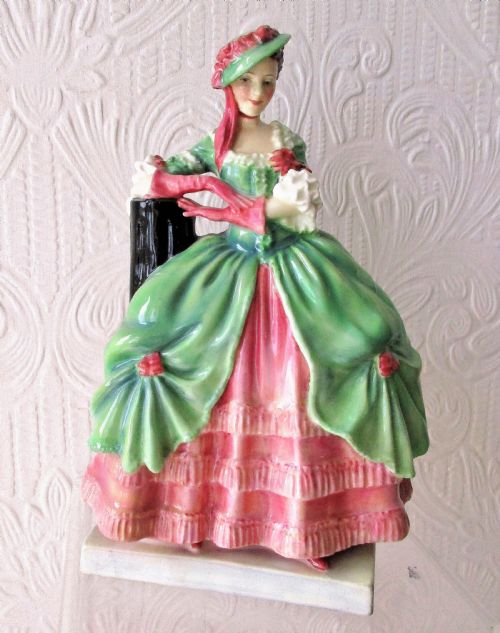
Collectable English Ceramics
These collectable english ceramics span delicate eighteenth-century figures and twentieth-century tableware, offering enduring craft for the cabinet.
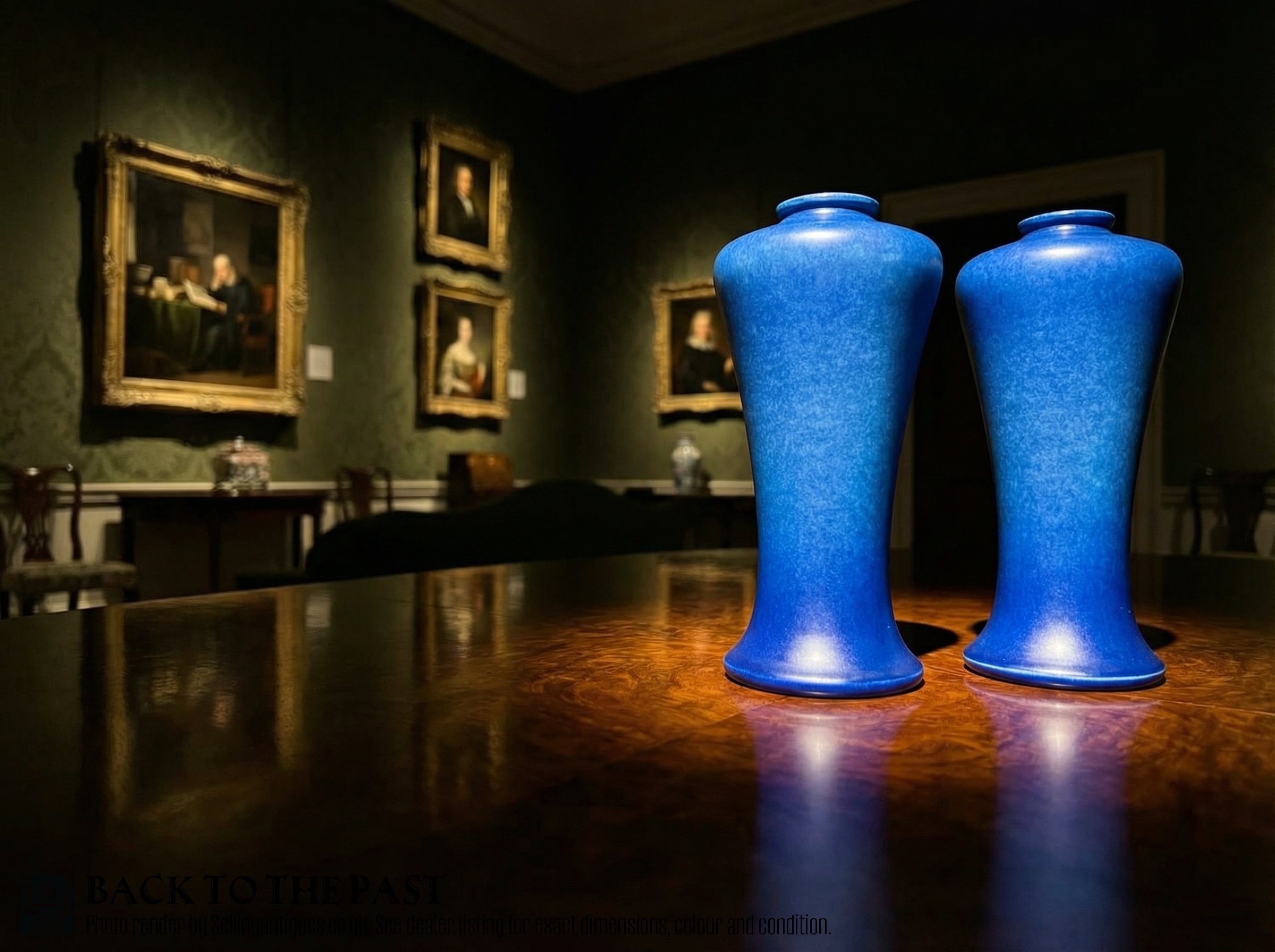
Collectable English Ceramics
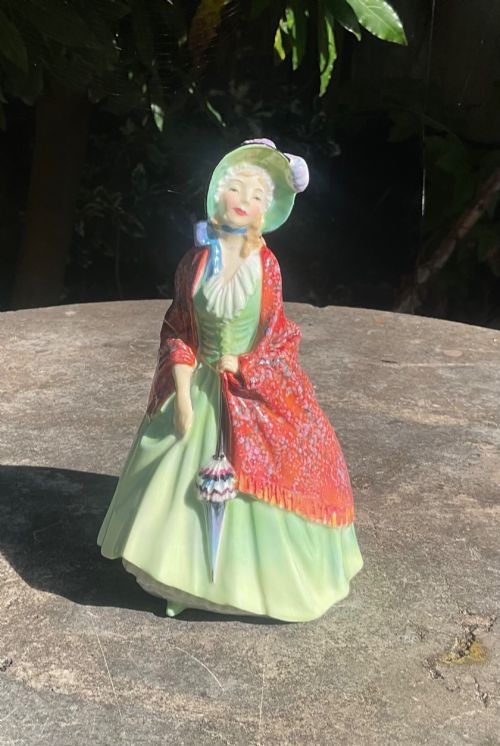
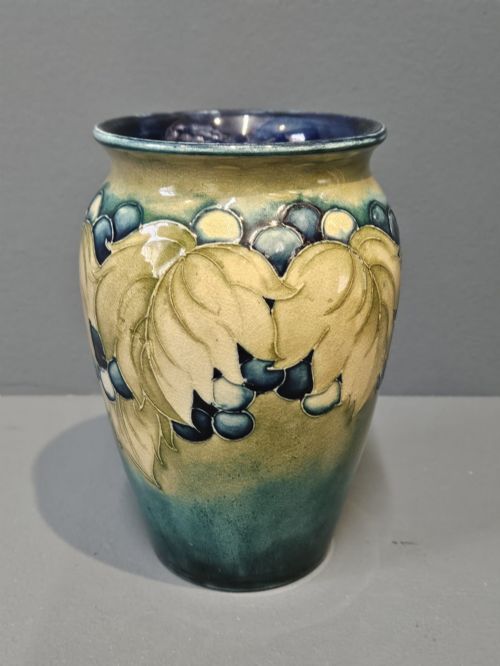
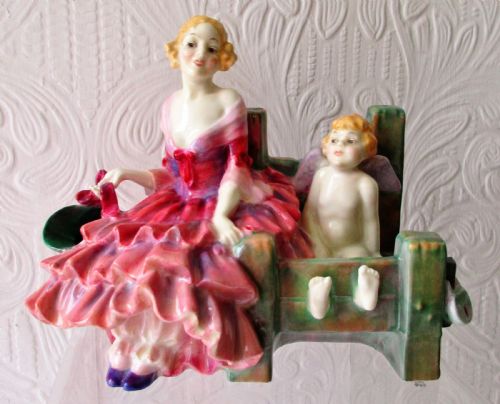
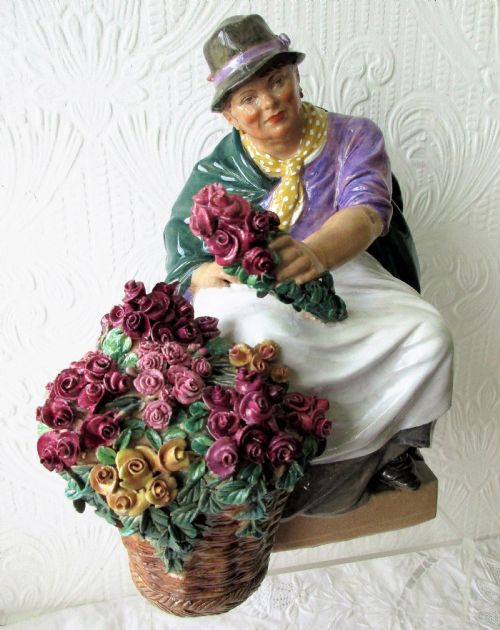
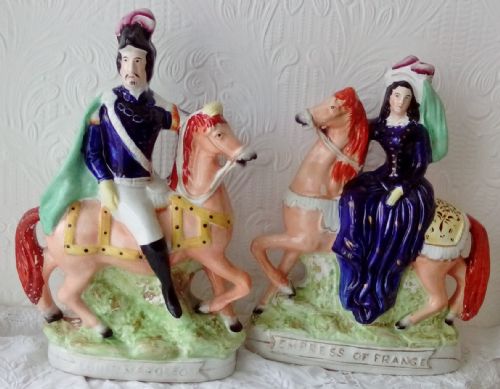
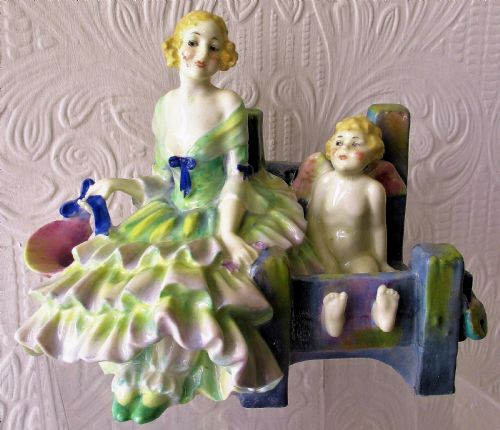
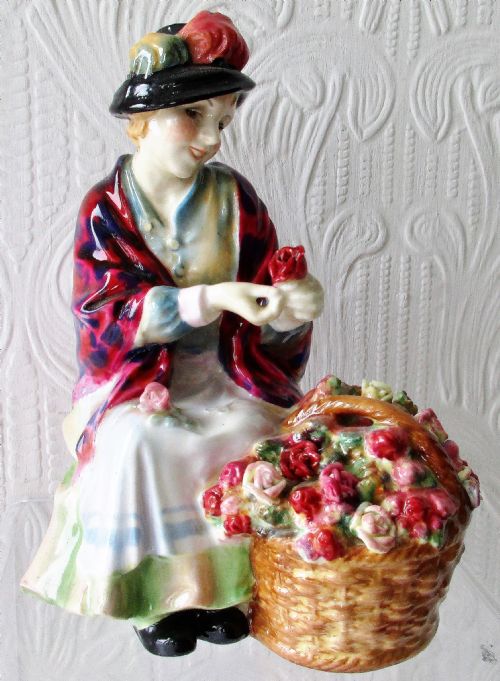
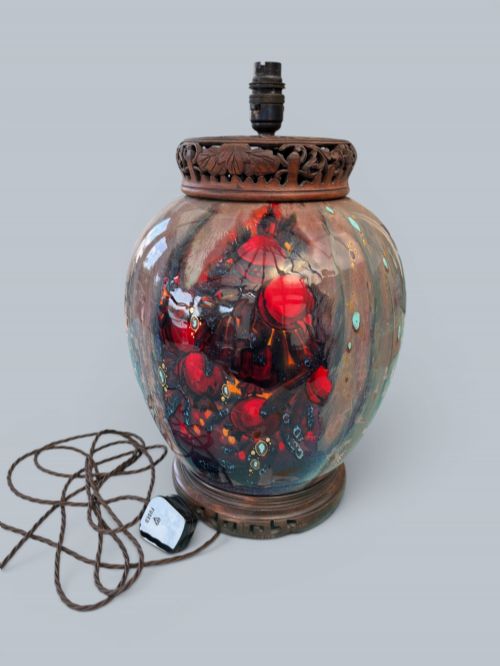
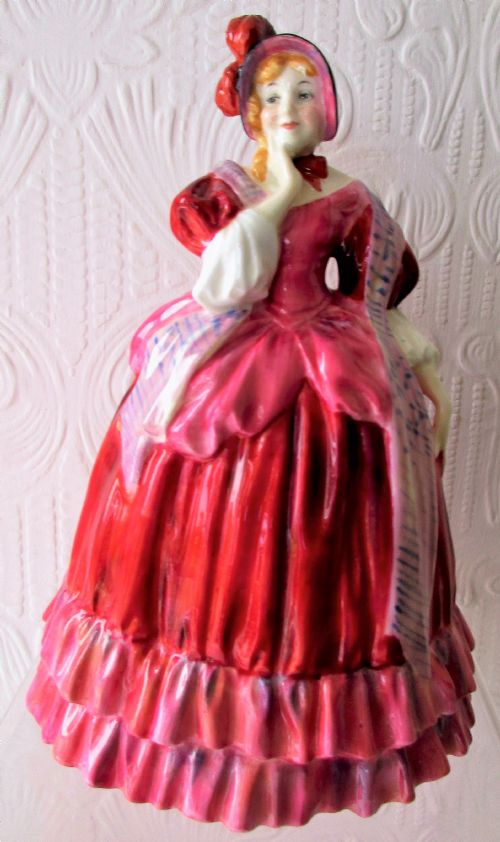
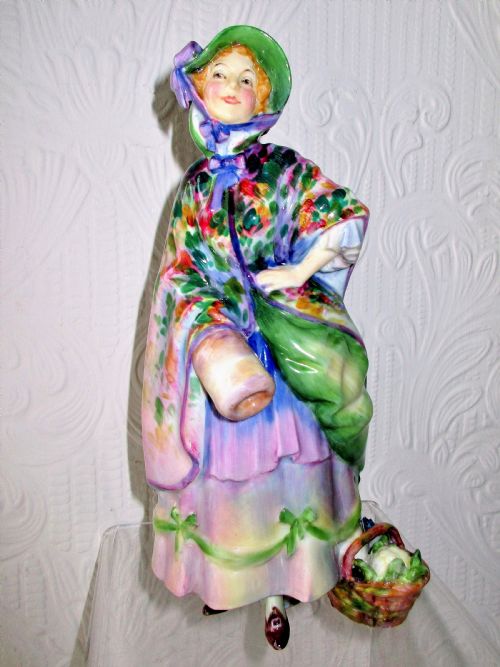
Collectable english ceramics encompass a broad spectrum of historical wares, ranging from eighteenth-century porcelain figures to twentieth-century studio pottery and bone china figurines. When exploring this selection, buyers frequently encounter pieces originating from prominent factories alongside vernacular earthenware items.
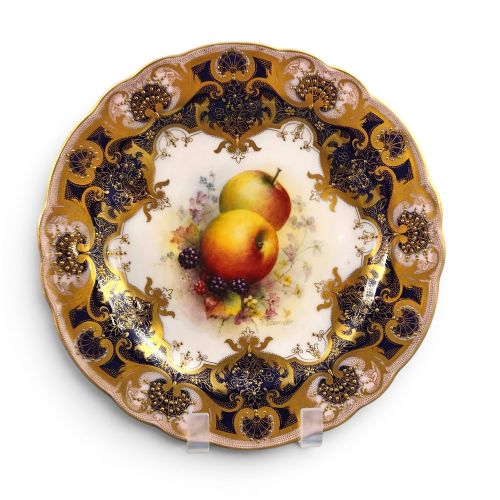
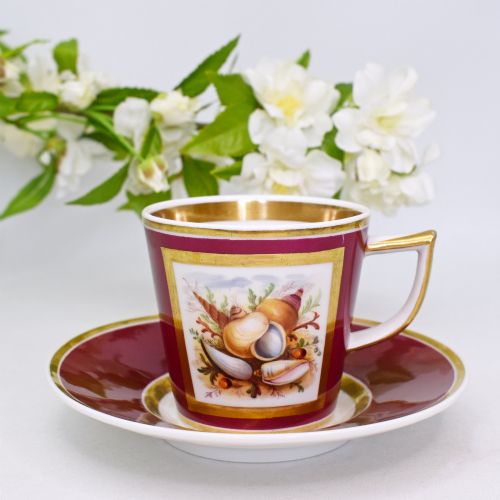
The objects span multiple periods, including Georgian, Victorian, and various twentieth-century decades like the 1930s and 1940s. Forms vary widely from cabinet plates and vases to figures, bowls, and coffee cups.
Represented styles cover traditional English designs alongside movements such as Art Deco, Arts and Crafts, and Art Nouveau. Each piece records the distinct aesthetic priorities of its era.
Materials and production techniques
Production relies heavily on fine porcelain, bone china, and earthenware shaped by hand or in moulds. Artisans applied coloured glazes and enamel details to decorate the surfaces before firing.
Selected pieces incorporate delicate additions such as gold leaf accents to highlight specific decorative motifs. Studio potters and major manufactories alike utilised these core ceramic compositions.
The selection includes porcelain, earthenware, and bone china pieces spanning the eighteenth century through the 1940s.
Judging the quality of the pieces
Quality rests on the crispness of the modelling and the precision of the hand-painted enamels. Finer examples display meticulous attention to detail in facial expressions on figures and intricate brushwork on floral plates.
The sophistication of the glaze application also dictates standing, with smooth, even finishes separating superior items from simpler production wares. Artistic execution by named decorators elevates the status of individual objects.
Royal Doulton·Royal Worcester·Moorcroft·Charles Vyse·Derby Porcelain·Wedgwood·Maling·Rockingham
The Collectable English Ceramics Glossary
- Bone china
- A type of porcelain containing bone ash, known for its high strength, chip resistance, and translucent body.
- Earthenware
- Porous pottery fired at lower temperatures, typically glazed to ensure it holds liquids.
- Enamel
- Opaque glass-like paint applied to fired ceramic surfaces and heated again to fuse with the body.
- Pearlware
- A fine-grained earthenware developed in the eighteenth century featuring a subtle bluish glaze.
- Studio pottery
- Ceramic objects created by individual artists working by hand, distinct from mass factory output.
Collectable English Ceramics: Frequently Asked Questions
What is the difference between earthenware and porcelain?
Earthenware is an opaque, porous ceramic fired at lower temperatures that requires a glaze to become waterproof. Porcelain is denser, vitrified during firing, and frequently translucent when held to the light.
Porcelain also tends to produce a sharper ringing sound when gently tapped compared to earthenware.
How should I display ceramic figures safely?
Display figures within enclosed cabinets away from direct sunlight to protect fragile enamel colours and delicate painted details from fading over time.
Ensure shelves remain stable and avoid placing pieces near heavy foot traffic where vibrations might cause tipping.
Are cabinet plates meant for dining?
Cabinet plates were designed primarily for display rather than functional use at the dining table. Their decorative painted surfaces and occasional gold leaf details remain vulnerable to cutlery marks and frequent washing.