
Vintage Decorative Urns
These vintage decorative urns bring classical presence to a room, ranging from grand cast iron garden vessels to delicate porcelain display pieces.
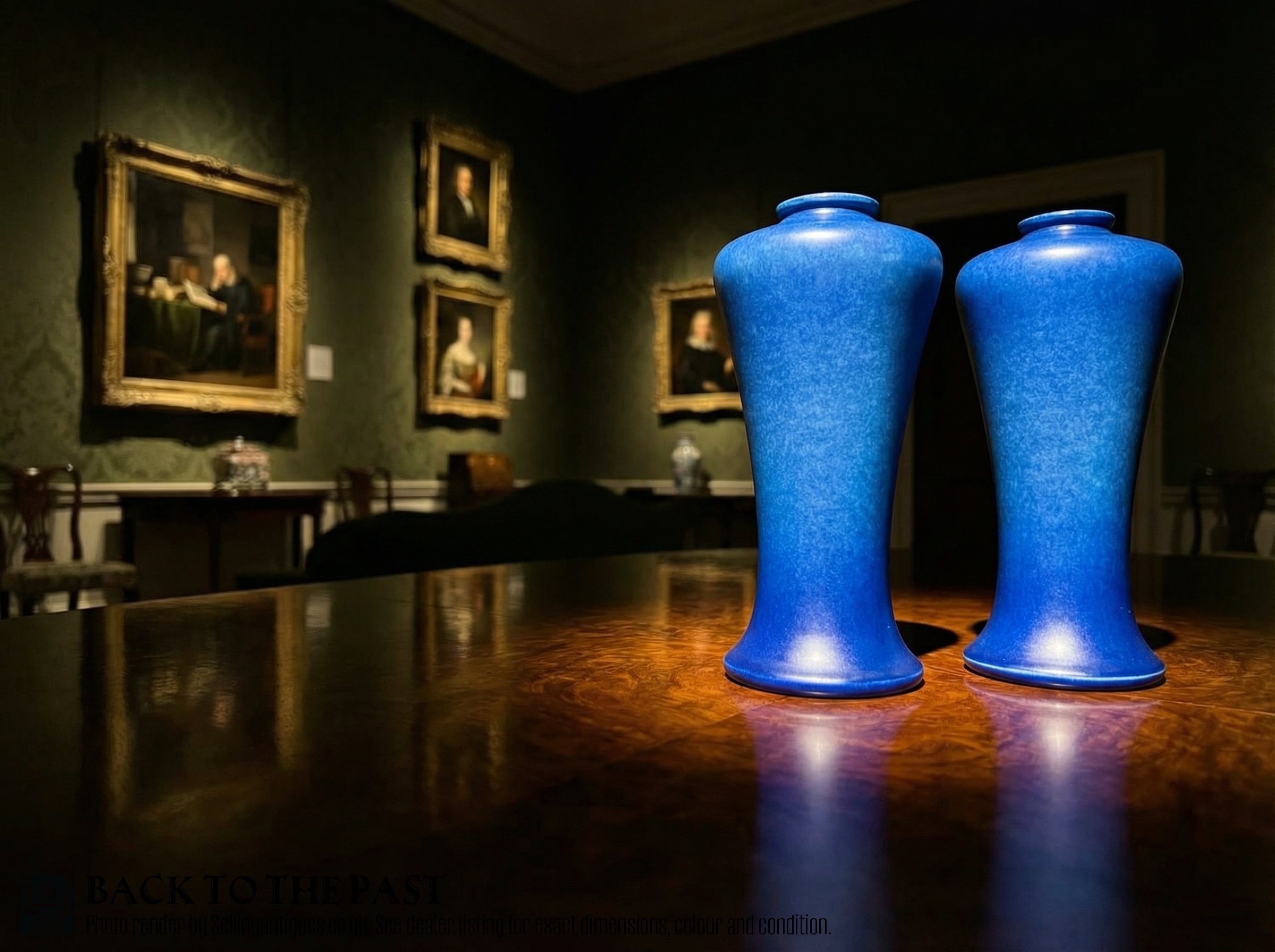
Vintage Decorative Urns
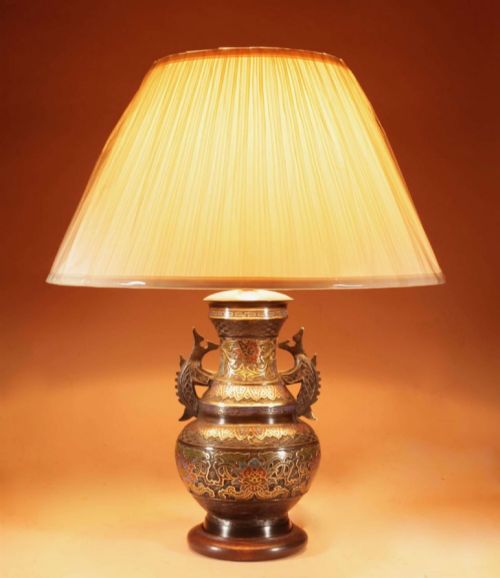
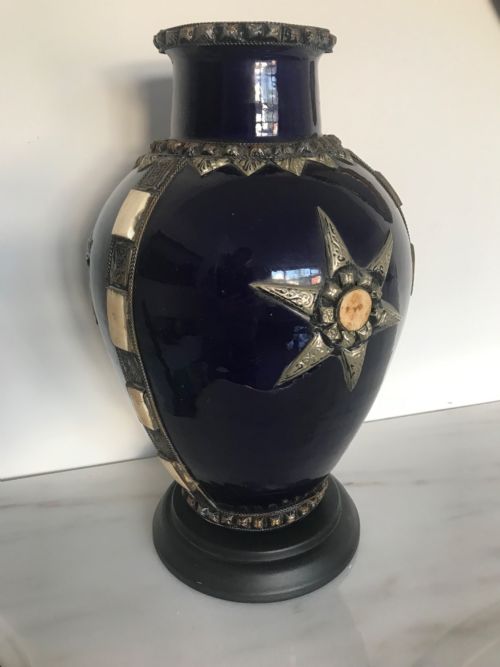
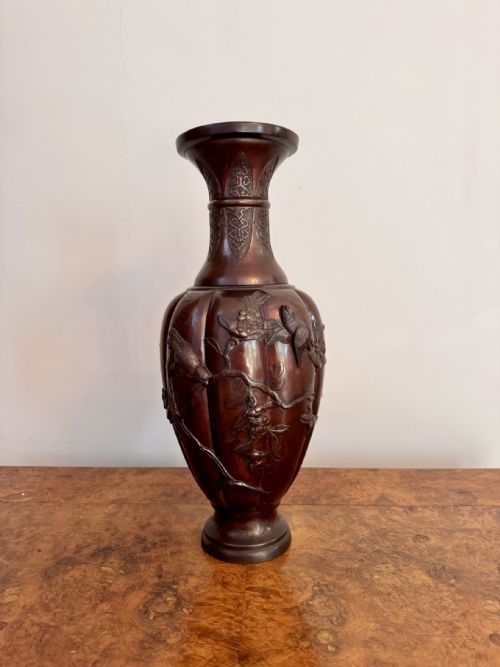
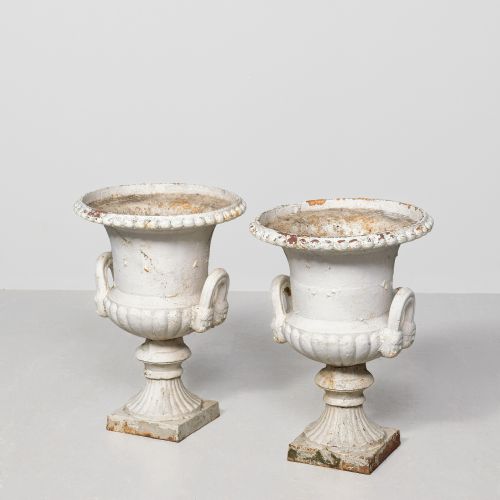
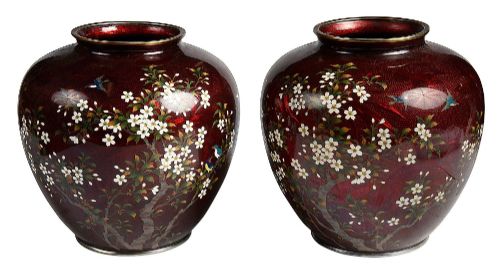
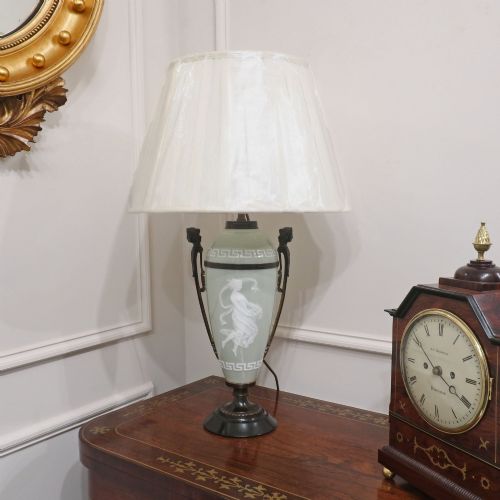
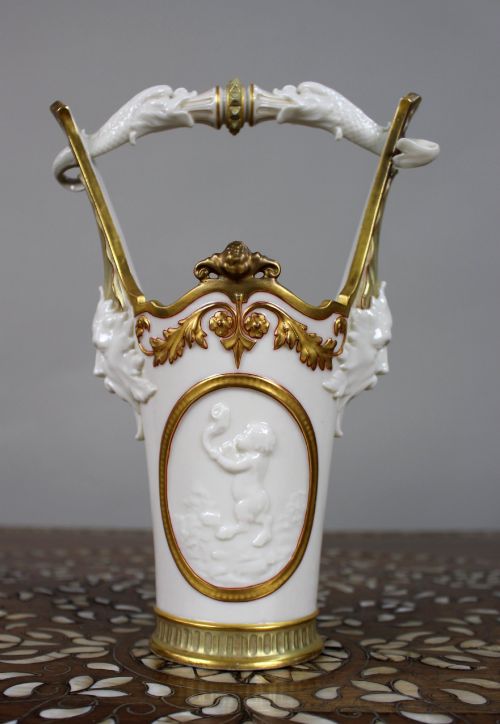
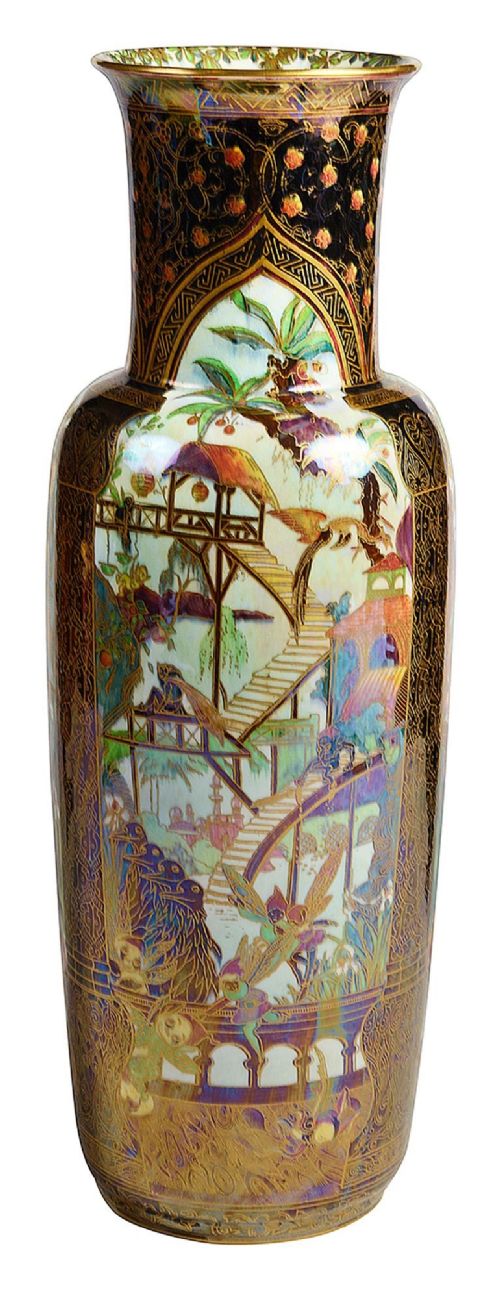
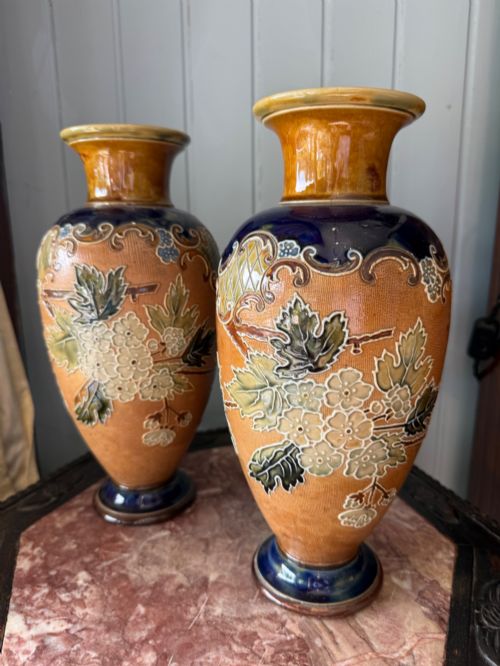
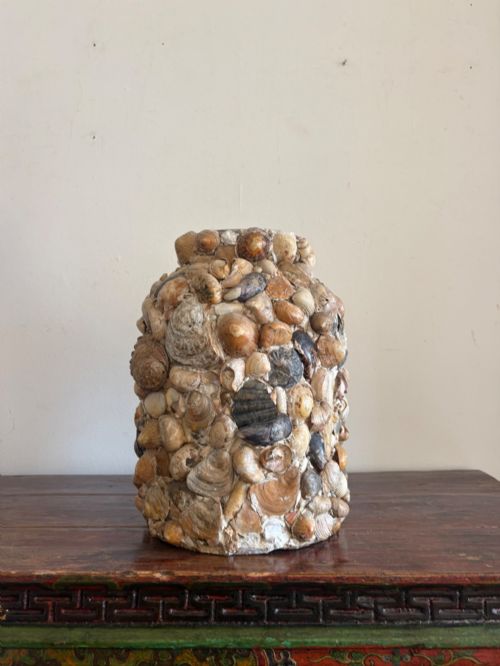
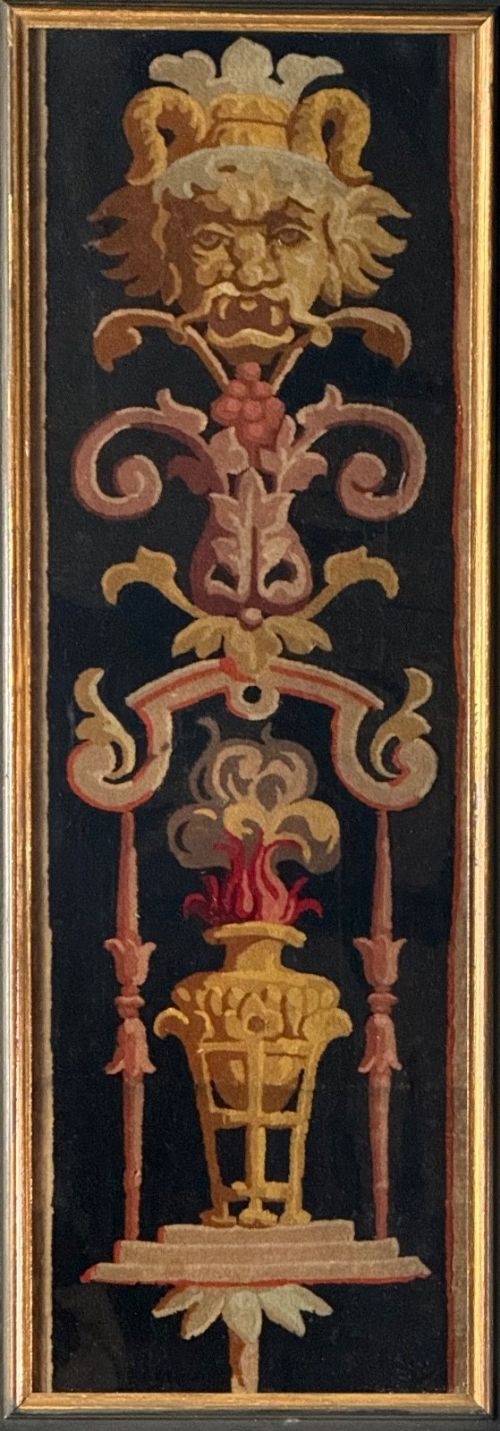
Vintage decorative urns encompass a diverse selection of ornamental vessels, garden planters, and converted table lamps drawn from the nineteenth and early twentieth centuries. You will frequently encounter ceramic, porcelain, and cast iron examples alongside Japanese bronzes and cloisonné pieces.
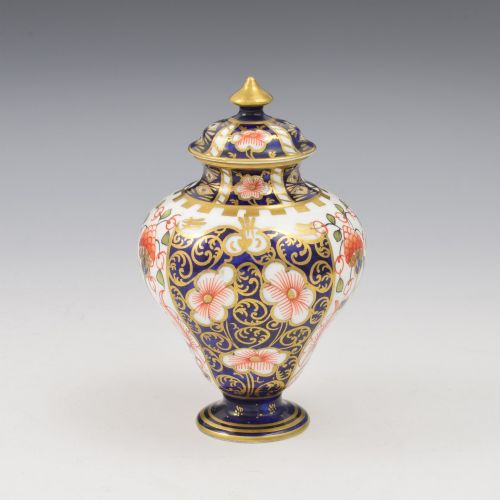
The styles span traditional Victorian and French Neoclassical designs to Arts and Crafts pottery and Japanese Meiji period works. Many function purely as decorative centrepieces, while others take the form of lidded vases or garden campana urns.
How they were made
Makers utilised traditional casting methods for heavy iron and bronze vessels, whilst ceramic and porcelain pieces relied on skilled throwing, moulding, and glazing techniques. Surface decoration often involved hand-painted enamels, cloisonné wirework, or repoussé metalwork.
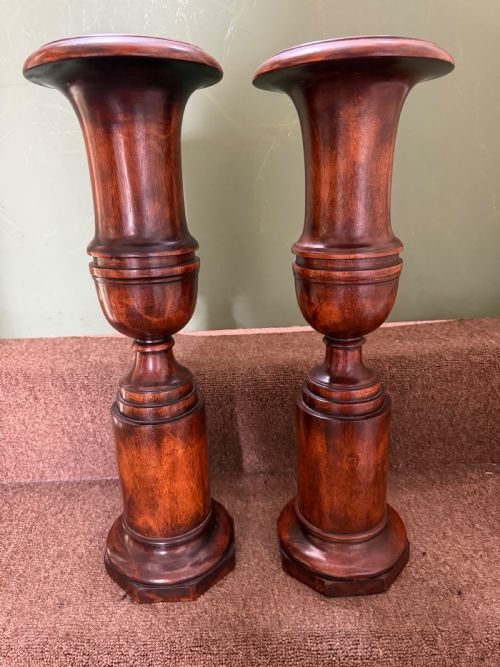
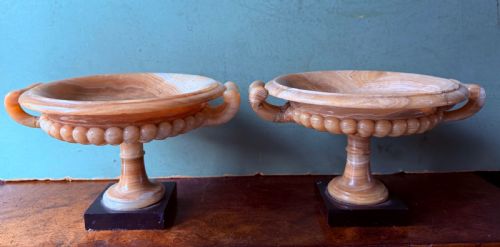
Organic materials like turned walnut and carved alabaster required precision woodwork and stonemasonry, particularly for Grand Tour souvenirs and architectural ornaments.
Listings feature materials spanning cast iron, cloisonné, porcelain, and turned walnut across the nineteenth and early twentieth centuries.
What varies in quality
Quality rests upon the crispness of the casting or the finesse of the hand-painted and glazed surface details. Pieces originating from recognised potteries or skilled individual workshops display superior precision in their decorative motifs.
The survival of original lids, mounts, and matching pairs substantially elevates the character and integrity of an object.
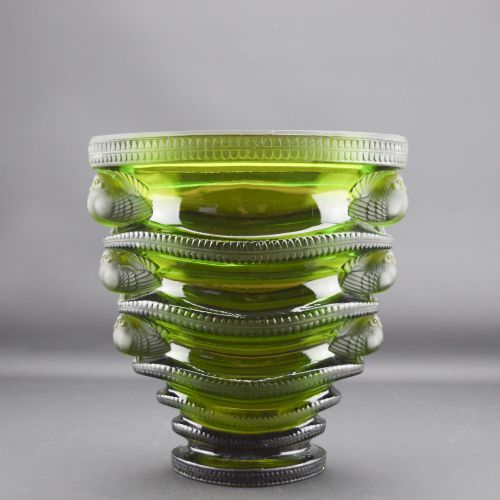
Royal Crown Derby·Rene Lalique·Royal Worcester·Wedgwood·Royal Doulton·Burmantoft's Pottery·Andrew Handyside·Boch Freres·Doulton Lambeth·Hicks and Meigh
The Vintage Decorative Urns Glossary
- Campana
- A bell-shaped garden urn or vessel with an everted rim, commonly cast in iron or ceramic.
- Cloisonné
- An enamel technique where metal wire creates compartments on a bronze or copper body to hold coloured pastes.
- Imari
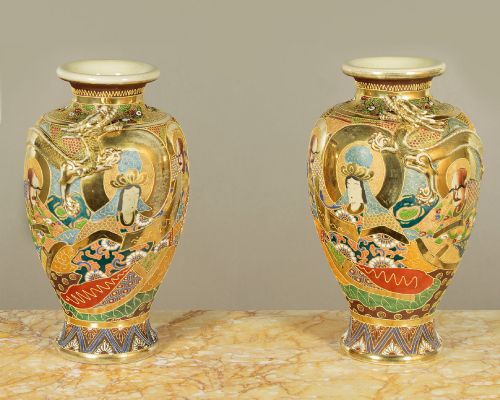
- A traditional Japanese porcelain style characterised by underglaze blue and contrasting iron red and gold details.
- Majolica
- A type of earthenware coated with an opaque tin-glaze and painted with bright metallic oxide colours.
Vintage Decorative Urns: Frequently Asked Questions
How were antique urns used?
These vessels served diverse functions ranging from formal garden centrepieces and planters to indoor mantel ornaments and table lamps.
Many smaller ceramic and bronze examples were displayed purely for visual elegance in nineteenth-century drawing rooms.
Can garden urns stay outside?
Cast iron and heavy terracotta pieces withstand outdoor conditions well when placed on stable surfaces in gardens.
Porcelain and delicate earthenware varieties require indoor placement to protect their glazes from frost and weathering.
How do I identify Meiji period pieces?
Japanese items from this era often feature intricate bronze casting, detailed cloisonné work, or complex hand-painted Imari patterns.
These pieces reflect the opening of Japan to Western trade during the late nineteenth century.
Are converted lamp urns original?
Many nineteenth-century porcelain and bronze vases were later adapted into electrical table lamps to suit modern domestic lighting.
This conversion process was frequently undertaken professionally while preserving the decorative body of the original vessel.