





Oriental Ceramic Cachepot
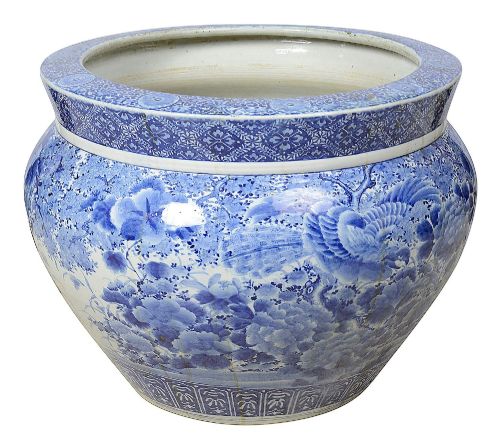
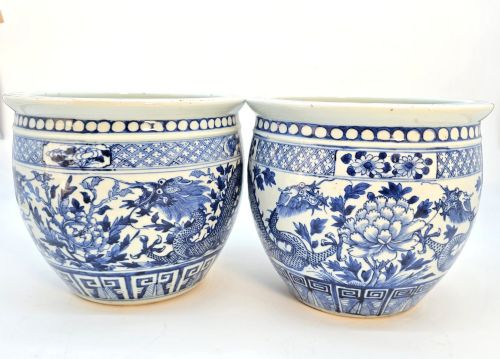
These oriental ceramic cachepot selections bring decorative plant pots into your rooms, offering traditional floral displays with historic character.
Oriental Ceramic Cachepot
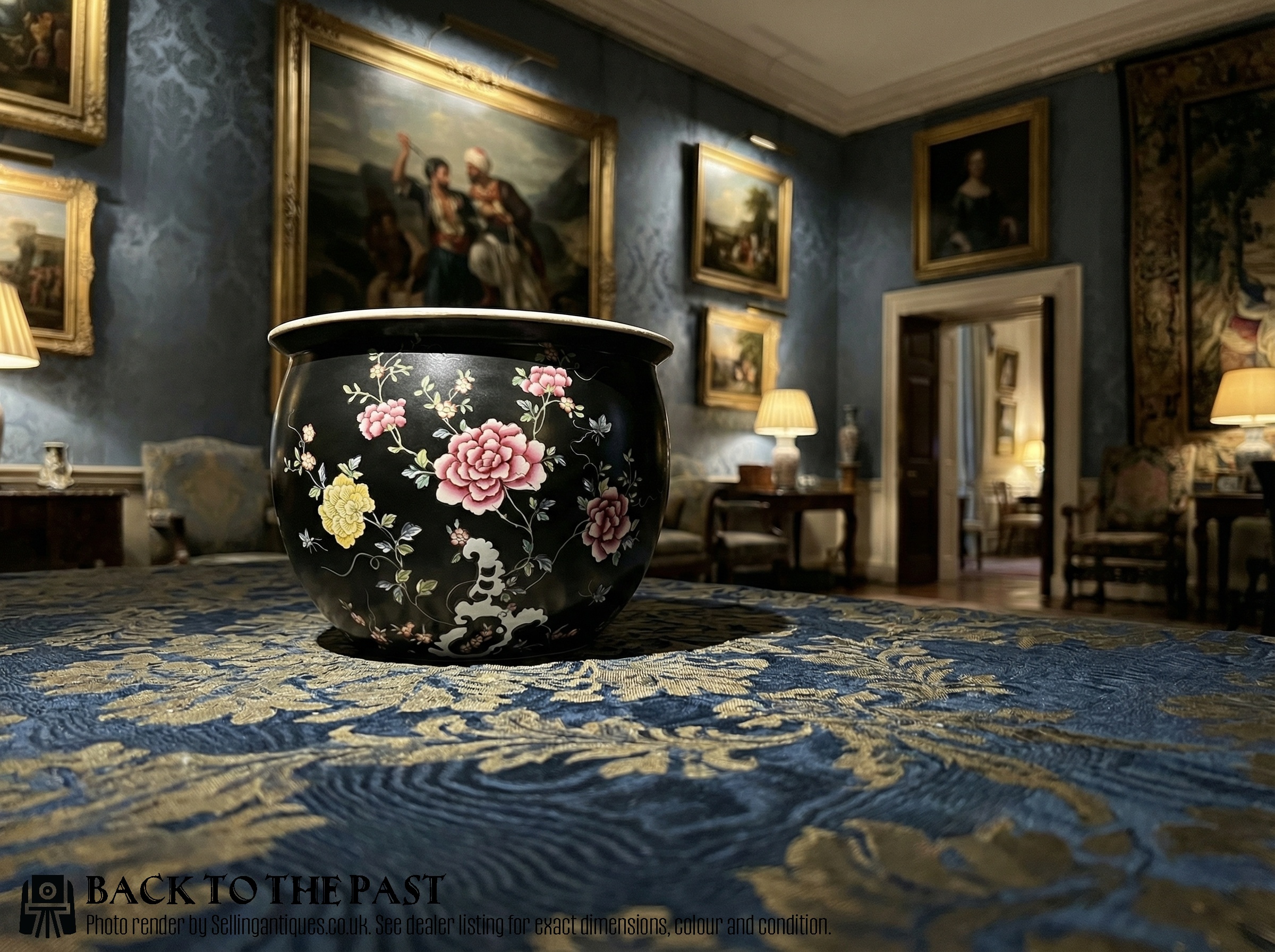
An oriental ceramic cachepot is typically found in forms such as jardinieres, planters, and drip trays designed to hold potted plants. The selection includes pieces created across various eras, ranging from eighteenth-century examples to early twentieth-century pieces.
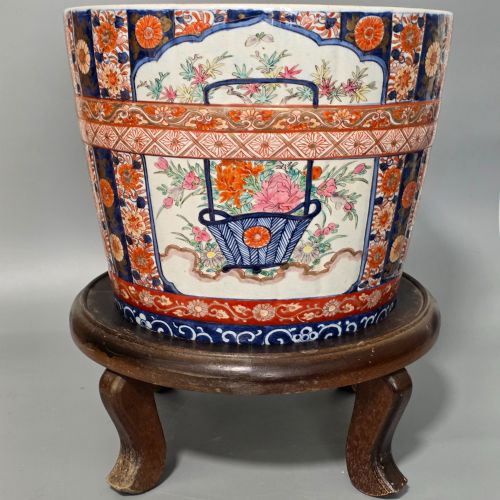
Buyers will frequently encounter Japanese Imari designs alongside Chinese blue and white porcelain vessels. Many of these items originate from the Meiji period and the Qing dynasty, showcasing traditional decorative motifs.
Certain vessels are accompanied by associated hardwood stands, providing a complete display unit for interior spaces. The forms vary from large circular jardinieres to hexagonal planters with distinct painted details.
Materials and construction
These vessels are fashioned from porcelain, earthenware, and ceramic bodies, often finished with cobalt underglaze and enamel decoration. Artisans applied detailed painting techniques to the surfaces before firing.
Gilt ceramic elements and vibrant coloured glazes appear on specific pieces, adding layered visual depth to the glazed clay bodies. Stands are constructed from hardwood to support the weight of the ceramic pots.
Oriental Ceramic Cachepot Retail Price Guide 2026
Typical asking prices for oriental ceramic cachepot among the pieces listed under this phrase on Sellingantiques today, from the lower quarter to the upper quarter. They describe what is for sale here now, not the wider market.
Assessing quality and execution
Superior examples demonstrate refined control in the cobalt underglaze painting and enamel application, showing clear lines and balanced compositions. The precision of the ceramic form and the crispness of any seal marks distinguish finer pieces.
The integrity of the glaze surface and the harmonious pairing with any associated hardwood stand influence the overall presentation. Larger scales and matched pairs also represent higher degrees of original craftsmanship.
The Oriental Ceramic Cachepot Glossary
- Cachepot
- An ornamental flowerpot cover designed to hold a plain inner pot and catch drainage water. They shield functional plant containers from view in a domestic setting.
- Jardiniere
- A large ornamental pot or stand used for holding flowers or plants. These vessels often serve as standalone decorative objects in a room.
- Imari
- A style of Japanese export porcelain decorated in underglaze blue, iron red, gold, and supplementary colours. The palette is typically rich and vibrant.
- Famille Rose
- A major palette of Chinese ceramic enamels introduced during the Qing dynasty, featuring opaque pink or rose colours. This style allows for delicate pictorial representations of birds and flowers.
- Cobalt Underglaze
- A blue pigment applied to ceramic bodies before glazing and firing at high temperatures. The resulting decoration becomes permanently sealed beneath a clear glassy layer.
Oriental Ceramic Cachepot: Frequently Asked Questions
How were oriental ceramic cachepots used originally?
These vessels functioned primarily as decorative containers to house potted plants inside homes and reception rooms. They protected delicate interior surfaces from moisture by collecting excess water.
Larger examples often stood on the floor or on dedicated wooden stands, while smaller ones graced tables and ledges. Their decorative presence added colour and pattern to domestic interiors.
How do I distinguish between Japanese and Chinese pieces?
Japanese examples from the selection frequently feature Imari palettes or Satsuma styles with distinct regional motifs. Chinese pieces often showcase blue and white porcelain or Famille Rose enamels with specific seal marks.
Examining the painting style, brushwork, and overall colour palette helps reveal the cultural origin of the manufacturing workshop.
What periods do these cachepots come from?
The available pieces span several centuries, with examples originating from the eighteenth, nineteenth, and early twentieth centuries. Specific eras represented include the Edo period, Meiji period, and the Qing dynasty.
Most items date from the late nineteenth century, reflecting the popularity of East Asian export wares during that era.
Are wooden stands usually original to the pots?
Many listings describe hardwood stands as associated rather than strictly original to the ceramic vessel. This means the stand was paired with the pot at a later stage to enhance its display height.
Associated stands are selected to complement the dimensions and aesthetic of the specific planter.