


19th Century Chinese Planter
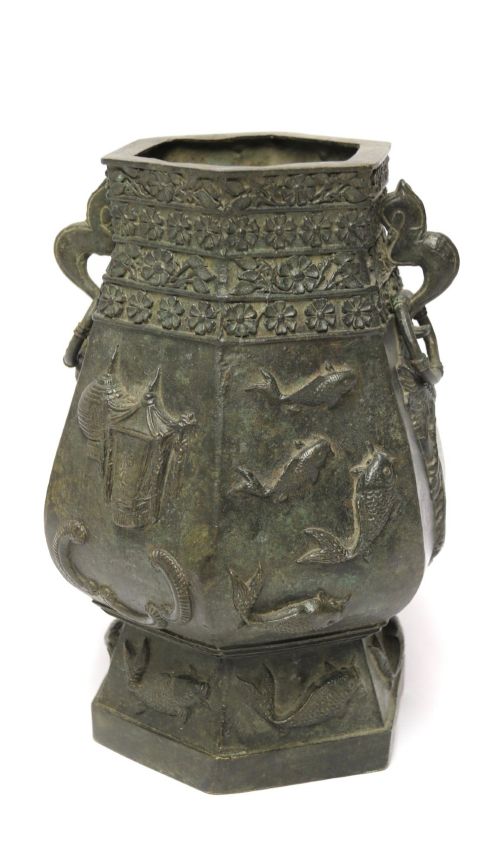
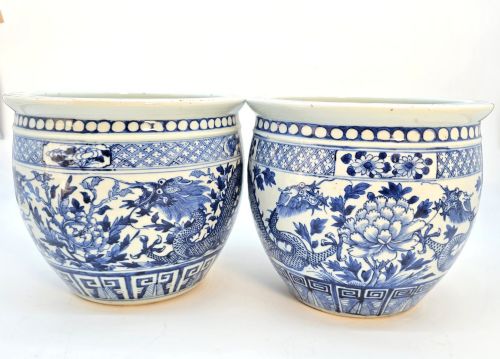
A 19th century chinese planter brings heavy bronze, rich porcelain and dense elm together to hold greenery inside the home.
19th Century Chinese Planter
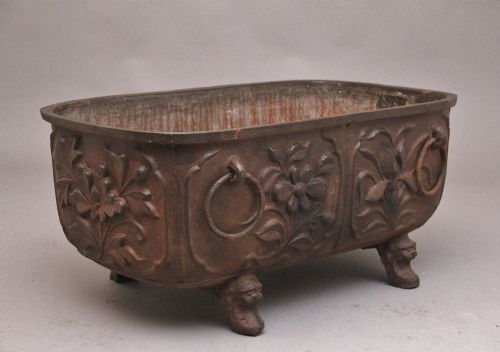
A 19th century chinese planter spans robust bronze vessels, blue and white porcelain jardinieres, and carved elm mortars designed for display. These pieces range from substantial cast iron temple baths to delicate cloisonne bowls.
The version most commonly met on this page is the bronze bowl or porcelain jardiniere originating from the Qing Dynasty. Buyers also encounter brass troughs, hardwood stands, and rustic elm vessels.
These items served functional roles holding plants or water within homes and gardens. Today they function as decorative bowls and focal points in rooms.
How They Were Made
Makers utilised bronze, brass, cast iron, and porcelain, frequently employing cobalt underglaze or enamel for surface decoration. Artisans also worked with elm and hardwood, carving stands and mortars from solid timber.
Casting methods produced heavy bronze and iron vessels, while ceramic pieces underwent high-temperature firing to achieve durable finishes. Surface ornamentation included hand-carving, script engraving, and cloisonne detailing.
Several heavy bronze bowls double as impromptu paperweights when desks run out of room.
What Varies in Quality
Quality rests in the precision of the casting and the depth of the hand-carving across bronze and hardwood. Superior examples display crisp detail in enamel work and well-balanced proportions in the vessel form.
The integrity of the material, whether solid bronze or dense elm, dictates the longevity and weight of the piece. Finish and decorative restraint separate standard utility vessels from superior decorative works.
The 19th Century Chinese Planter Glossary
- Jardiniere
- A large ornamental pot or stand for holding flowers or plants. These ceramic or bronze vessels often sit on dedicated stands.
- Cloisonne
- Enamelwork in which enamel is applied to compartments carved on metal objects. Artisans create these designs using soldered wire strips.
- Famille Rose
- A major palette of Chinese ceramic glazes featuring opaque pink enamel. This style developed during the Qing Dynasty.
- Cobalt Underglaze
- Decoration applied to pottery beneath a transparent glaze before firing. This technique produces deep blue patterns on porcelain.
- Champleve
- Enamel decoration where troughs are sunk into the metal surface to hold the enamel. The metal areas between the channels remain visible as lines.
19th Century Chinese Planter: Frequently Asked Questions
What is a jardiniere?
A jardiniere is an ornamental pot designed to hold plants or flowers inside the home. These vessels appear in ceramic, bronze, and brass.
They often feature decorative painting or surface carving to suit formal rooms.
How do I clean bronze planters?
Clean bronze gently with a soft dry cloth to remove dust without disturbing the aged surface. Avoid harsh chemical cleaners that strip the natural patina.
Moisture should be kept away from unlined metal surfaces to prevent corrosion.
Are these pieces waterproof?
Many bronze and porcelain vessels hold water naturally, though some metal troughs rely on zinc linings. Older iron or wooden items may require internal plastic saucers for live plants.
Checking the interior construction prevents water damage to furniture.
How do I date a Qing Dynasty planter?
Dating relies on material weight, casting style, and specific decorative glazes like cobalt underglaze or famille rose. Late Qing pieces often show distinct enamel work and standardised forms.
Comparing the manufacturing technique against known period examples clarifies the age.