
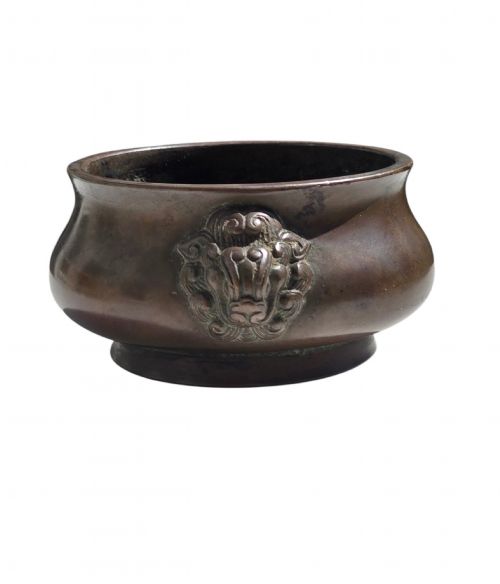


Asian Metalwork Bowl
An asian antique metalwork bowl brings substance and meticulous craftsmanship into a room, spanning centuries of Asian artistry.
Asian Metalwork Bowl
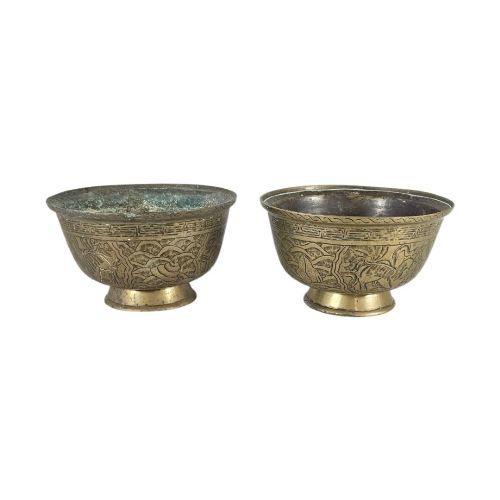
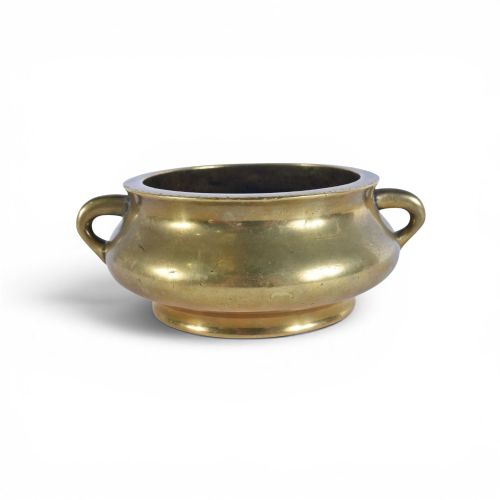
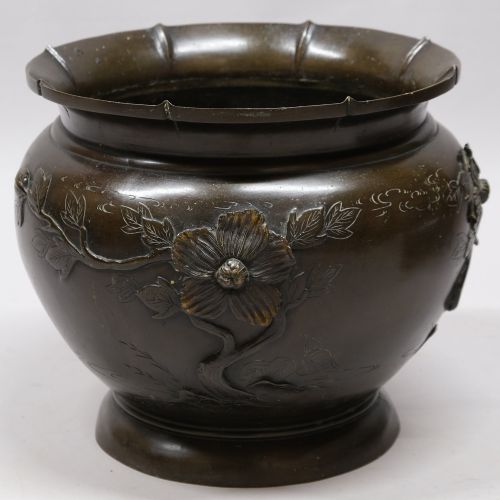
An asian antique metalwork bowl encompasses utilitarian vessels, decorative centrepieces, and ritual incense burners originating from China and Japan. The pieces available here range widely in form, covering everything from substantial bronze jardiniere planters to delicate lidded vessels.
Chinese pieces frequently display historical reign marks, such as Xuande or Jiaqing, linking them to dynastic traditions. Meanwhile, Japanese examples often originate from the Edo and Meiji periods, showcasing distinct regional aesthetics through refined form and surface treatment.
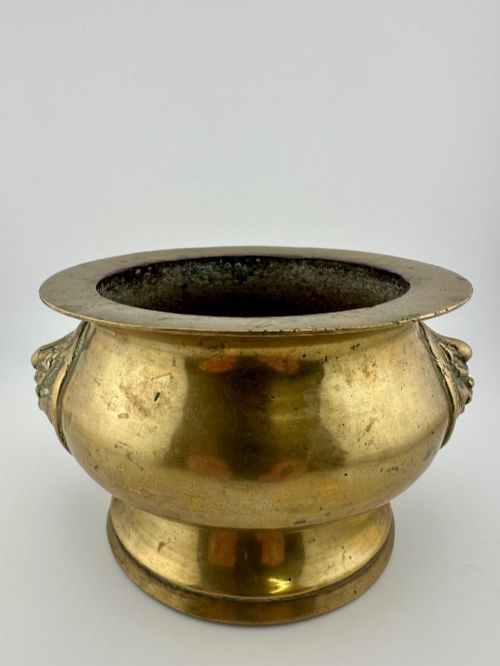
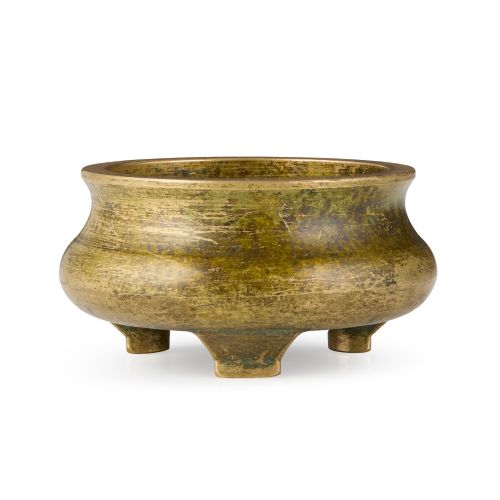
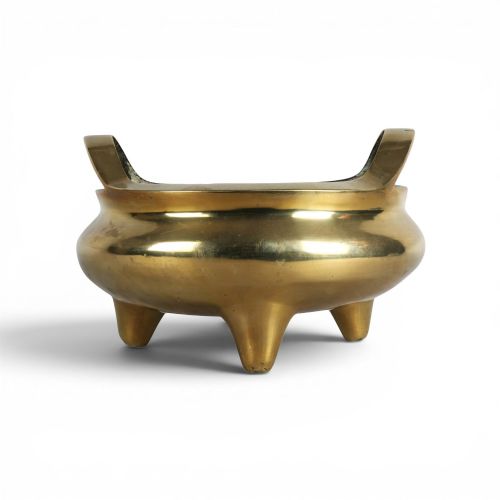
Buyers will encounter various specific forms, including tripod censers featuring lion mask handles, large chargers, and pedestalled tazzas. These items reflect both domestic decorative uses and spiritual or scholarly pursuits in their original contexts.
Materials and Construction Techniques
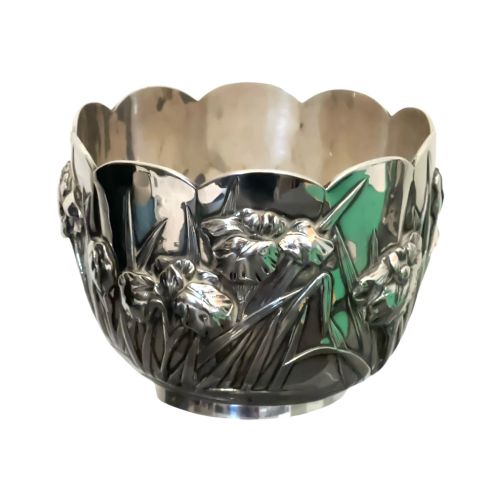
Metalworking traditions rely heavily on cast bronze, brass, and copper, often worked into heavy, robust forms capable of enduring centuries. Artisans also utilised silver and white metal for specific decorative vessels requiring finer detail.
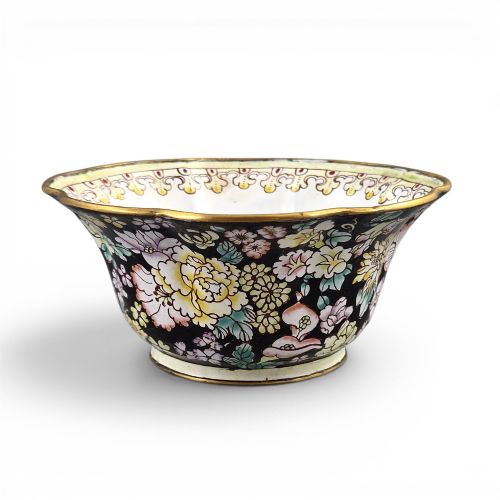
Surface ornamentation frequently incorporates cloisonne enamel and painted enamel-on-copper, binding colourful vitreous pastes within wire compartments or across smooth metallic grounds. Gilding with gold leaf further enhances selected ritual and decorative objects.
Several heavy bronze bowls double as impromptu weightlifting equipment, with certain massive examples tipping the scales near five kilograms.
Distinguishing Quality in Metalwork
Quality rests upon the crispness of the casting and the precision of surface decoration, particularly the regularity of wirework in cloisonne pieces and the depth of relief in cast bronzes. Heavier, more substantial vessels indicate a generous use of material and careful foundational work by the maker.
The integrity and preservation of the original surface finish, whether patinated bronze or intact enamel cells, dictate the standing of an individual piece. Subtle details such as finely rendered bird, dragon, or lotus motifs elevate the accomplishment of the work.
The Asian Metalwork Bowl Glossary
- Cloisonne Enamel
- A decorative technique where metal wires form raised barriers on a metallic surface to contain compartments filled with coloured glass paste. These compartments are then fired and polished smooth.
- Censer
- A vessel designed specifically for burning incense during rituals or scholarly meditation. They frequently feature tripod supports and perforated lids.
- Jardiniere
- A large decorative pot or bowl intended to hold plants or floral arrangements. They are often cast in heavy bronze.
- Tazza
- A shallow saucer-like dish mounted on a stemmed foot, utilised for display or serving. Examples appear in both cloisonne enamel and metal.
Asian Metalwork Bowl: Frequently Asked Questions
How do I care for an antique bronze bowl?
Bronze requires minimal intervention to preserve its natural historic patina over decades of display. Dust the surface gently with a soft dry cloth.
Avoid using harsh chemical polishes or water, which can strip away desirable oxidation and damage delicate metal or enamel surfaces permanently.
What is a Xuande mark?
A Xuande mark refers to an inscribed or cast seal bearing the name of the Ming dynasty Emperor Xuande. These marks indicate dynastic prestige and style.
Later Qing dynasty artisans frequently added these marks to tribute pieces as a mark of respect rather than as an intentional deception.
Were these bowls used daily?
Many metal vessels served specific ritual or scholarly functions rather than everyday domestic dining. Incense burners were kept in studies or temples for meditation.
Larger jardiniere planters and decorative chargers occupied prominent positions in homes or courtyards to display wealth and taste.
How do I distinguish Edo from Meiji pieces?
Edo period metalwork and cloisonne generally reflect earlier traditional isolationist aesthetics, featuring restrained lines and archaic bronze revivals. Pieces often date between seventeen hundred and eighteen sixty.
Meiji period works, produced after eighteen sixty-eight, frequently display more intricate detailing and cater to international export markets with spectacular decoration.